Have you ever opened a jar of solder paste and noticed a dry, hardened crust forming on the surface? Or struggled to mix the paste properly, even after repeated scraping and stirring? In many cases, these situations are caused by improper solder paste storage and handling.
When solder paste is exposed to unstable temperatures, air, or moisture, its internal composition can quickly change, leading to printing defects and soldering issues during production.

5 Common Mistakes and Their Consequences
Solder paste performance depends heavily on stable storage conditions and careful handling. Let's have a look at 5 common solder paste storage mistakes:
1. Solvent Evaporation (Drying or Crusting)
One common issue occurs when solder paste is not properly sealed during storage. If solder paste storage containers are loosely closed in the refrigerator or left open during the rewarming process, the volatile solvents in the flux can slowly evaporate. As these solvents escape, the viscosity of the paste increases, and the surface may begin to dry or form a crust.
This thicker paste does not release well from solder paste stencil apertures during printing. As a result, the amount of solder deposited on the pads may be insufficient, potentially leading to defects such as tombstoning during reflow.
2. Thermal Degradation (Thinning or Slumping)
Temperature stability is critical for maintaining the chemical balance of solder paste. When solder paste storage temperatures are too high, or the paste undergoes repeated cycles of cooling and heating, the flux's characteristics may change.
Under these conditions, the paste may become excessively fluid. After stencil printing, it can spread beyond the intended pad area. This slumping behavior increases the risk of solder bridging between pads and may eventually cause electrical short circuits.
3. Oxidation (Darkening and Poor Soldering)
The metal particles inside solder paste can oxidise when exposed to air over time. This effect is particularly noticeable in lead-free solder pastes such as SnAgCu alloys. Oxidation often causes the paste to appear darker and reduces the ability of the solder to wet component leads and PCB pads.
When wettability decreases, solder joints may not form properly during reflow. This can result in cold solder joints, which weaken electrical connections and reduce long-term reliability.
4. Phase Separation (Layering or Liquid Separation)
Solder paste is a homogeneous mixture of powdered solder and flux. If the paste experiences significant temperature fluctuations, the internal structure of this mixture may become unstable.
When this happens, the paste may separate into layers, with liquid flux rising to the top and heavier solder particles settling below. This uneven composition leads to inconsistent printing results and may cause spattering during reflow, generating a large number of solder balls.
5. Moisture Absorption (Solder Balls or Bursting)
Moisture contamination can occur when a container of solder paste is removed from cold storage and opened immediately. In this situation, condensation from the surrounding air can enter the paste.
During reflow soldering, the trapped moisture quickly turns into vapour as temperatures rise. This rapid expansion can cause the paste to splatter, creating solder balls and, in more difficult situations, even shifting nearby components.
How to Determine If Solder Paste Has Degraded?
During routine inspection, degraded solder paste typically exhibits the following warning signs:
l Abnormal Appearance: A hardened crust forms on the surface, the color darkens, or there is visible separation between flux and solder powder.
l Abnormal Odor: The characteristic mild flux smell weakens or disappears, or a pungent chemical odor emerges.
l Abnormal Mixing Behavior: The paste does not blend smoothly during stirring, with noticeable graininess or uneven resistance.
l Abnormal Printing Performance: Even with unchanged machine parameters, the paste produces insufficient solder deposition or excessive slumping and bleeding.
l Abnormal Reflow Results: Solder joints appear dull or lack luster, or there is an unusual increase in solder ball formation.
Why Do Problems Persist Despite Knowing the Standards?
Many SMT factories understand the recommended solder paste storage guidelines, but problems still occur in daily production. The main reason is that manual management makes it difficult to consistently follow these standards.
1. Execution Deviation
In many production environments, rewarming time is estimated rather than precisely controlled. Similarly, retrieving solder paste from refrigerators often involves manual searching, making it difficult to strictly follow First-In, First-Out (FIFO) management principles. As a result, older paste may remain unused while newer containers are opened.
2. Environmental Interference
Frequent opening and closing of refrigerator doors causes temperature fluctuations, which can destabilize the paste and lead to phase separation. In addition, defrost cycles and condensation inside standard refrigerators may introduce uncontrolled humidity, increasing the risk of moisture absorption.
3. Lack of Traceability
When soldering issues occur, it is often unclear which container of paste was used or which handling step caused the problem. Without proper traceability, identifying the root cause becomes difficult.
PassionIOT Solder Paste Cabinet
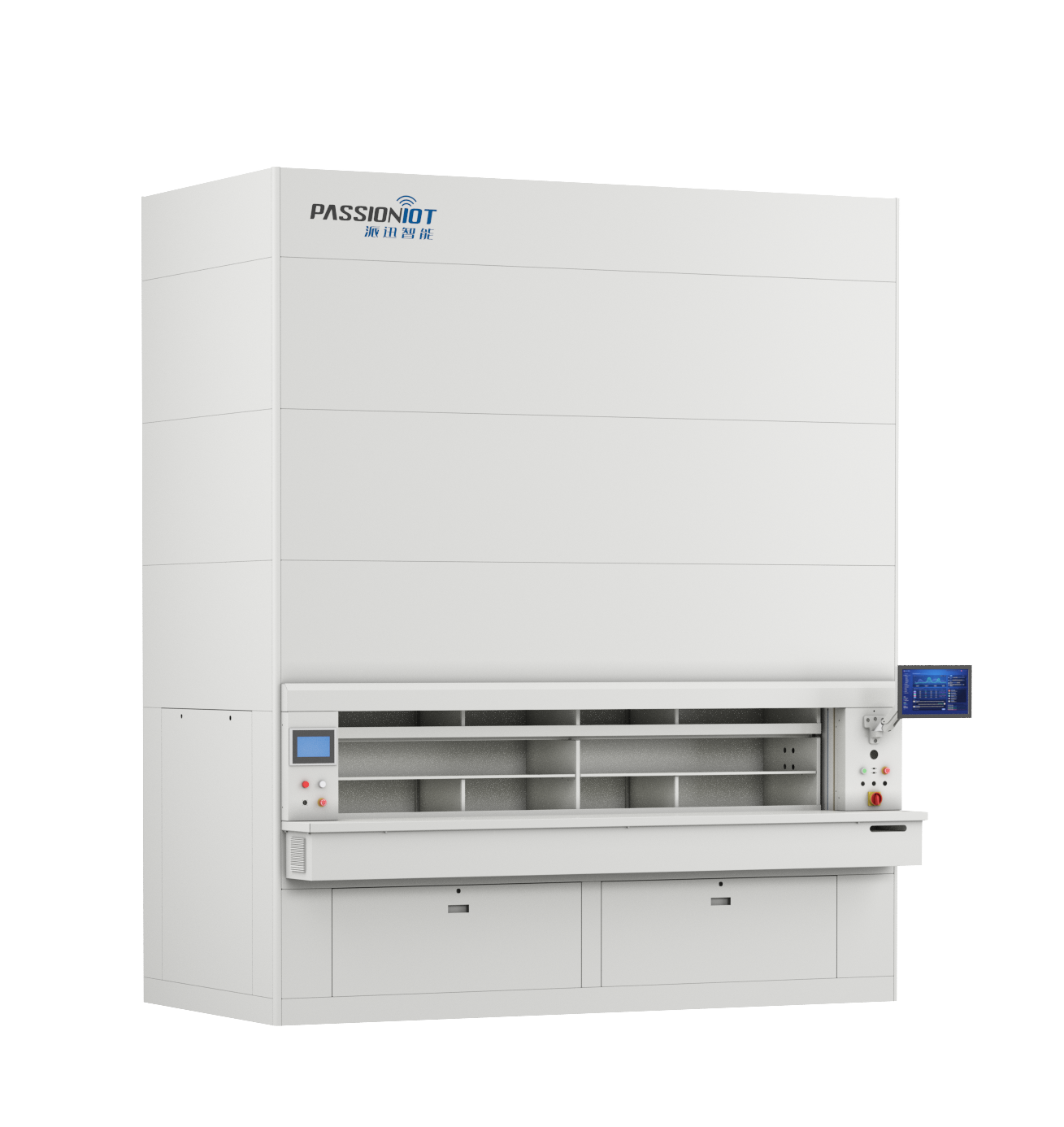
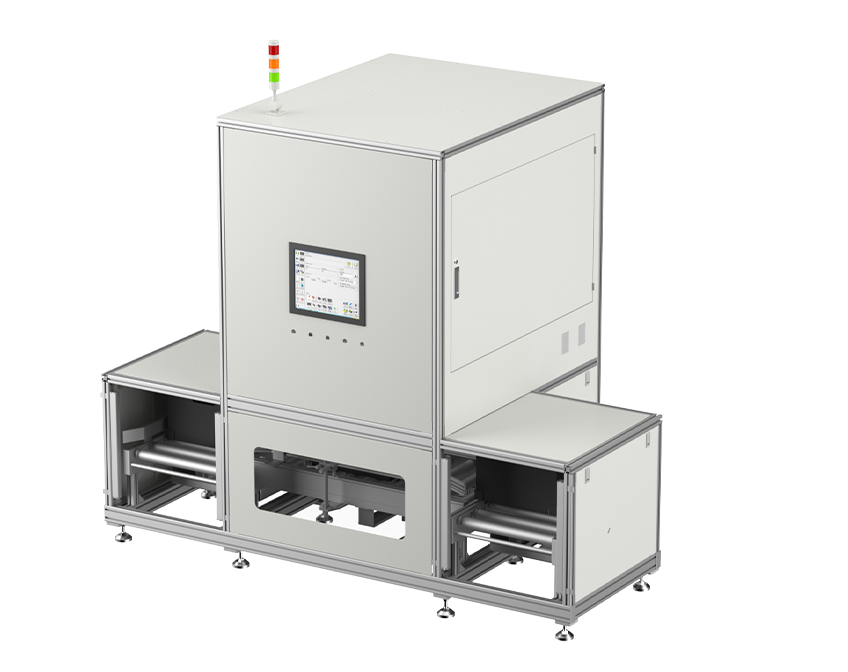
To address the limitations of manual solder paste storage management, PassionIOT offers a smart solder paste cabinet designed to maintain stable storage conditions while supporting standardized handling procedures in SMT production. These cabinets come with the following features:
ü Prevents Phase Separation
The cabinet is designed with an optimised access structure and zero condensation technology, which helps maintain stable temperature conditions and isolates the storage environment from external humidity. This reduces temperature fluctuations and helps preserve the internal balance of the solder paste.
ü Prevents Oxidation
The system uses rotary rack refrigeration, which reduces the loss of cold air when accessing materials. This design allows the cabinet to maintain precise temperature control within the recommended 3–8°C range, helping protect the solder paste from oxidation.
ü Enforces Compliance
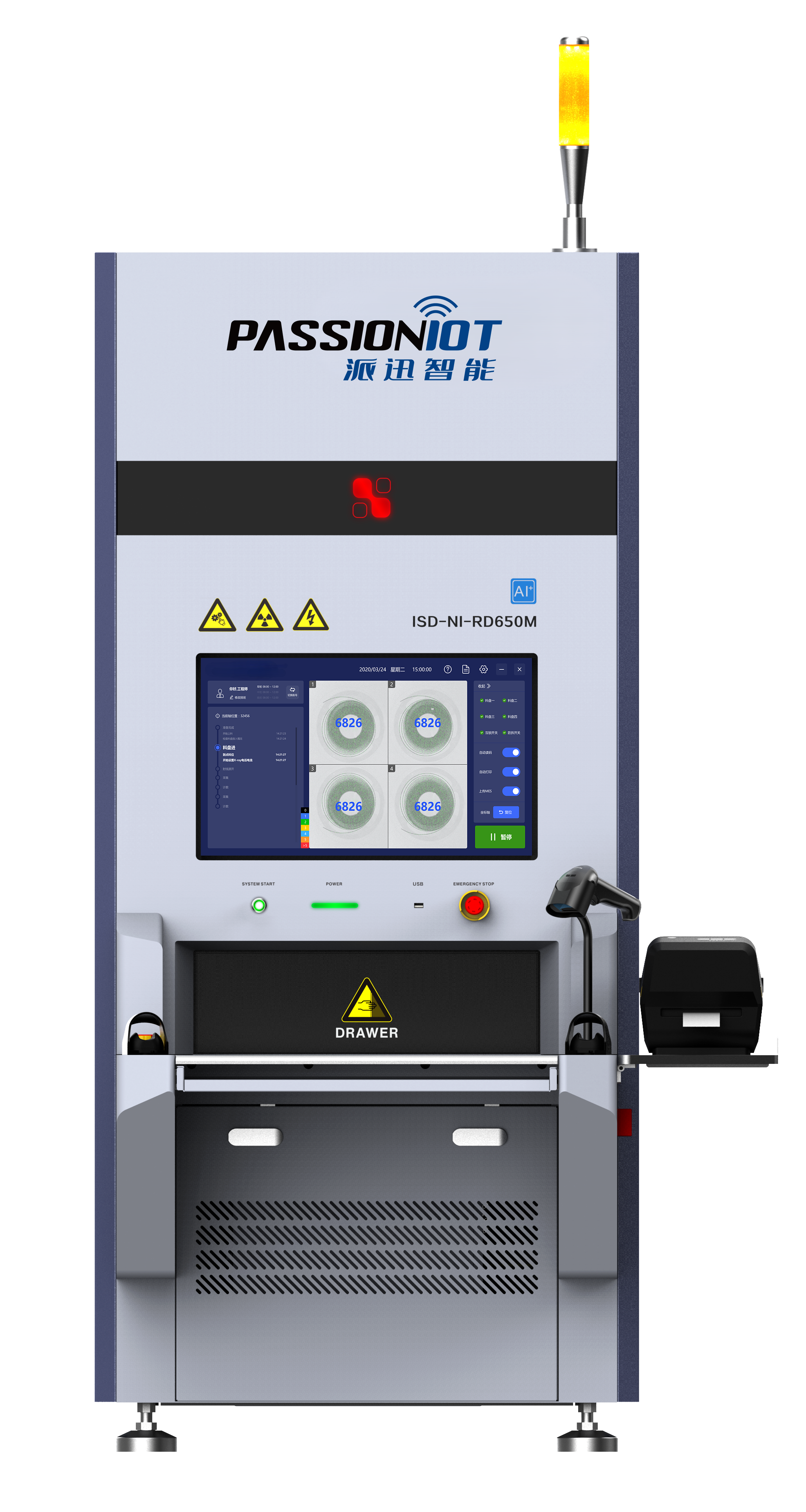
The smart solder paste storage cabinet supports automatic rewarming management, ensuring that solder paste reaches the correct working temperature before use. In addition, barcode-based traceability allows each container to be tracked and integrated with MES systems, helping factories maintain proper usage records.
ü Protects Operation
A drawer-style batch feeding design allows operators to access materials without disturbing the internal storage environment. This structure reduces unnecessary exposure and improves operational safety while handling solder paste.
Conclusion
Solder paste storage and handling directly affect printing quality, reflow results, and product reliability. Although standards are well known, manual management struggles




















 Home
Home