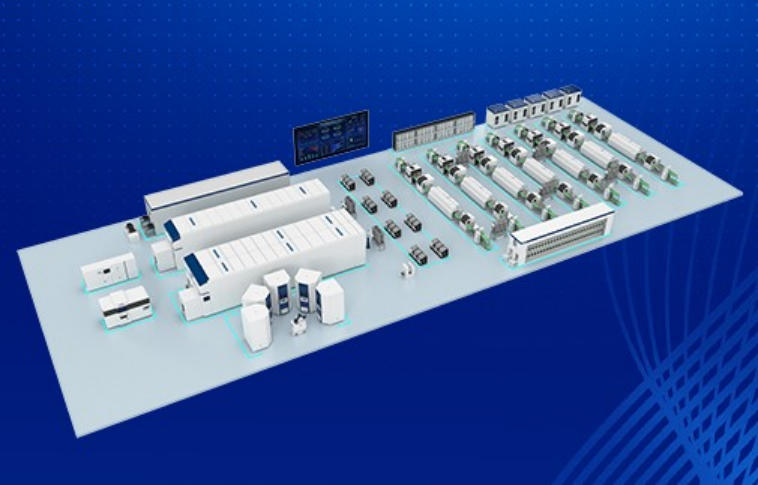
In the rapidly evolving landscape of modern manufacturing, the ability to adapt to diverse packaging requirements is a cornerstone of operational success. Among the many stages of the production line, labeling remains one of the most critical, serving as the bridge between a product and its digital identity. However, the sheer variety of product shapes—ranging from flat surfaces and cylindrical bottles to complex, irregular geometries—presents a significant challenge. For any labeling machine manufacturer, solving the puzzle of how a single system can handle such a wide spectrum of sizes and shapes is the ultimate test of engineering.
The Science of Adaptability: How a Labeling Machine Navigates Geometry
At its core, the versatility of a modern labeling machine is not the result of a single feature, but rather a symphony of mechanical precision and intelligent software. To understand how these machines manage different product dimensions, one must look at the three primary "pillars" of labeling technology: sensing, handling, and application.
1. Precision Sensing and Recognition
Before a label can be applied, the machine must first "see" the product. Standard labeling systems use photoelectric sensors or fiber-optic triggers to detect the leading edge of a product as it moves down the conveyor. However, for products with irregular shapes or varying sizes, high-definition vision systems take center stage. These cameras capture the product's orientation and contours in real-time. By utilizing advanced image processing algorithms, the machine can calculate the exact coordinates for the label, ensuring that whether it is a small electronic component or a large industrial reel, the placement is pixel-perfect.
2. Modular Handling and Conveying Systems
The physical movement of the product is where mechanical adaptability becomes visible. To handle different shapes, manufacturers often employ modular conveyor belts and adjustable guide rails. For instance, cylindrical objects might require a "wrap-around" station with motorized rollers that spin the product while the label is smoothed on. Conversely, flat items may utilize vacuum belts to hold the product securely in place. The ability to quickly adjust the width of these guides or the height of the labeling head allows a single production line to switch between different product batches with minimal downtime.
3. Flexible Application Methods
The method by which the label is actually transferred to the product surface is highly dependent on the product’s nature.
l Wipe-on/Dispensing: Best for flat surfaces where the label is "brushed" onto the moving product.
l Tamp-on: Uses a pneumatic cylinder to press a label onto a stationary or slow-moving product, ideal for recessed areas or top-labeling.
l Blow-on: A non-contact method where a burst of air "shoots" the label onto the product. This is essential for fragile items or products with highly irregular surfaces where a physical applicator might cause damage.
Strategic Integration for Global Manufacturing
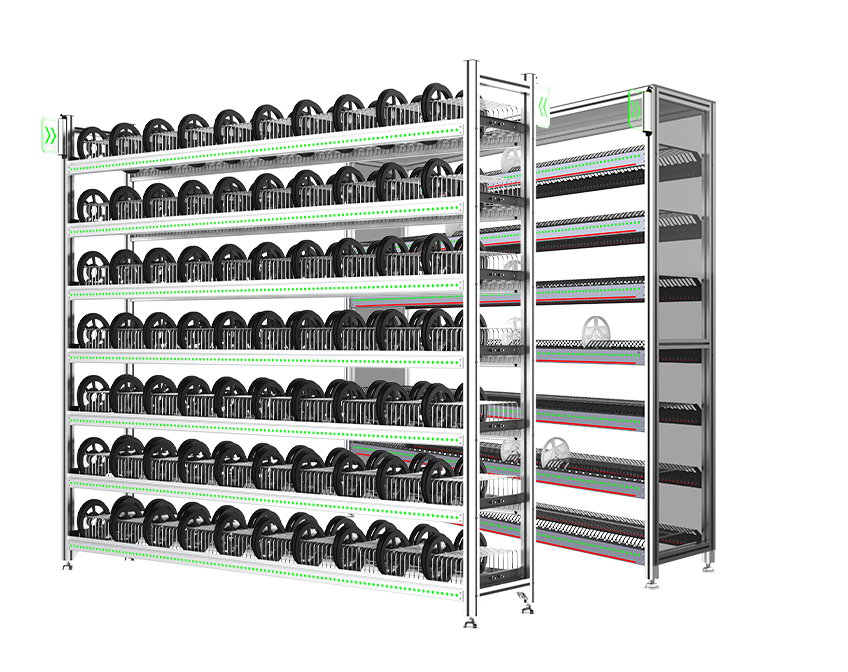
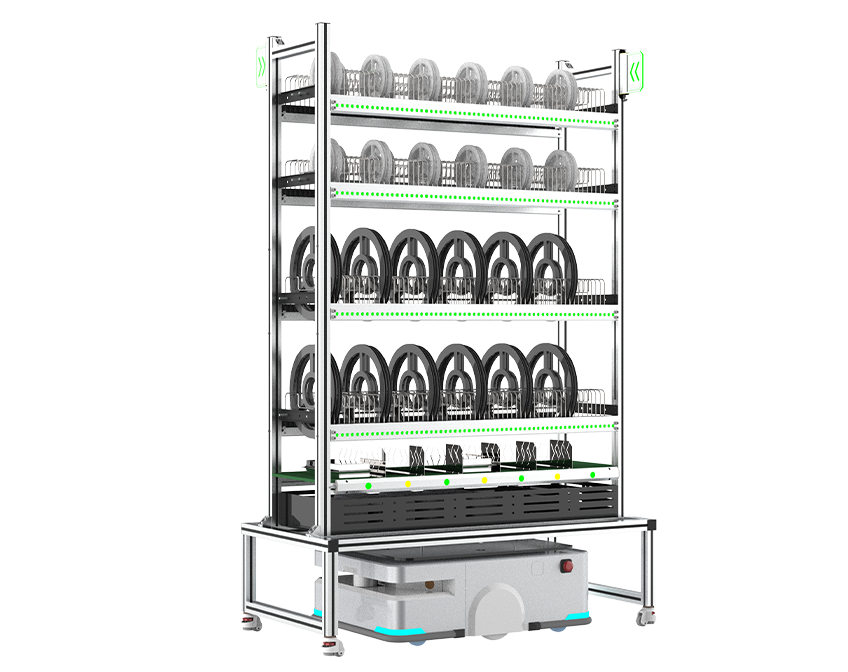
For global enterprises, particularly those in the 3C electronics, semiconductor, and automotive sectors, labeling is more than just a finishing touch—it is a data-driven necessity. These industries often deal with high volumes of varying components, such as Surface Mount Device (SMD) reels, which come in a range of diameters and thicknesses. Managing these variations manually is not only slow but prone to errors that can disrupt the entire supply chain. This is why B2B leaders are increasingly turning to specialized automation partners to streamline their internal logistics and production flows.
Precision Solutions with PassionIOT
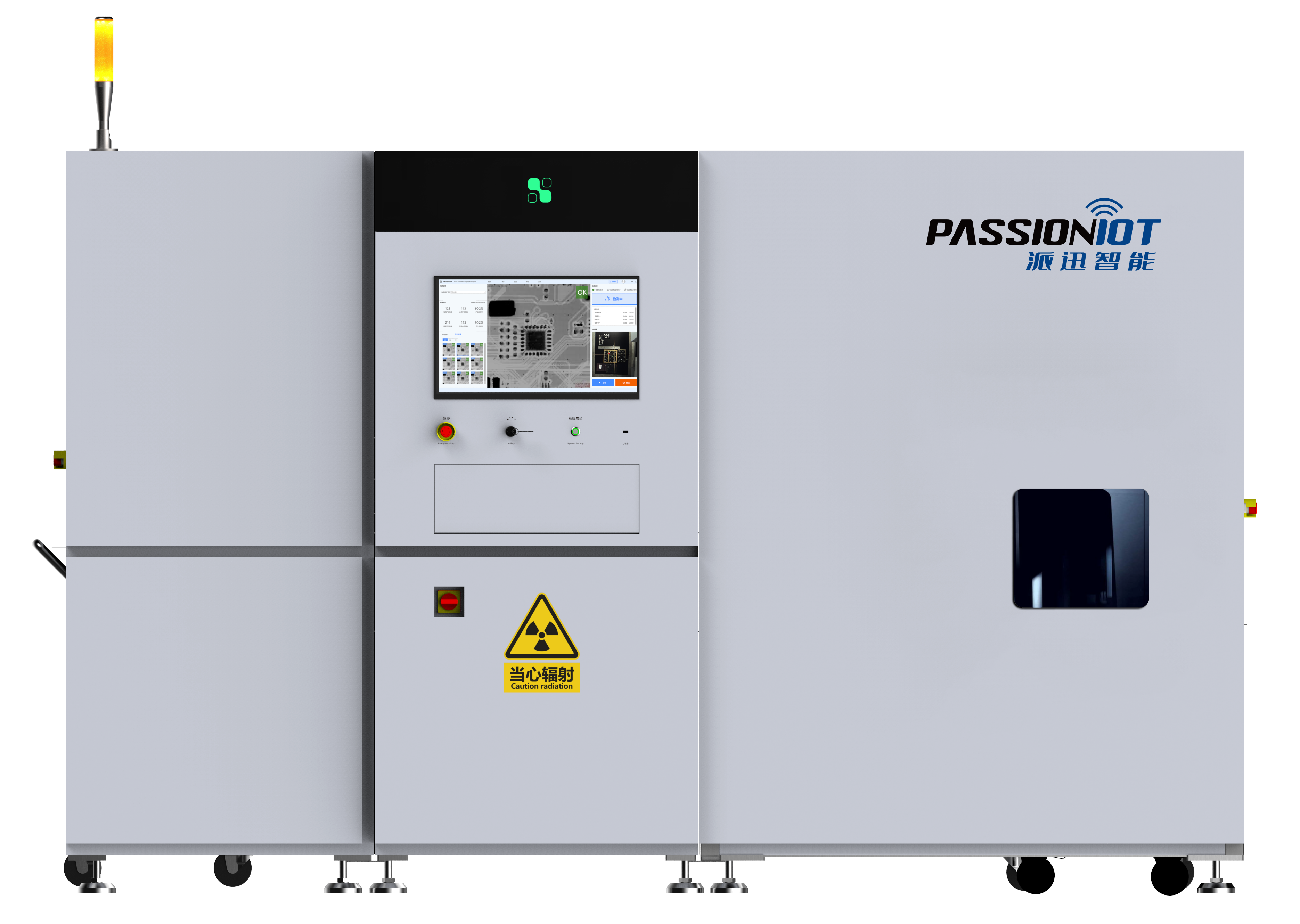
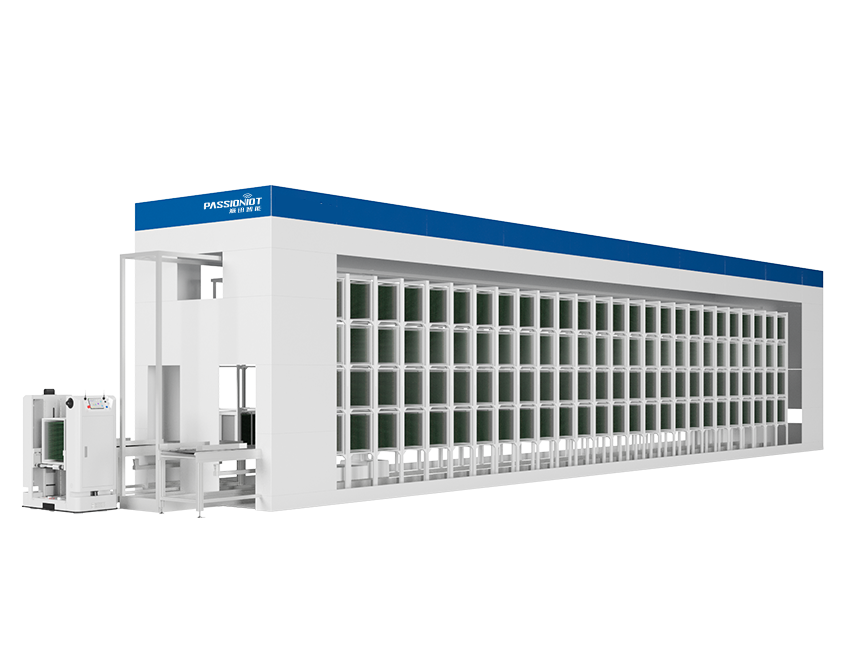
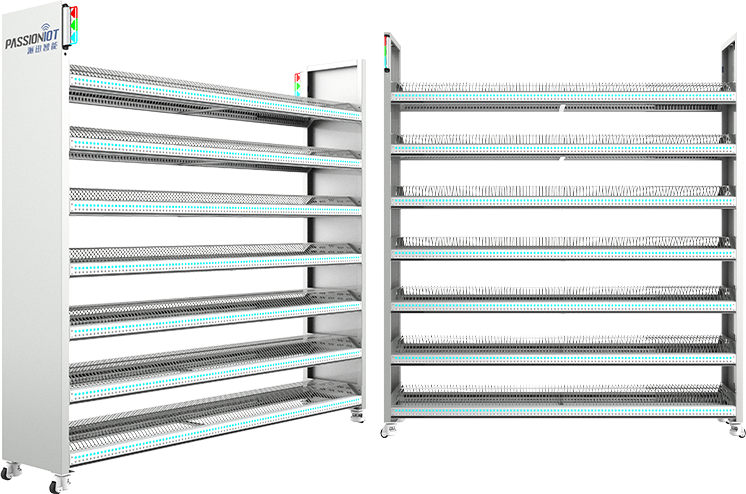
When it comes to high-precision automation, PassionIOT has established itself as a leading labeling machine manufacturer and a pioneer in smart warehouse solutions. Headquartered in Suzhou, PassionIOT specializes in optimizing material handling for complex manufacturing environments, serving a prestigious clientele that includes Fortune 500 giants like Foxconn and Schneider Electric.
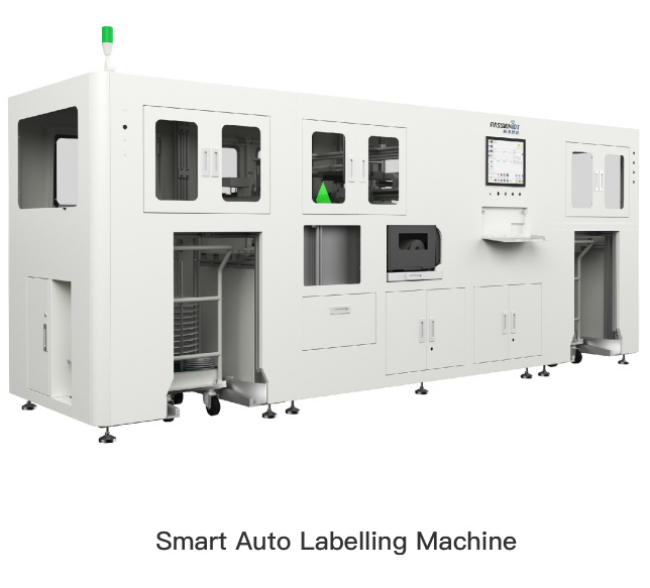
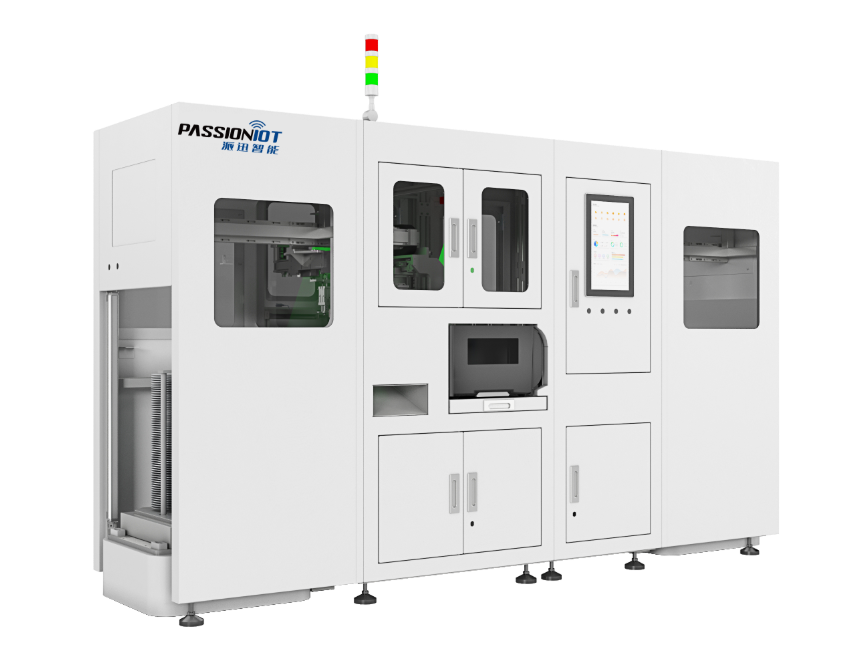
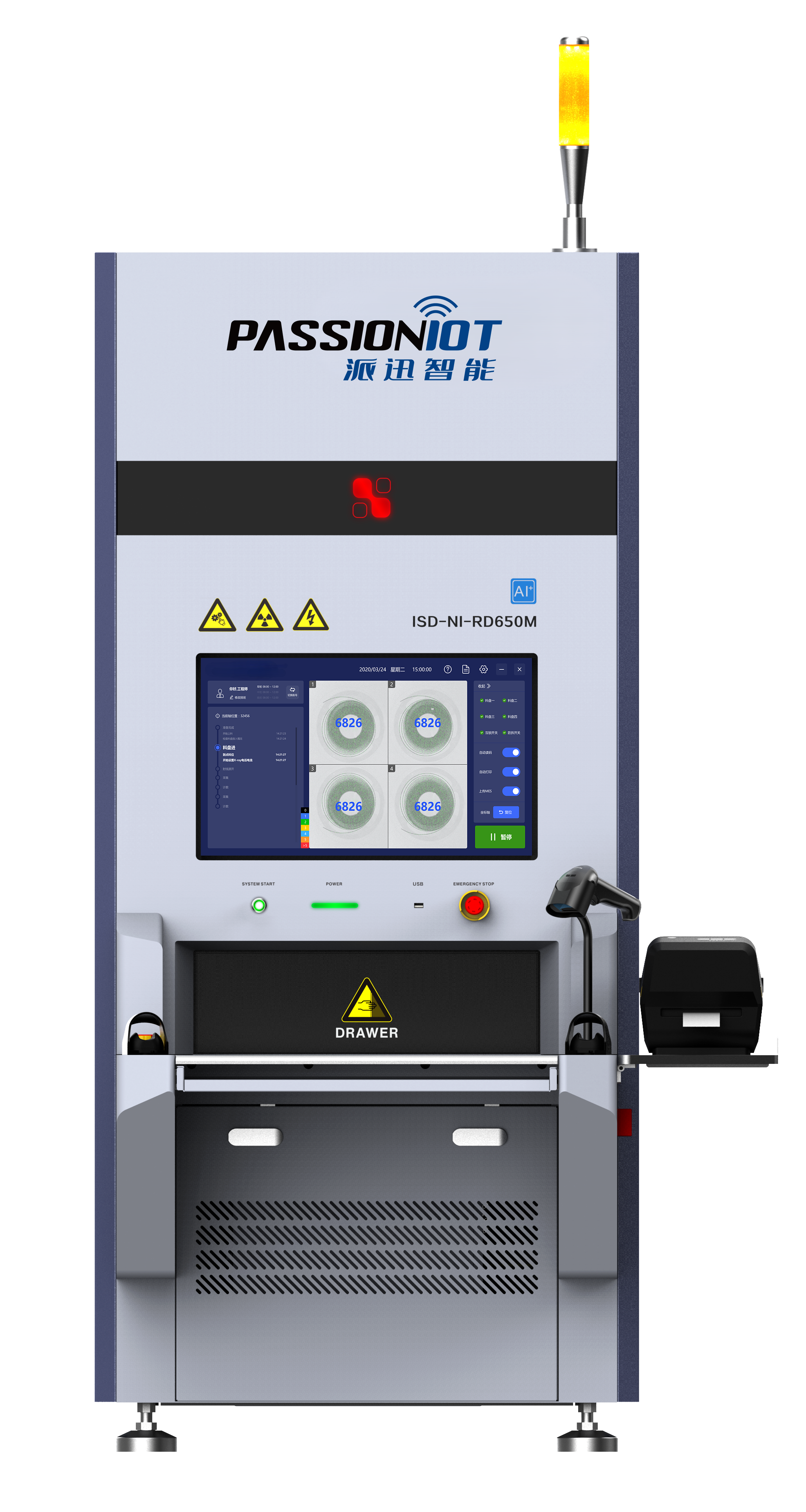
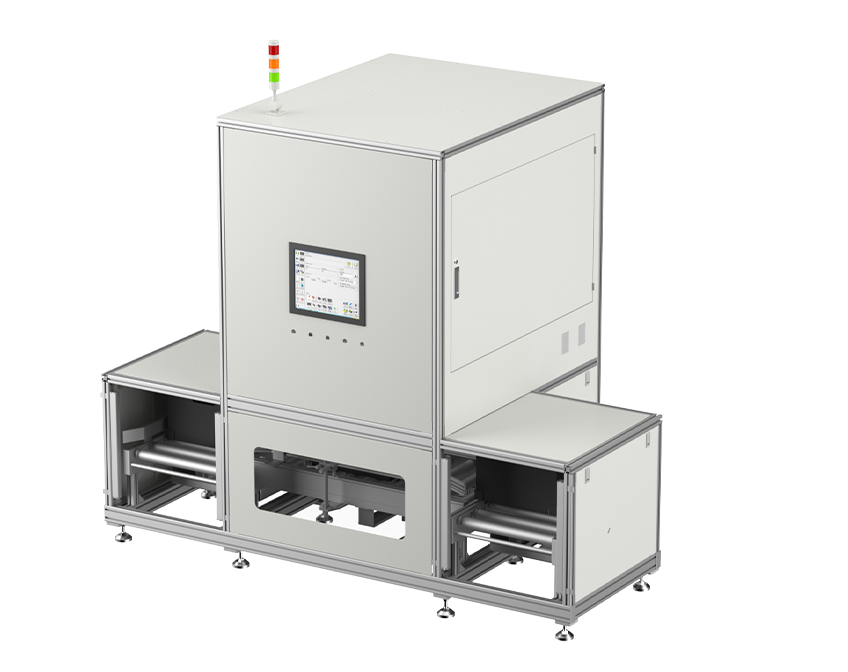
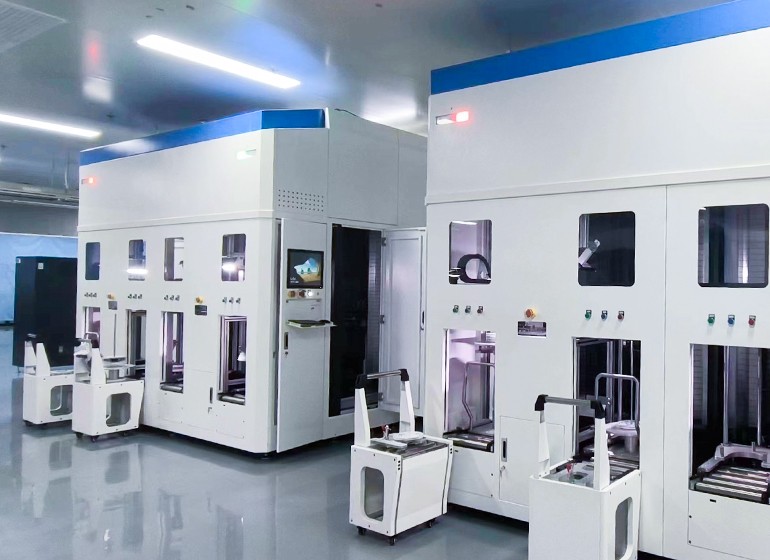
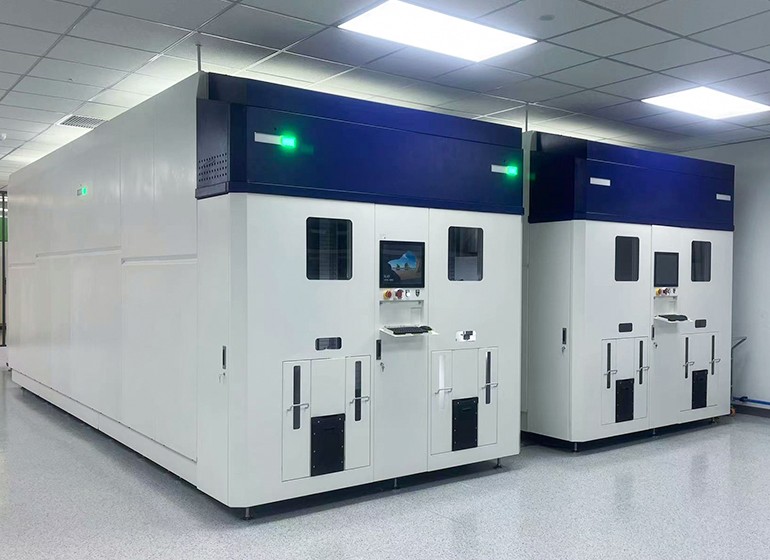
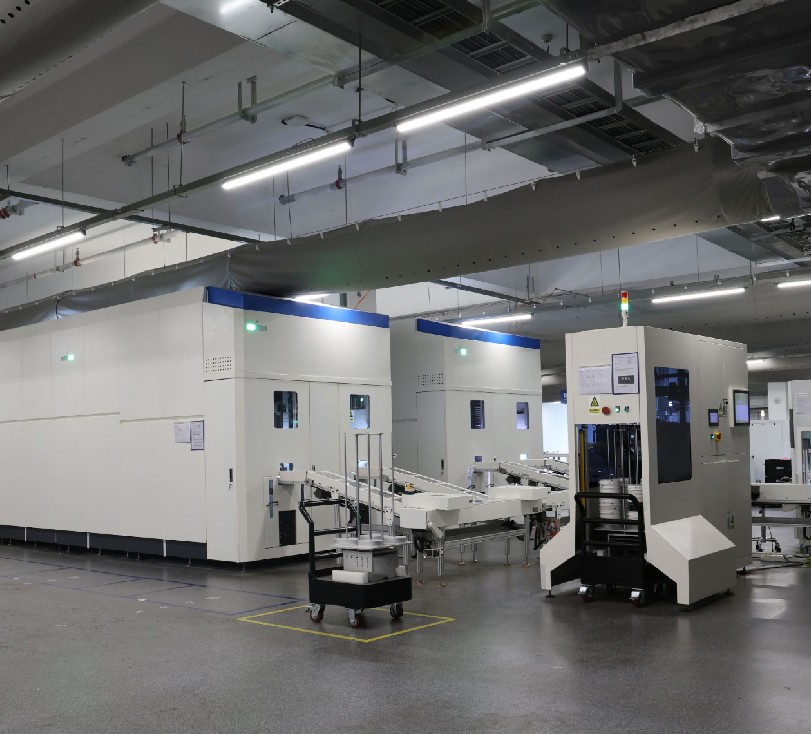
Their approach to the "shape and size" challenge is perfectly embodied in their professional labeling lineup. The PassionIOT Smart Auto Labeling Machine is engineered specifically for the demanding electronics industry, where SMD reels often range from 7 inches to 15 inches in diameter. While traditional machines struggle with the varying thicknesses and diameters of these reels, the PassionIOT system utilizes a sophisticated robotic arm equipped with vision guidance.
This technology allows the labeling machine to recognize original manufacturer labels, extract critical data like MSL (Moisture Sensitivity Level) and Lot numbers, and then apply a new, custom-generated label with an accuracy of ≤±1 mm. By supporting reel thicknesses from 8mm up to 88mm and diameters up to 381mm, PassionIOT ensures that manufacturers don’t need multiple machines for different reel specifications.
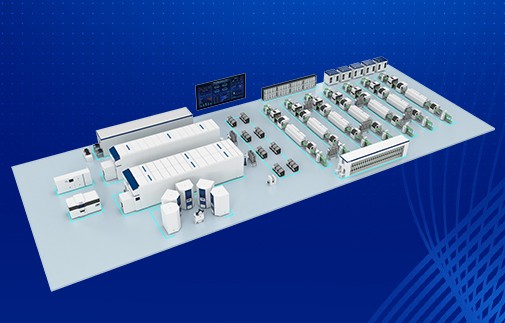
In a B2B environment where efficiency is measured in seconds, PassionIOT’s solutions deliver an impressive throughput of approximately 6 to 8 seconds per reel. Their commitment to "Lighthouse Factory" standards means their equipment is designed for 24/7 reliability and seamless integration with existing ERP and MES systems. By combining mechanical flexibility with AI-driven vision, PassionIOT empowers manufacturers to overcome the hurdles of product diversity, ensuring that every item—no matter its shape or size—is labeled with absolute precision.





 Home
Home