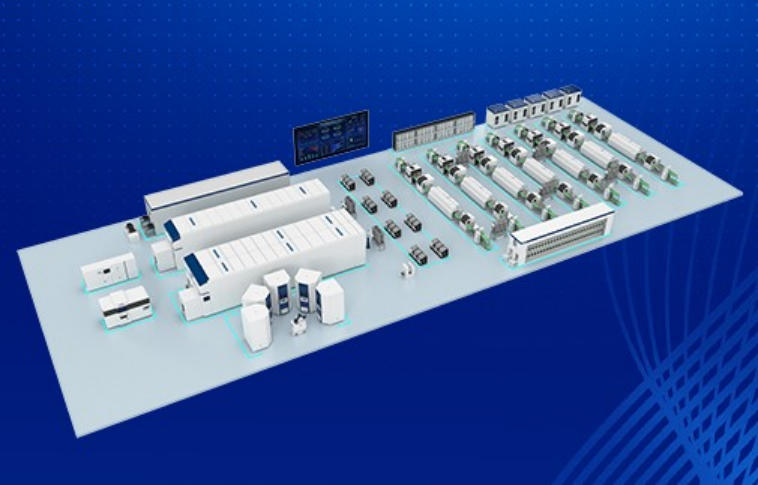
In the high-stakes environment of electronics manufacturing, Surface Mount Technology (SMT) machines are the workhorses of the production floor. These sophisticated systems—comprising high-speed pick-and-place machines, stencil printers, and reflow ovens—operate with tolerances measured in microns. For any electronic equipment manufacturer, the reliability of these machines is directly proportional to the consistency of their output and the health of their bottom line.
However, the sheer speed and complexity of SMT lines make them susceptible to wear, calibration drift, and environmental contamination. Without a rigorous maintenance framework, even the most advanced equipment will eventually suffer from decreased First Pass Yield (FPY) and unexpected downtime. Ensuring long-term reliability requires a shift from "reactive" repairs to a holistic, "proactive" maintenance strategy.
The Pillars of Proactive SMT Maintenance
Maintaining SMT equipment is not merely about oiling gears; it is a multi-layered discipline that involves mechanical calibration, software optimization, and environmental control.
1. Precision Cleaning of Optical and Mechanical Components
The "vision system" of a pick-and-place machine is its most critical asset. Dust, flux fumes, or solder splash can cloud the lenses of the cameras used for component alignment and PCB fiducial recognition. Monthly cleaning of these optical sensors using manufacturer-approved solvents is essential to prevent placement errors. Similarly, the "feeder" mechanisms—which handle thousands of cycles per day—must be kept free of debris. Small bits of carrier tape or adhesive residue can cause feeding jams, leading to component attrition and line stoppages.
2. Lubrication and Vacuum System Integrity
SMT machines rely on high-speed linear guides and ball screws to move placement heads with extreme velocity. Over time, lubricants can dry out or become contaminated with airborne particulates. Using the correct grade of synthetic grease ensures smooth motion and prevents the thermal expansion of mechanical parts.
Equally important is the vacuum system. The nozzles that pick up tiny SMD components rely on precise vacuum pressure. Clogged nozzles or leaking vacuum filters are a primary cause of "dropped components." A weekly audit of vacuum filters and a daily check of nozzle tips for wear or blockage are non-negotiable for maintaining reliability.
3. Thermal Profile Calibration for Reflow Ovens
The reflow oven is often overlooked in maintenance schedules because it has fewer moving parts. However, its reliability is measured by thermal consistency. Over time, heating elements can degrade, and "char" build-up from flux vapors can insulate the internal sensors. Monthly profiling using a thermal tracker ensures that the oven’s actual temperature matches its digital setpoints, preventing cold solder joints or component overheating.
Moving Toward Smart Warehousing and Integrated Maintenance
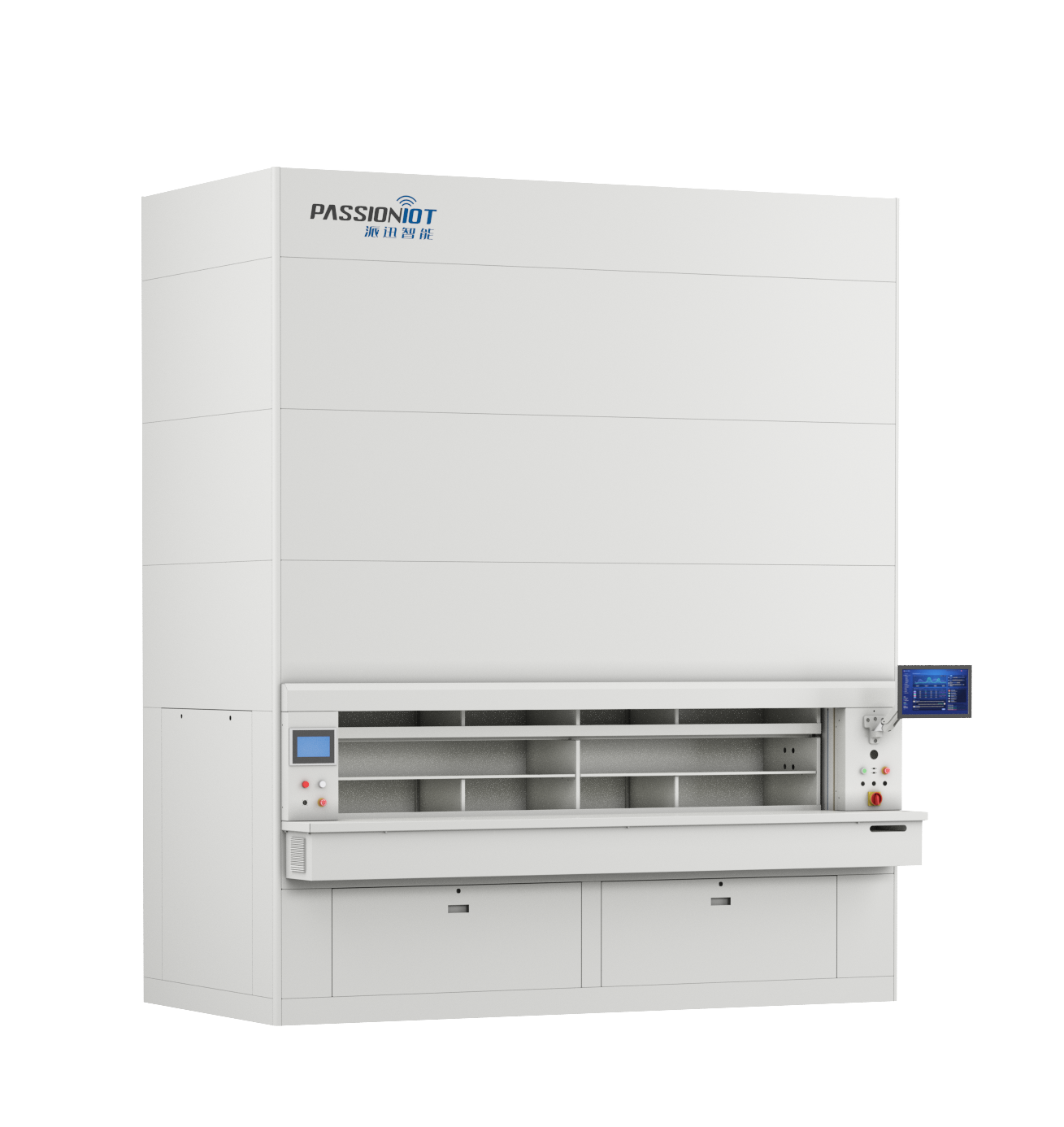
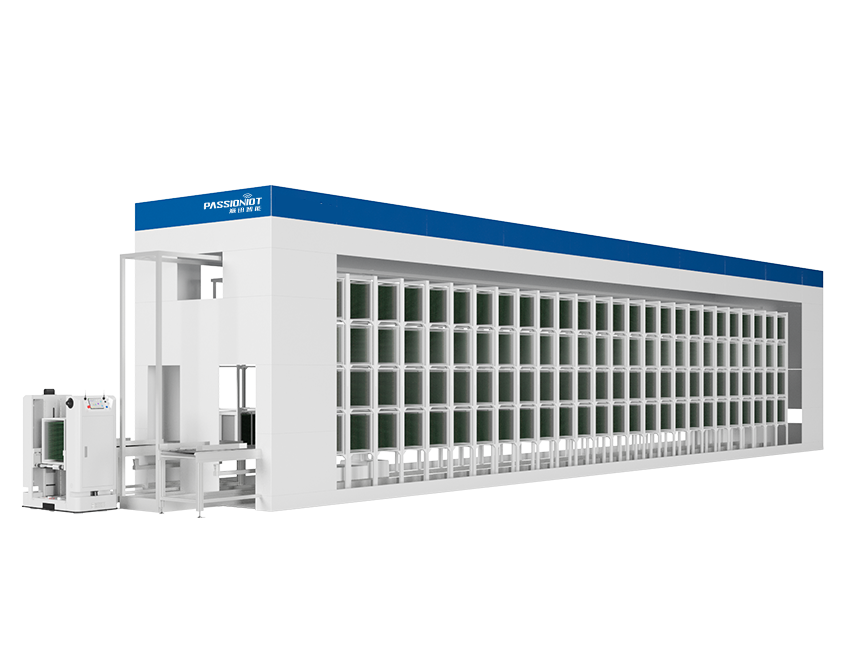
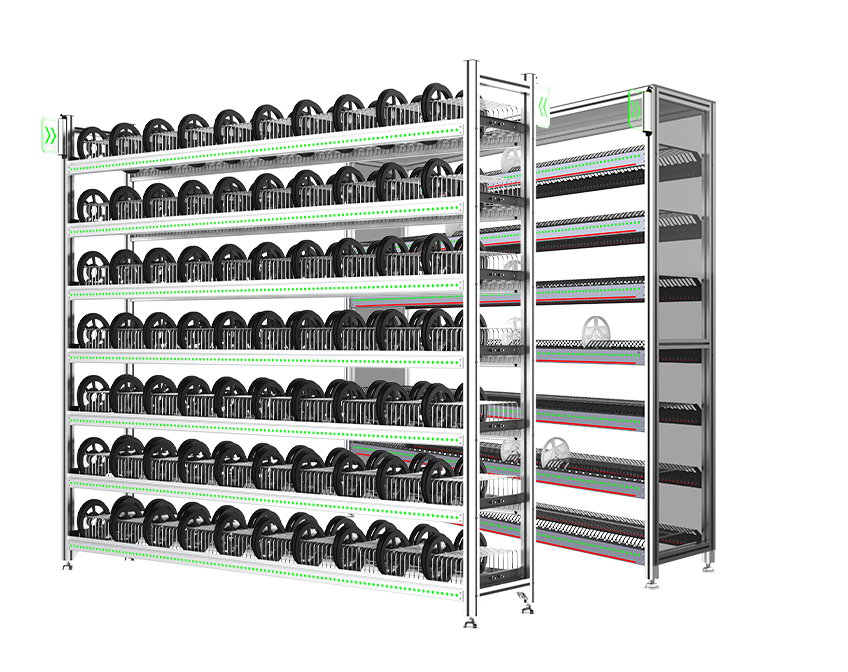
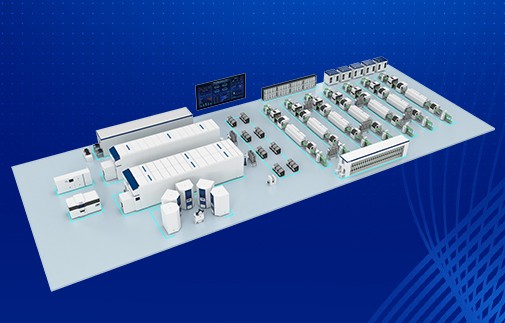
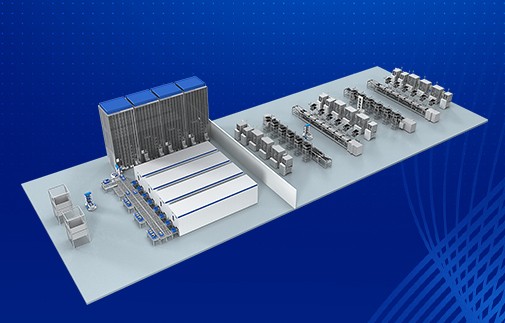
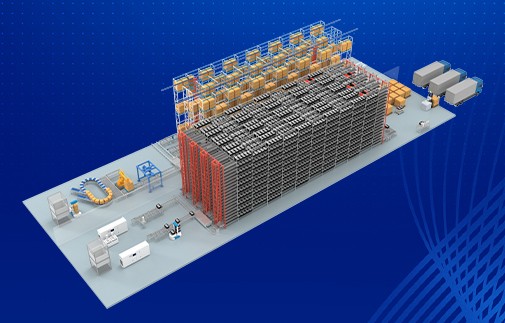
In the era of Industry 4.0, maintenance is no longer a localized task performed in isolation. The most successful facilities are integrating their maintenance schedules with smart warehousing systems. By connecting the SMT line to a centralized data hub, manufacturers can track the "life cycle" of every consumable part—from nozzle tips to feeder modules.
When a warehouse is "smart," it doesn't just store parts; it anticipates needs. If a pick-and-place machine reports an increase in component "mis-picks," the integrated system can automatically trigger a maintenance alert and verify that the necessary replacement parts are in stock. This synergy between the production floor and the storage facility ensures that maintenance is performed based on actual machine wear data rather than arbitrary calendar dates.
Bridging the Gap with PassionIOT
As the industry evolves, the role of a traditional electronic equipment manufacturer has expanded into providing comprehensive automation solutions. PassionIOT stands at the center of this transformation, offering a suite of intelligent products designed to optimize the entire lifecycle of electronics production.
Based in the heart of China's high-tech manufacturing corridors, PassionIOT focuses on the intersection of hardware precision and software intelligence. Their philosophy is built on the idea that a machine is only as reliable as the environment in which it operates. By automating the flow of materials and the tracking of assets, they provide the infrastructure necessary for world-class maintenance and reliability.
Engineering Reliability with PassionIOT Solutions
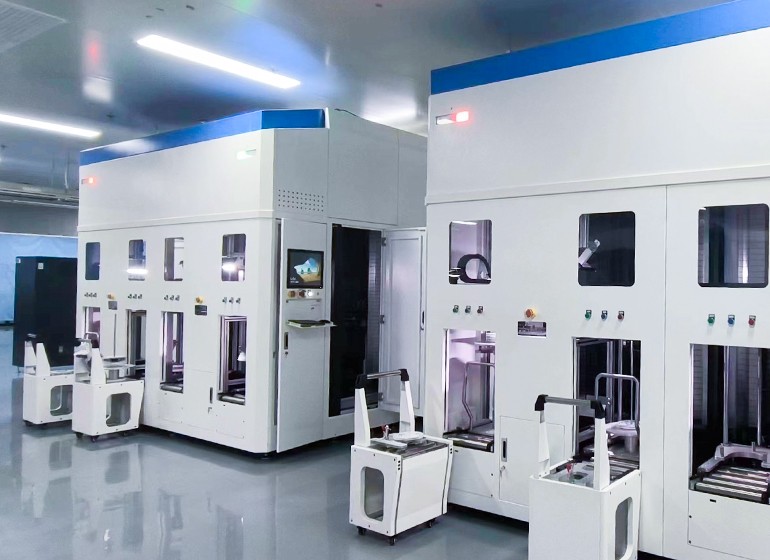
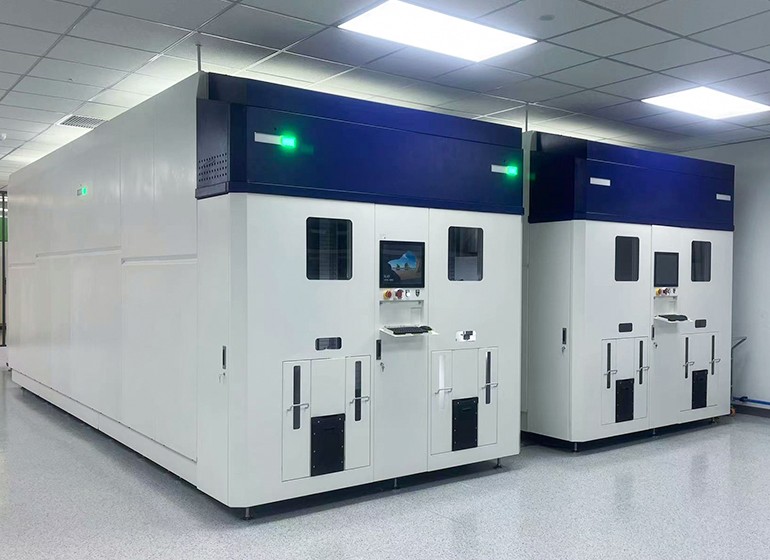
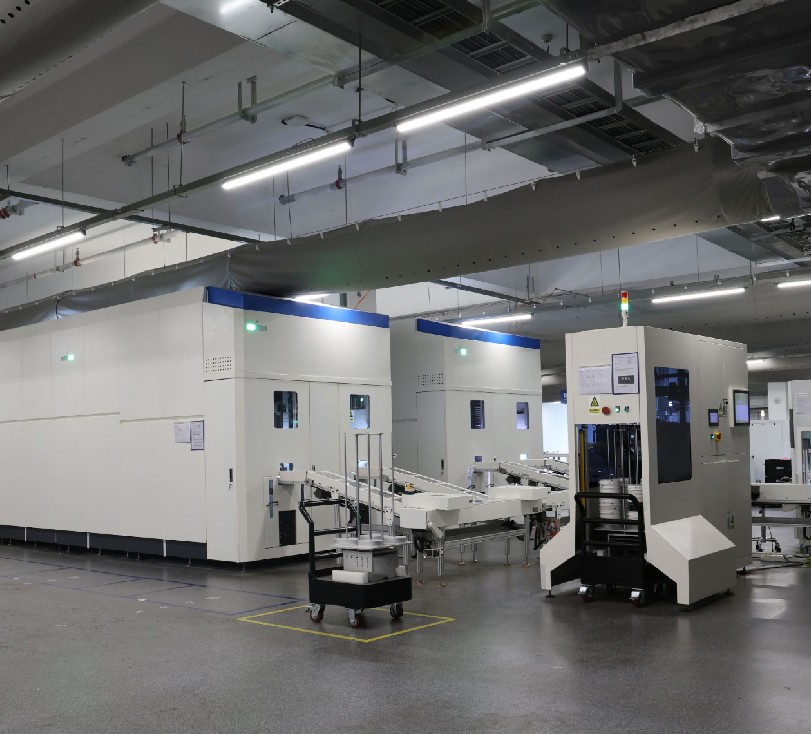
While SMT machines handle the assembly, PassionIOT provides the critical support systems that ensure these machines remain in peak condition. Their product catalog features advanced hardware designed to reduce human error and environmental variables—two of the biggest threats to machine longevity.
Technical Integration and Equipment Support from PassionIOT:
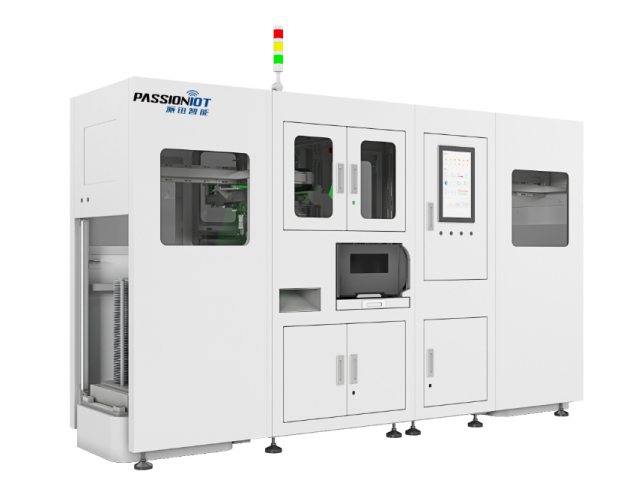
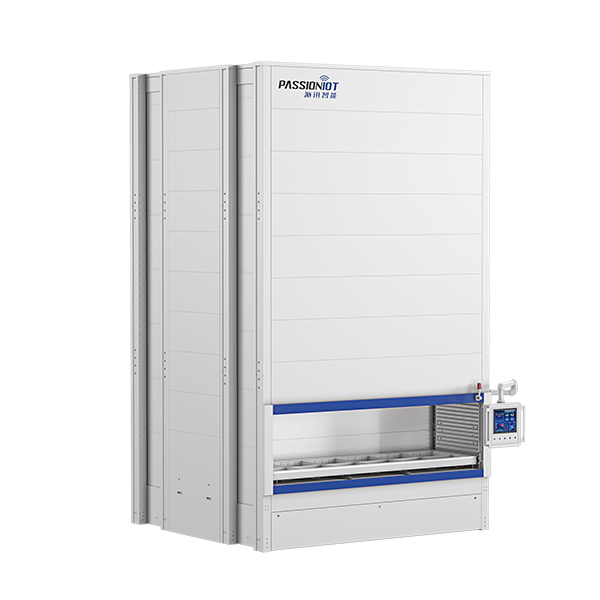
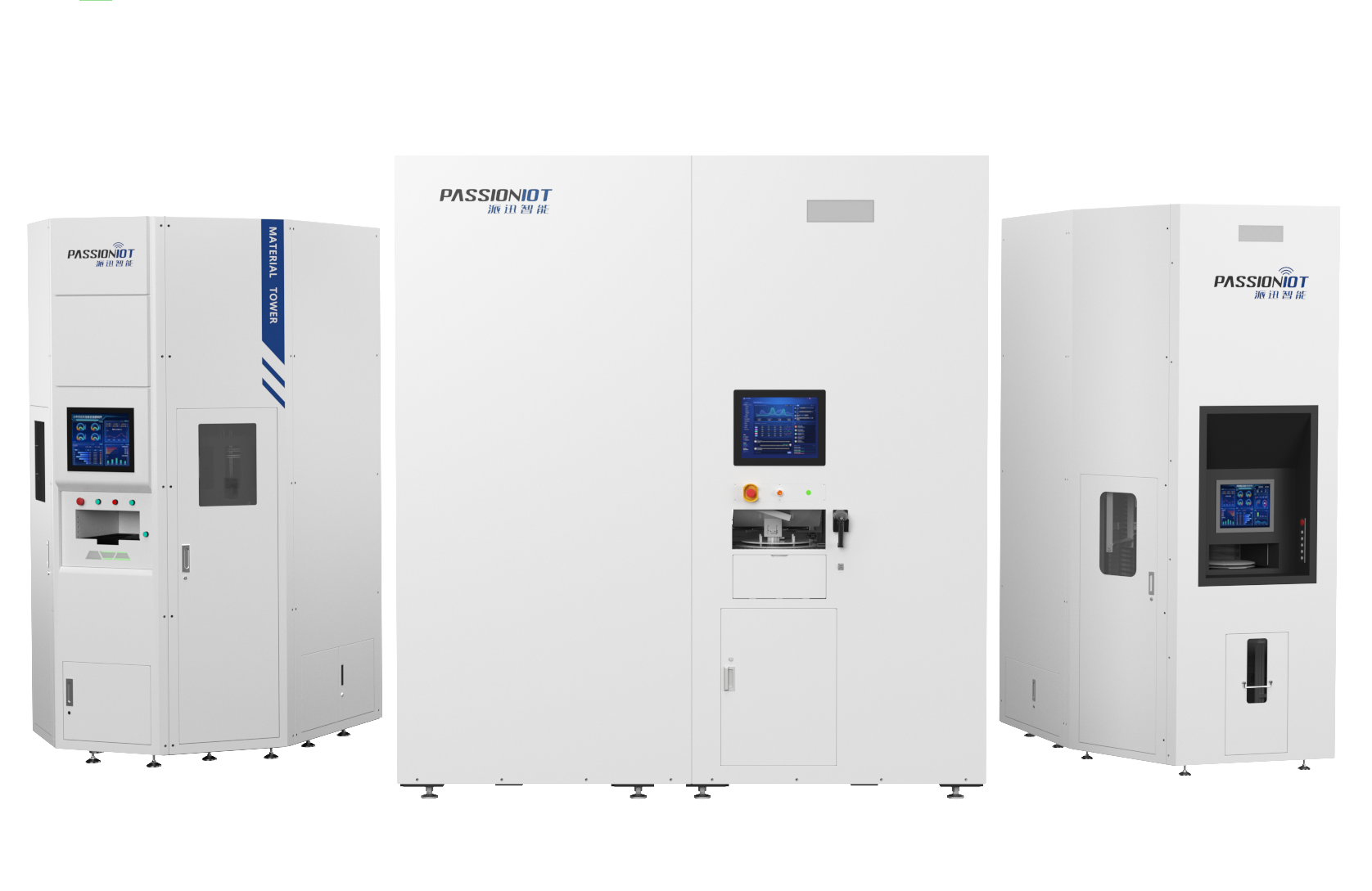
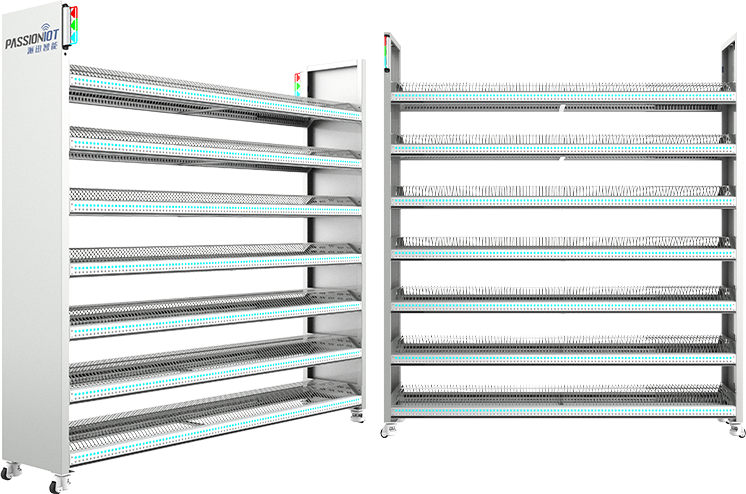
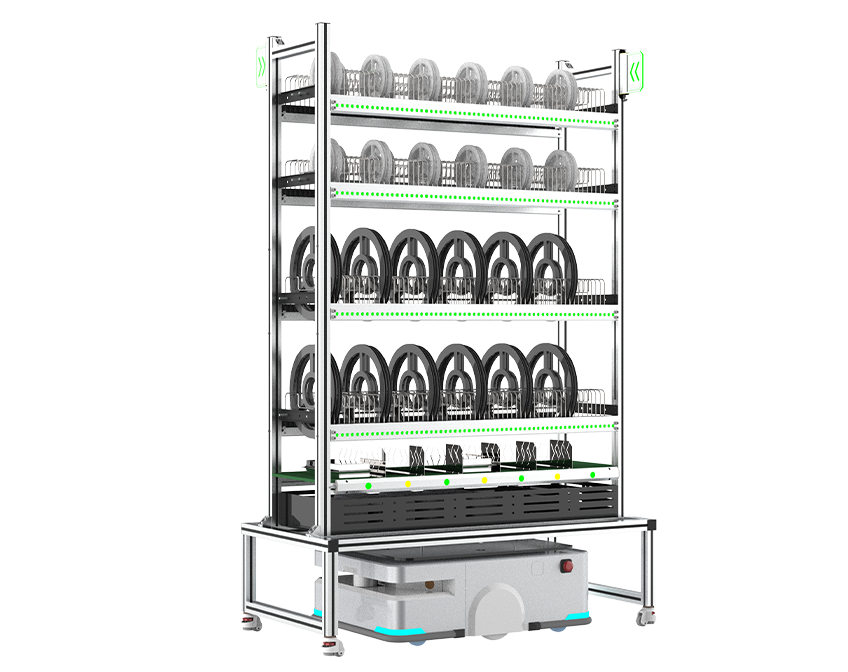
l Intelligent Material Management: Through smart warehousing solutions, PassionIOT ensures that all sensitive components and spare parts are stored in optimal conditions. This prevents "dirty" or oxidized materials from entering the SMT machines, which reduces the frequency of nozzle clogs and vision system errors.
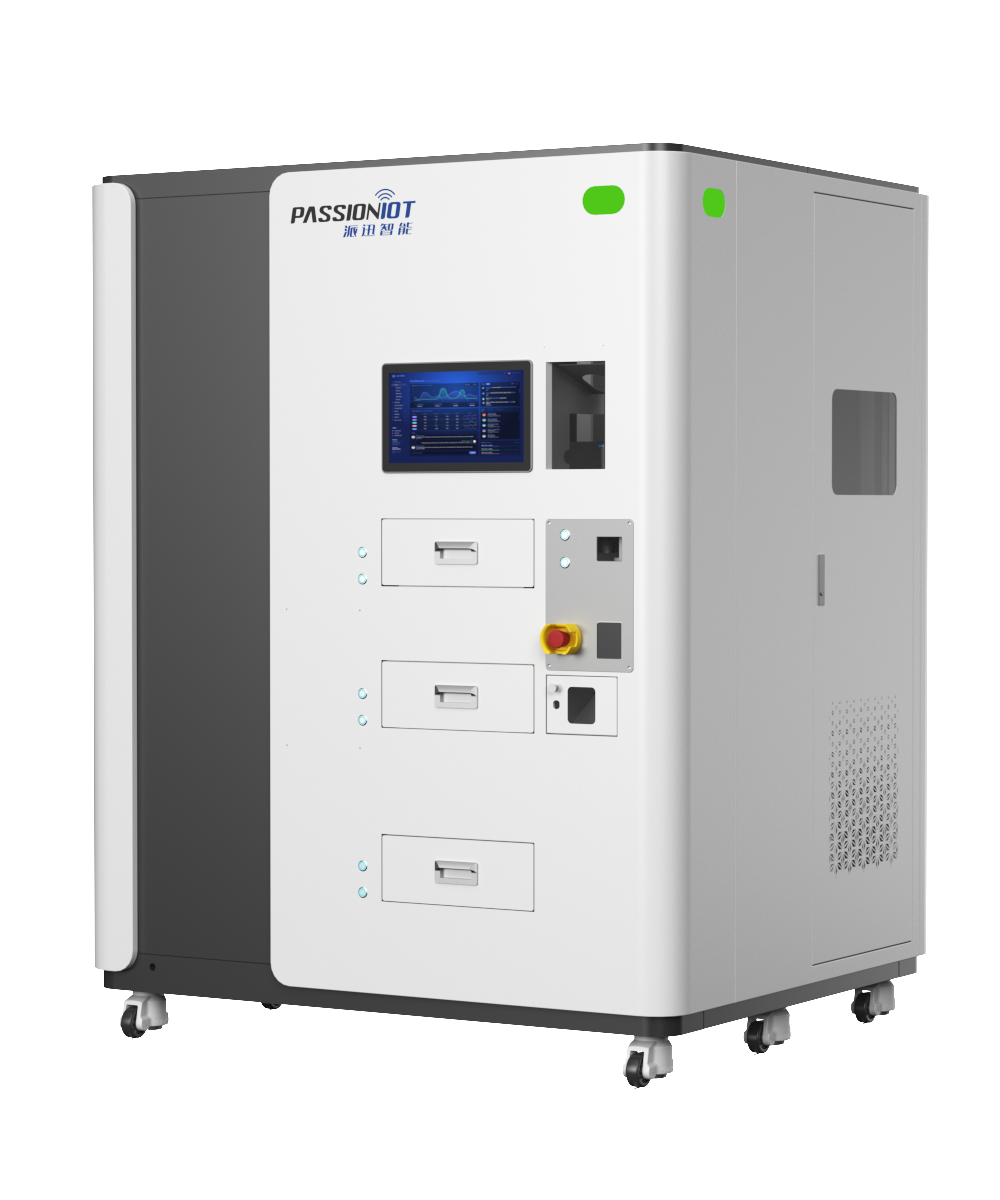
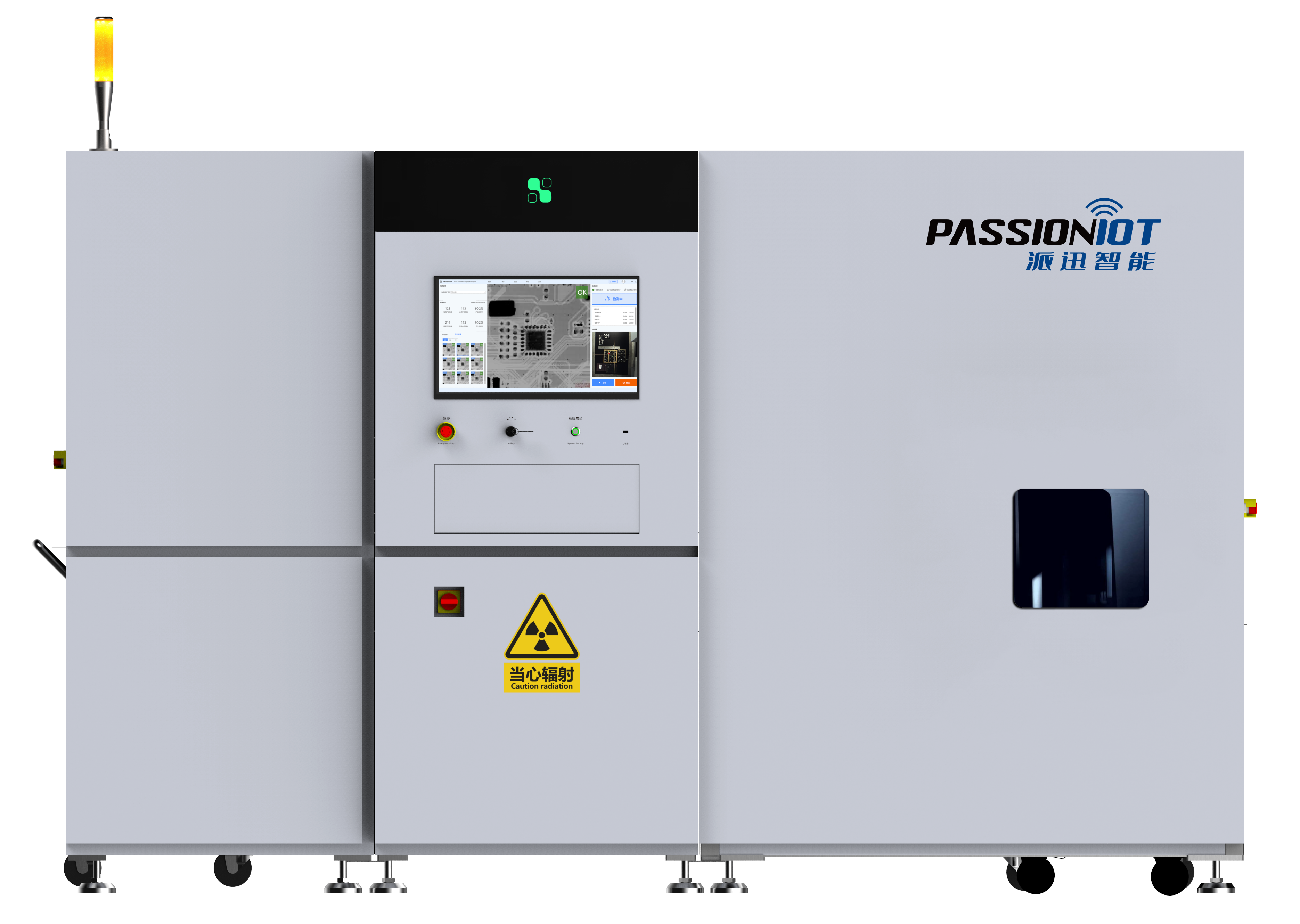
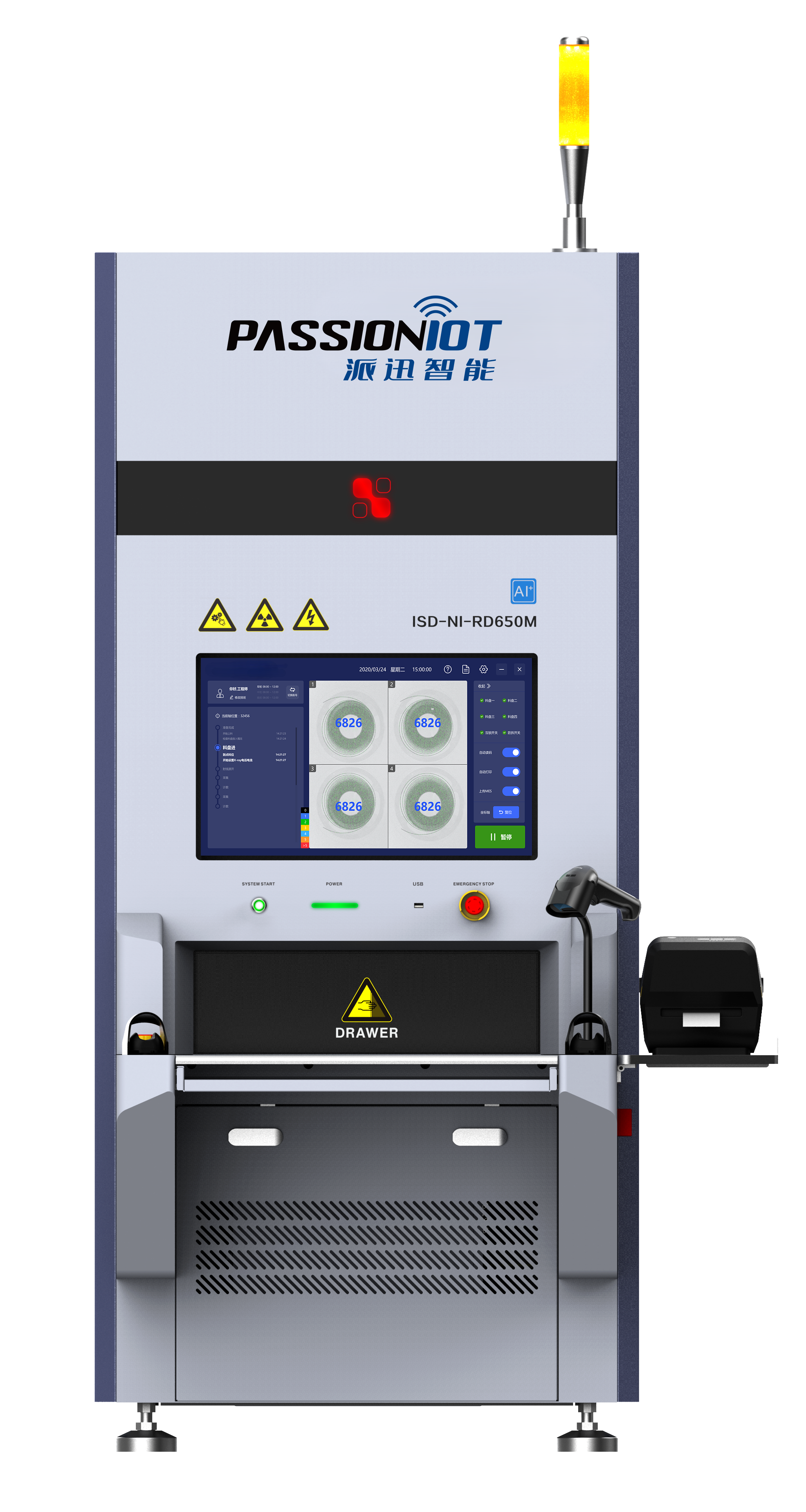
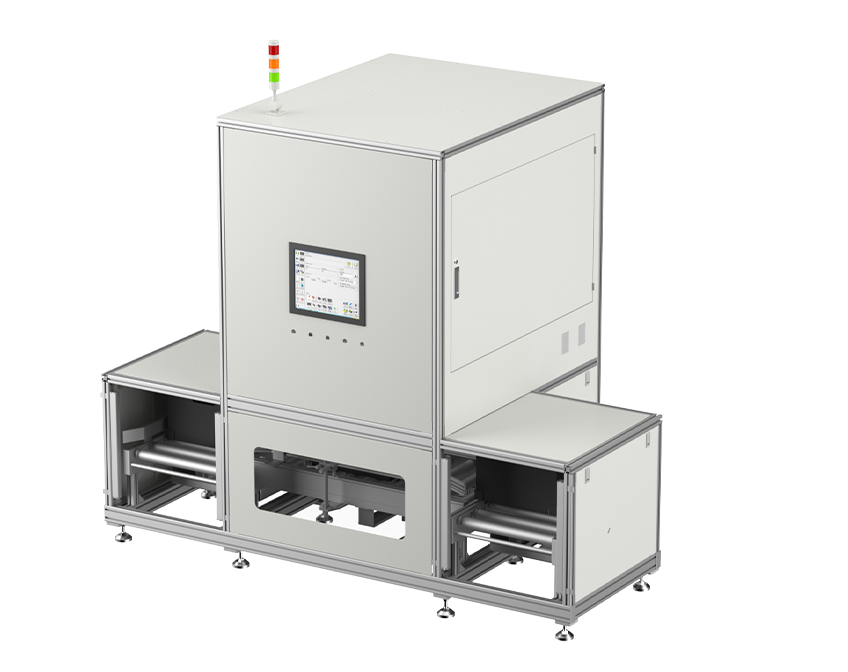
l Automated Traceability: PassionIOT systems utilize high-resolution scanning and AI-driven software to track the usage of every reel and feeder. This data allows maintenance teams to perform "predictive maintenance," replacing parts exactly when they reach their wear limit but before they fail.
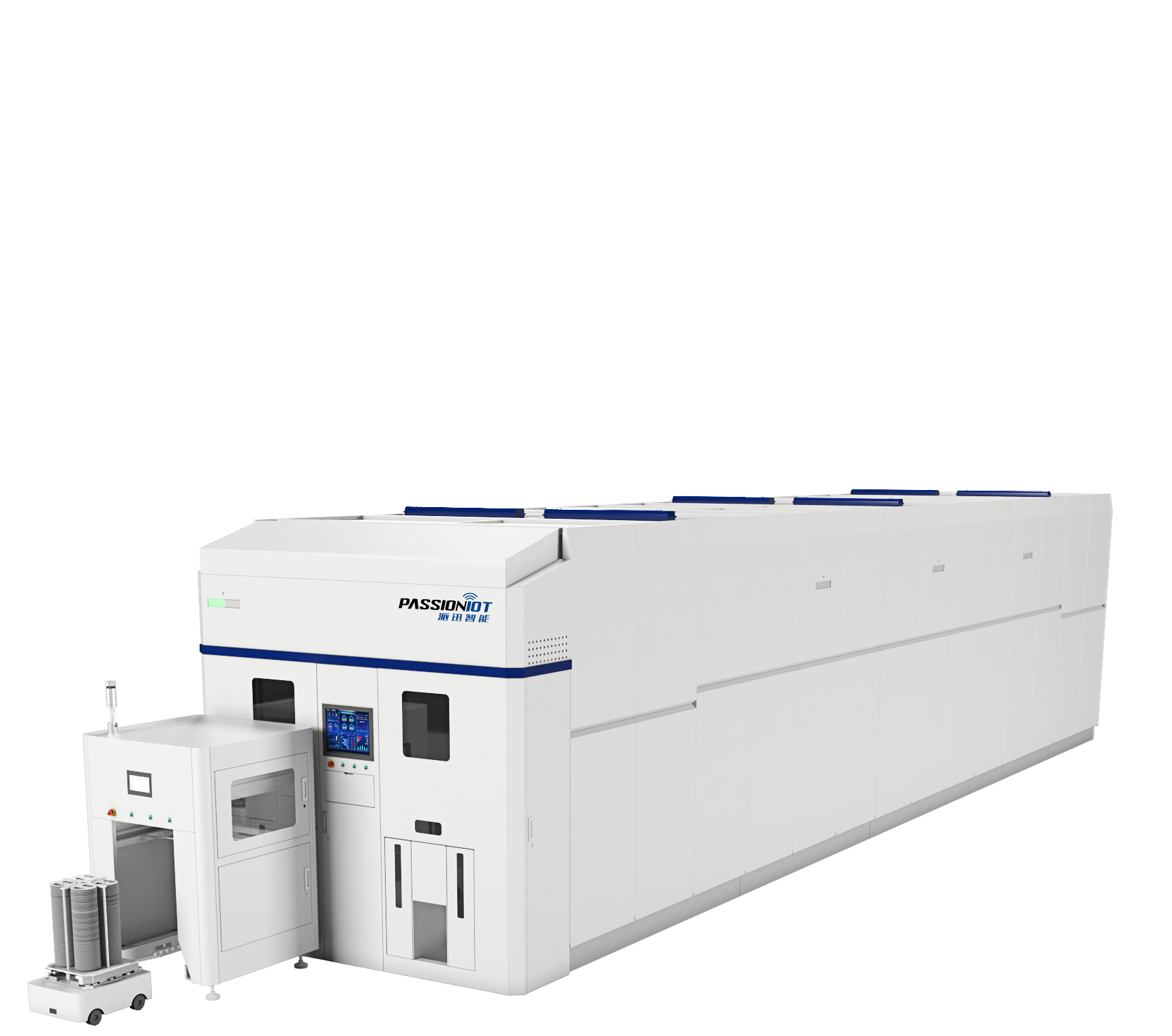
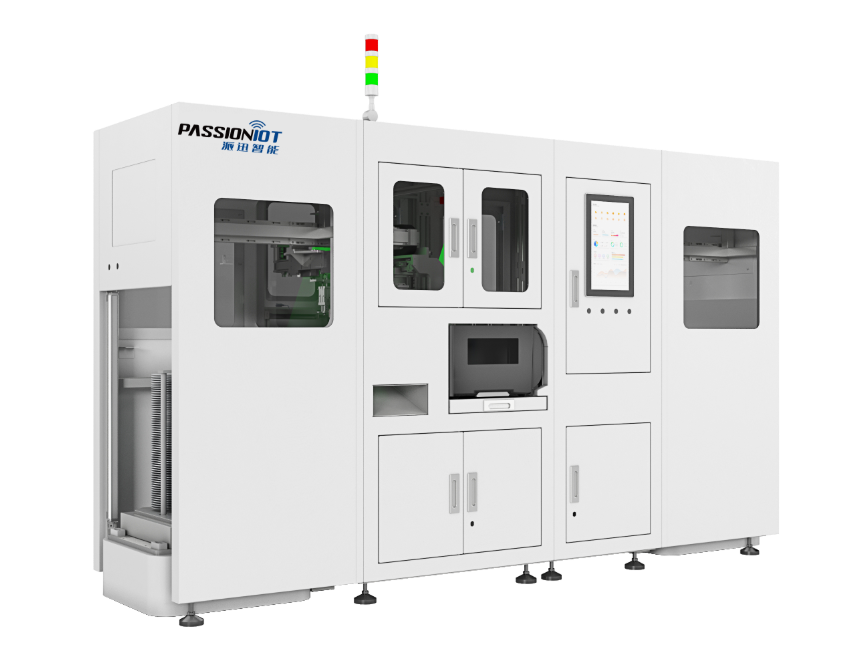
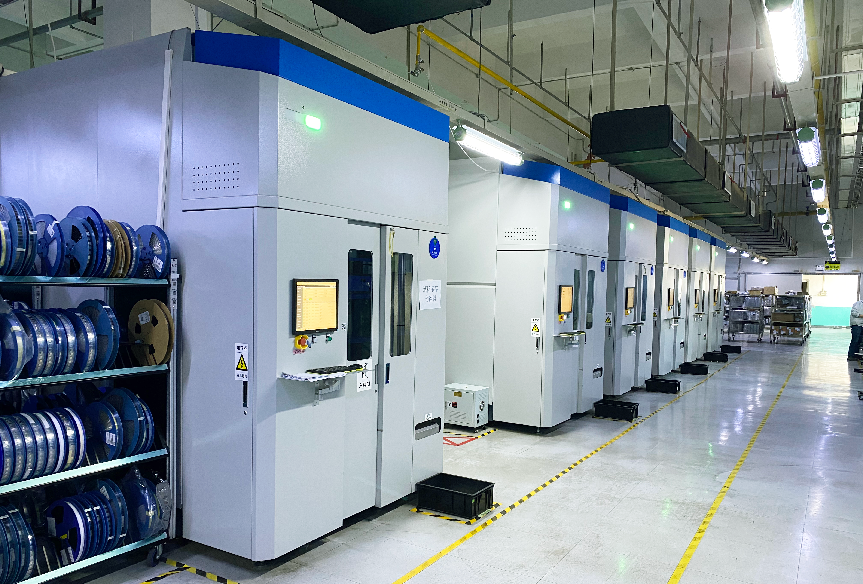
l High-Speed Data Processing: With industrial-grade controllers and robust mechanical builds—often featuring reinforced steel frames and high-precision sensors—PassionIOT equipment is built for the same 24/7 duty cycles as the SMT machines they support.
Conclusion
The longevity of SMT equipment is not a matter of luck; it is a result of disciplined maintenance and the adoption of intelligent support systems. By focusing on precision cleaning, regular lubrication, and thermal calibration, an electronic equipment manufacturer can significantly extend the life of their assets. Furthermore, by embracing smart warehousing, facilities can ensure that maintenance is data-driven and that the supply chain is always ready to support the production line. PassionIOT continues to lead this charge, providing the specialized tools and automated systems that allow modern factories to achieve unprecedented levels of reliability and efficiency.





 Home
Home