
2026-06-30

What Is Lean Warehousing and How It Applies to SMT Factories

Understanding Lean Warehousing

Lean warehousing focuses on reducing waste in warehouse operations. Waste can include unnecessary walking, repeated handling, long searching time, excess inventory, unclear storage, and avoidable errors. In SMT factories, lean warehousing is especially useful because material movement is frequent and production schedules are often time-sensitive.


Common Waste in SMT Warehouses

SMT warehouses may face several types of waste. Operators may spend time looking for reels or stencils. Materials may be stored in different places without clear records. Inventory checks may require repeated manual counting. Returned materials may not be updated quickly. These problems do not always look serious at first, but they can slow down production preparation.


How Smart Warehousing Supports Lean Goals

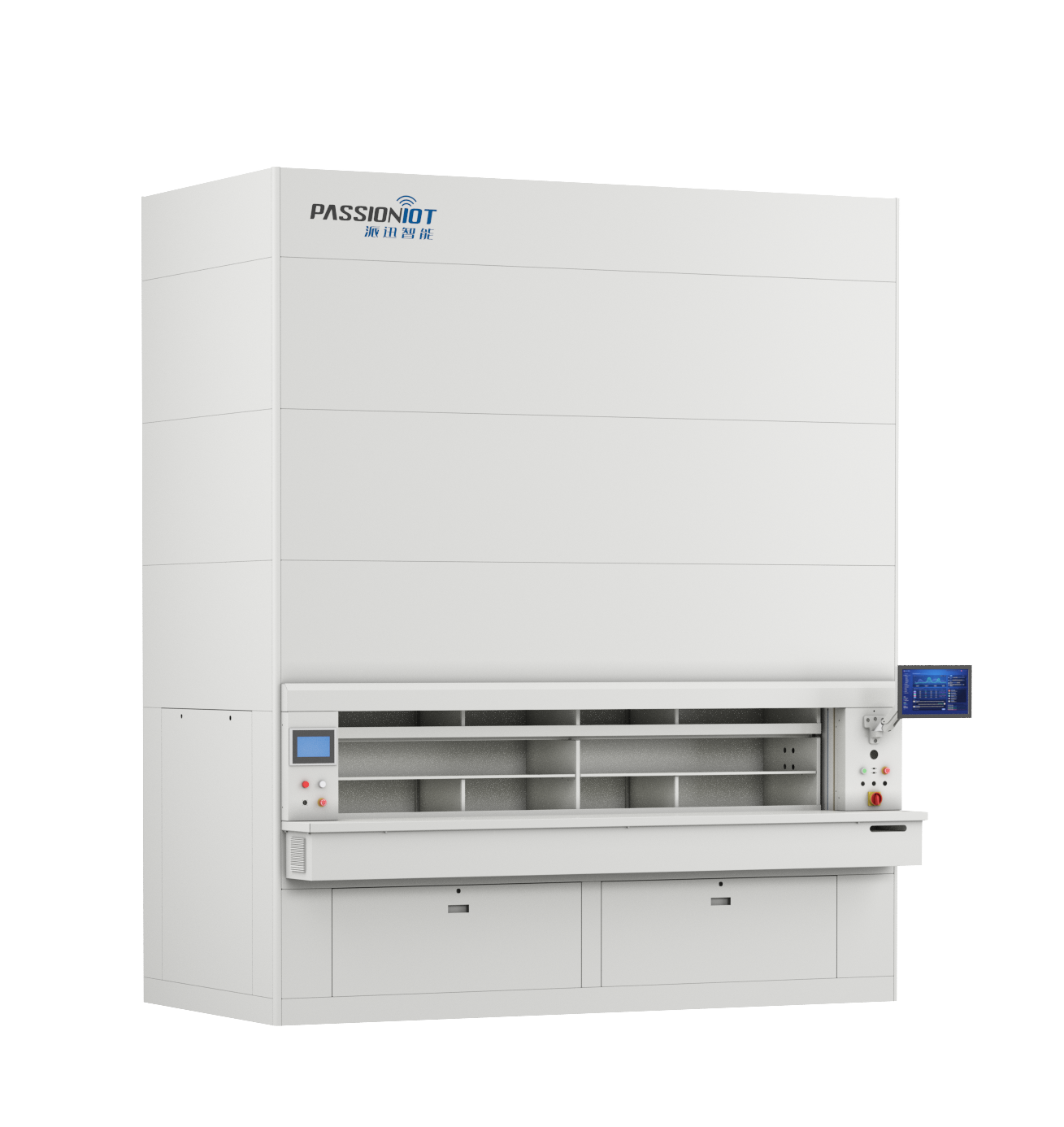
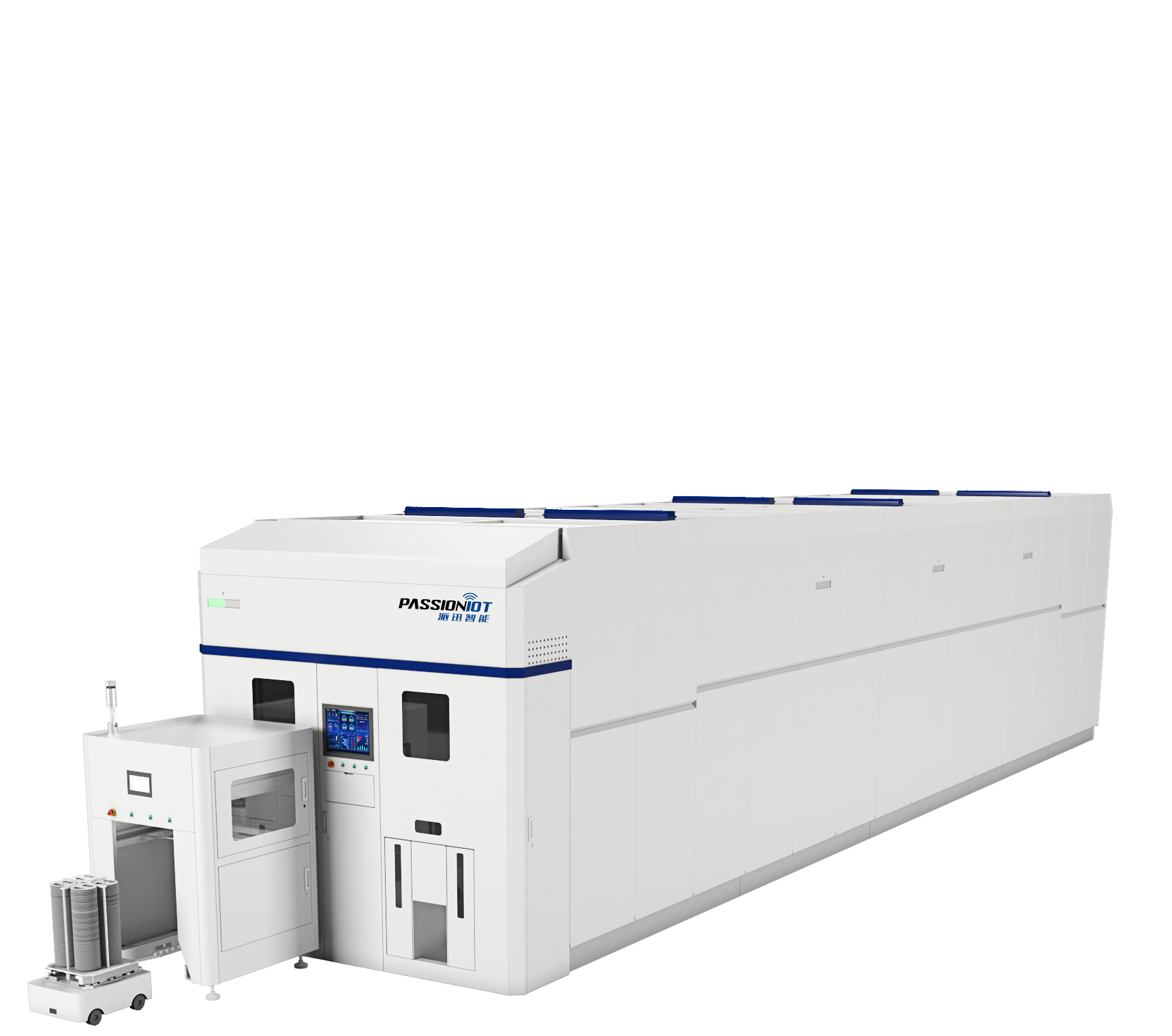
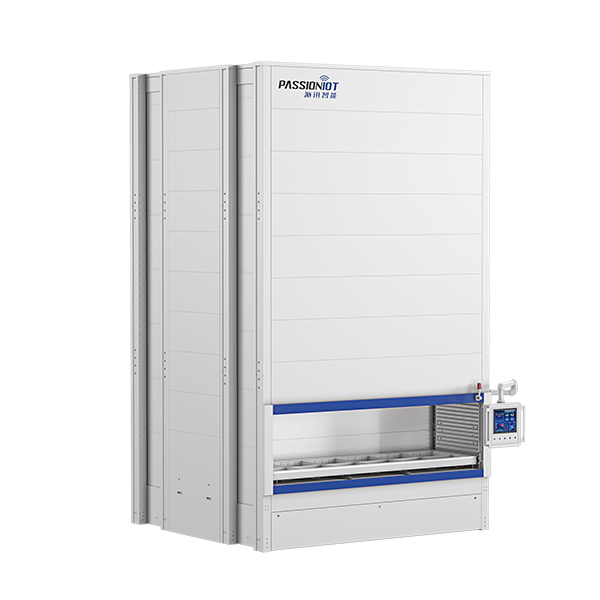
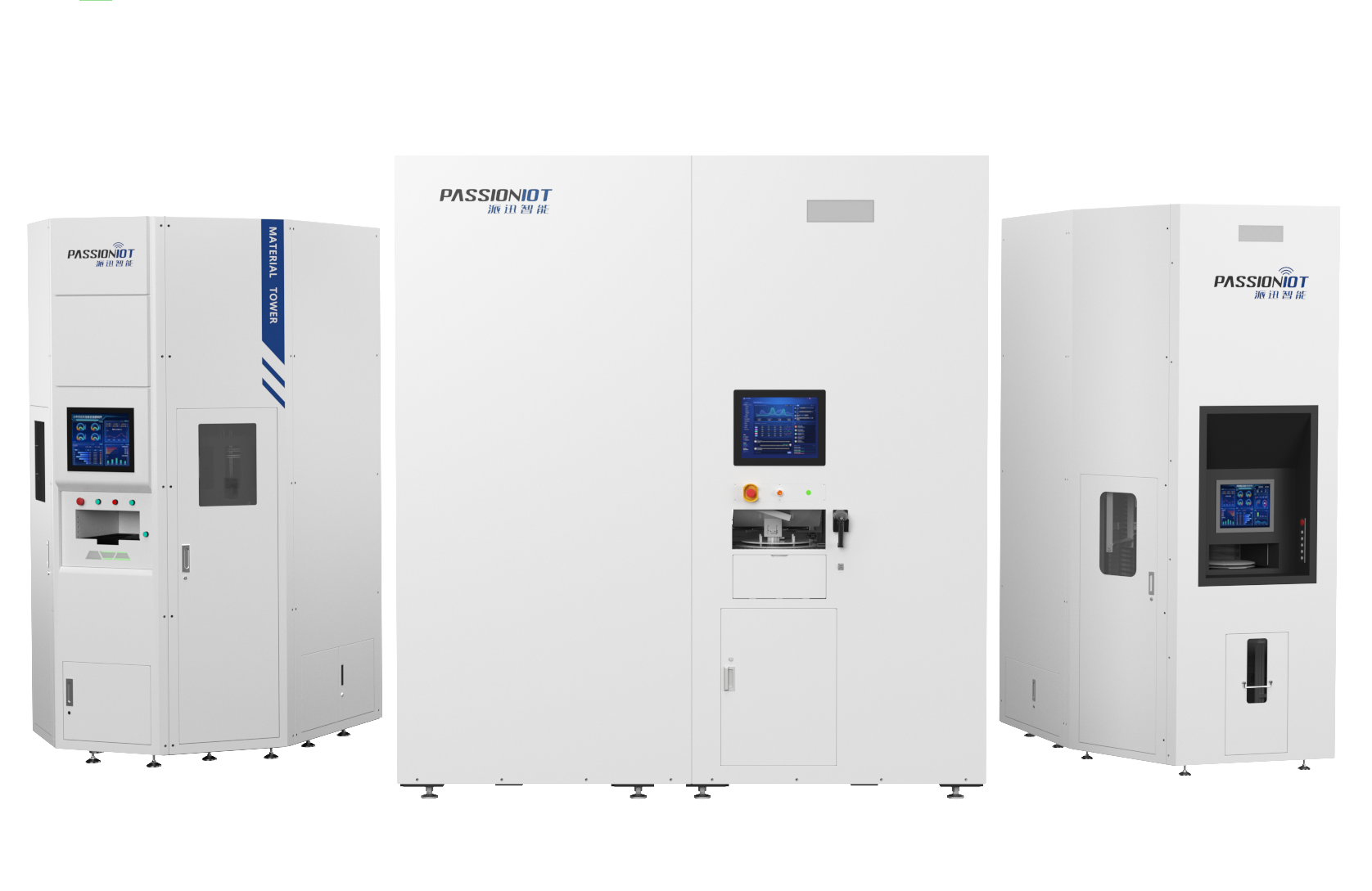
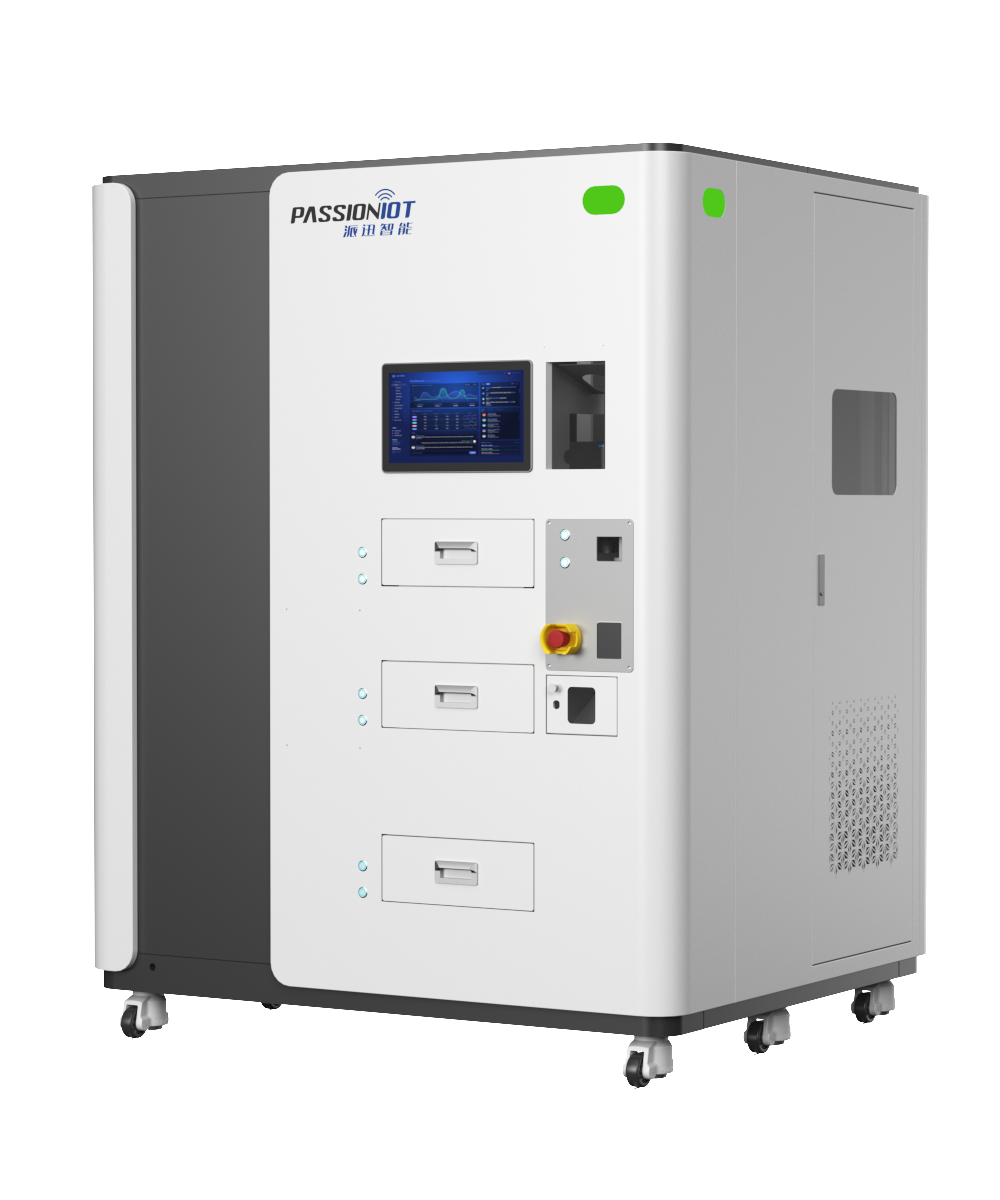
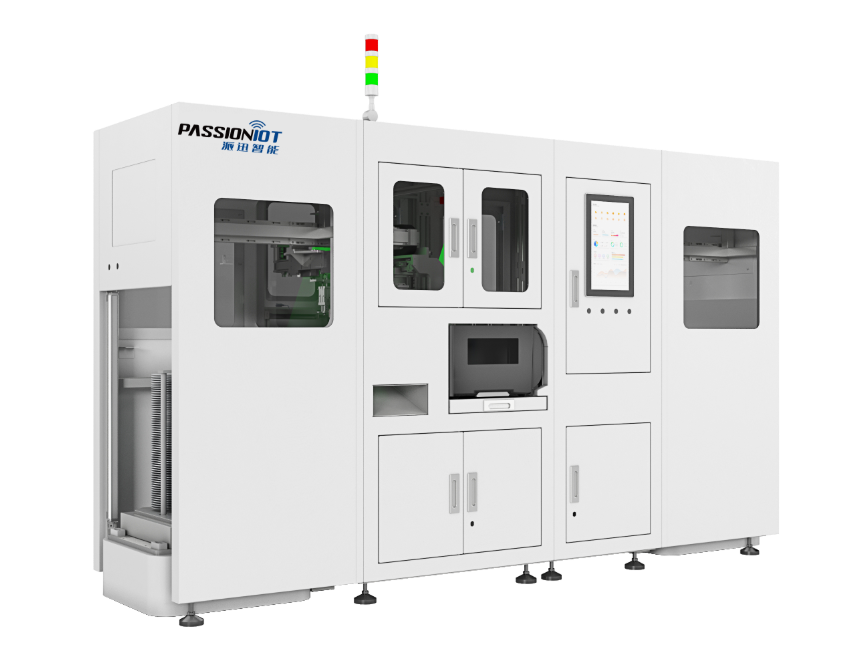
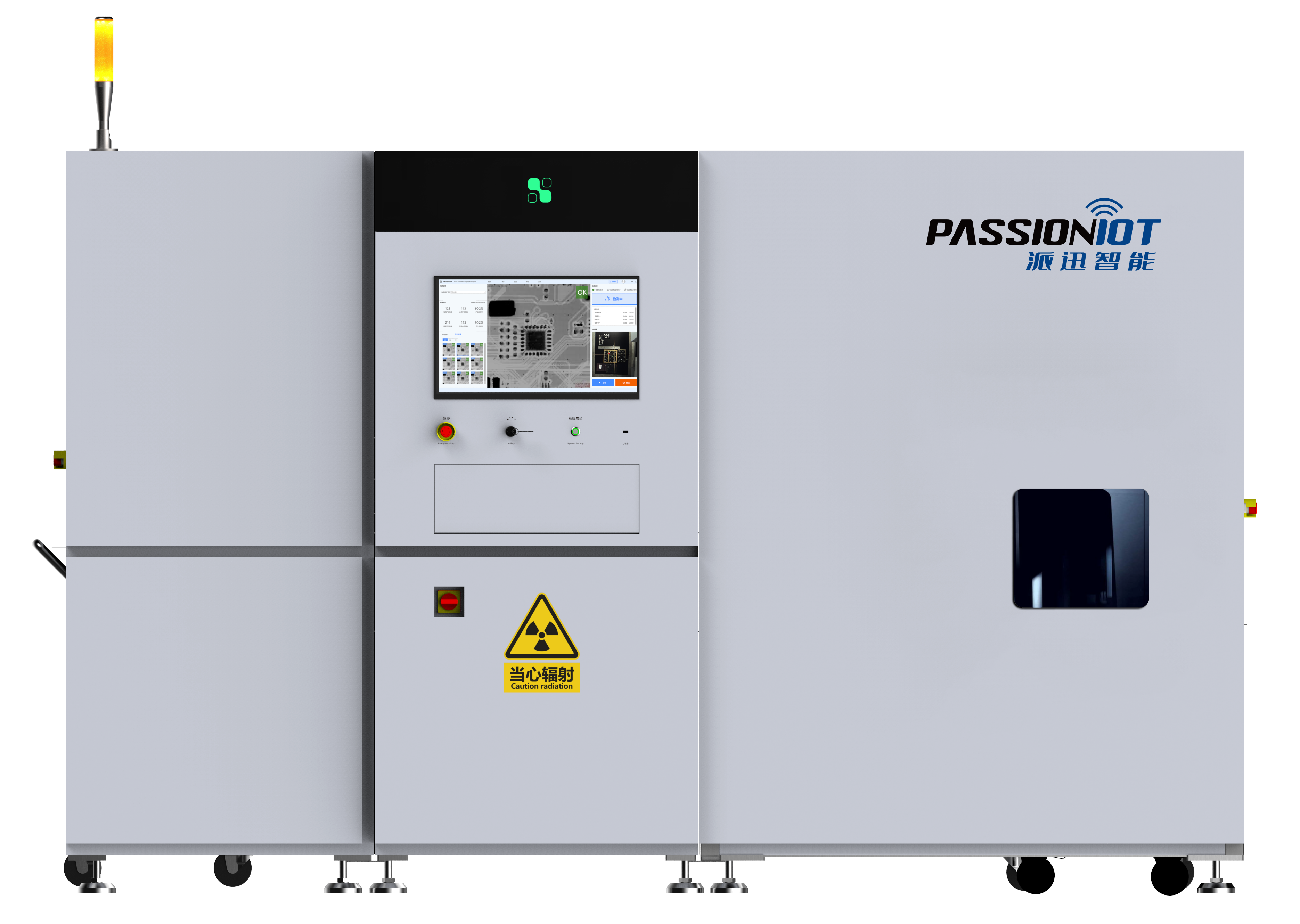
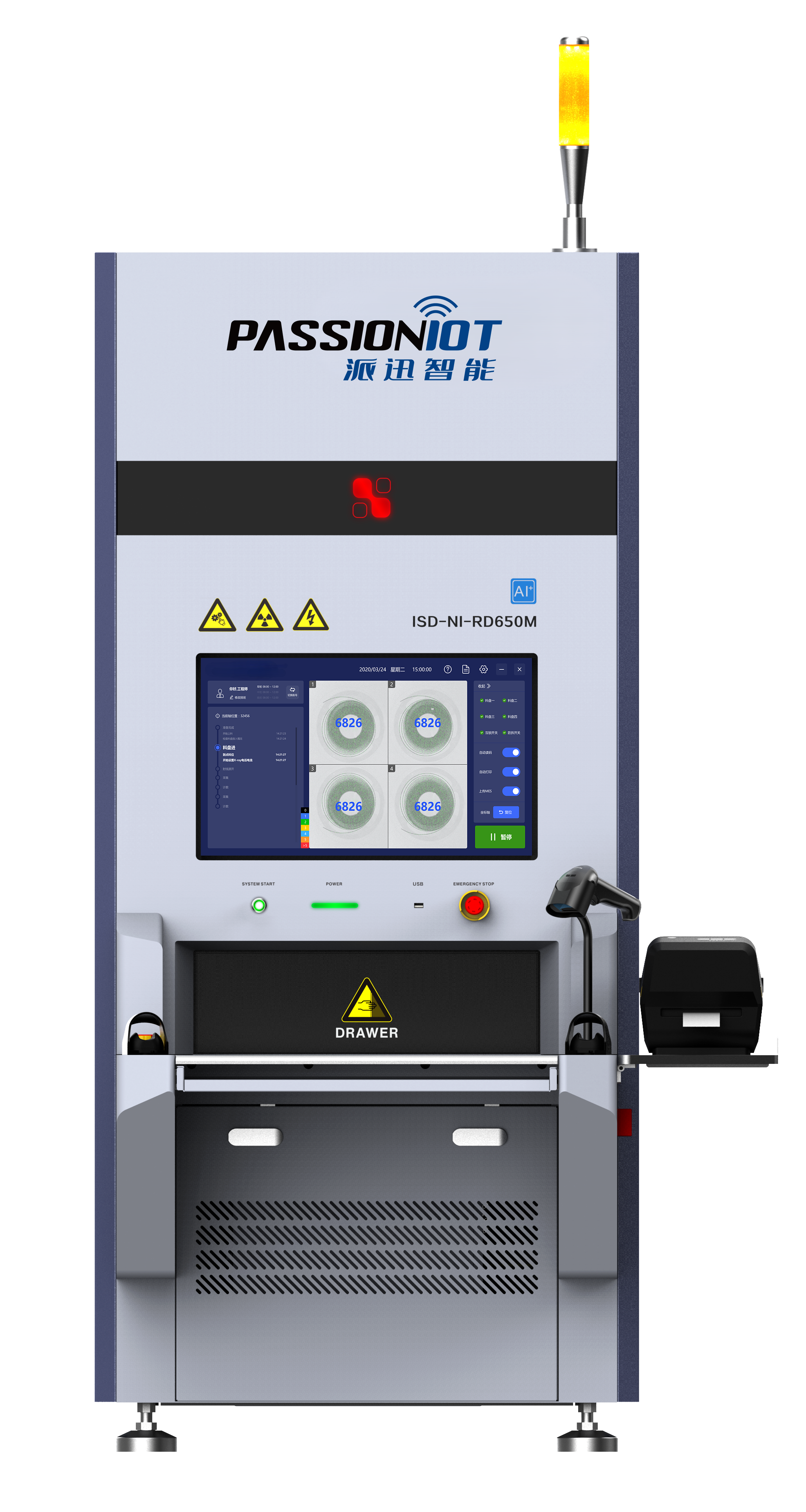
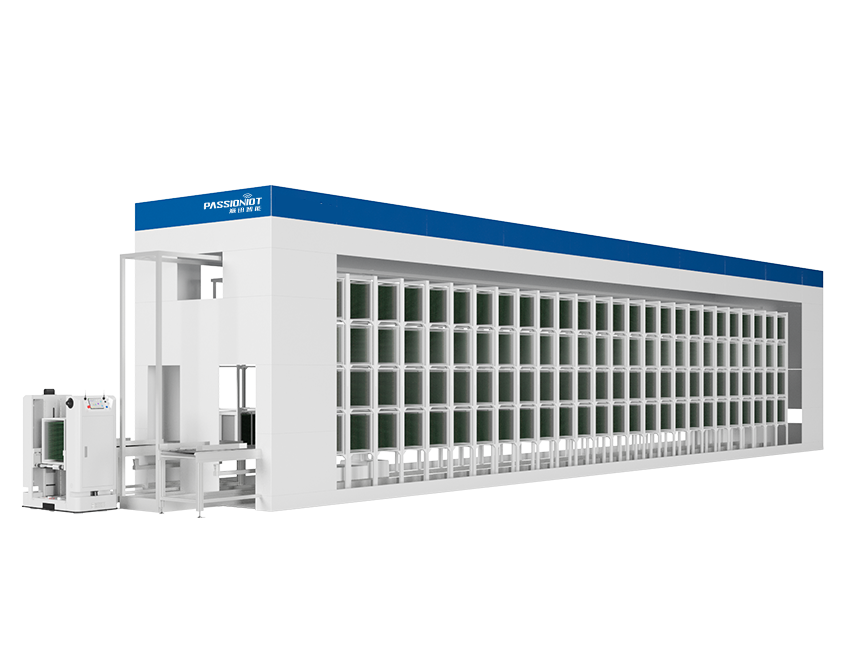
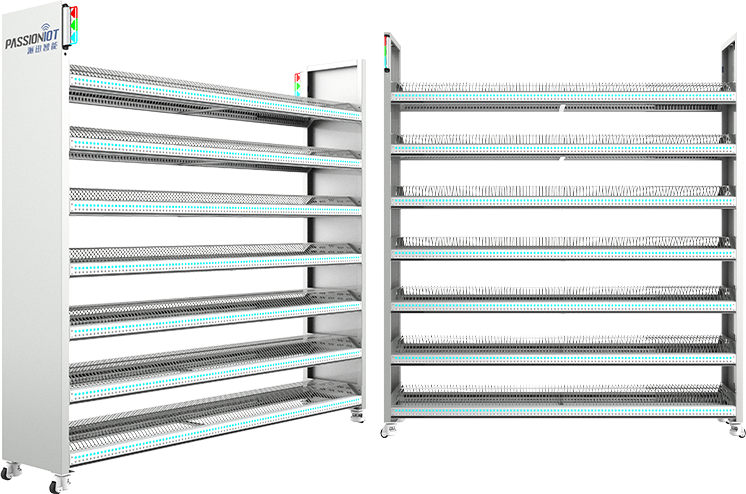
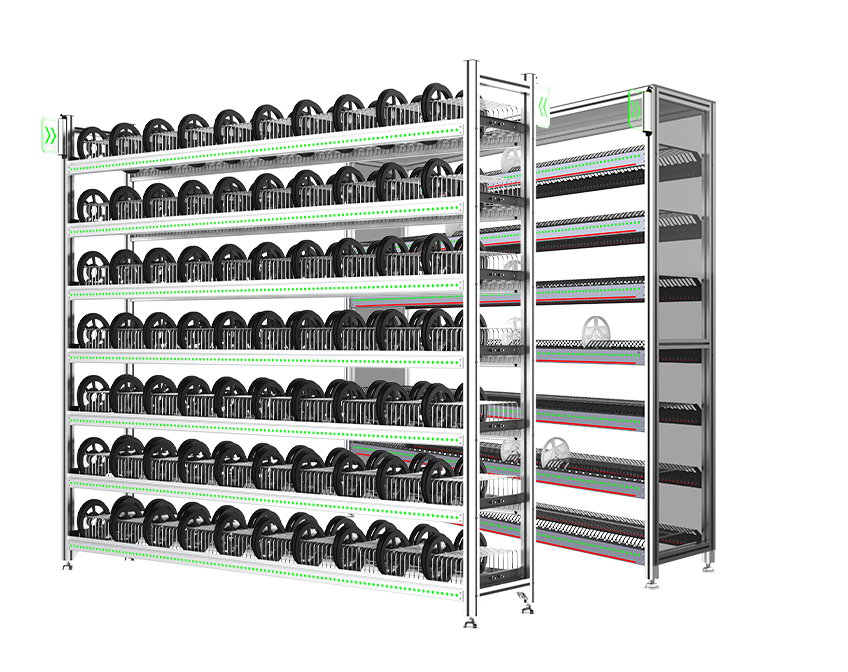
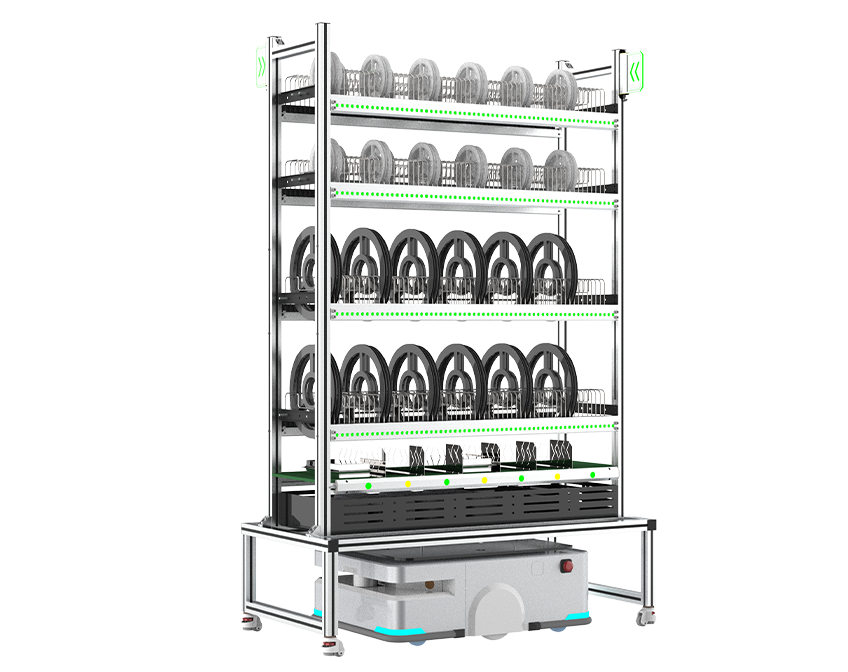
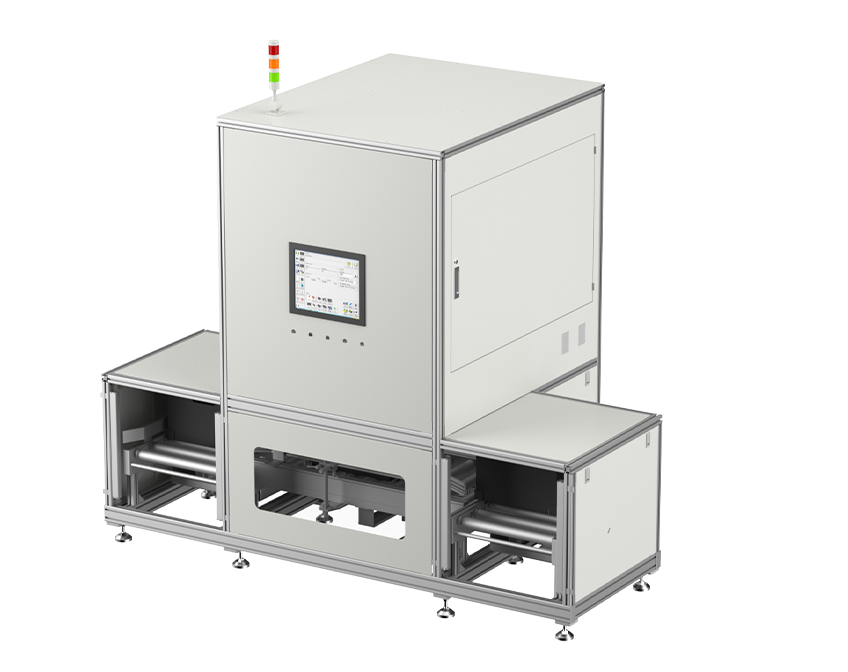
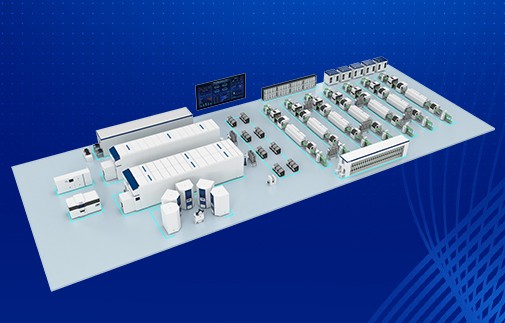
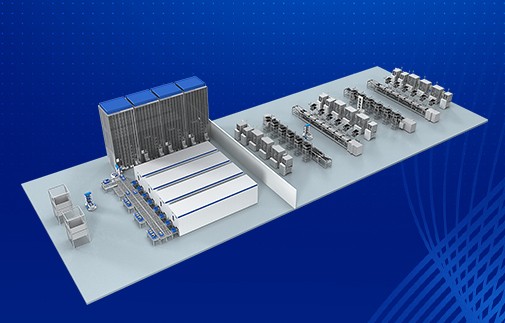
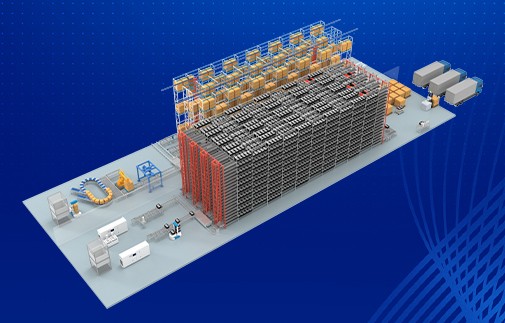
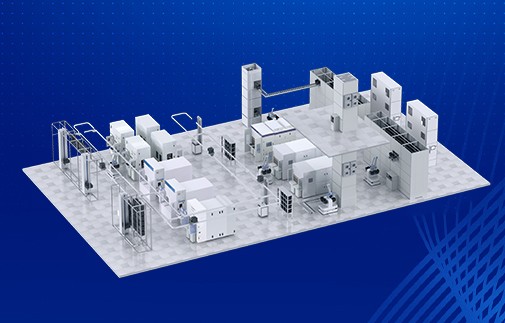
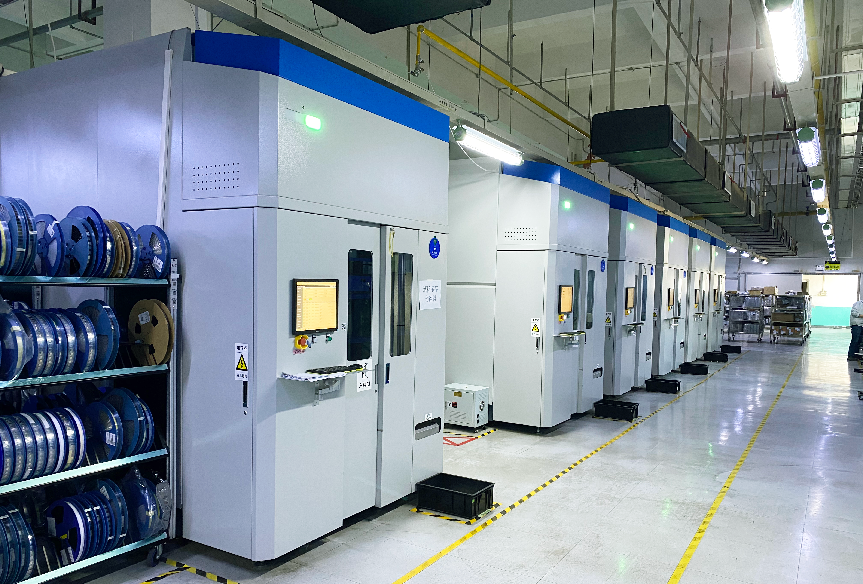
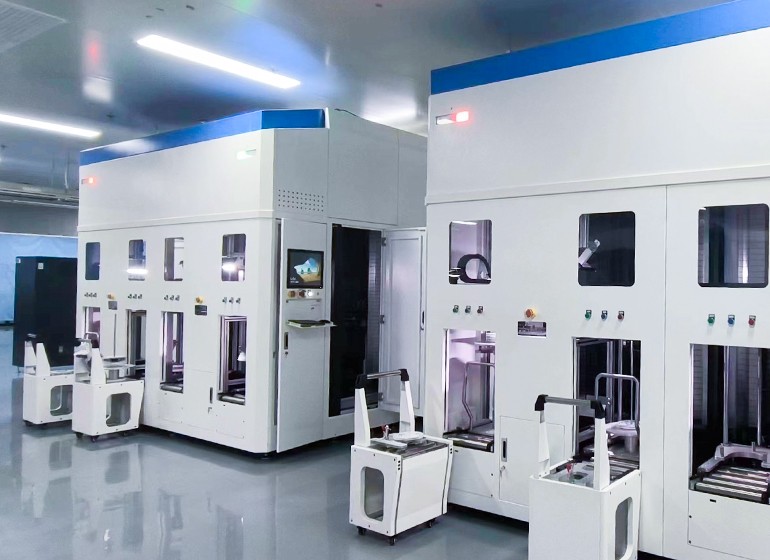
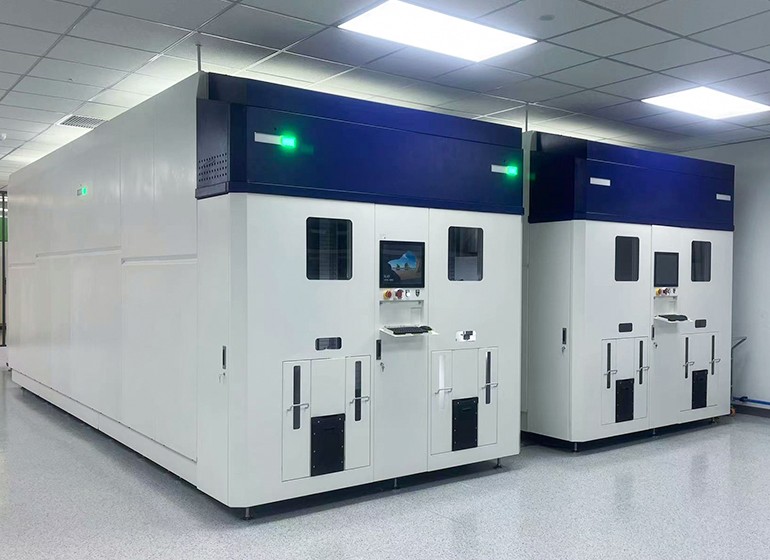
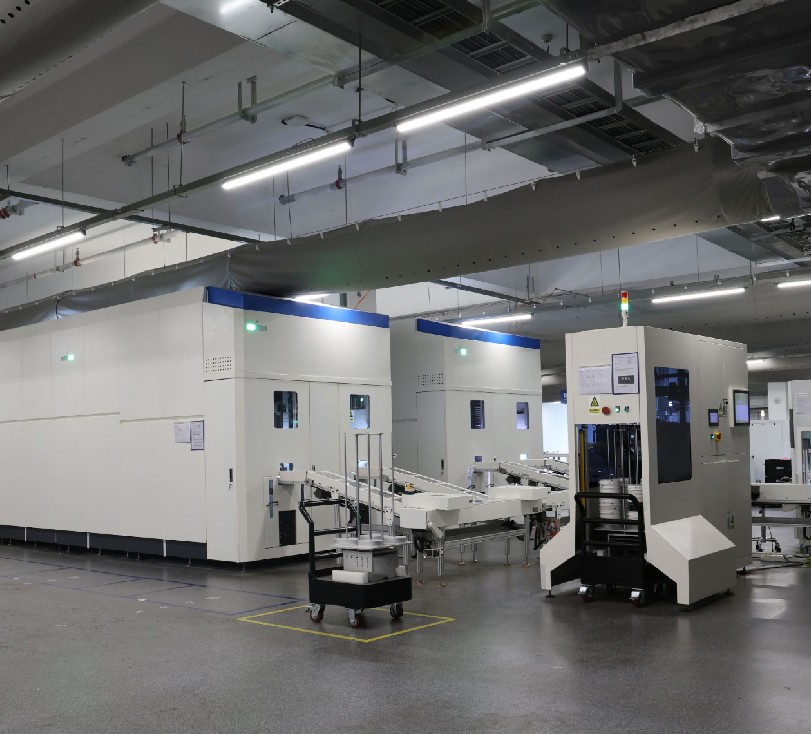
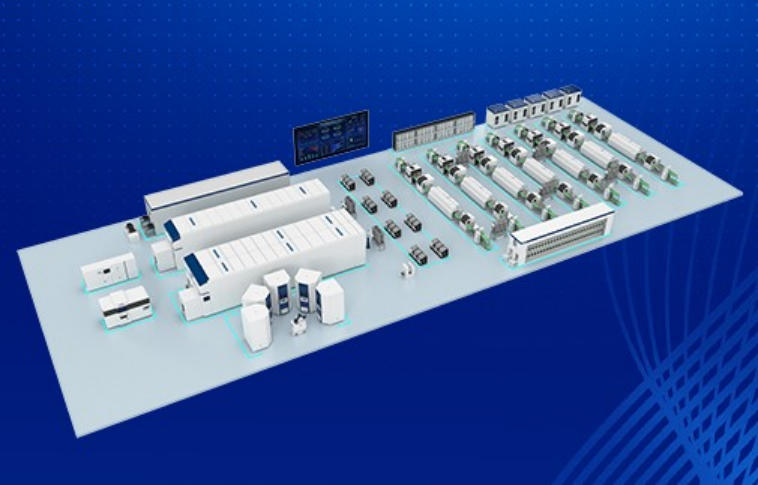
Smart warehousing helps reduce waste by making material location, quantity, and status easier to see. SMD smart warehouse systems, smart towers, vertical storage, and reel rack systems can reduce unnecessary movement. Auto labelling machines can improve identification. X-ray component counters can reduce manual quantity checking. Dedicated solder paste and stencil storage can make special material management clearer.


Build Standard Workflows

Lean warehousing also depends on standard workflows. Receiving, putaway, picking, kitting, delivery, return, and inventory checking should follow clear steps. When operators use the same process, material records become more reliable and training becomes easier.


PassionIOT for Lean SMT Warehouses

PassionIOT provides smart warehouse solutions that can support lean warehousing in electronics manufacturing. By combining storage automation, material identification, counting, and system-based tracking, PassionIOT helps factories reduce manual searching, improve organization, and build a more efficient SMT material management process.

×

Leave a Message

验证码