
2026-06-30

Warehouse Inventory Management Best Practices for SMT Materials

Why SMT Inventory Management Is Different

SMT inventory management is different from general warehouse inventory because materials are small, numerous, and often linked to specific production orders. Reels, trays, solder paste, stencils, and components may have different quantities, batches, locations, and usage records. Without clear control, stock records can quickly become inaccurate.


Best Practice 1: Give Each Material a Clear Identity

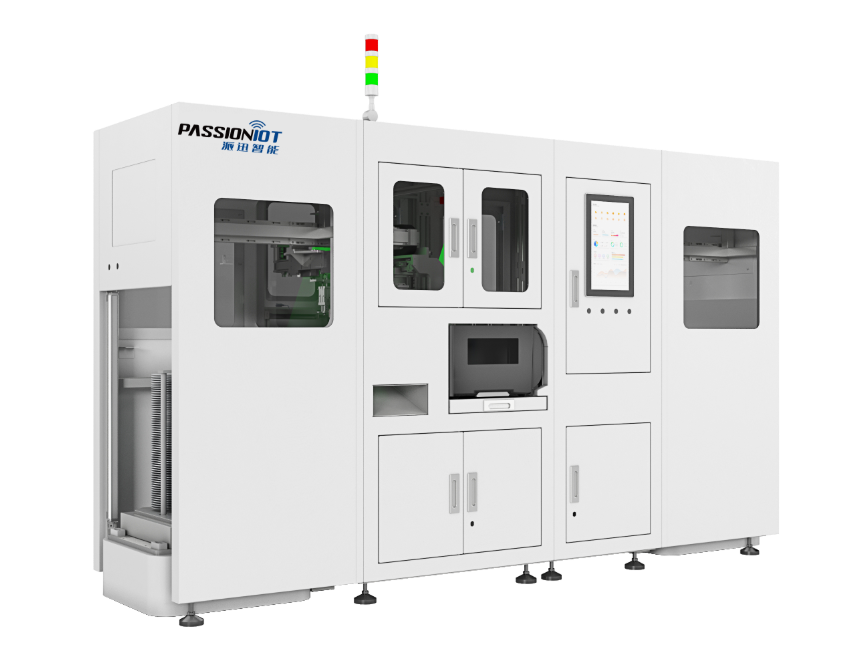
Every material should have a clear identity when it enters the warehouse. This can include part number, batch, quantity, supplier information, receiving date, and storage location. Barcode, QR code, RFID, or system labels help connect physical materials with digital records. Auto labelling machines can support consistent identification.


Best Practice 2: Use Suitable Storage for Each Material

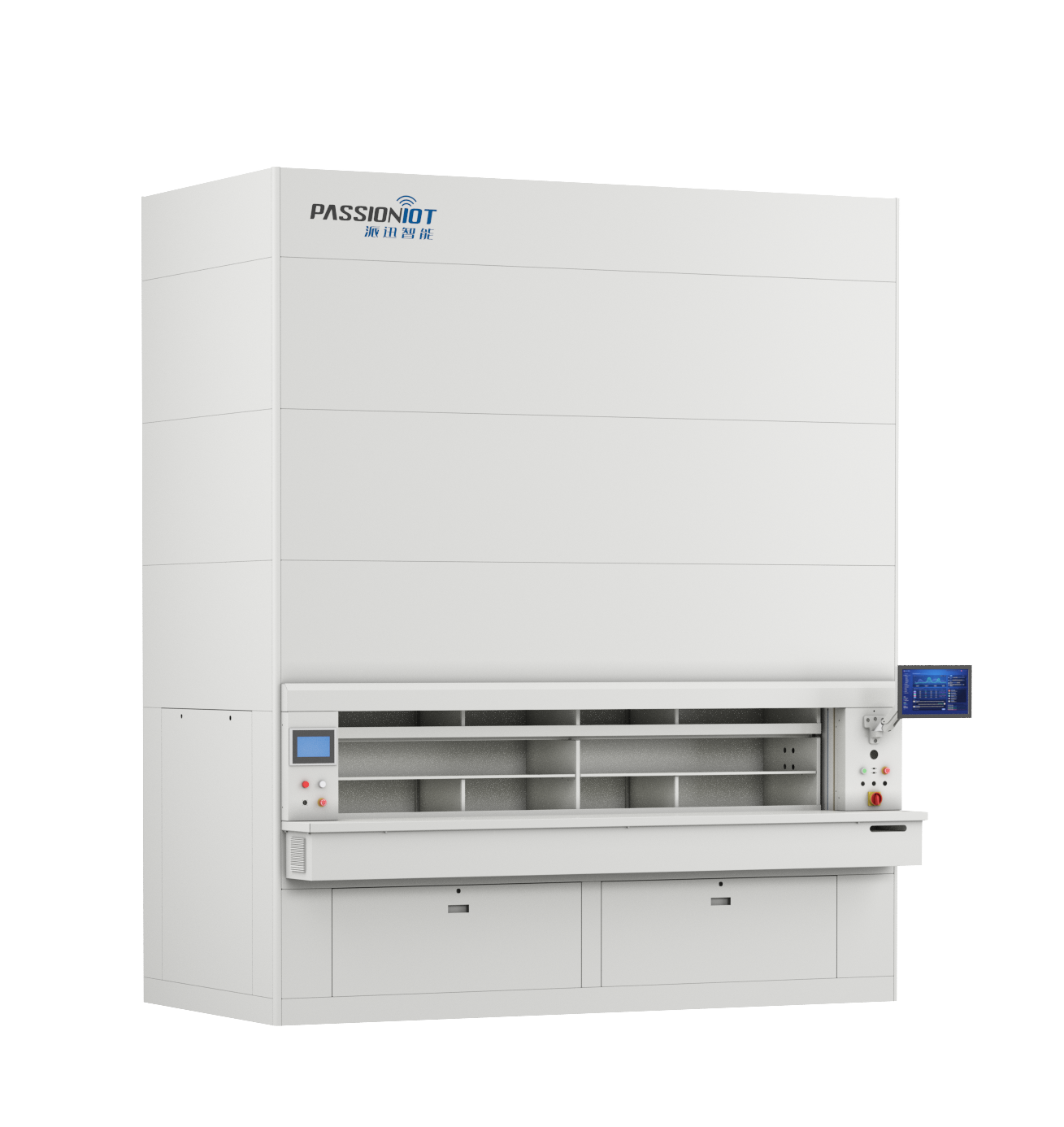
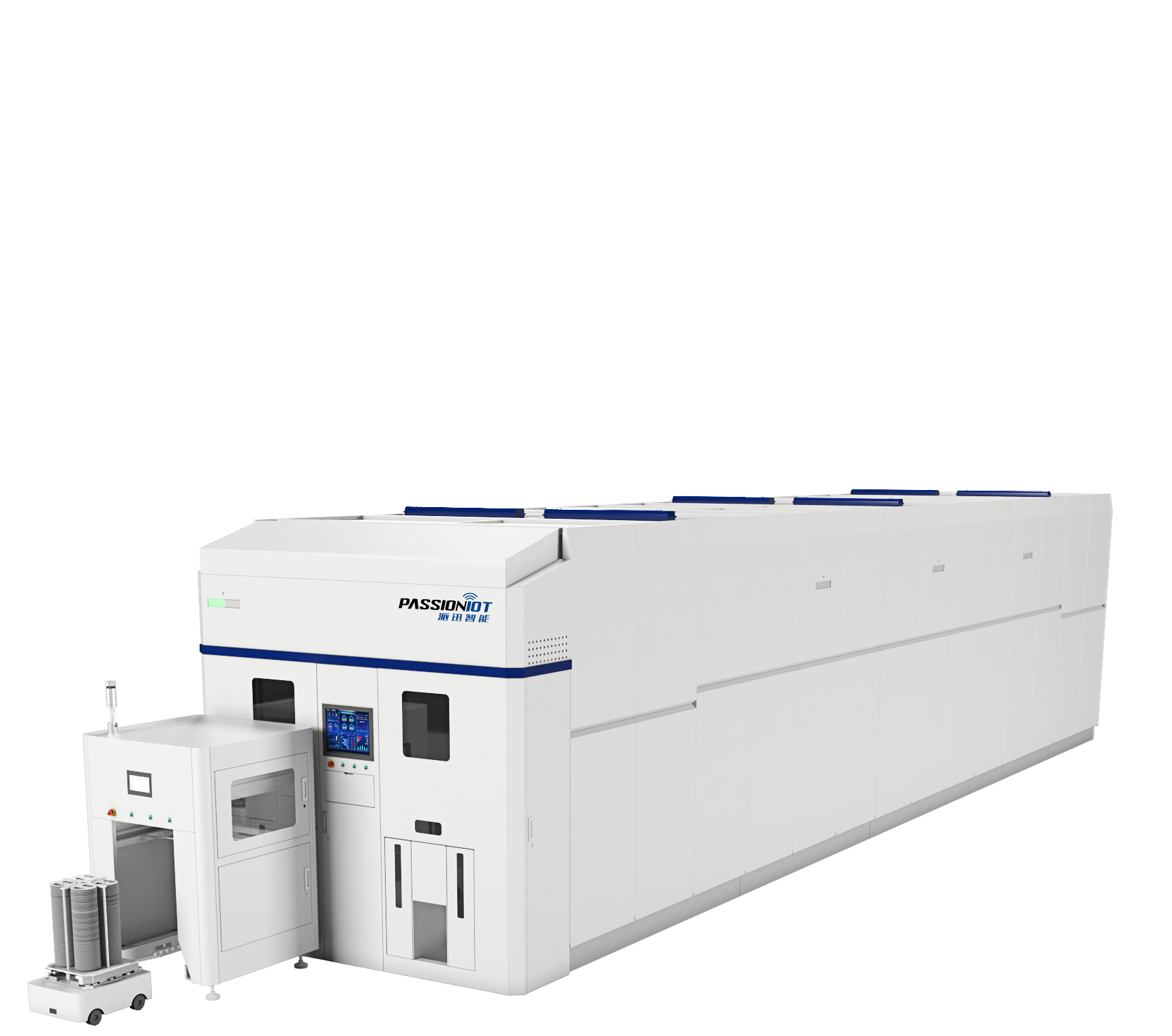
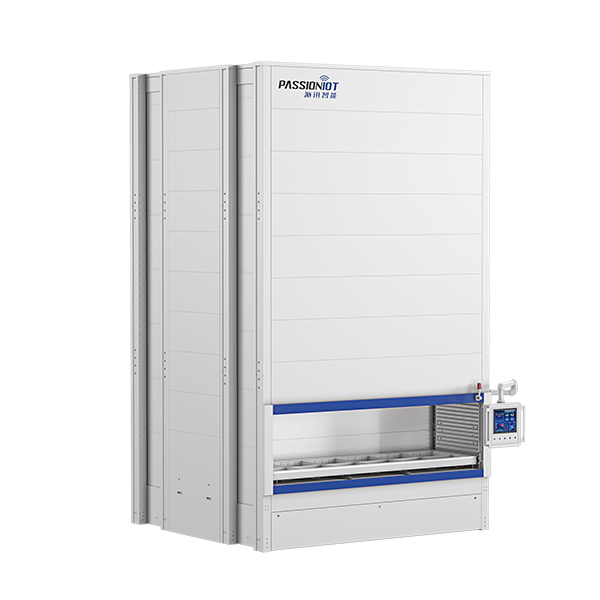
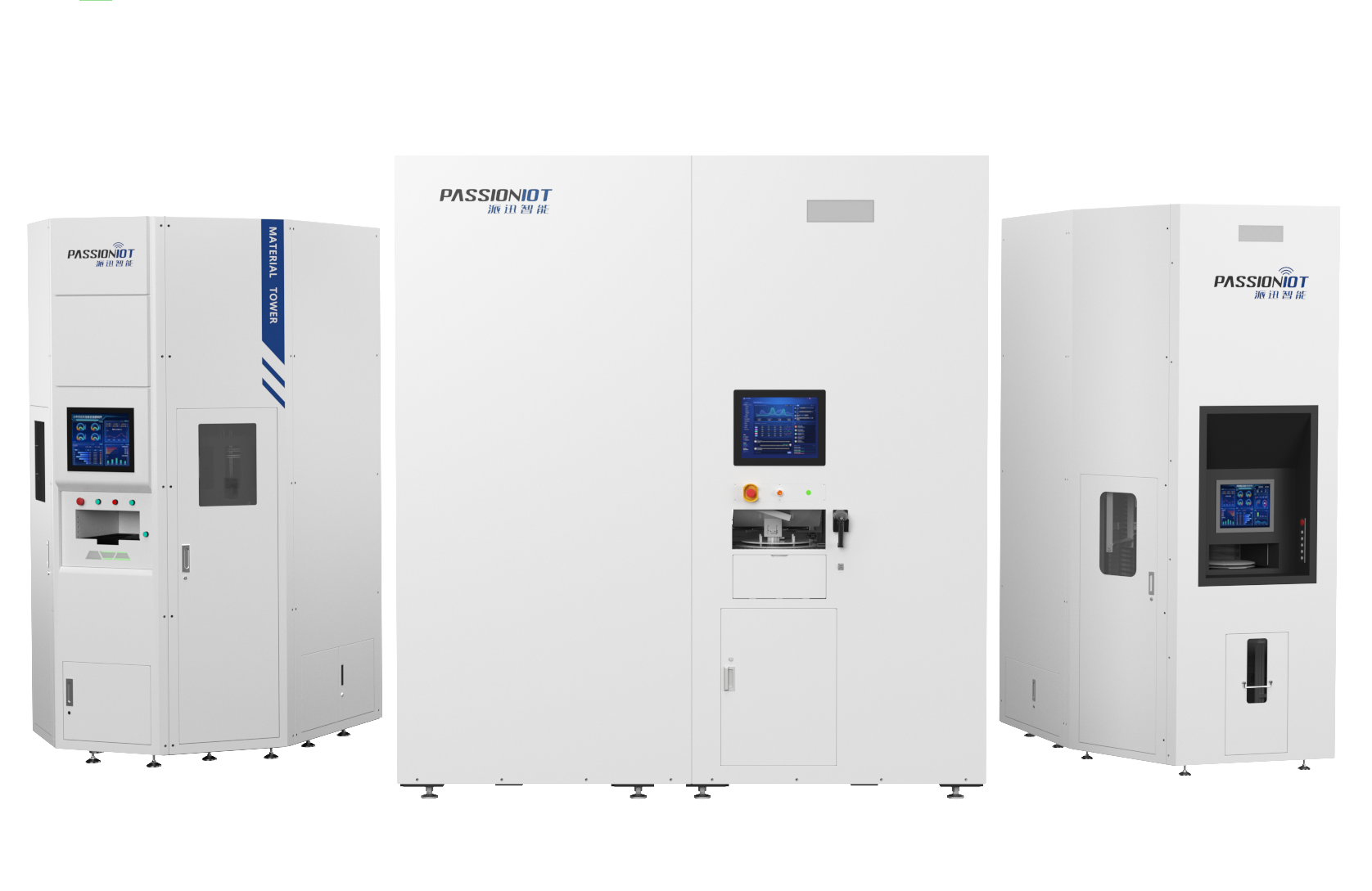
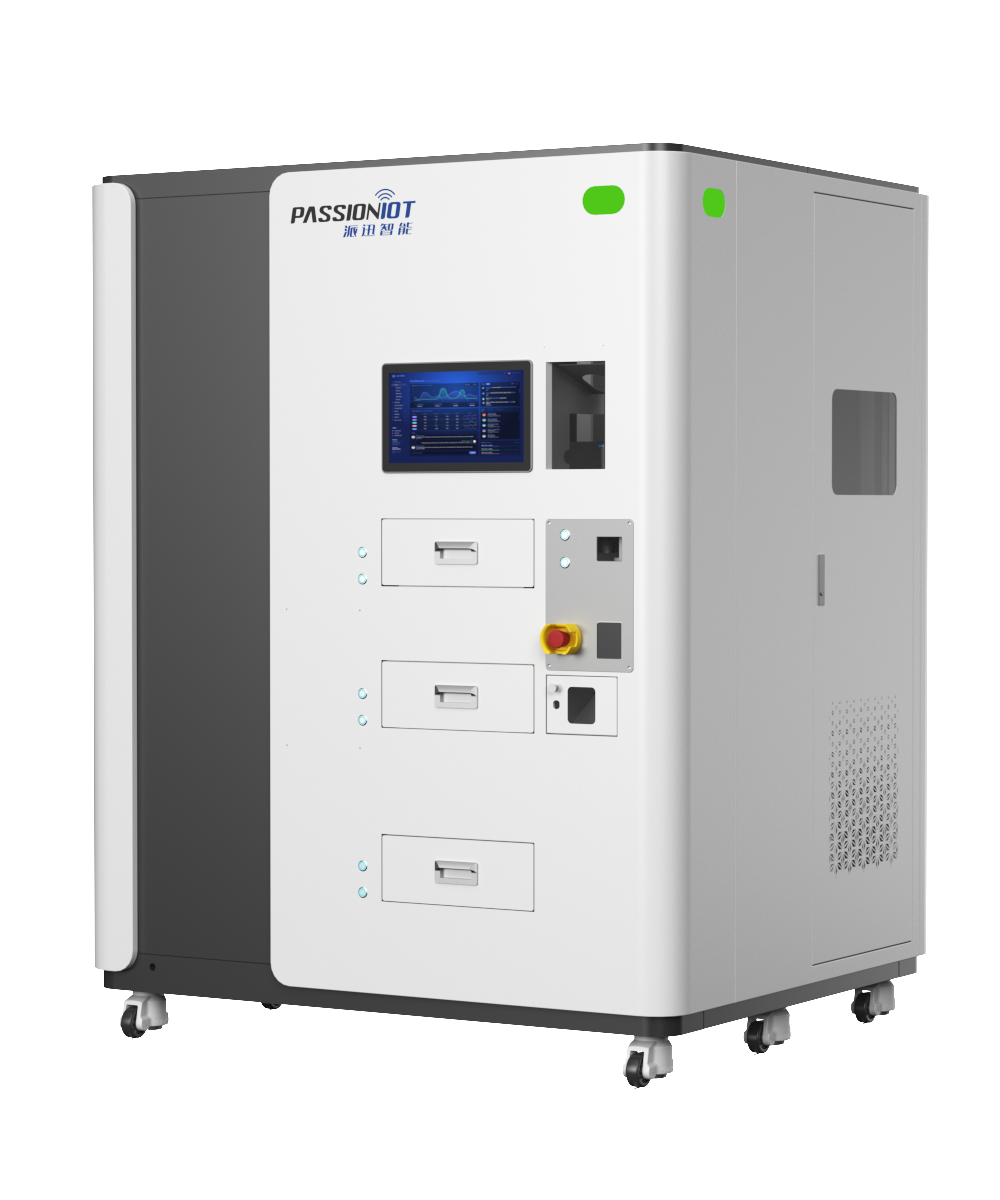
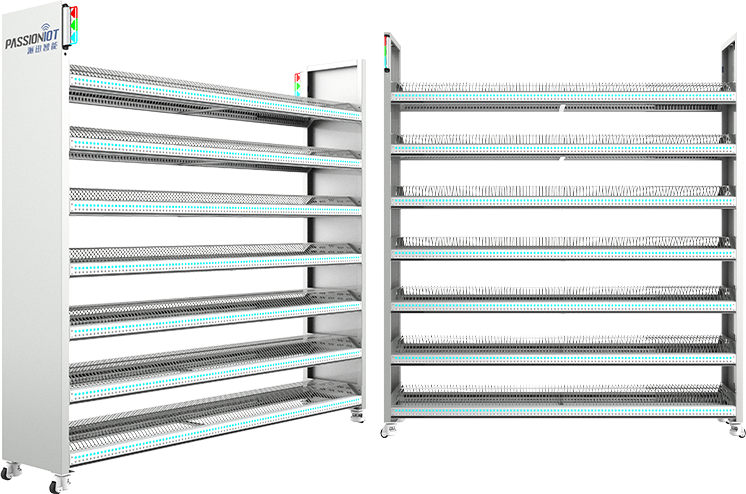
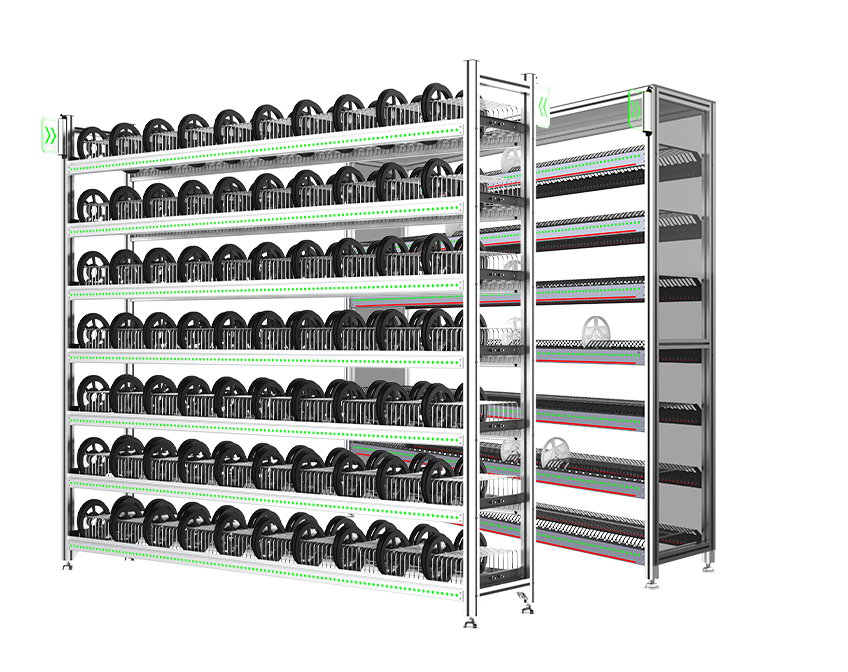
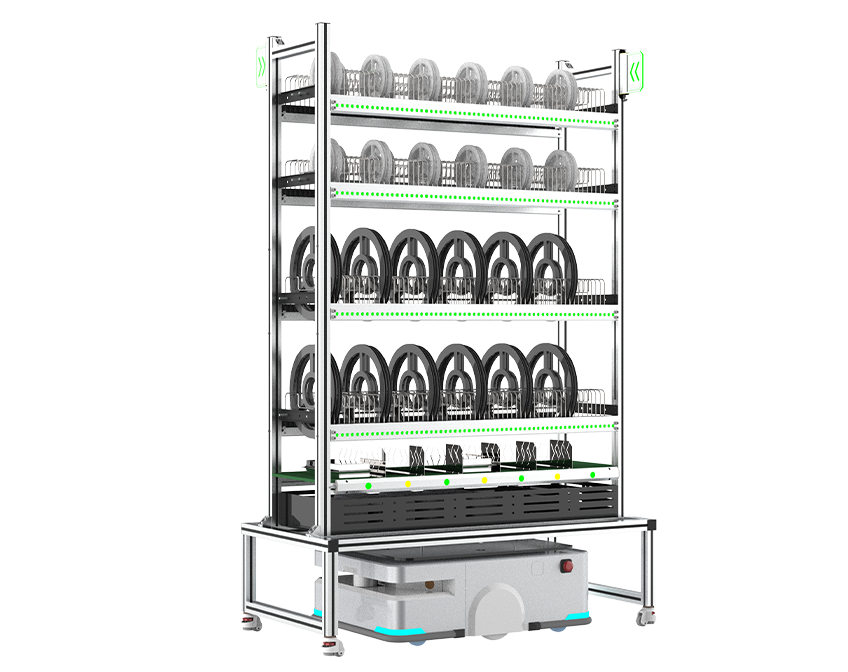
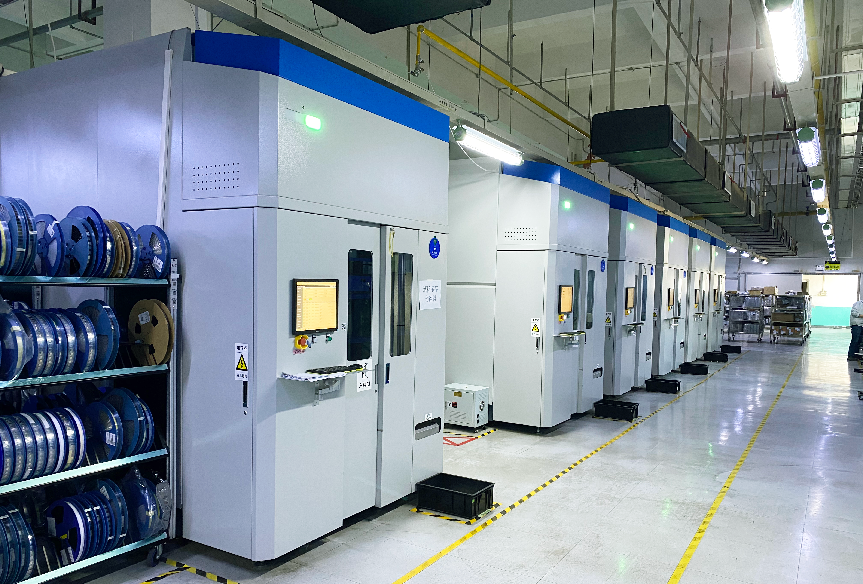
Different materials need different storage methods. SMD reels may be stored in smart towers or reel rack systems. Solder paste should have dedicated storage and handling records. Stencils should be organized for fast retrieval. Vertical carousel or vertical lift storage can help manage parts and tools while saving space.


Best Practice 3: Update Records During Movement

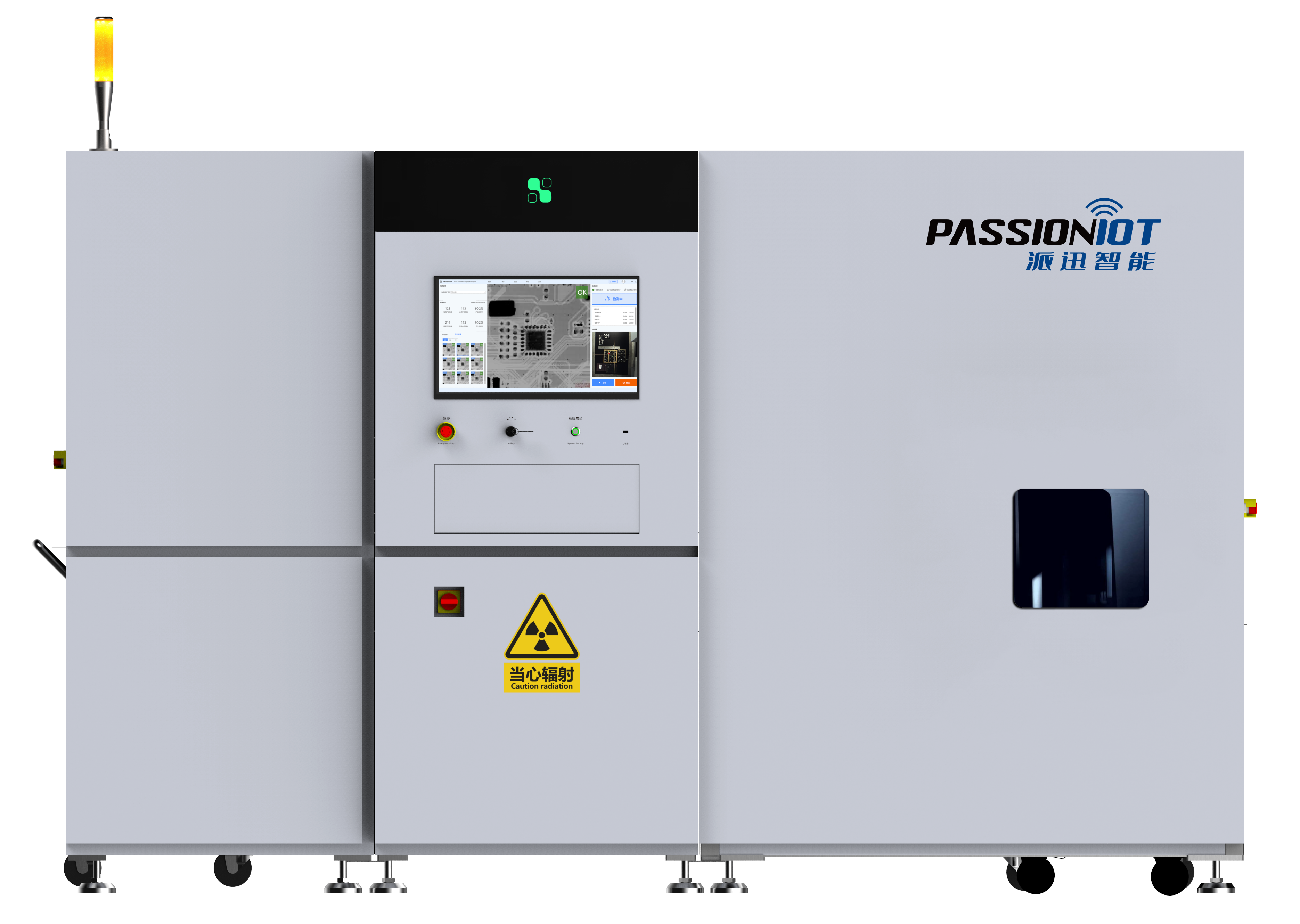
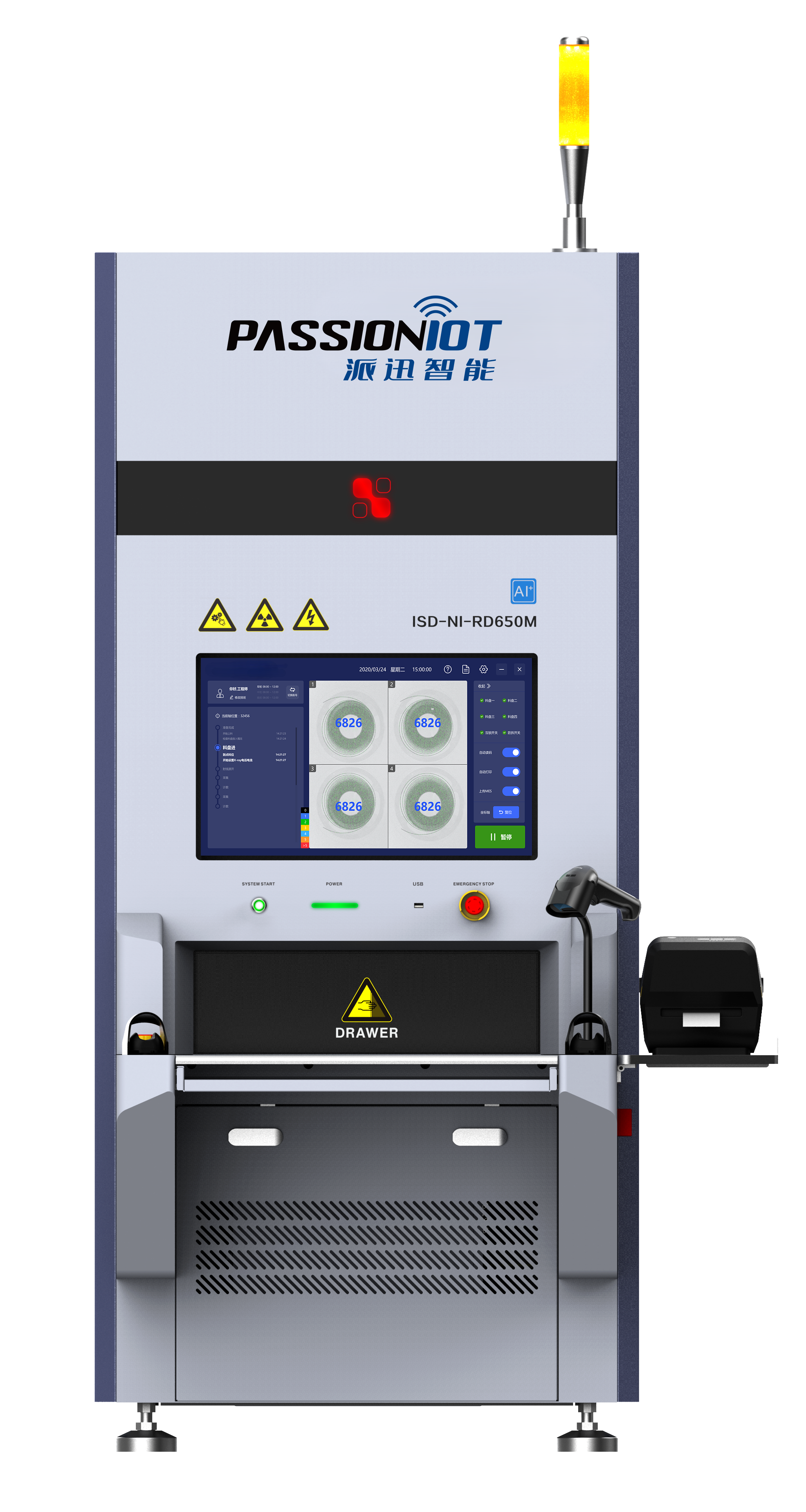
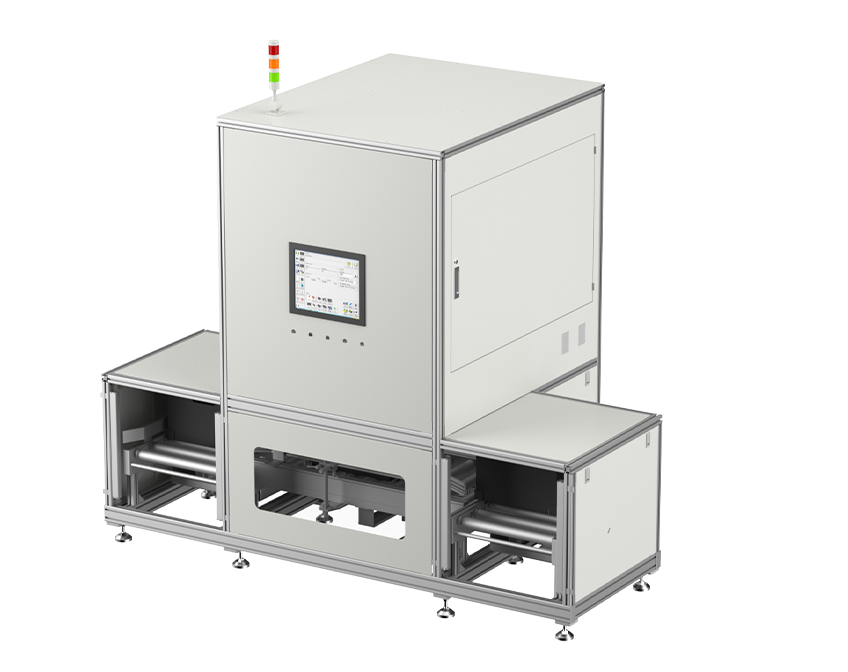
Inventory records should be updated when materials are received, stored, picked, returned, counted, or moved. This is especially important for partial reels and returned materials. X-ray component counters can help check remaining quantities, making inventory data more reliable.


PassionIOT for Inventory Management

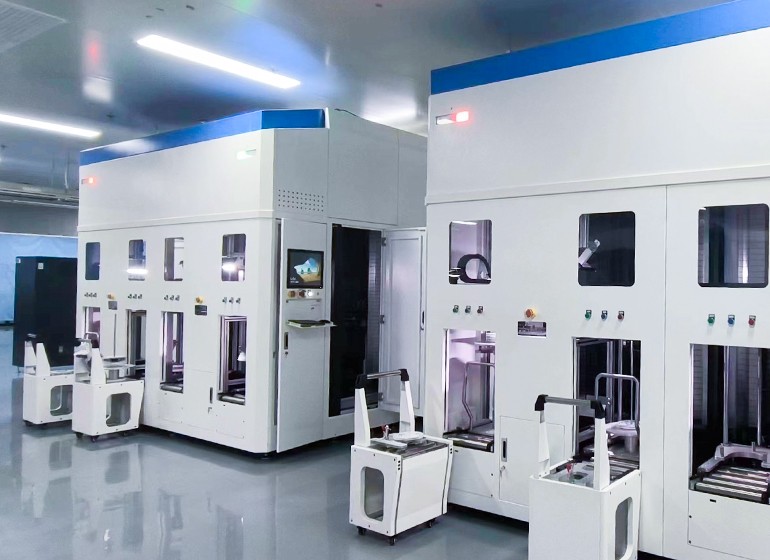
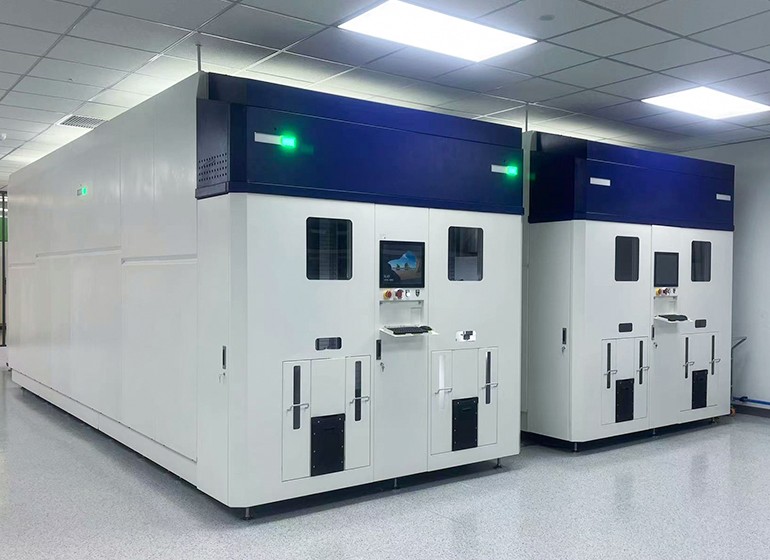
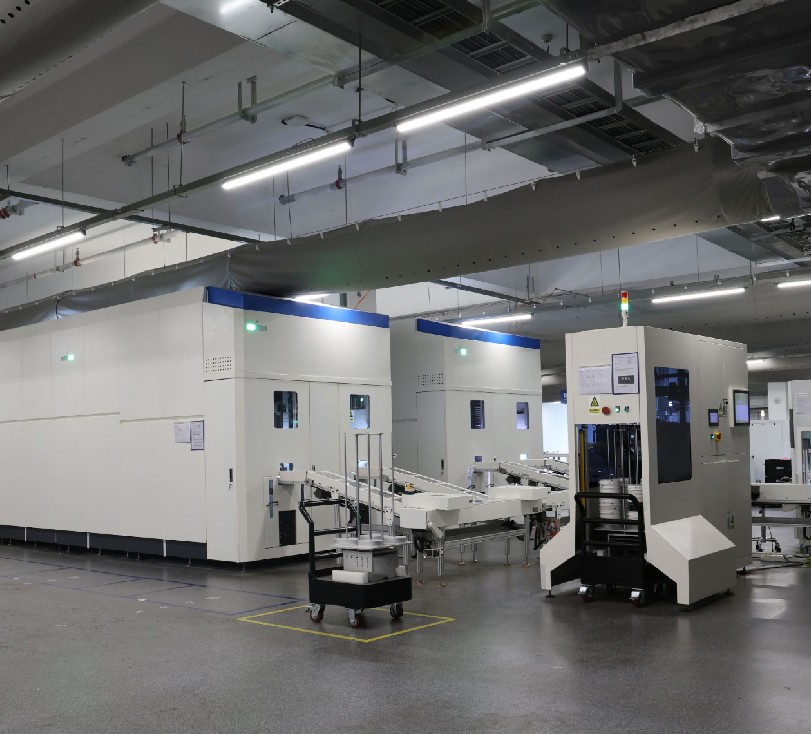
PassionIOT provides intelligent warehousing solutions that help electronics manufacturers improve SMT inventory management. Its systems can support material identification, storage organization, quantity checking, and traceability. With PassionIOT smart warehouse solutions, factories can build a clearer inventory process and better support production planning.

×

Leave a Message

验证码