
2026-06-30

How to Automate the Kitting Process for SMT Production

What Is the Kitting Process?

Kitting is the process of preparing all required materials for a production order before they are delivered to the SMT line. A kit may include SMD reels, trays, solder paste, stencils, tools, and other production materials. When kitting is slow or inaccurate, the production line may wait for missing items or replacements.


Why Manual Kitting Creates Problems

Manual kitting often depends on paper lists, operator experience, and shelf searching. In factories with many part numbers, this can cause delays and mistakes. Similar reels may be confused, partial quantities may be unclear, and returned materials may not be updated in time. These issues can affect production preparation.


Automation Step 1: Improve Material Identification

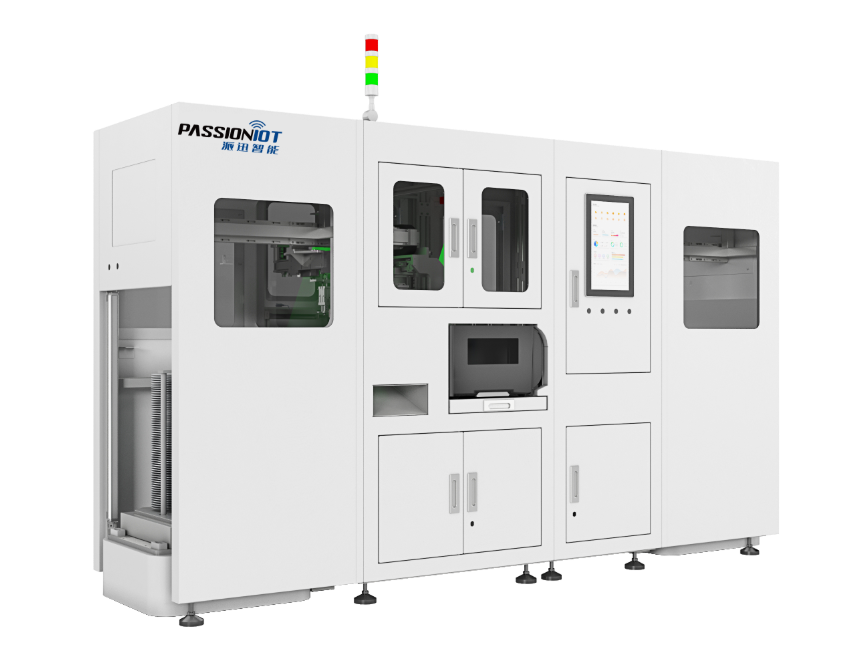
The first step is to improve identification. Auto labelling machines can help standardize material labels, making them easier to scan and track. Each material should be linked with part number, quantity, batch, and storage location so the kitting team can confirm it quickly.


Automation Step 2: Connect Storage and Counting

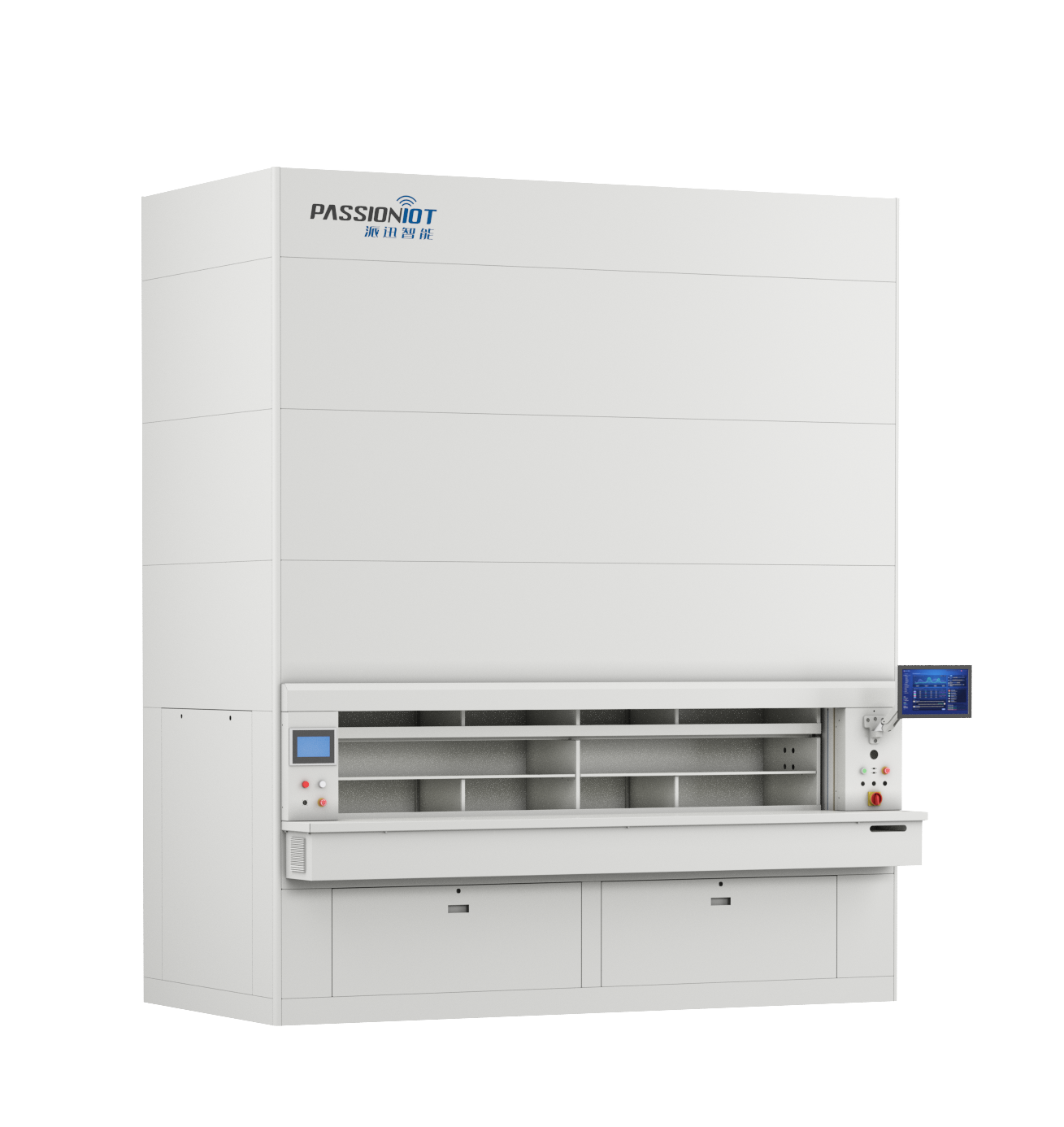
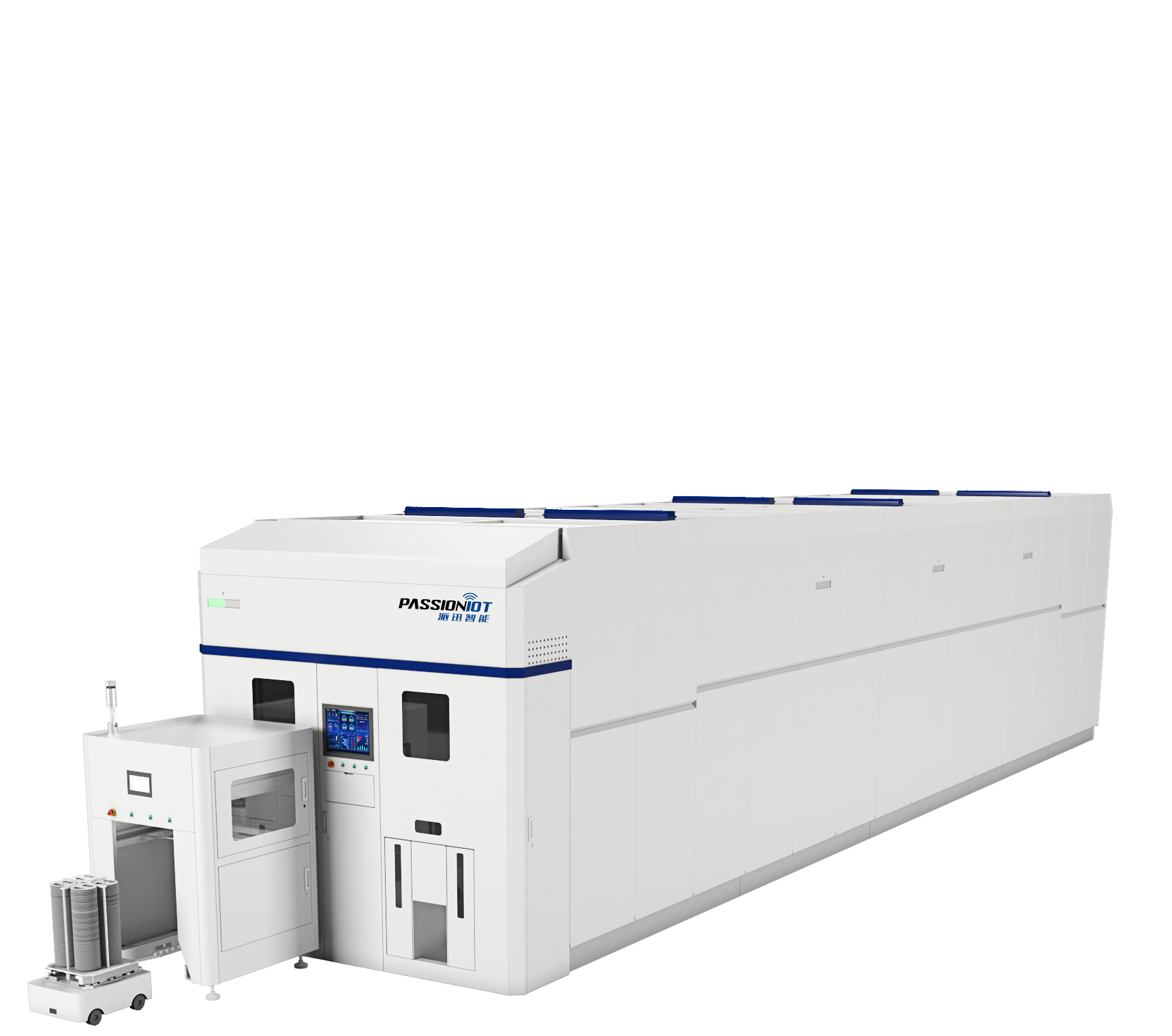
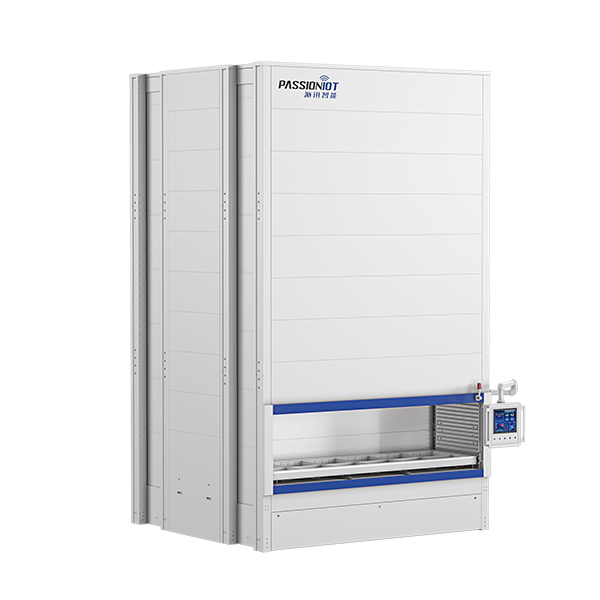
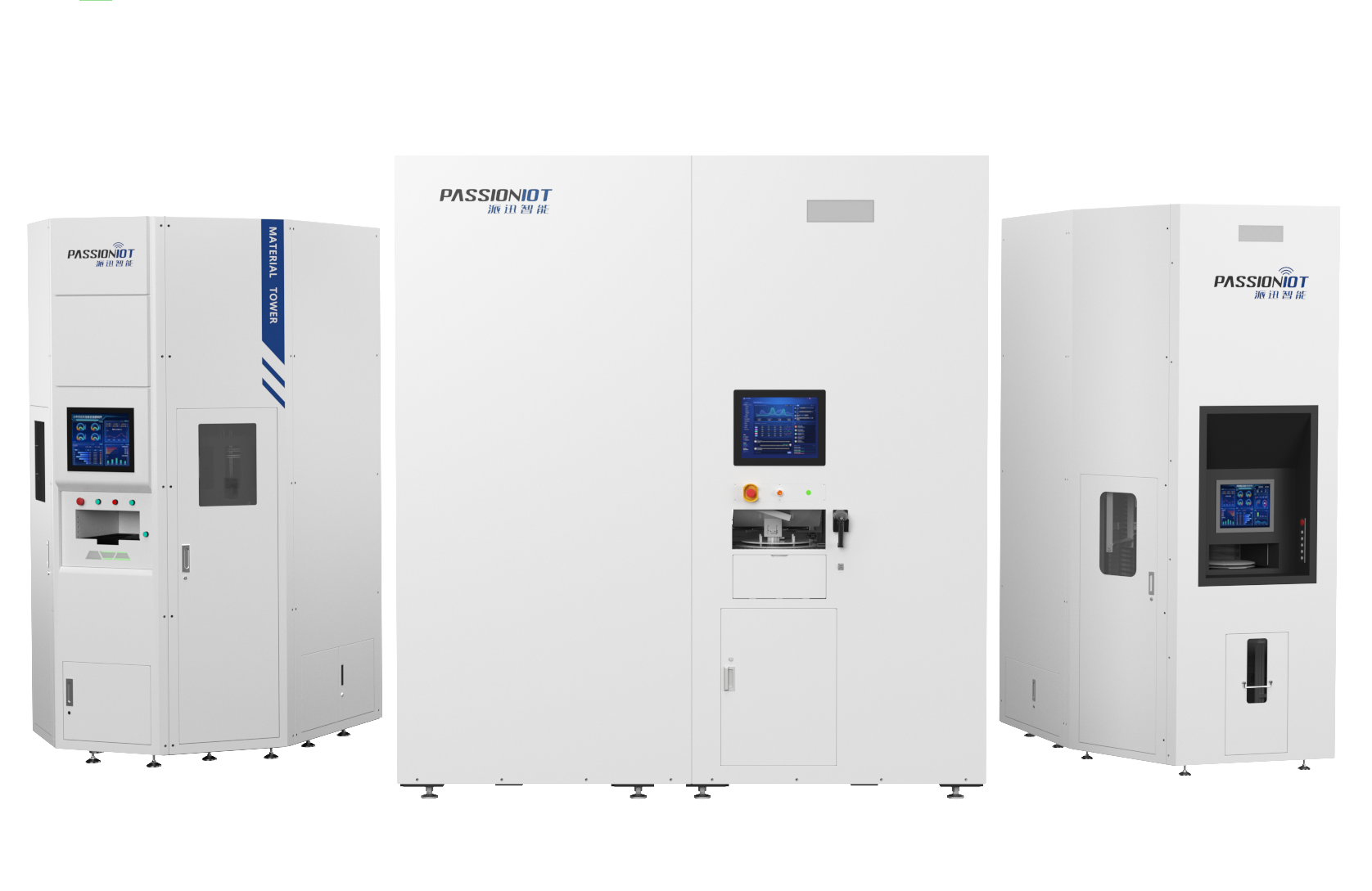
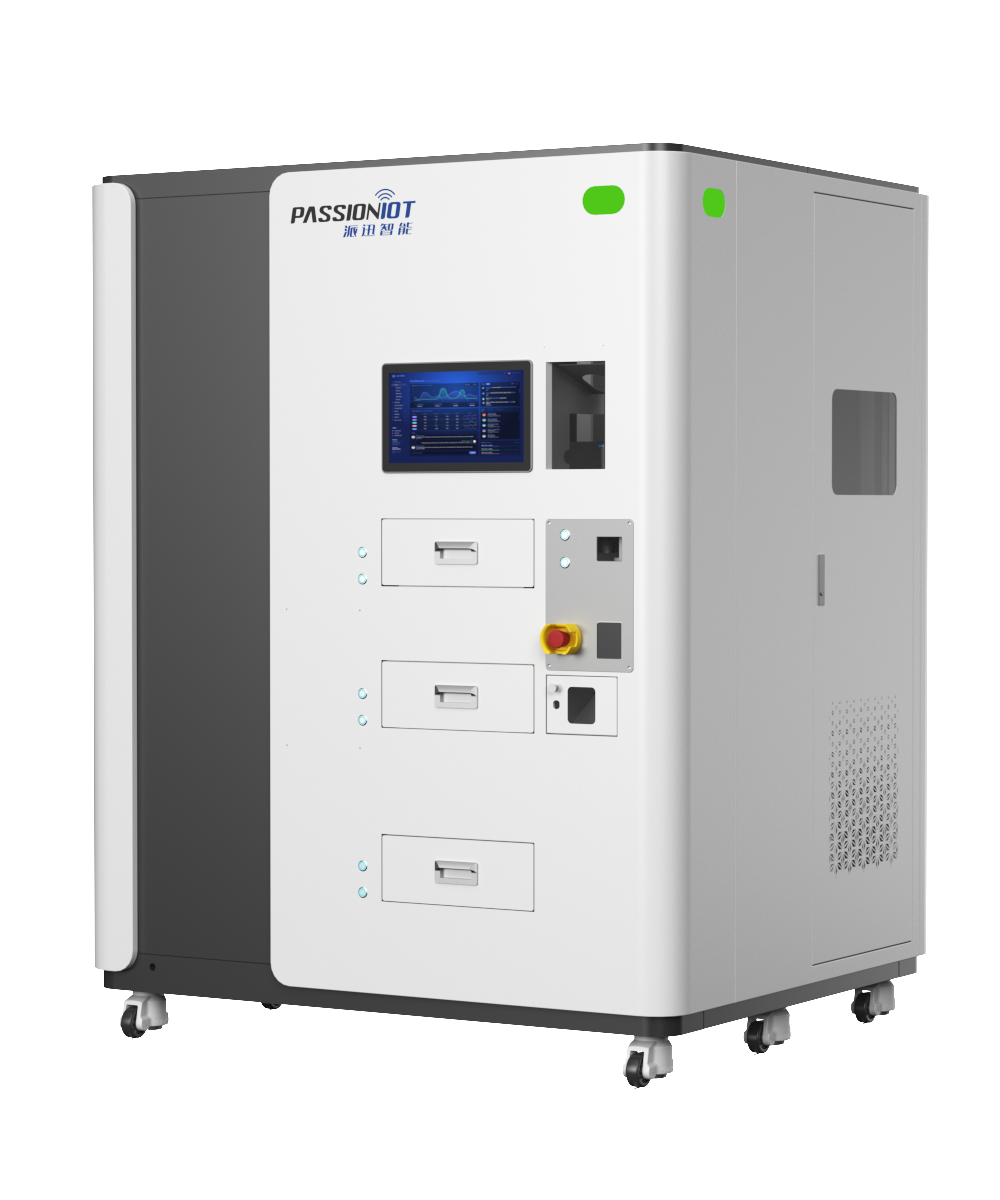
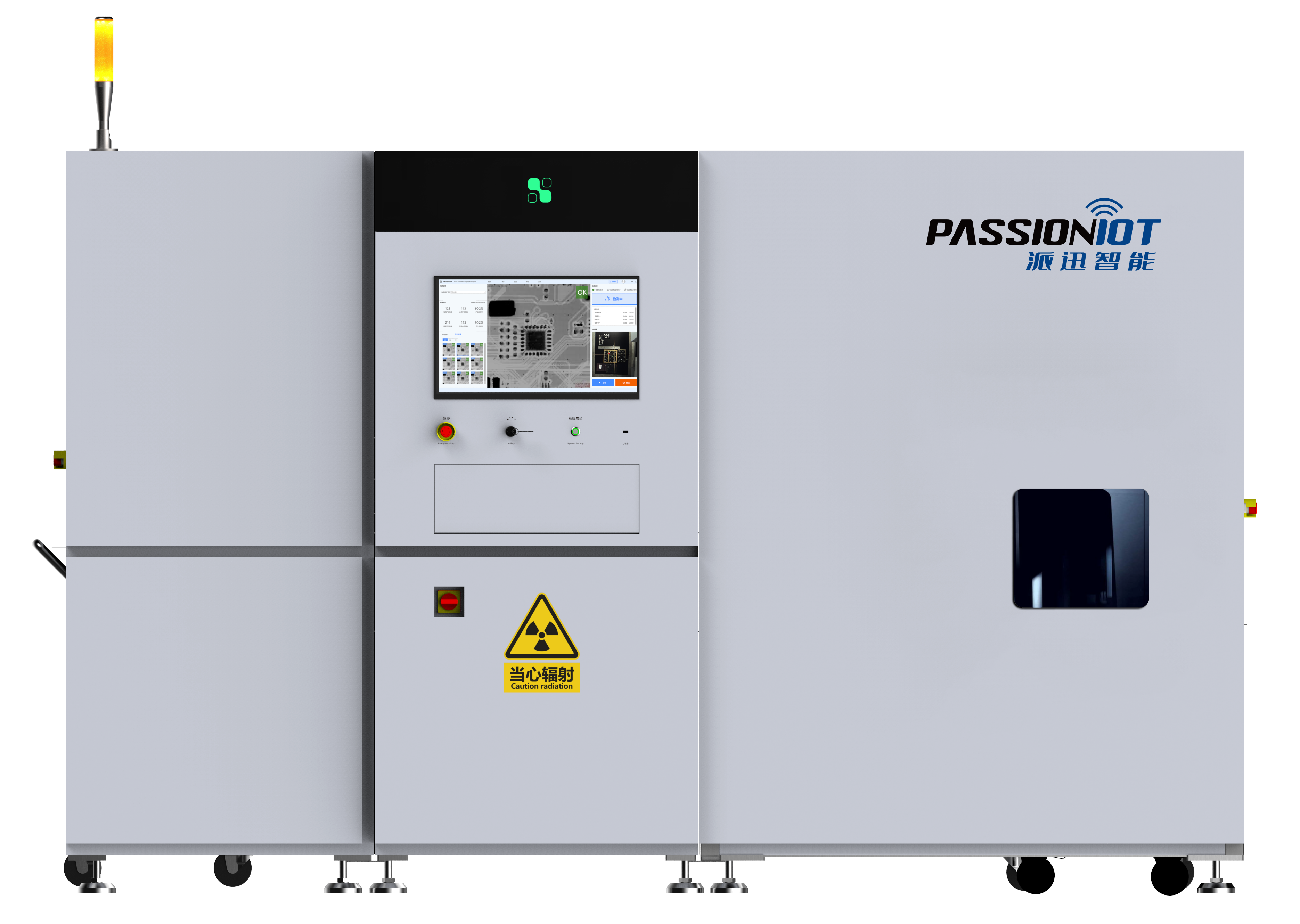
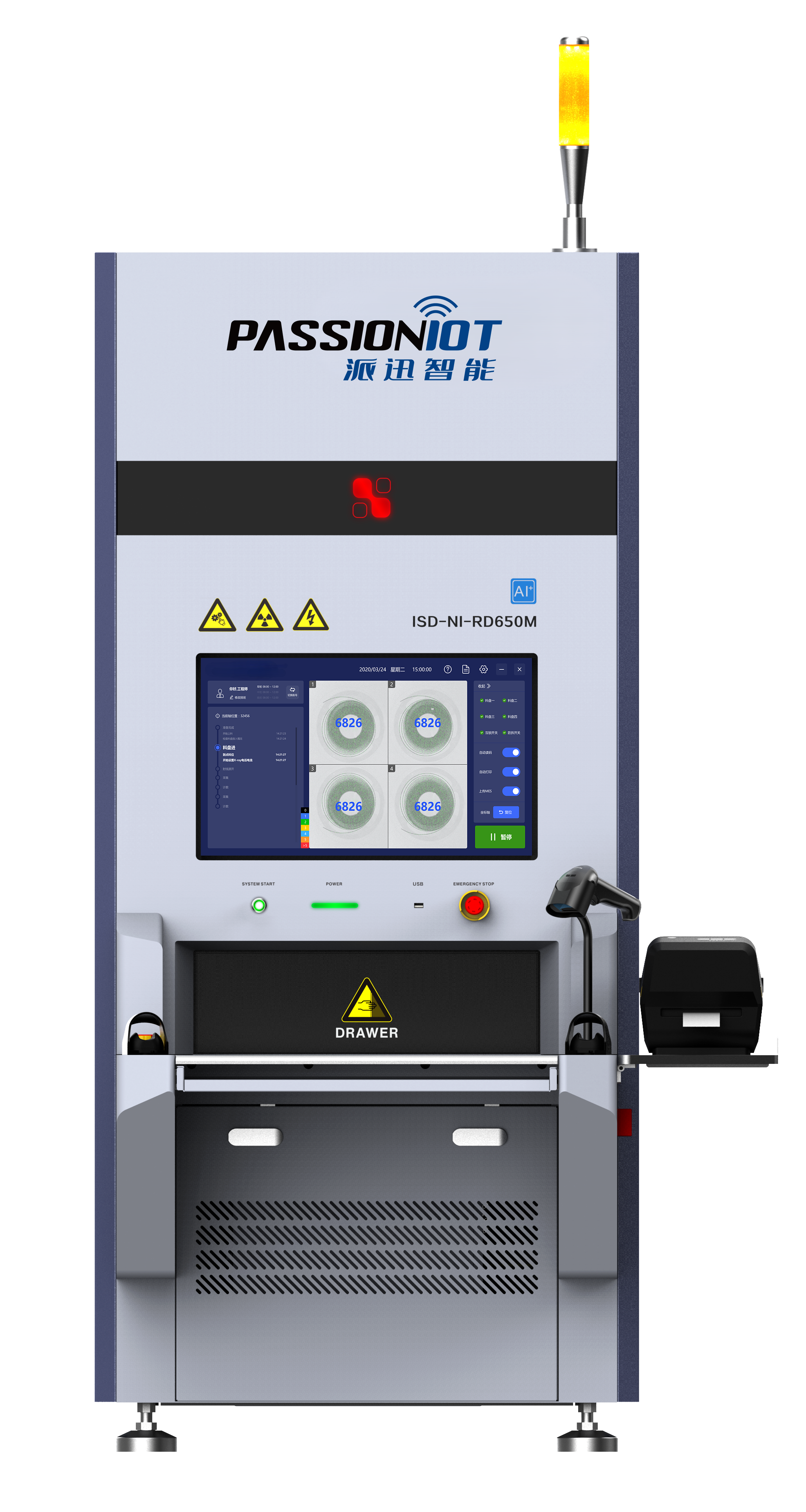
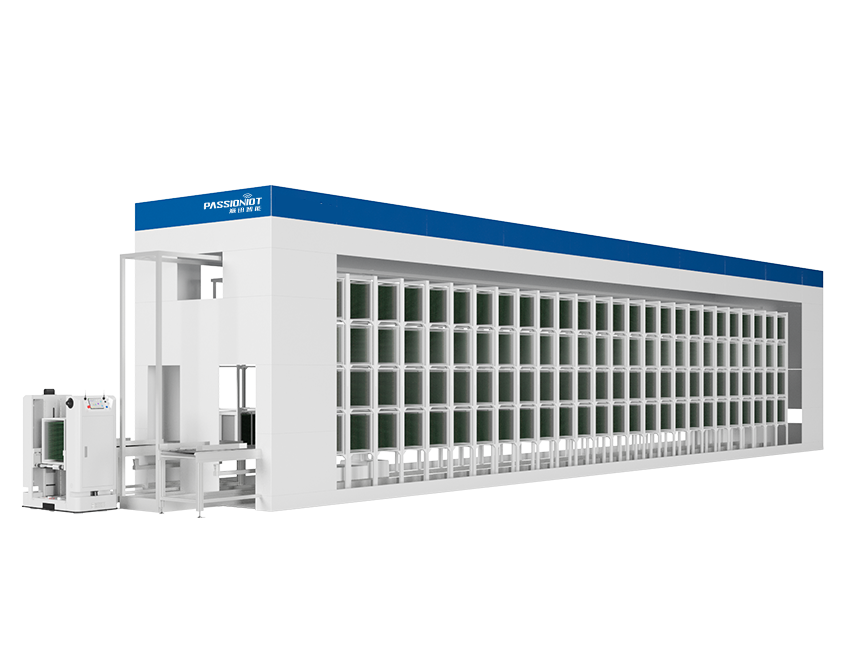
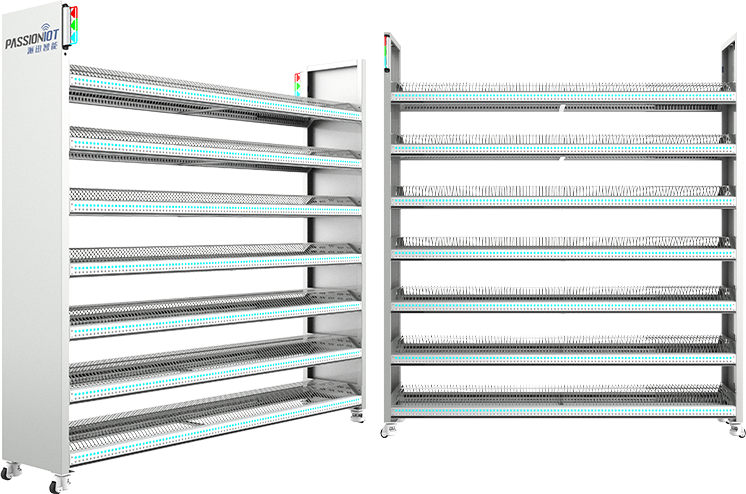
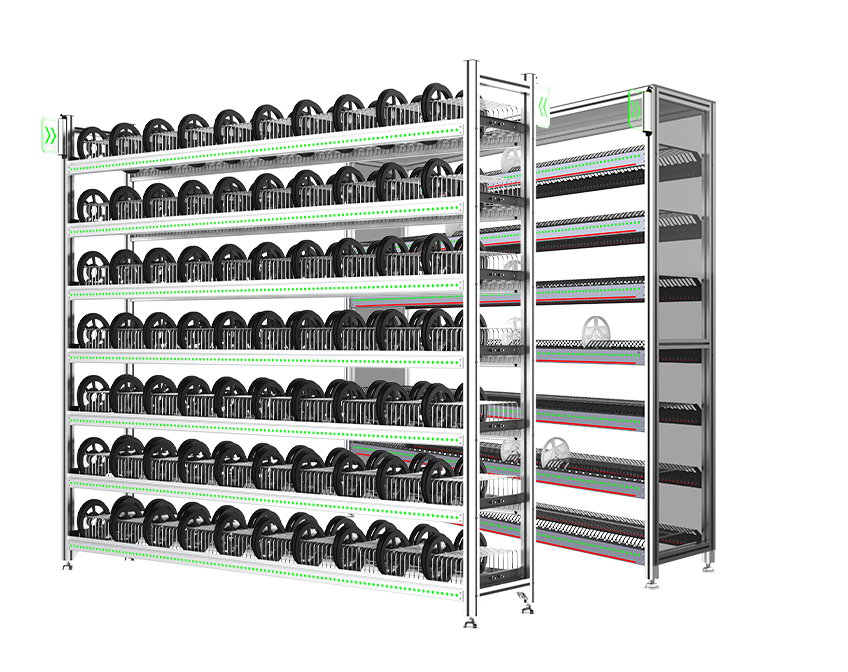
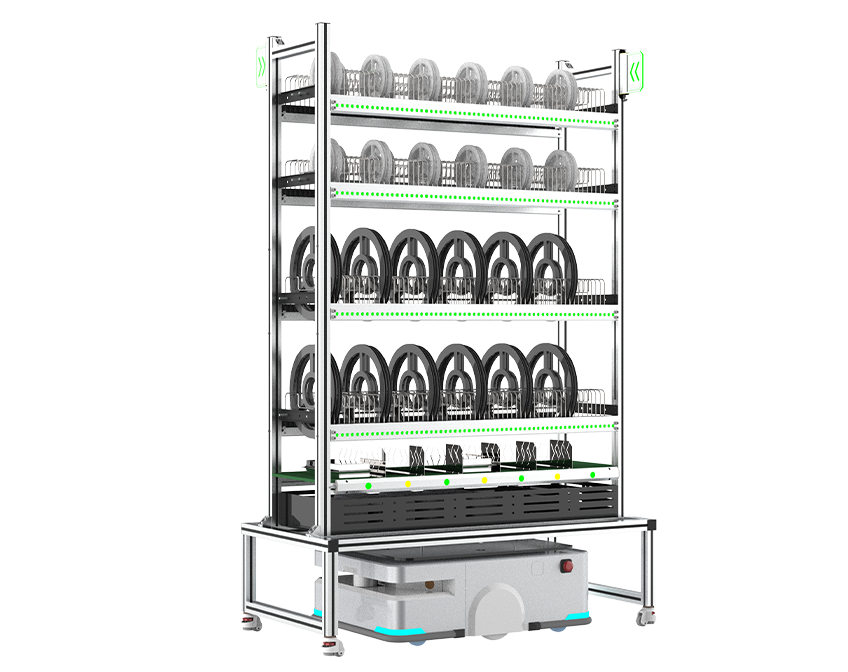
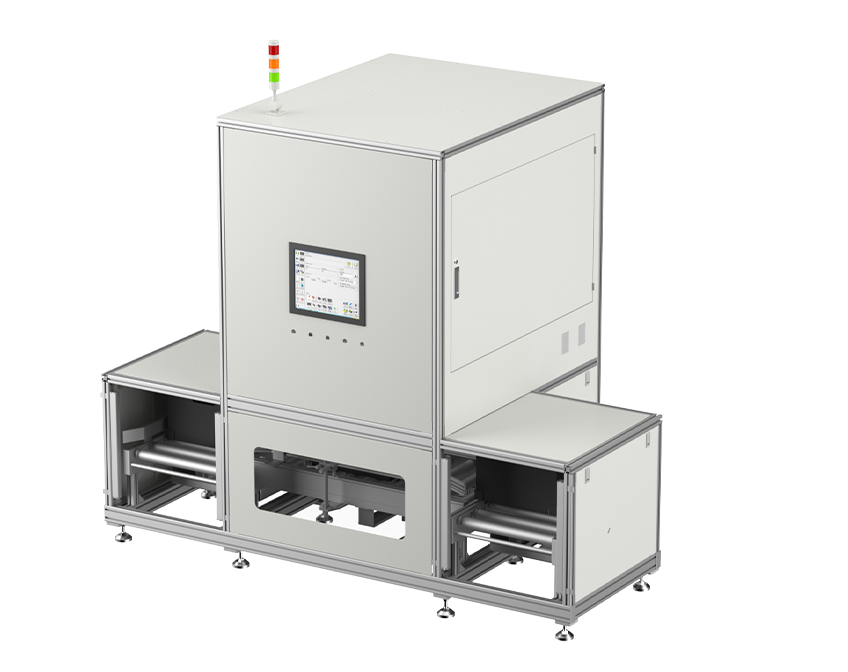
Smart storage equipment can guide operators to the correct material or bring the required item to an access point. X-ray component counters can verify reel quantities before materials are included in the kit. This supports more accurate preparation, especially when using partial reels.


PassionIOT Kitting Support

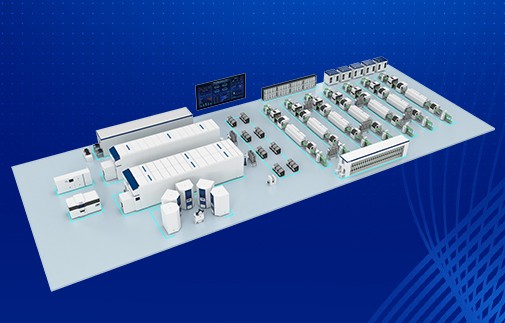
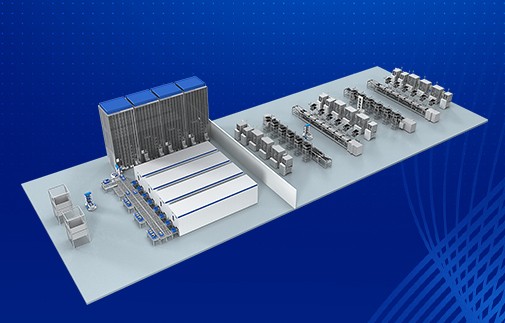
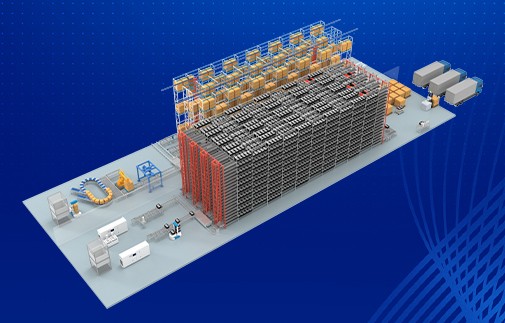
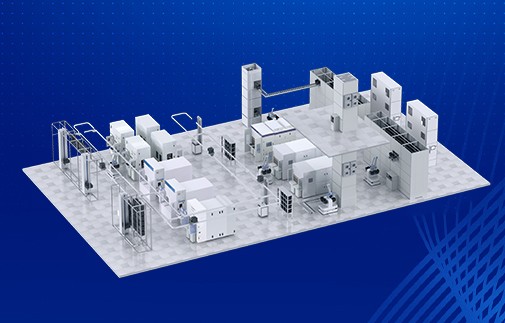
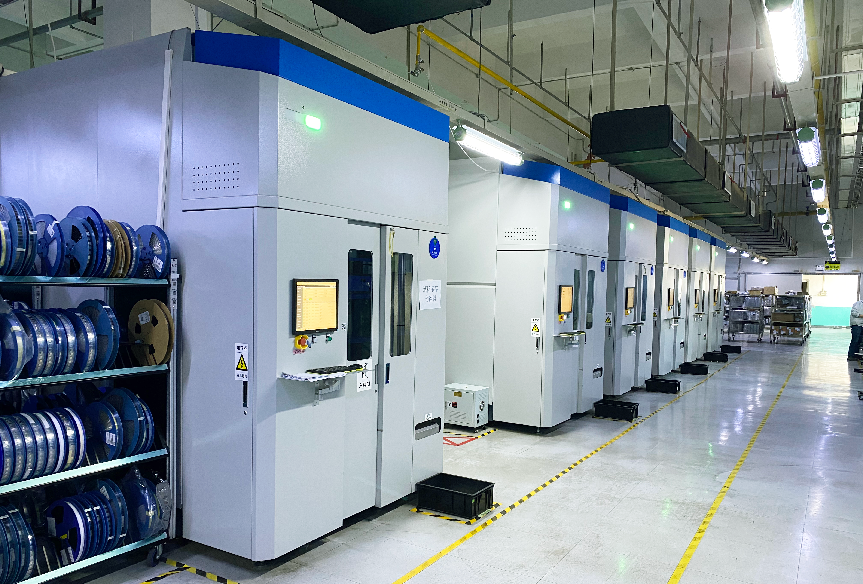
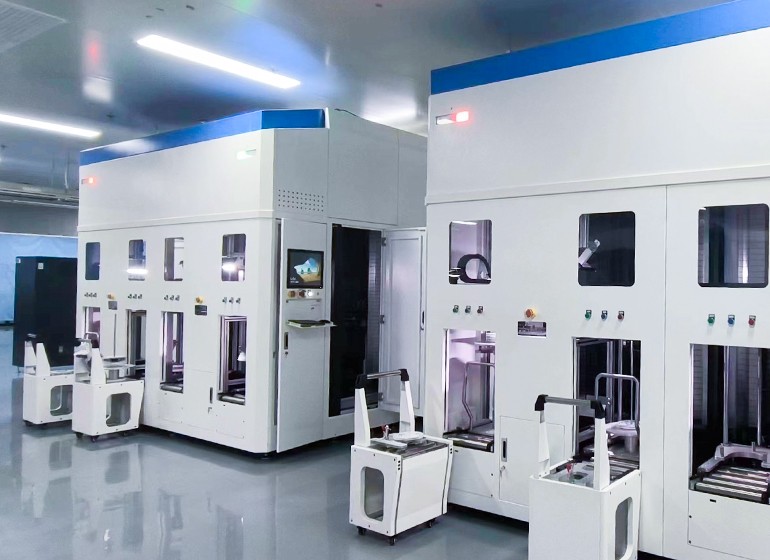
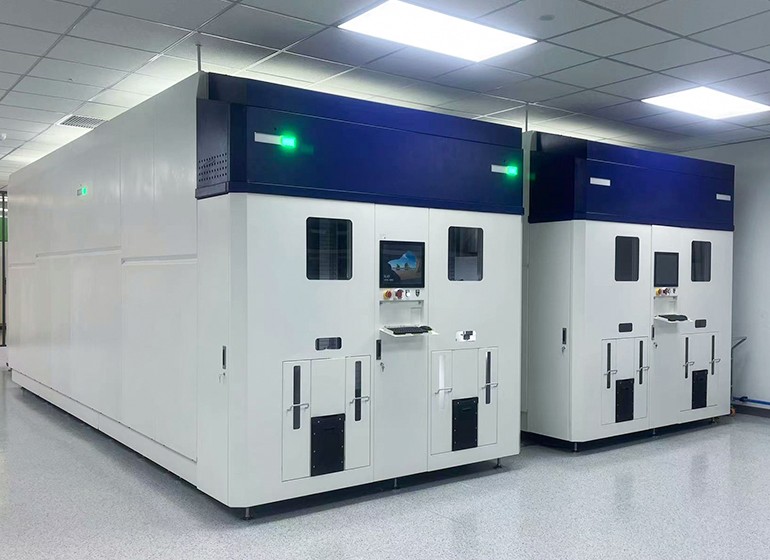
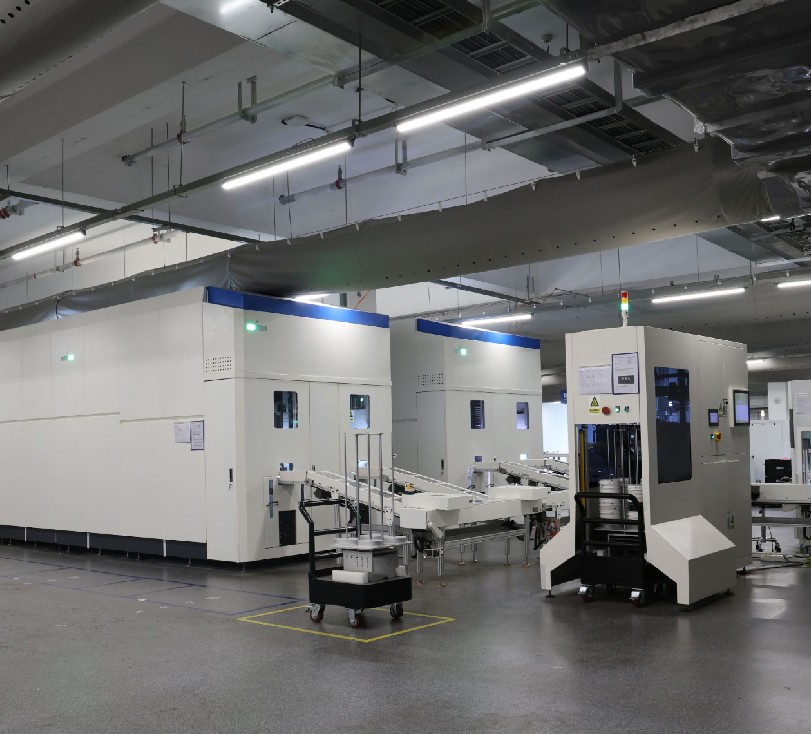
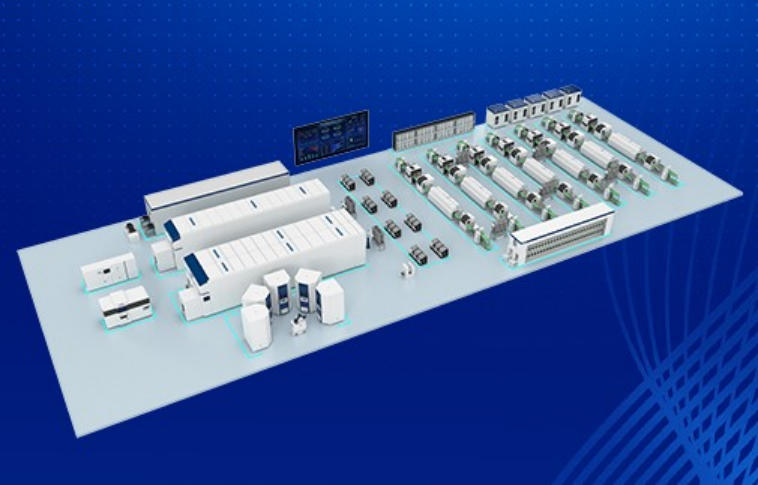
PassionIOT provides smart warehouse solutions that support SMT kitting processes. Its systems can cover SMD smart warehouse, reel storage, solder paste storage, stencil storage, auto labelling, X-ray component counting, and vertical storage. By connecting identification, storage, counting, and picking, PassionIOT helps manufacturers automate kitting and support more reliable SMT production delivery.

×

Leave a Message

验证码