In the intricate world of Surface Mount Technology (SMT), where components are shrinking to microscopic scales, the margin for error has effectively vanished. Among the various materials used in the assembly process, solder paste is perhaps the most temperamental and critical. It is the "glue" that holds the modern electronics world together, yet its performance is highly dependent on environmental variables that are often overlooked. For high-precision SMD (Surface Mount Device) production, the journey to a zero-defect PCB begins long before the first component is placed; it starts with how the paste is stored, handled, and prepared.
The Science of Solder Paste: A Delicate Balance
Solder paste for SMD is not a simple metallic sludge. It is a sophisticated suspension of powdered solder alloy particles within a chemically active flux. The flux serves multiple roles: it removes oxides from metal surfaces, prevents further oxidation during the heating process, and provides the necessary tackiness to hold components in place before the reflow oven melts the alloy.
Because of its chemical composition, solder paste is highly sensitive to its surroundings. If exposed to the wrong conditions, several physical and chemical degradations occur:
l Oxidation: If the solder powder particles oxidize prematurely, the flux is "exhausted" trying to clean the powder itself rather than the PCB pads. This leads to poor wetting and "graping" defects.
l Viscosity Changes: Solder paste is thixotropic, meaning its viscosity changes under stress. However, if the ambient temperature is too high, the paste can become too "runny," leading to slumped prints and bridge shorts between pads.
l Moisture Absorption: Flux is often hygroscopic. If it absorbs moisture from the air, the water can rapidly expand into steam during reflow, causing "solder balling" or "popcorning" that can damage sensitive components.
Why Temperature and Time Management are Critical
To maintain the integrity of solder paste, industry standards typically dictate cold storage, usually between 2°C and 10°C. This refrigeration slows down the chemical reaction between the flux and the solder particles, extending the shelf life of the material.
However, cold storage introduces its own set of challenges. Cold paste cannot be used immediately; it must be brought to room temperature naturally. Using "cold" paste on a warm stencil causes moisture to condense directly into the mixture, leading to the aforementioned defects. Furthermore, the "First-In, First-Out" (FIFO) principle is vital. If an older jar of paste is buried behind new stock and expires, its flux chemistry may no longer be potent enough to ensure a reliable joint, leading to latent failures that might only appear after the product has reached the end consumer.
The Impact on SMD Production Quality
When solder paste for SMD is managed correctly, the benefits ripple through the entire production line. High-quality paste management ensures:
1. Stable Printing: Consistent viscosity leads to uniform paste deposits, which is essential for fine-pitch components like BGAs and 01005 chips.
2. Reduced Rework: By eliminating issues like solder bridging or "tombstoning," manufacturers can significantly reduce the cost of post-reflow manual repairs.
3. Long-term Reliability: Proper flux activity ensures a strong intermetallic bond, which is the cornerstone of a device's longevity in the field.
In a B2B manufacturing environment where "Lighthouse Factories" strive for total automation, the manual handling of these jars is often the weakest link in the chain. Human error in recording "out-of-fridge" times or failing to rotate stock can lead to thousands of dollars in scrapped boards.
Smarter Material Handling with PassionIOT
As global manufacturing shifts toward Industry 4.0, the need for automated material management has never been greater. PassionIOT, a specialized provider in smart warehouse and factory automation, recognizes that the most advanced SMT line is only as good as the materials fed into it. To address the inherent risks of manual chemical handling, they have developed a specialized suite of solutions for solder paste management.
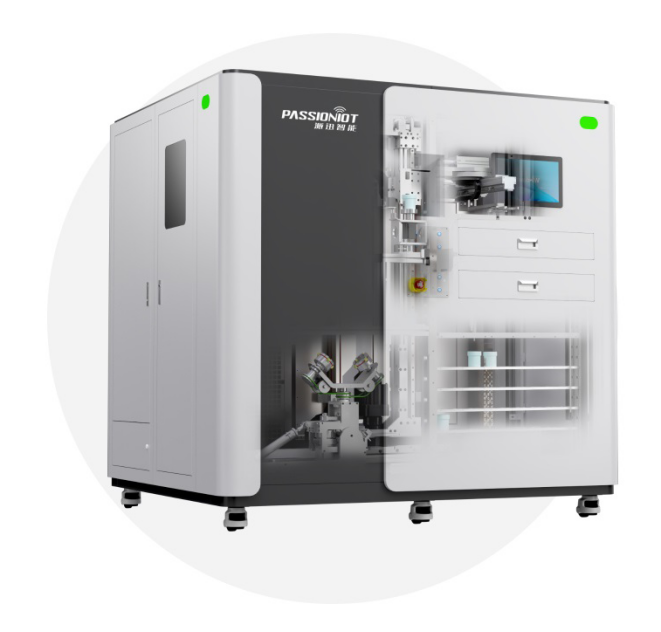
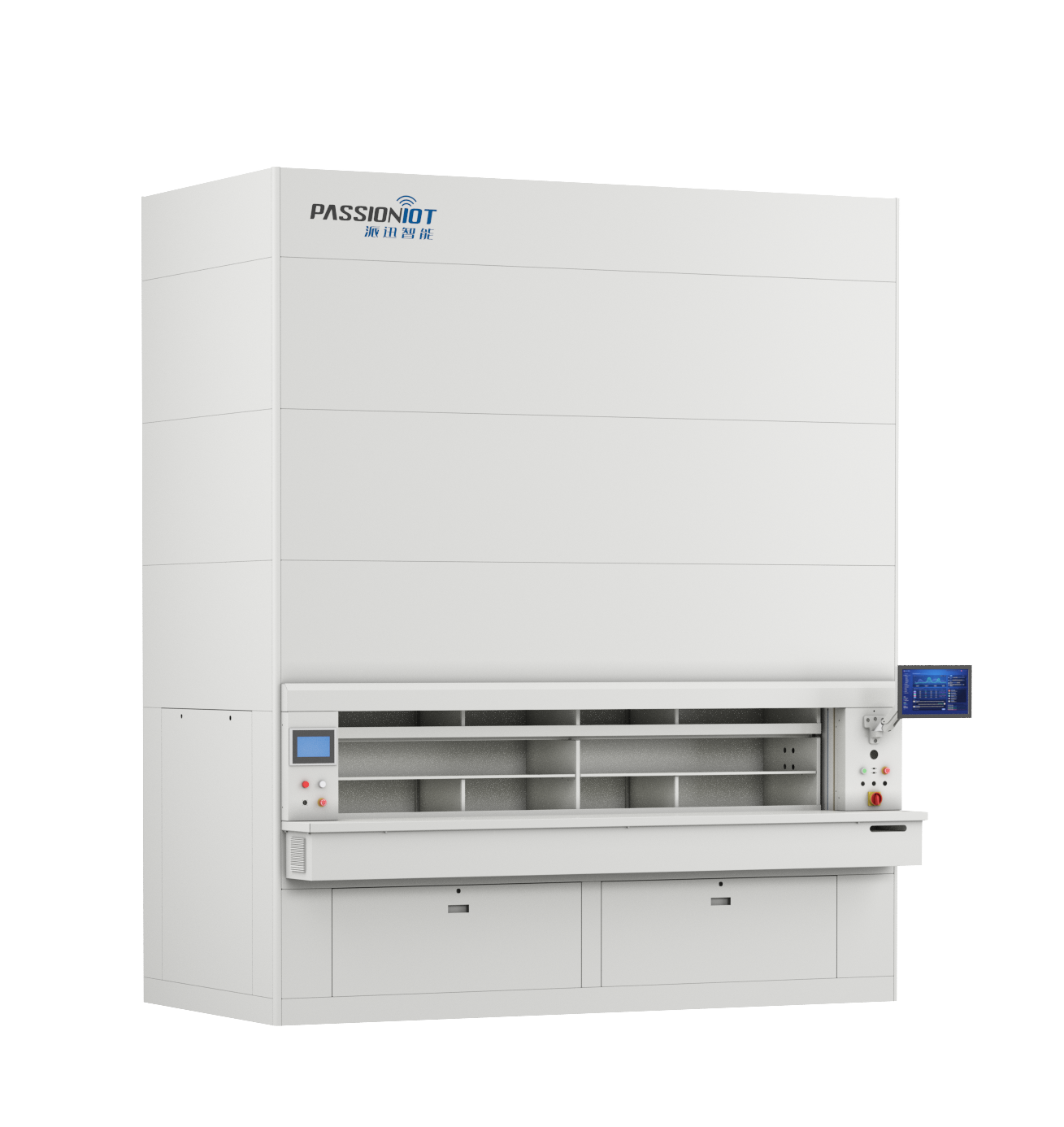
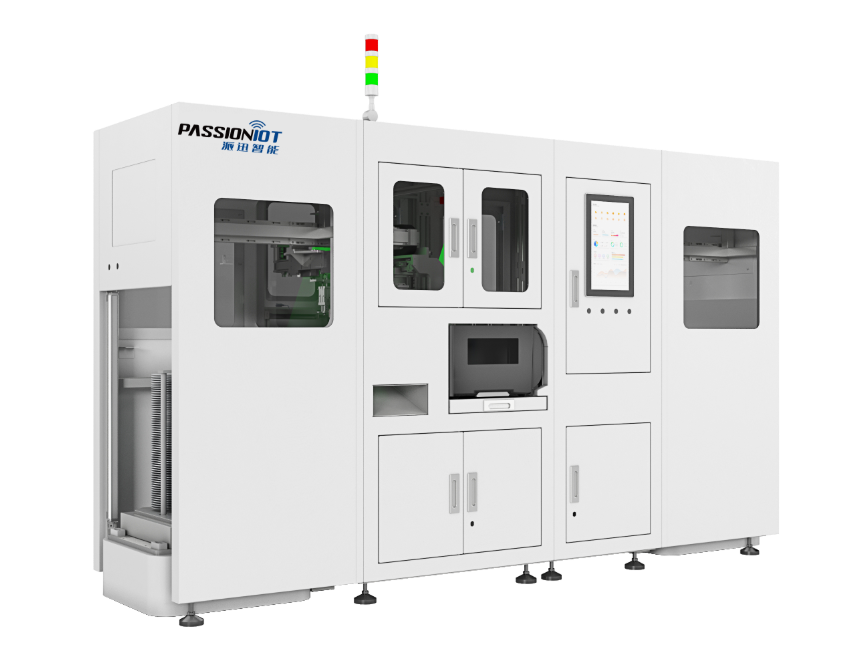
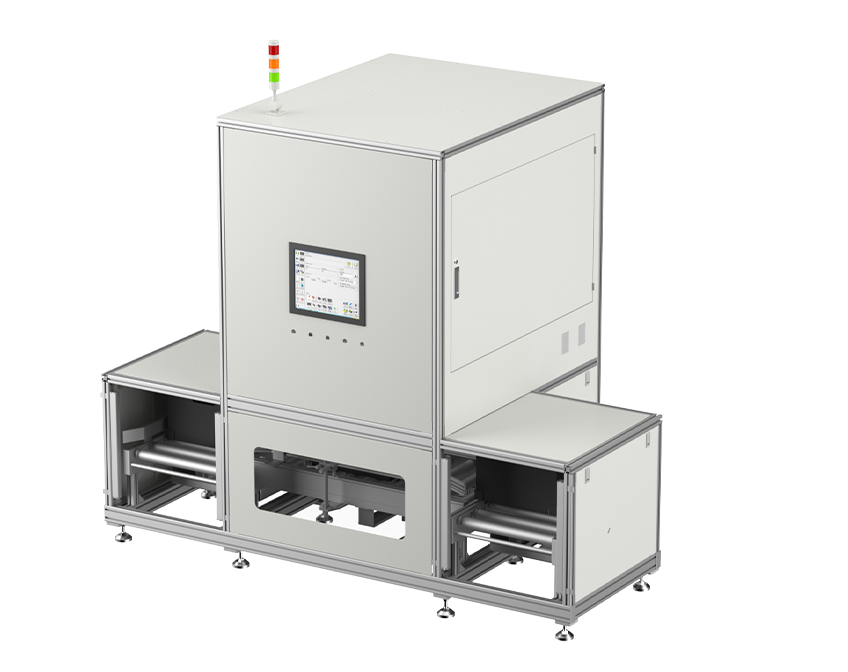
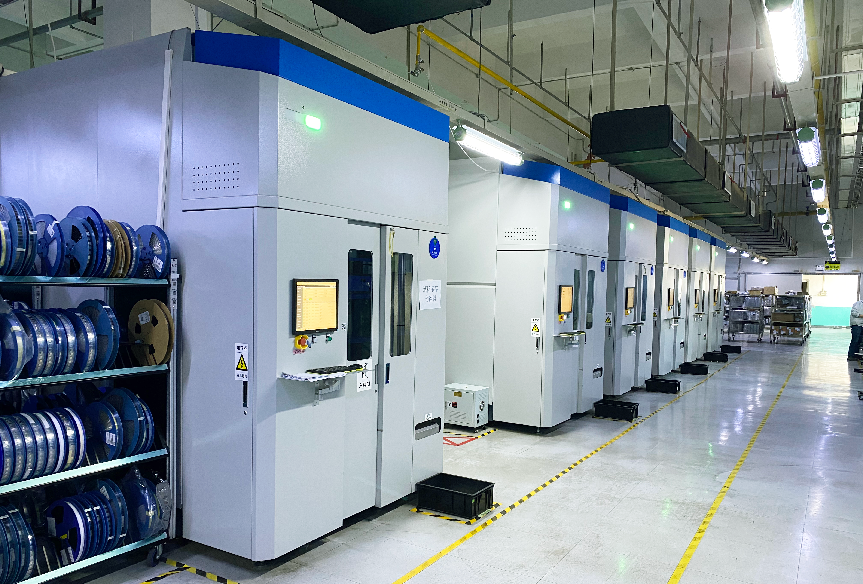
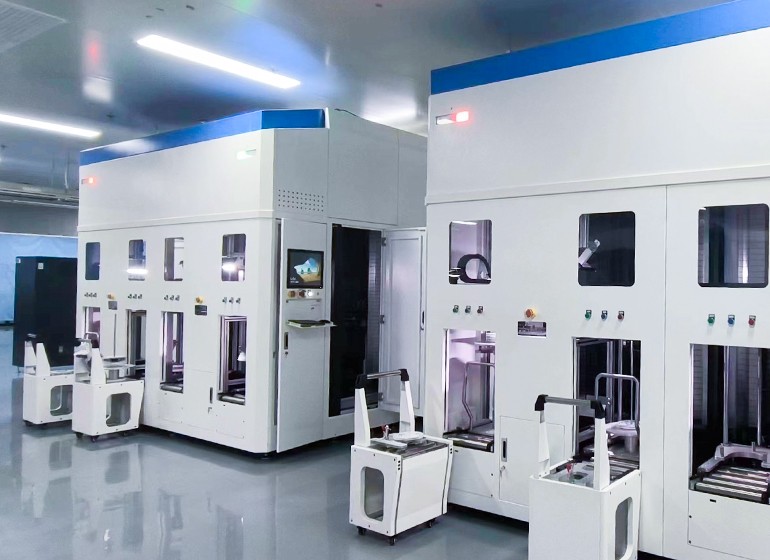
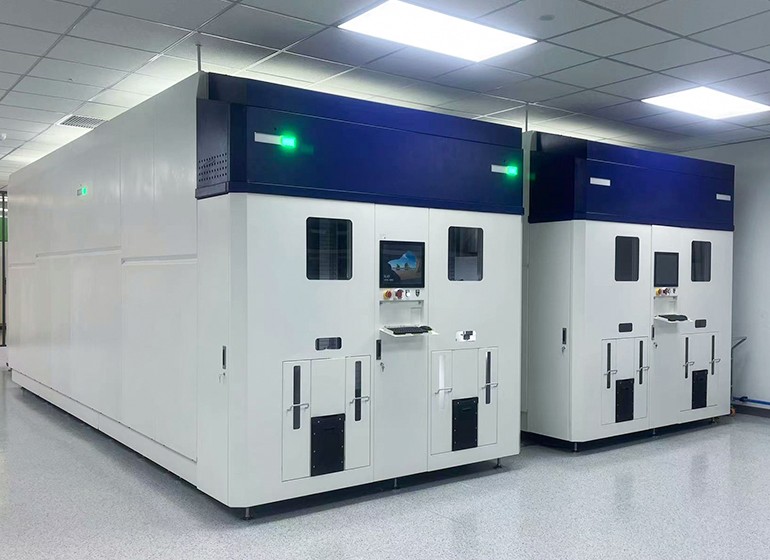
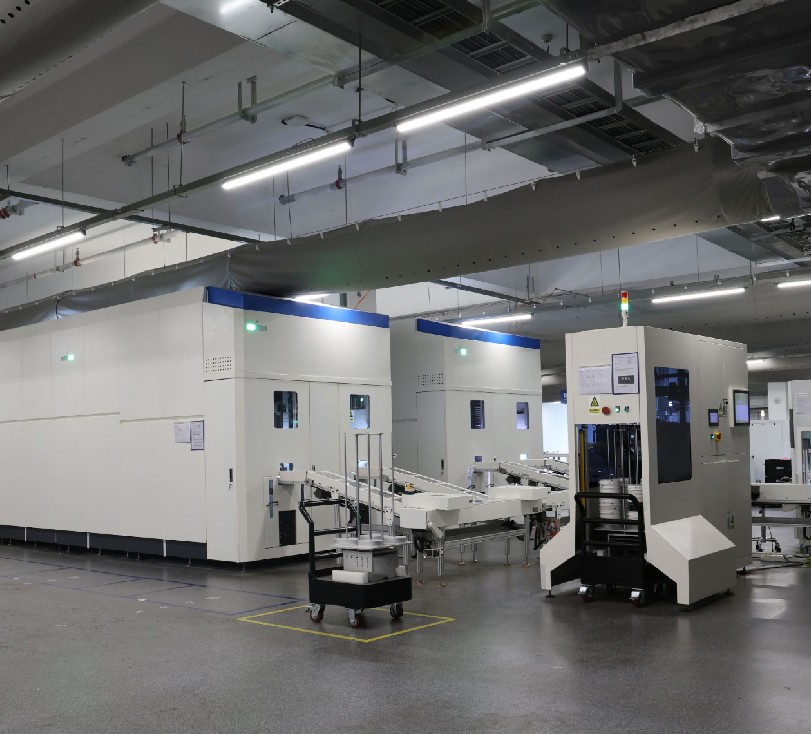
The PassionIOT Solder Paste Storage system is a purpose-built solution for maintaining and handling solder paste with maximum precision. It incorporates separate refrigerated, warming, and stirring sections to keep solder paste at exact temperature settings, fully prepared for immediate application. The system features built-in shelf-life monitoring for materials approaching expiration, offering real-time tracking and optimized usage. This carefully regulated environment preserves solder paste quality and uniformity, making it a reliable choice for electronics production.
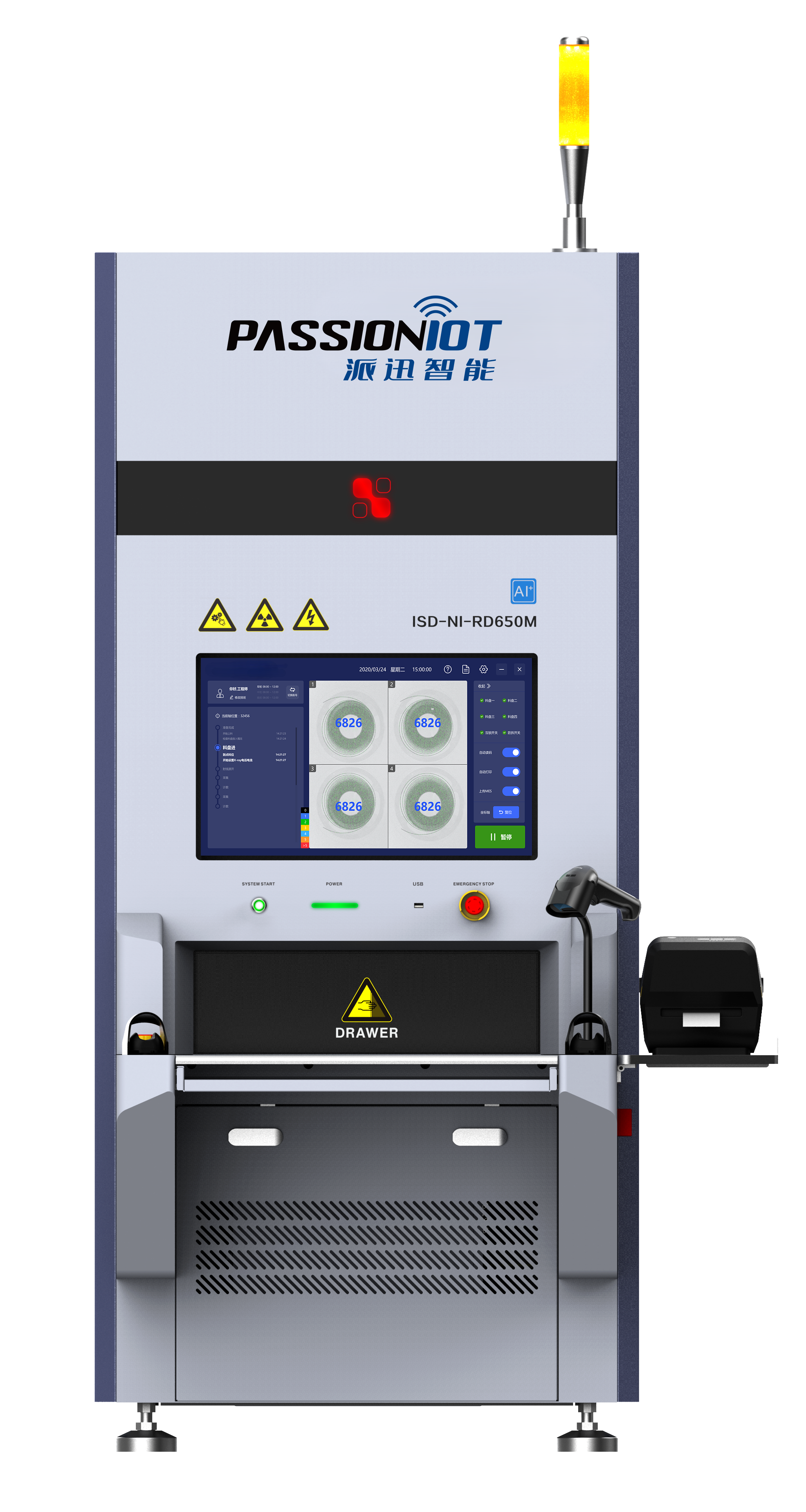
The PassionIOT solder paste storage system is designed to deliver traceability, reliability, and intelligent efficiency. It provides full process traceability from paste thawing to stirring, integrates in real time with MES/ERP/WMS for seamless data flow, and reduces quality risks associated with manual handling. The system is engineered for energy efficiency, featuring an optimized access design for the refrigeration zone to minimize cold loss, while its ergonomic and user-friendly interface ensures smooth and intuitive operation. This combination of precision control and smart design helps maintain consistent solder paste quality and supports stable, efficient electronics manufacturing.
Conclusion
By serving high-tier clients like Foxconn and Schneider Electric, PassionIOT has refined its technology to support full data traceability. Every jar’s history—from the moment it entered the facility to the moment it was applied to a PCB—is recorded and accessible via MES/ERP integration. This level of oversight not only guarantees SMD production quality but also provides the "digital twin" data necessary for modern quality audits. Through these innovations, PassionIOT ensures that the most delicate link in the electronics assembly chain is also the most reliable.















 Home
Home