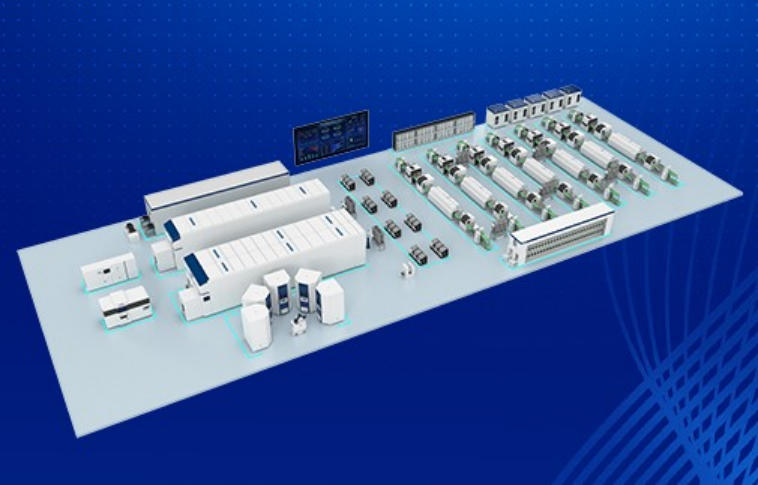
In the high-stakes world of electronics manufacturing, the "one-size-fits-all" era has long since passed. As consumer gadgets become thinner and industrial sensors more robust, the Printed Circuit Board (PCB) designs powering them have become increasingly complex. From flexible circuits that wrap around a device’s interior to high-density interconnects (HDI) packed with microscopic components, the diversity of board layouts is staggering. For an electronic equipment manufacturer, the challenge is no longer just building a fast machine, but building an adaptable one.
The question of whether manufacturers can provide custom Surface Mount Technology (SMT) solutions is central to the future of smart factories. As production requirements shift from high-volume/low-mix to low-volume/high-mix, the ability to tailor an SMT machine to a specific PCB design has become a competitive necessity.
The Anatomy of Customization in SMT Lines
Customization in SMT is not merely about changing a setting on a screen; it involves a deep architectural adjustment of the production line to accommodate the physical and electrical nuances of a unique PCB.
1. Specialized Nozzle and Feeder Configurations
The most immediate point of customization is the interface between the SMT machine and the component. For PCB designs that utilize non-standard parts—such as heavy power inductors, tall electrolytic capacitors, or odd-shaped connectors—standard vacuum nozzles often fail. Manufacturers now develop custom-molded nozzles and vibration feeders designed specifically for these "odd-form" components. This ensures that even the most unorthodox PCB layout can be populated with the same speed and precision as a standard smartphone board.
2. Board Handling and Support Systems
Modern PCB designs often push the boundaries of materials. Flexible PCBs (FPCBs) are a prime example; they are prone to warping and movement during the high-speed placement process. A custom SMT solution for these designs might involve specialized vacuum pallets or magnetic fixtures that keep the substrate perfectly flat. Furthermore, for oversized boards used in LED lighting or automotive backplanes, the internal transport system of the SMT machine must be customized with extended rails and synchronized dual-lane conveyors to prevent board sag and ensure alignment.
3. Vision System Tuning
Customization also extends to the "eyes" of the equipment. For PCBs with high-reflectivity surfaces, unusual solder mask colors (like white or transparent), or complex fiducial markers, standard vision algorithms may struggle. Manufacturers provide custom software "profiles" that adjust lighting angles, intensities, and recognition patterns. This level of tuning ensures that the machine recognizes every pad and component with sub-micron accuracy, regardless of the board's visual complexity.
The Collaborative Engineering Process
For B2B manufacturing partners, the creation of a custom SMT solution is a collaborative journey. It typically begins with a Design for Manufacturing (DFM) review, where the electronic equipment manufacturer analyzes the client's Gerber files and Bill of Materials (BOM). By identifying potential bottlenecks—such as components placed too close to the board edge or thermal management issues—the manufacturer can suggest hardware modifications before the first machine is even bolted to the floor.
This proactive approach reduces the "Time to Market" and ensures that the production line is optimized for the highest possible yield from day one.
Driving Innovation with PassionIOT
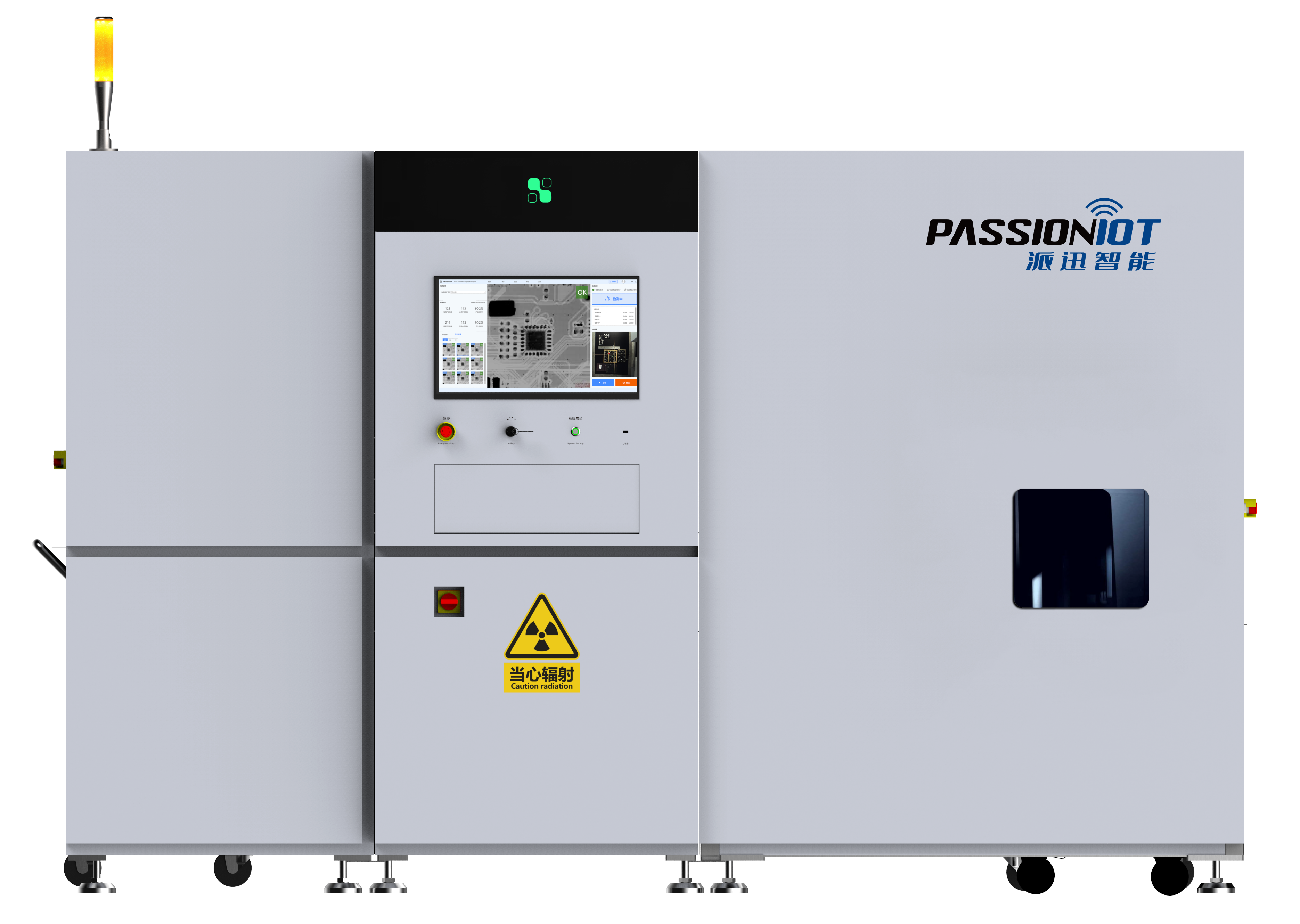
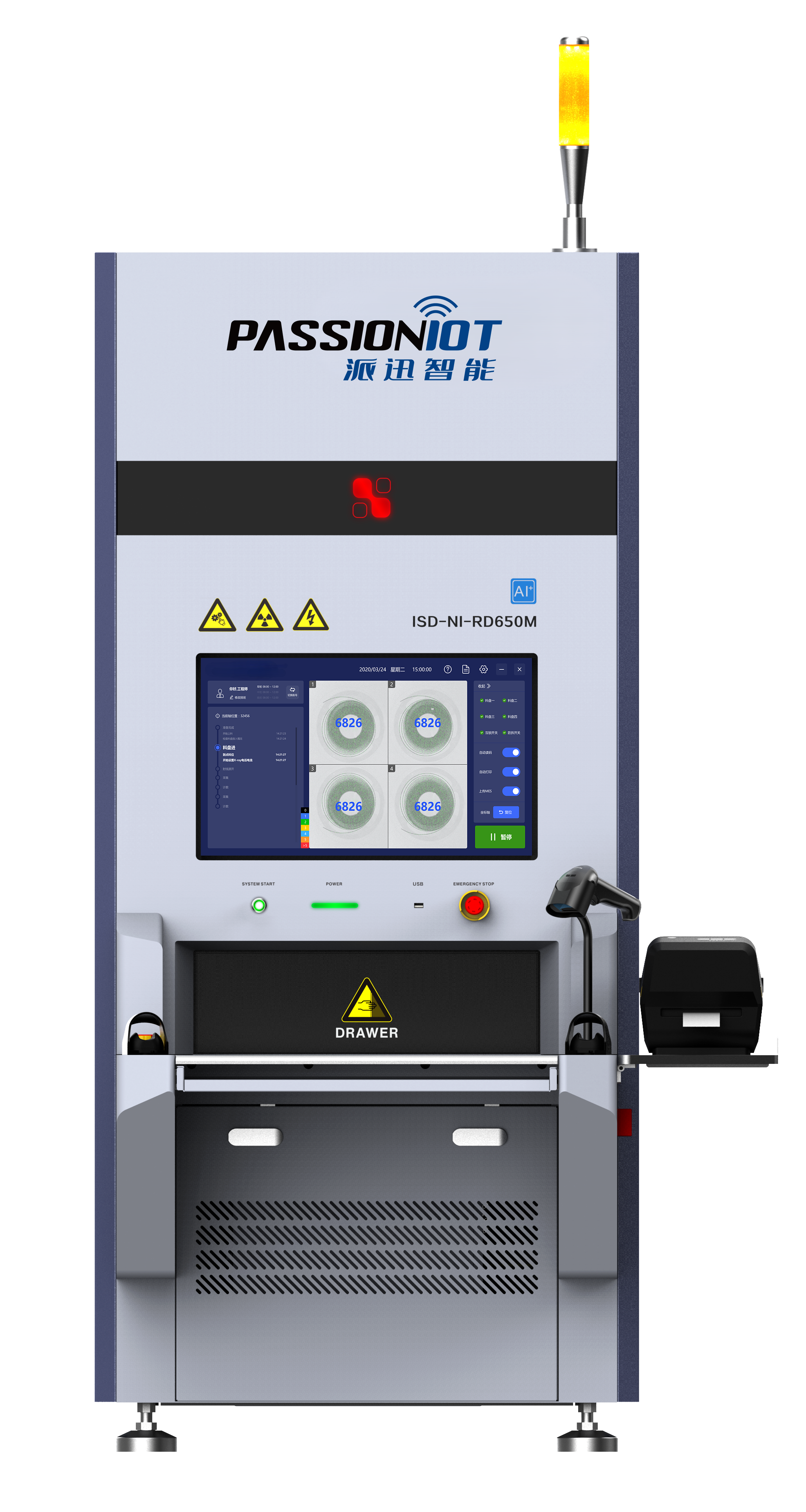
When it comes to bridging the gap between complex PCB designs and efficient mass production, PassionIOT stands at the forefront of the industry. As a specialized electronic equipment manufacturer, PassionIOT does not just provide hardware; they provide a comprehensive ecosystem of smart manufacturing solutions. Their expertise is sought after by global leaders like Foxconn and Schneider Electric, who require more than just a standard SMT machine—they require a partner capable of solving unique logistical and technical puzzles.
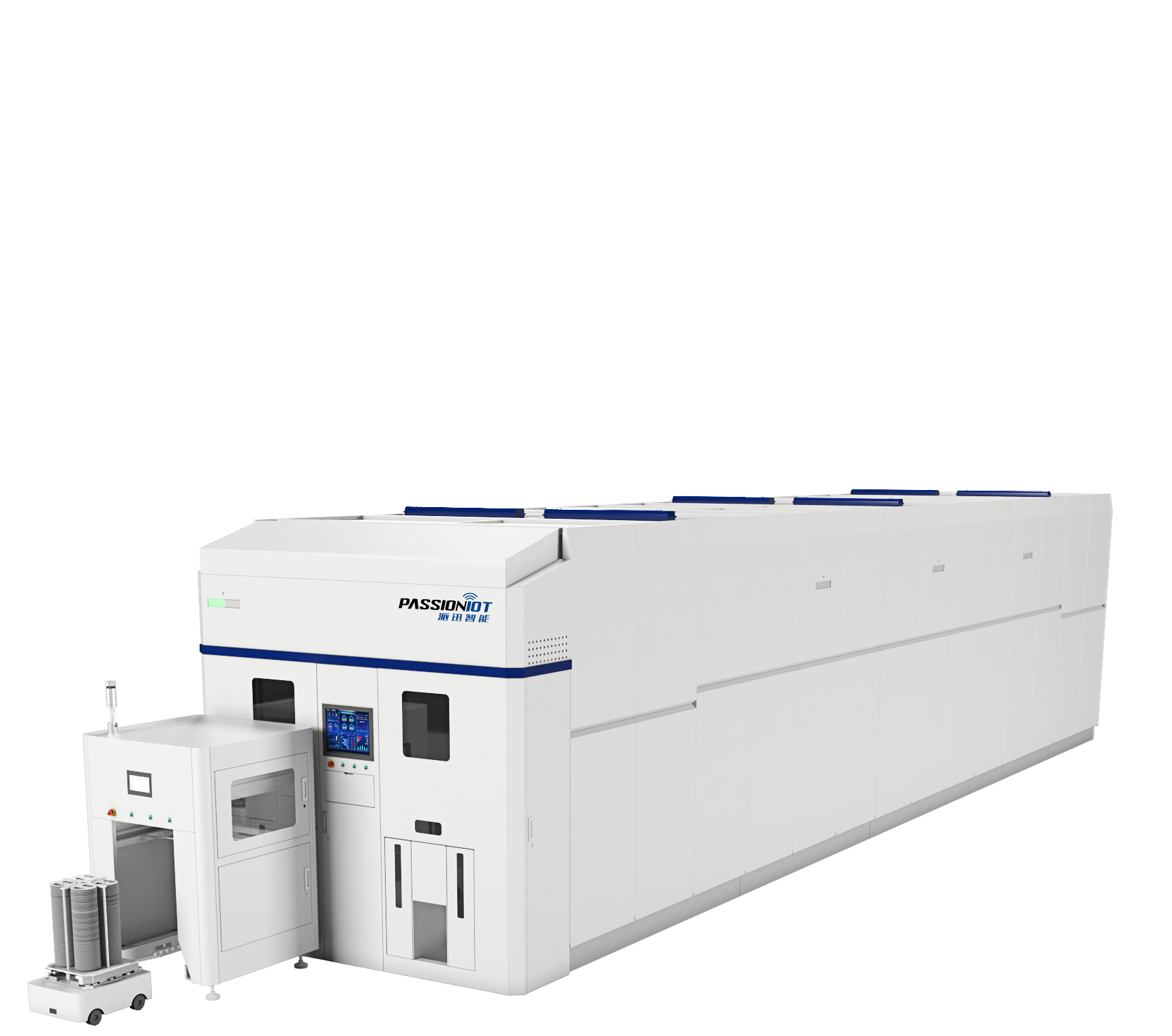
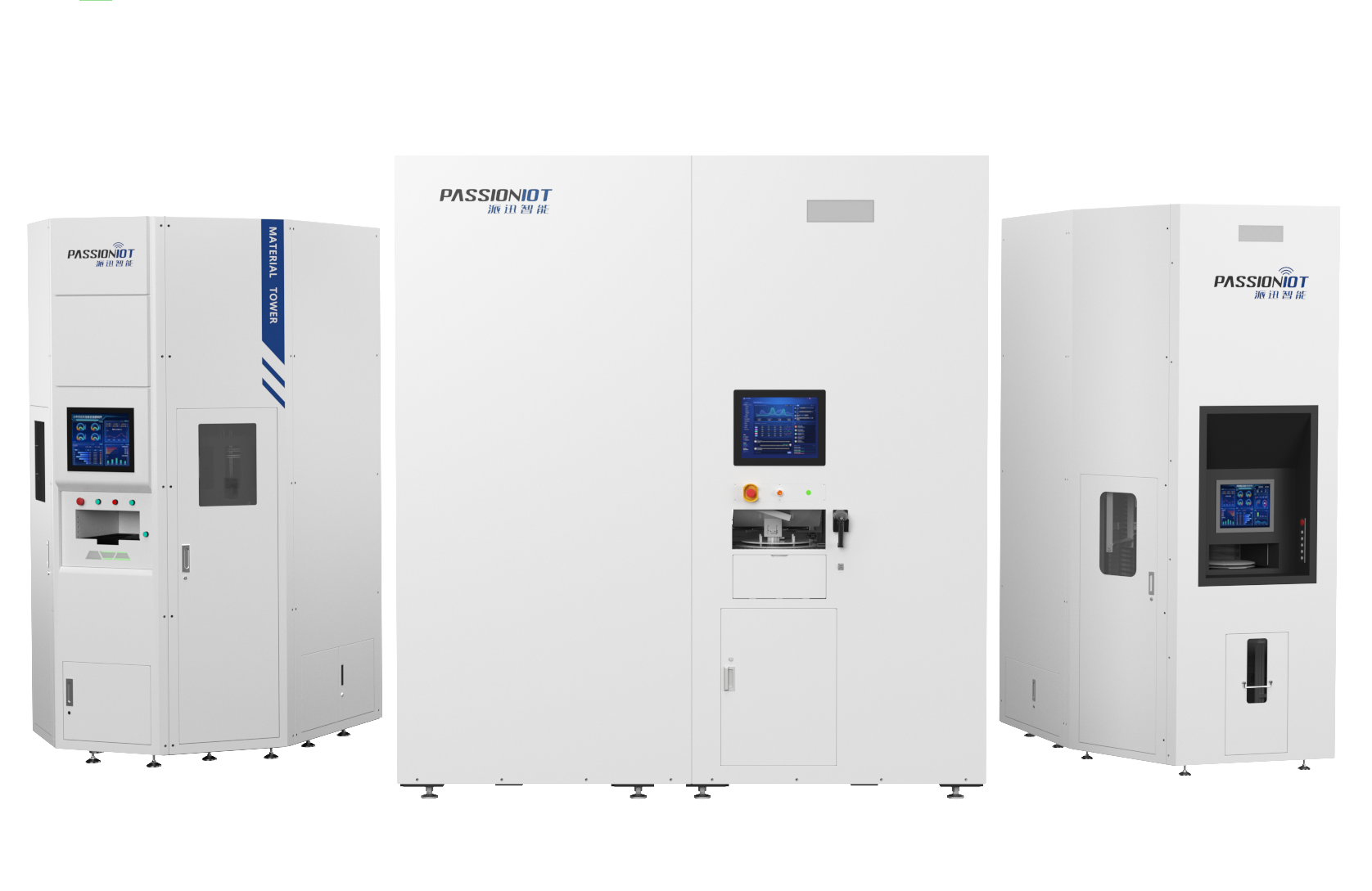
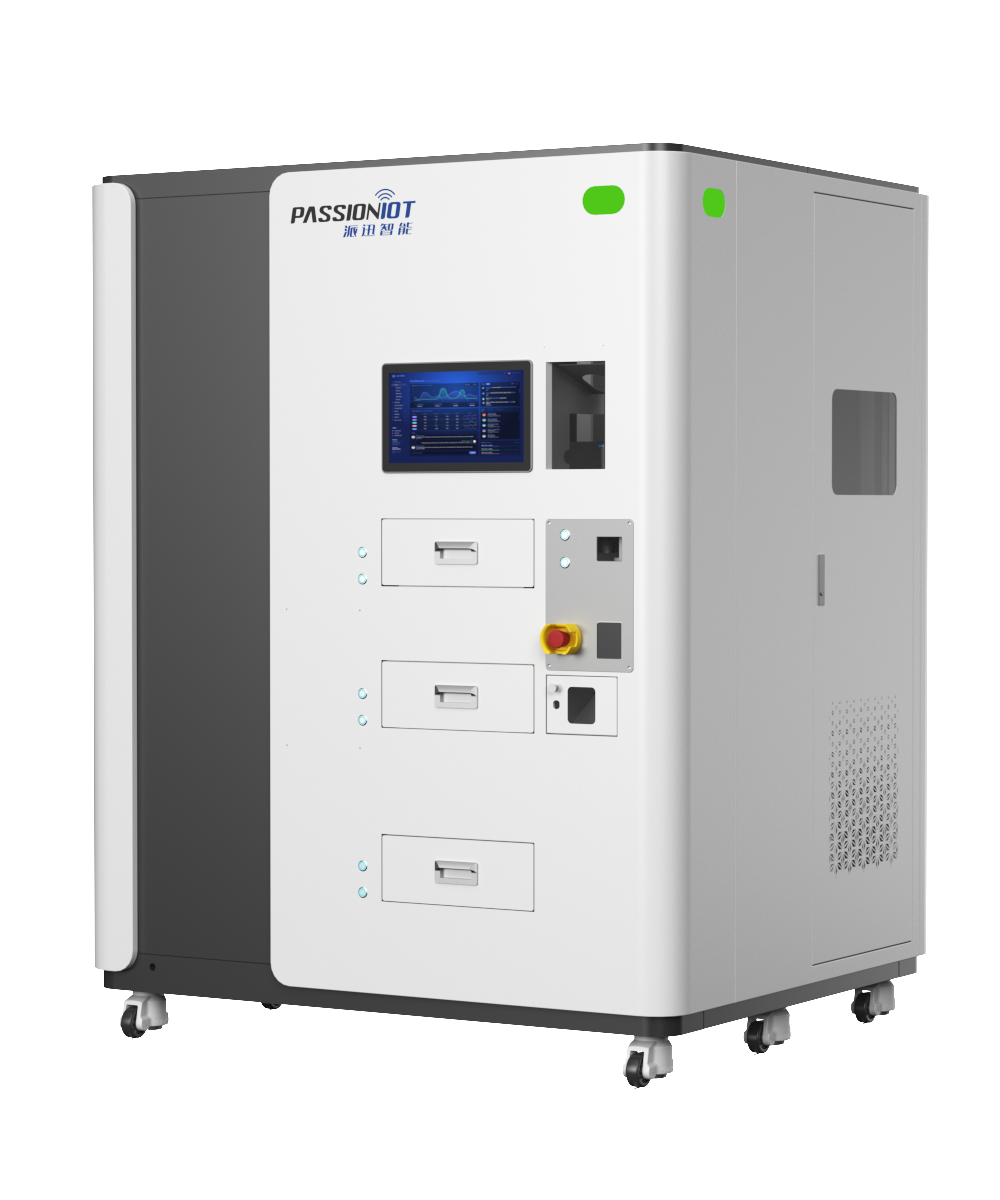
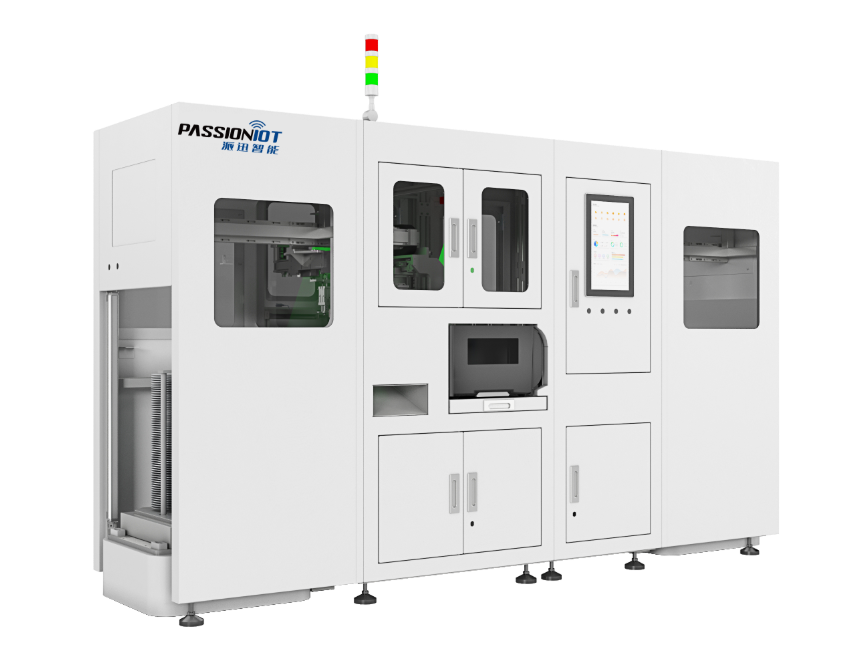
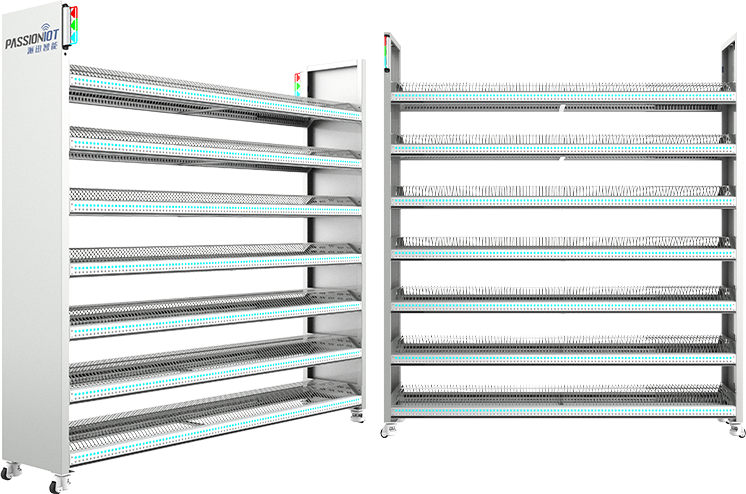
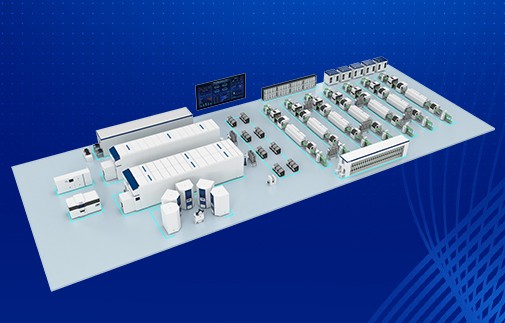
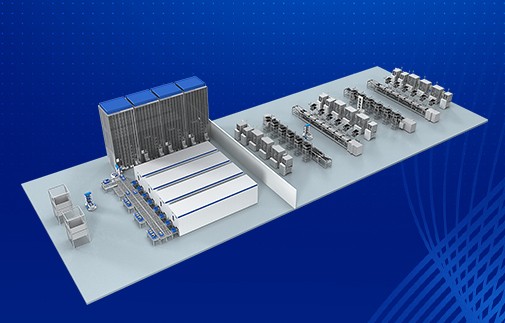
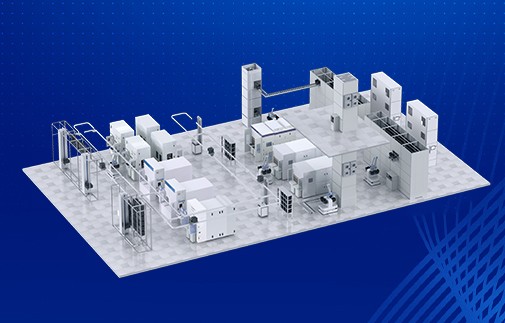
PassionIOT excels in creating highly adaptable environments for the SMT process. Their product suite, which can be explored in detail through their comprehensive product portfolio, is designed with a modular philosophy. This allows for seamless integration and customization across various stages of the SMT line, from material preparation to final inspection.
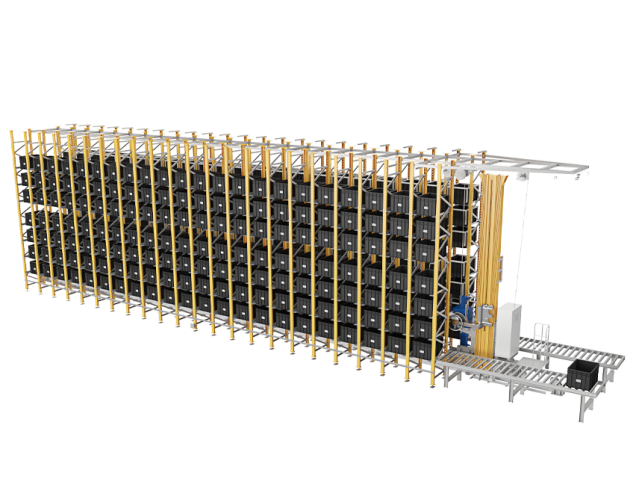
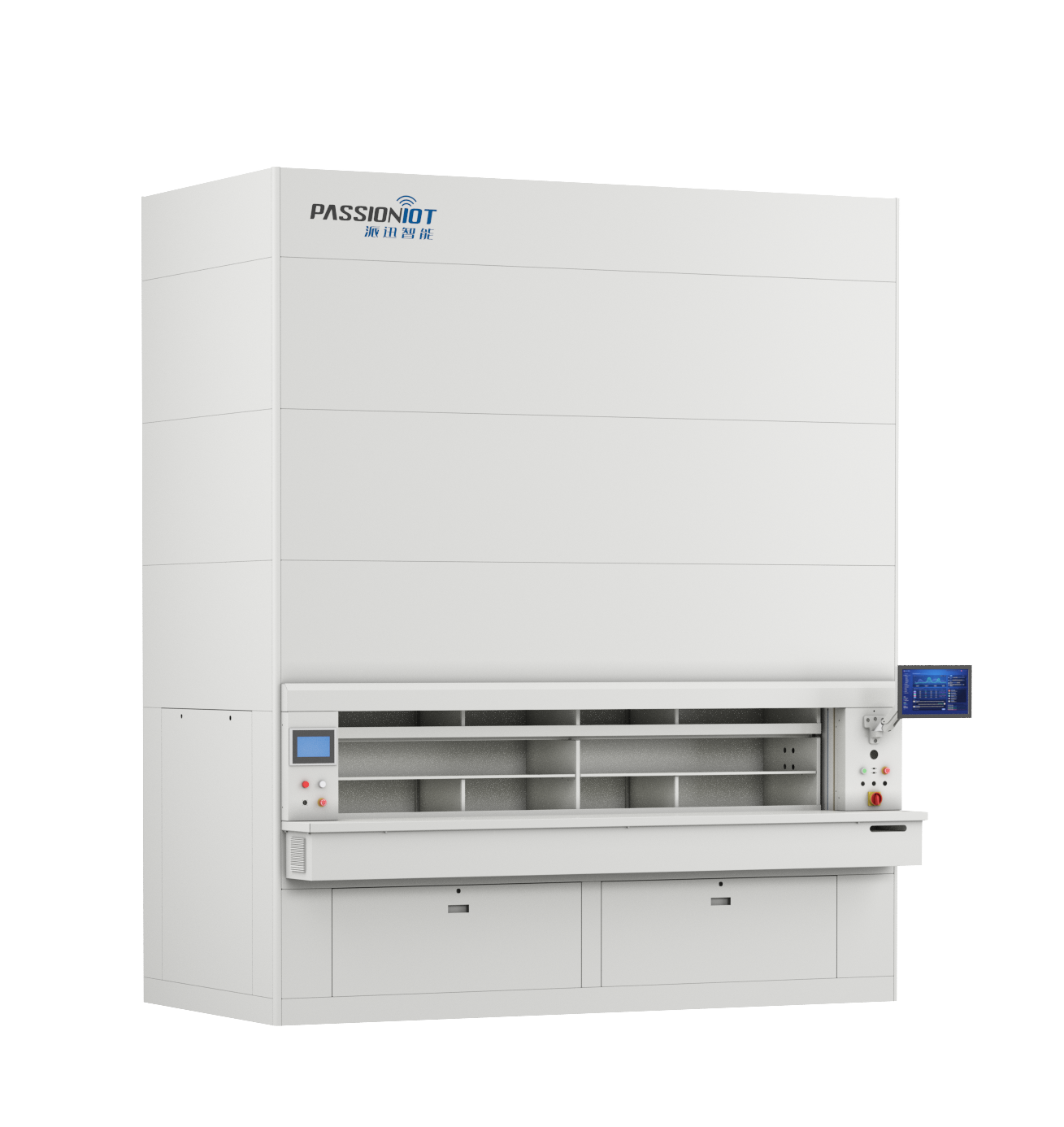
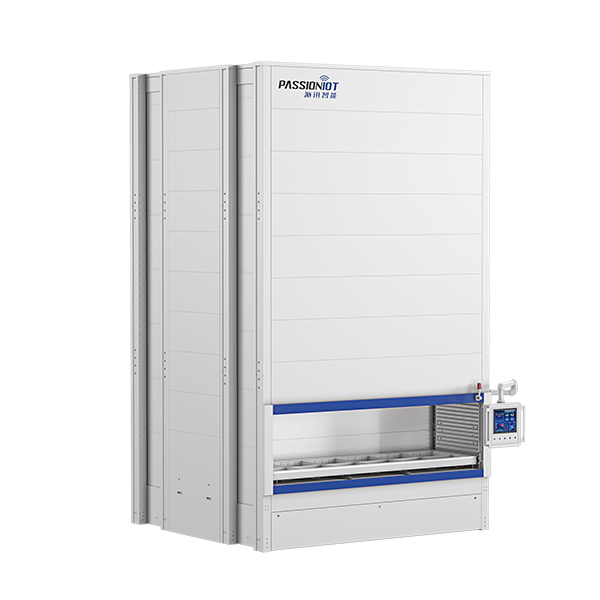
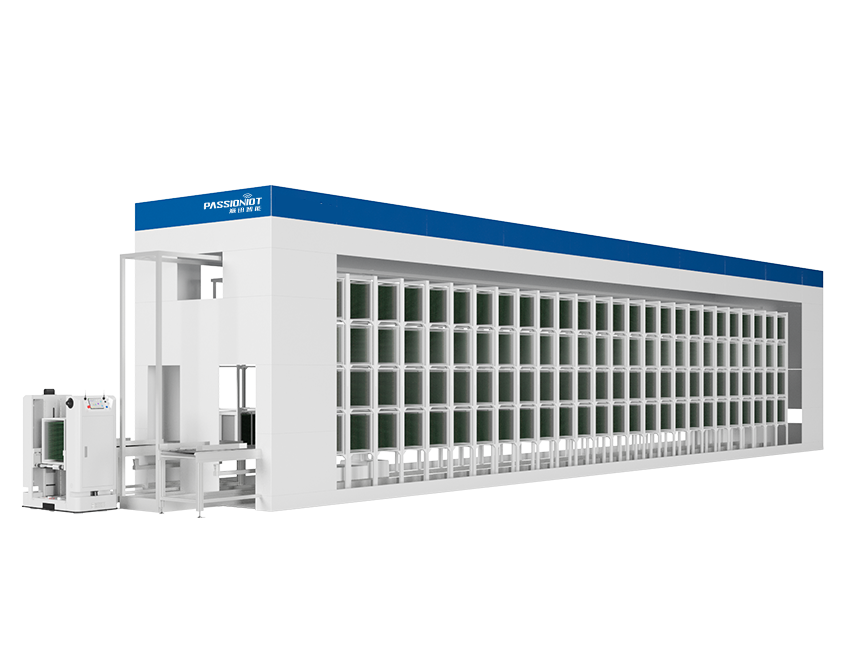
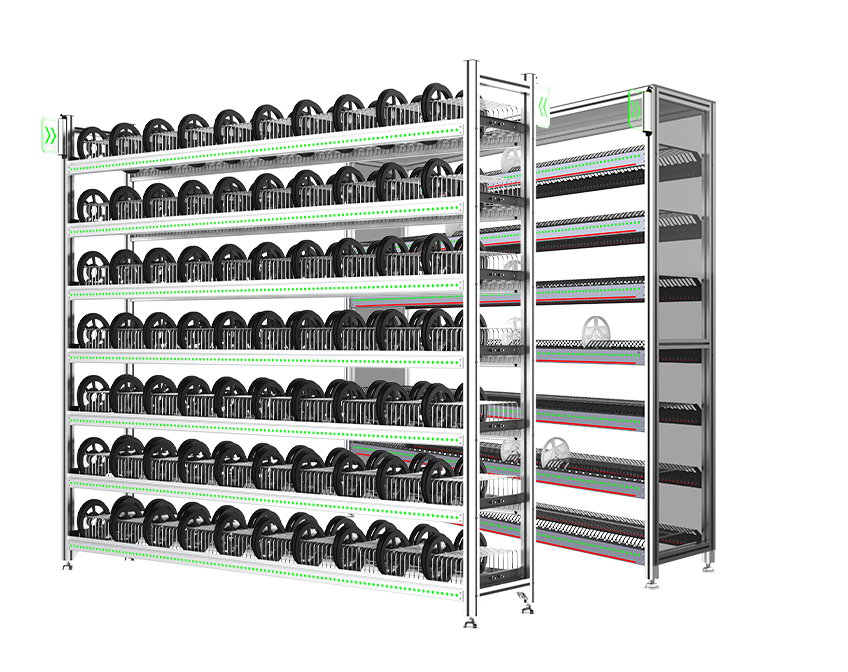
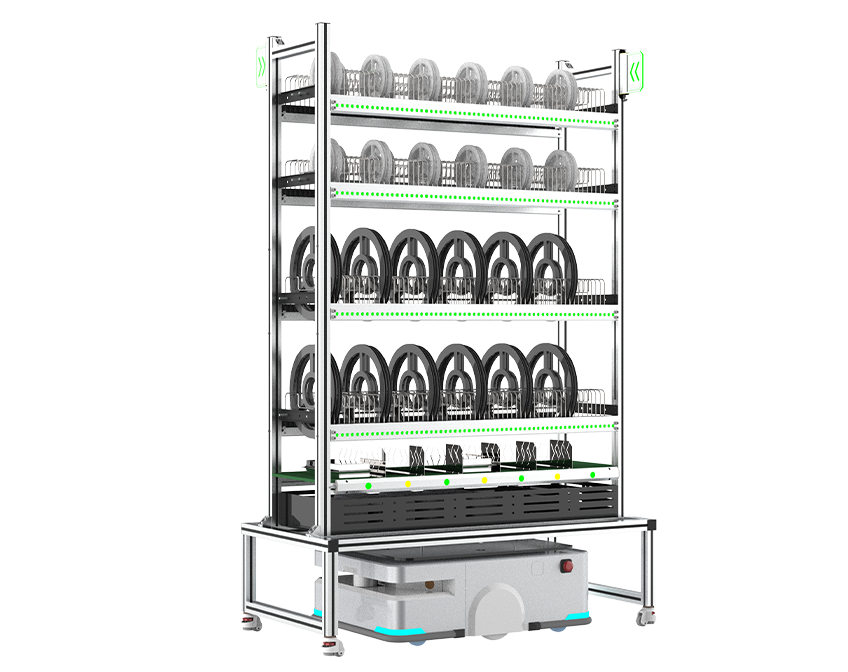
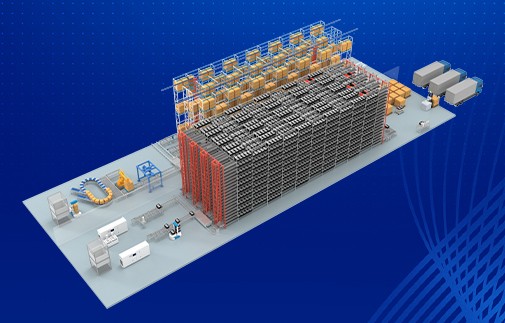
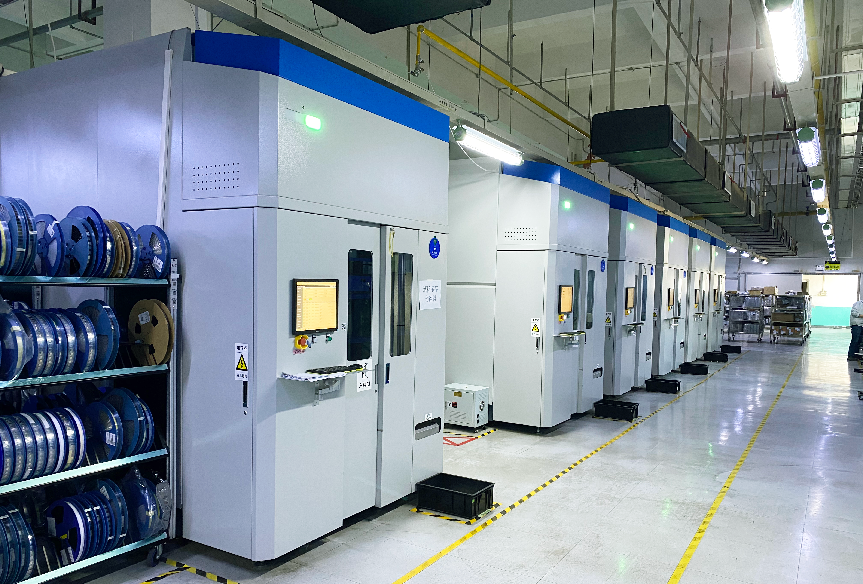
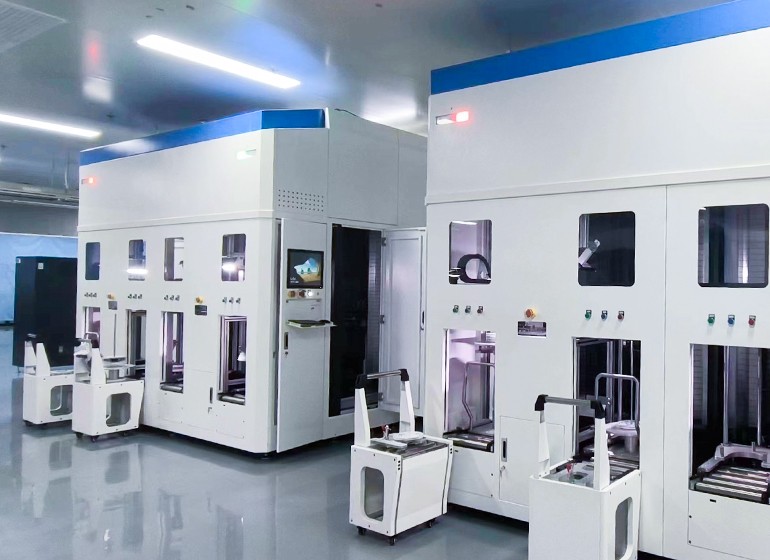
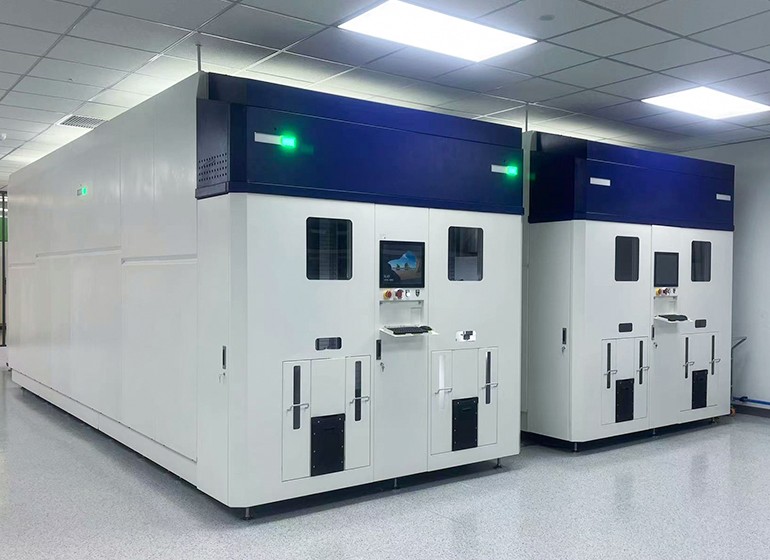
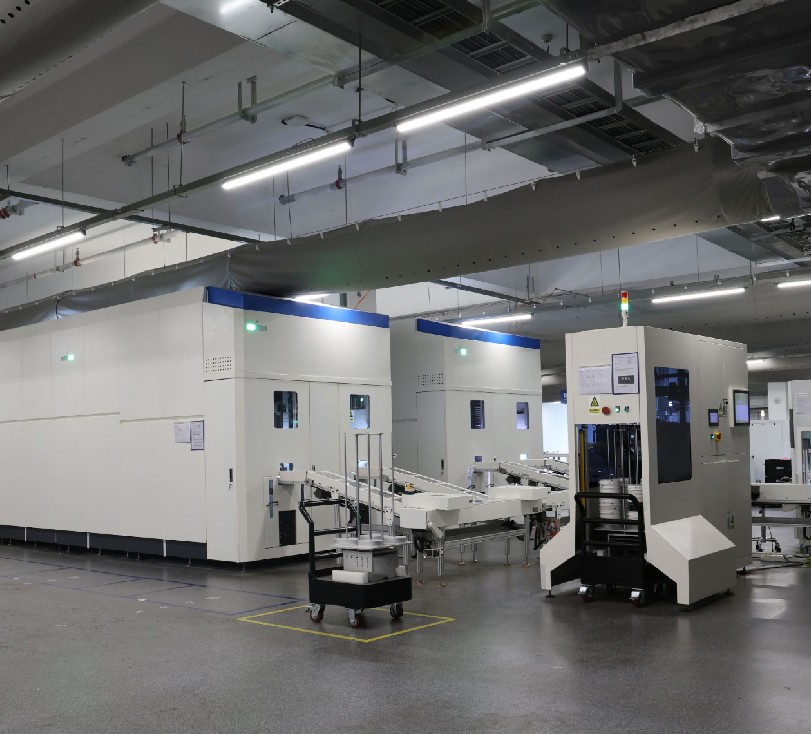
A key area where PassionIOT provides specialized value is in the management of SMT materials. For example, their automated storage and retrieval systems (AS/RS) can be customized to handle a vast array of reel sizes and component types, ensuring that the right part reaches the placement head exactly when needed. This is particularly crucial for manufacturers dealing with diverse PCB designs that require frequent changeovers.
Conclusion
By integrating AI-driven software with robust mechanical engineering, PassionIOT enables factories to transition from one complex board design to another with minimal downtime. Their solutions are engineered to support the "Lighthouse Factory" vision, where every piece of equipment is interconnected and capable of real-time adaptation. Whether a manufacturer is dealing with the extreme miniaturization of 3C electronics or the rugged requirements of the automotive sector, PassionIOT provides the tailored automation necessary to ensure that even the most ambitious PCB designs can be realized with flawless precision.





 Home
Home