Poor solder paste storage management costs manufacturers in multiple ways. For example, quality defects trace back to improper storage conditions, material waste accumulates from expired inventory, and broken traceability chains complicate root cause analysis during audits.
With inconsistent market offerings, choosing the wrong solder paste storage model adds maintenance burdens and hidden operational costs.
This guide presents five practical dimensions to help establish scientific selection criteria for production environments.
Storage Capacity Matching Production Scale
1. Refrigeration Capacity Calculation
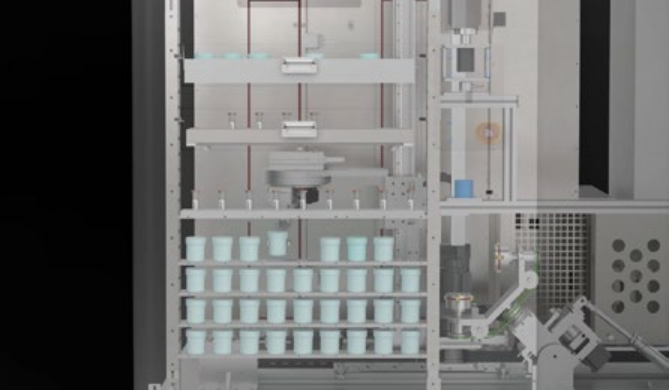
A smart solder paste cabinet’s storage capacity must align with physical production demands.
Estimating refrigeration capacity requires analyzing daily consumption alongside necessary shelf-life buffers. Under-sizing leads to stockouts or the premature usage of material before it fully warms up, while over-sizing increases energy overhead.
2. Retrieval Efficiency for High-Frequency Lines
Beyond total volume, retrieval speed is crucial for high-frequency SMT lines. Low access efficiency during peak shift changes creates severe line-side bottlenecks.
3. Modular Expansion Support
Fixed-capacity systems often force complete equipment replacement when production scales up.
In contrast, modular designs allow for adding storage sections without replacing core infrastructure or disrupting existing material flow.
This approach protects capital investment and provides flexibility for phased capacity expansion aligned with business growth.
Stable and Reliable Temperature Control Technology
Solder paste is highly sensitive to thermal shifts; maintaining a stable environment between 0°C and 10°C prevents flux separation and viscosity degradation.
Temperature uniformity across the refrigeration zone is paramount. Poorly engineered units often exhibit significant temperature differentials between shelf edges and the central core, compromising material integrity.
Additionally, the access port design must minimize cold-air loss during frequent openings, as continuous exposure to ambient moisture can cause corrosion. This moisture results in condensation, a primary catalyst for solder defects.
Buyers should choose active condensate management solutions, such as automated self-evaporation modules, over passive drainage trays that require manual emptying and risk bacterial growth.
Full-Process Traceability
1. System Integration Capability
A smart solder paste storage cabinet should never be a "data island." Seamless compatibility with MES, ERP, and WMS via open-standard interfaces (such as REST APIs or OPC UA) is vital.
Proprietary communication protocols lock the manufacturers into a vendor's ecosystem and complicate data flow between systems. Integration capability determines whether cabinet data is automatically populated into the quality management system or requires manual entry.
Confirm that the interface supports bidirectional communication for real‑time inventory and material status updates.
2. Data Recording Completeness
Data logging must be comprehensive, capturing timestamped records for every phase of the material lifecycle: warehouse entry with receiving inspection data, tempering duration with ambient conditions, dispensing events with operator identification, and barcode cancellation upon consumption.
Incomplete records break root cause analysis during quality investigations or compliance audits. Timestamp precision and operator accountability matter when reconstructing material handling events weeks after production.
3. Exception Alert Mechanisms
In a solder paste storage system, real-time warnings for timeout retrieval, temperature deviations, or dispensing without proper tempering prevent non-conforming material usage before it reaches the production line.
Dashboard visibility enables proactive intervention rather than reactive problem-solving after defects appear. Alert thresholds should be configured based on specific process requirements and quality standards.
Mechanical Structure and Operational Design
1. Robot Arm Precision and Compatibility
Bottle diameter and height variations can jam rigid gripper systems for a single size. Reliable material handling requires an internal picking mechanism with high precision and broad compatibility.
Systems capable of accommodating standard variations in bottle diameter, cap size, and height tolerances ensure smooth operations when handling containers from various manufacturers.
2. Loading Safety
The material loading interface directly affects both operational safety and inventory protection. Properly engineered entry mechanisms prevent dropped containers and eliminate potential pinch points for operators.
Drawer-style loading with position-limiting structures offers a more controlled alternative to top-loading configurations, while safety interlocks restrict access to moving parts during automated cycles.
3. Ergonomic Design
Aligning the cabinet's physical layout with standard workflow requirements supports overall operational efficiency.
When the height of the user interface, loading tray positioning, and retrieval sequence match established workshop habits, operator fatigue is minimized, and task execution remains consistent across high-frequency shifts.
Quality Certification and Service Assurance
1. Compliance Certification
CE marking indicates conformity with EU safety, health, and environmental standards. This matters for global operations and regulatory audits. Certification should cover the complete system, including refrigeration and control electronics.
2. Electrical Design Standards
IEC 60204-1 compliance ensures electrical safety and reduces fire risk. This standard addresses control circuit design, emergency stop functionality, and electrical hazard protection.
3. After-Sales Response and Long-Term Support
Beyond hardware specifications, after-sales support is a decisive factor. Enterprises should evaluate the supplier's field service response times, spare parts availability, and technical support capacity.
A reliable partner guarantees that technical issues are resolved rapidly, minimizing the risk of costly production line downtime.
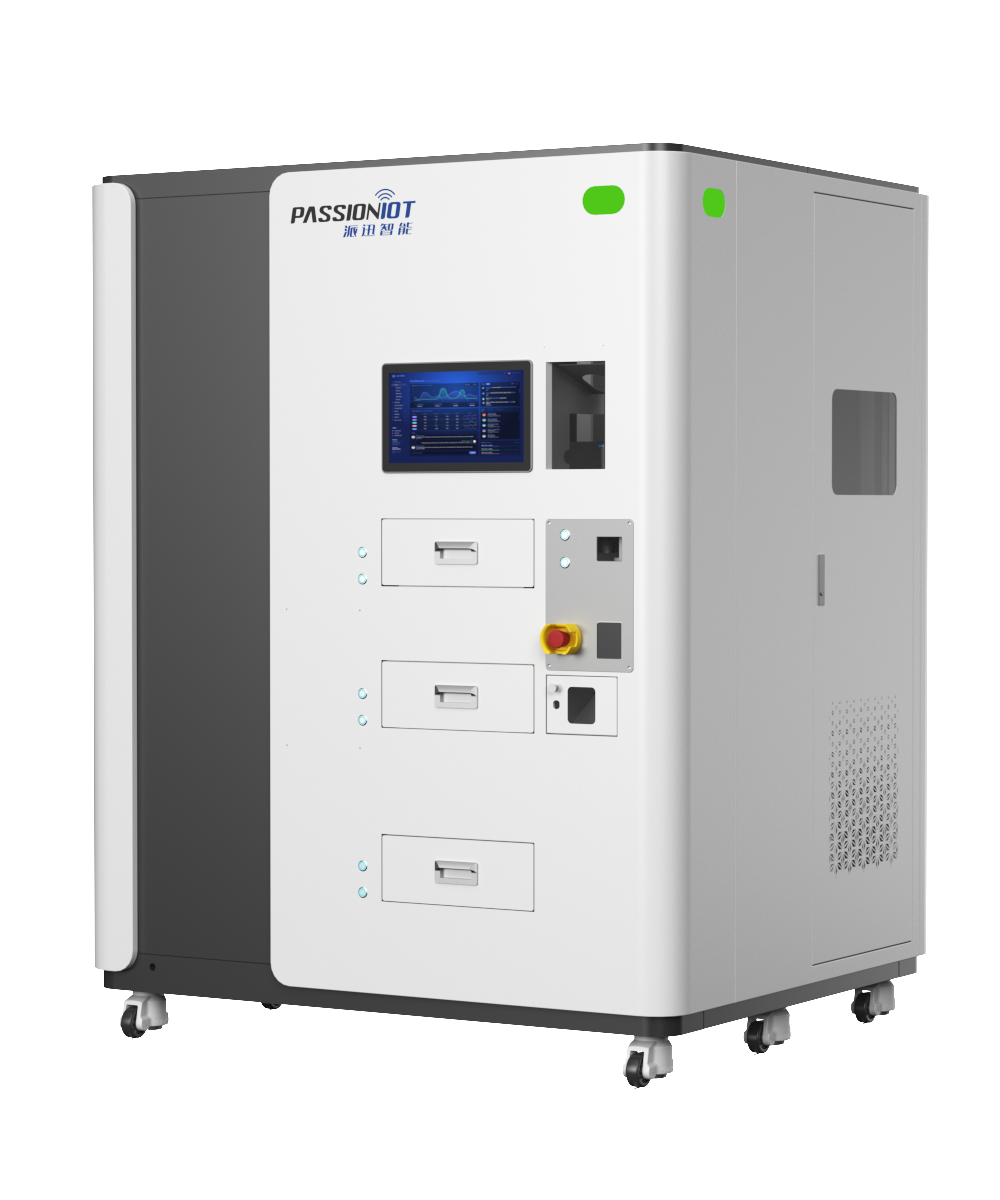
PassionIOT Smart Solder Paste Cabinet
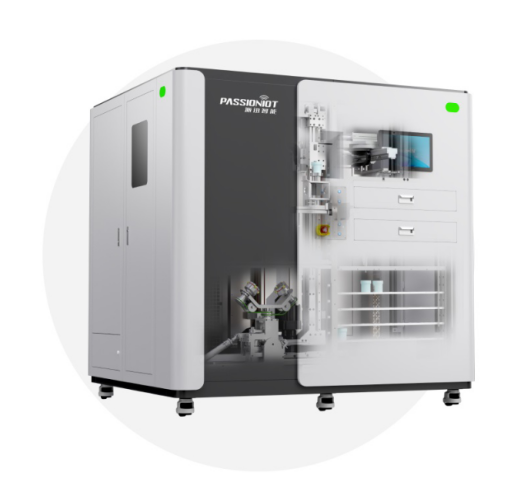
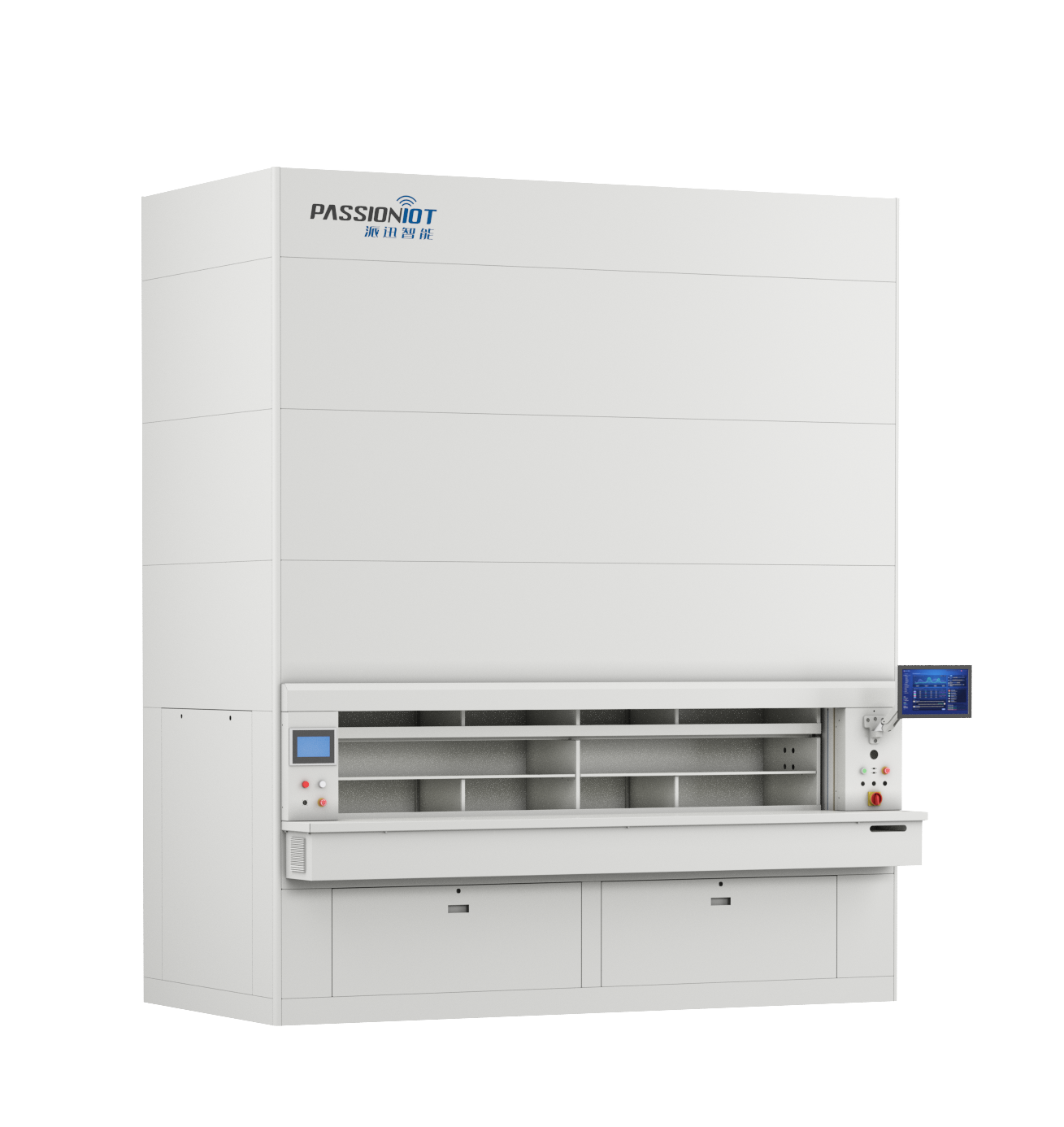
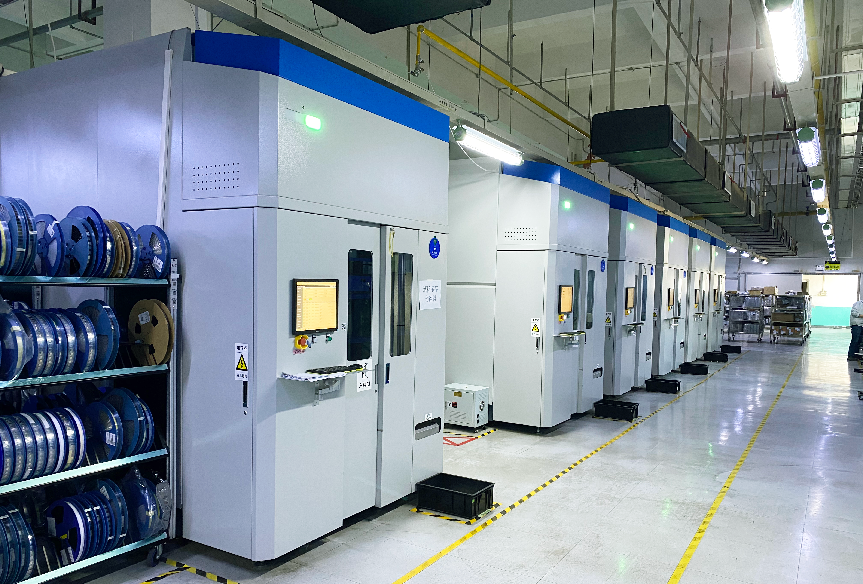
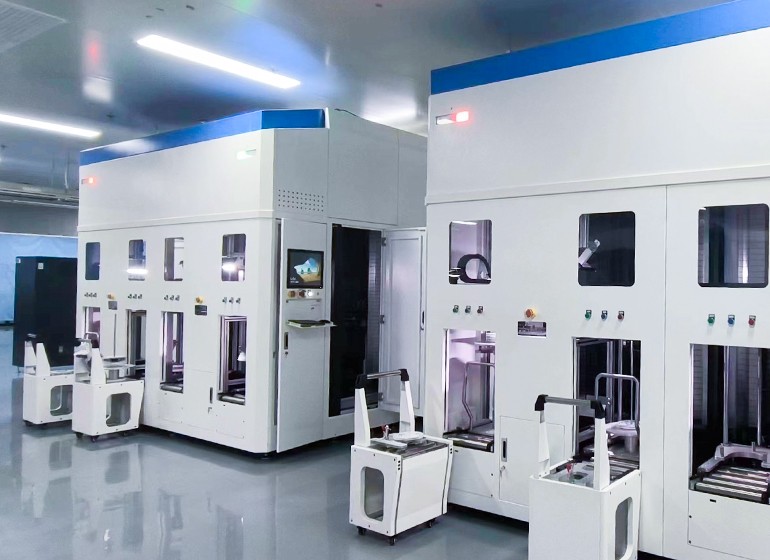
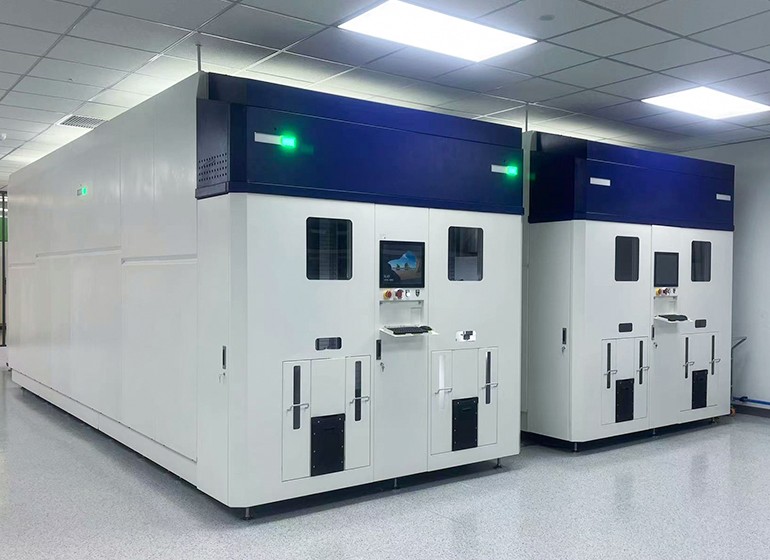
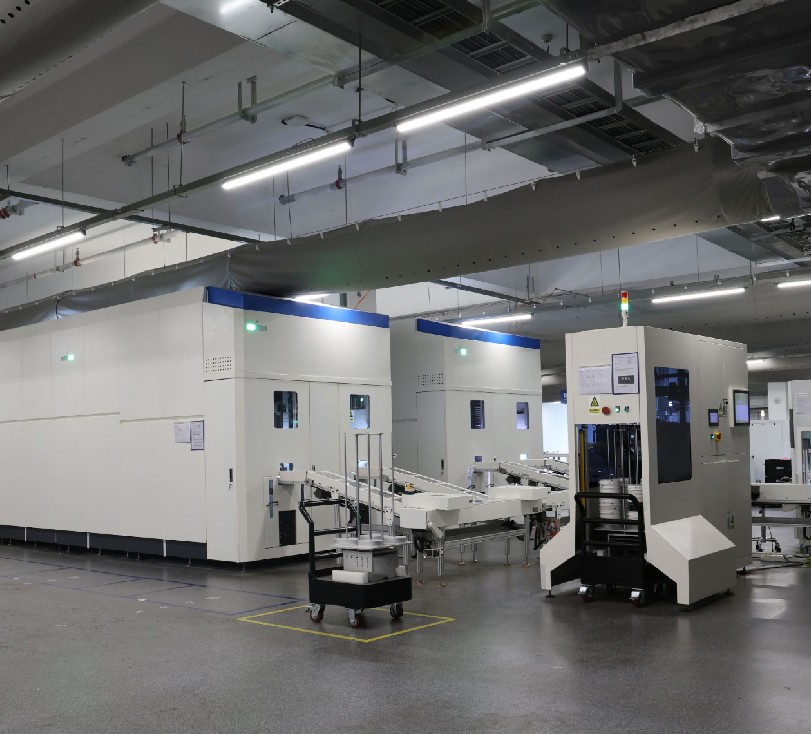
For facilities that prioritize the five dimensions above, our PassionIOT smart solder paste storage cabinet offers a practical reference.
1. Flexible Specifications and Modular Capacity
Two base models cover different production volumes:
l C1-J-220 – 220 bottles refrigerated, 60 bottles for tempering, single batch loading of 16 bottles
l C2-J-440 – 440 bottles refrigerated, 108 bottles for tempering, single batch loading of 32 bottles
Both models support configurable shelf heights and modular splicing. The same cabinet handles standard 60 mm bottles and syringe‑type paste without hardware changes.
2. Core Temperature Control and Patented Features
(1) The rotating stacked shelf design maintains temperature uniformity across the storage volume.
(2) The access port uses optimized isolation to minimize cold air spillage during retrieval.
(3) An active zero-condensation self-evaporating module manages moisture internally without any drain hose or external plumbing.
3. Full Traceability and System Integration
Native integration with MES, ERP, and WMS through open interfaces. Built‑in weighing and barcode recognition automate the receiving process.
A centralized dashboard displays real‑time alerts for timeouts, temperature deviations, and improper retrieval attempts.
4. Mechanical Safety and Ergonomic Design
Drawer‑style loading with intrusion prevention and position‑limiting structures protects against dropped containers and operator pinch points.
The pick window height and retrieval motion follow international ergonomic standards, reducing fatigue during extended shifts.
5. Quality Certification
The entire unit meets CE certification requirements for electrical safety and electromagnetic compatibility.
Conclusion
Selecting the right smart solder paste storage cabinet directly impacts SMT line yield, material cost control, and traceability compliance.
By evaluating options across the five core dimensions: capacity scalability, temperature stability, software integration, mechanical precision, and certified reliability, electronics manufacturers can prevent costly storage-related defects and operational bottlenecks.
Ready to optimize your SMT assembly today? Contact PassionIOT for technical details and datasheets.





 Home
Home