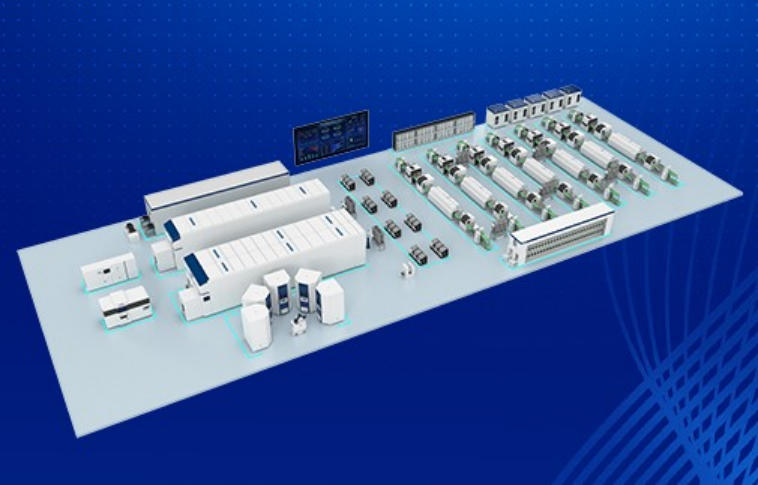
Electronics factories, especially SMT and assembly lines, are under pressure to work faster, smarter, and more flexibly. Traditional manual handling and paper-based records just can’t keep up with today’s fast-paced, complex production.
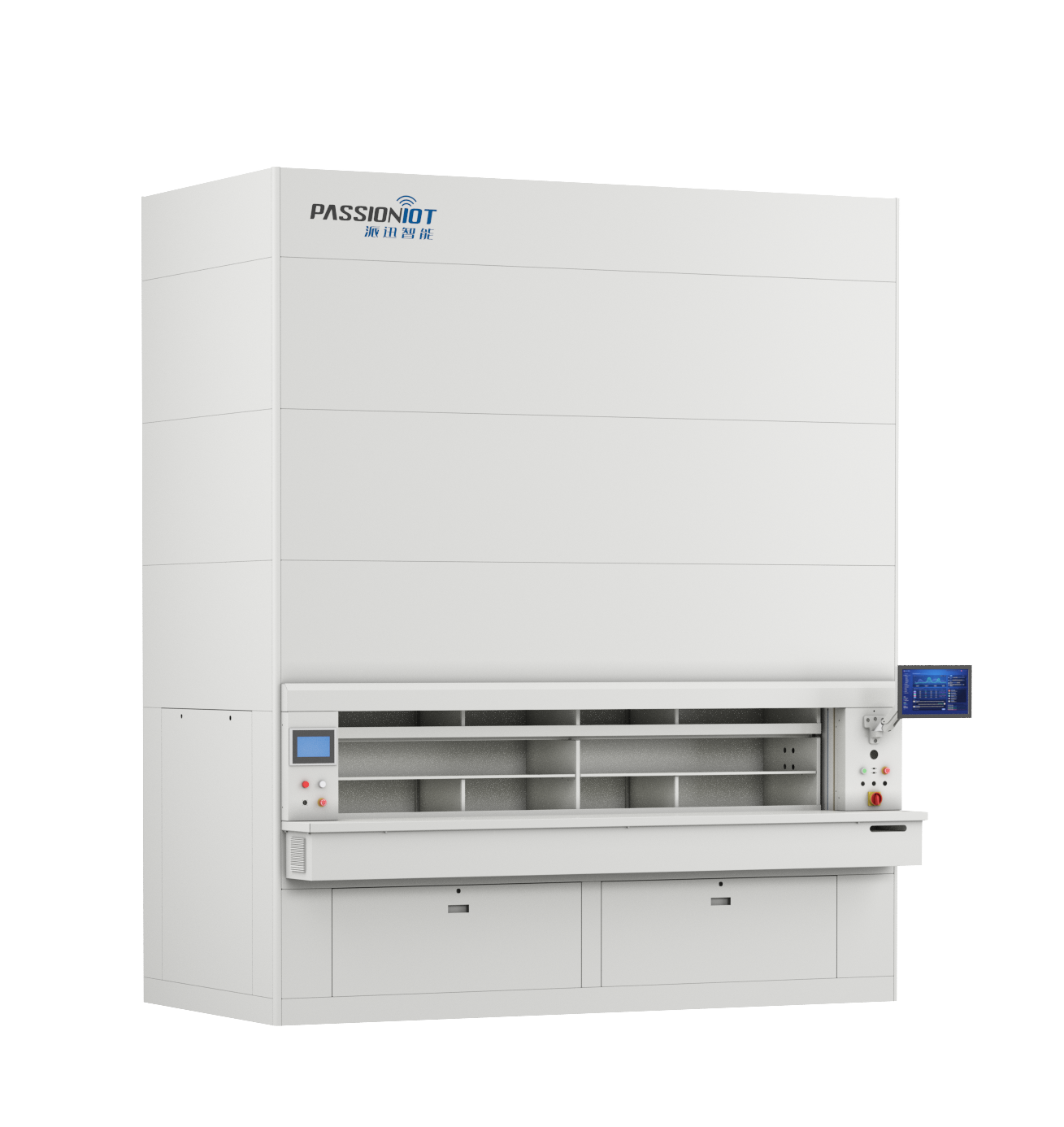
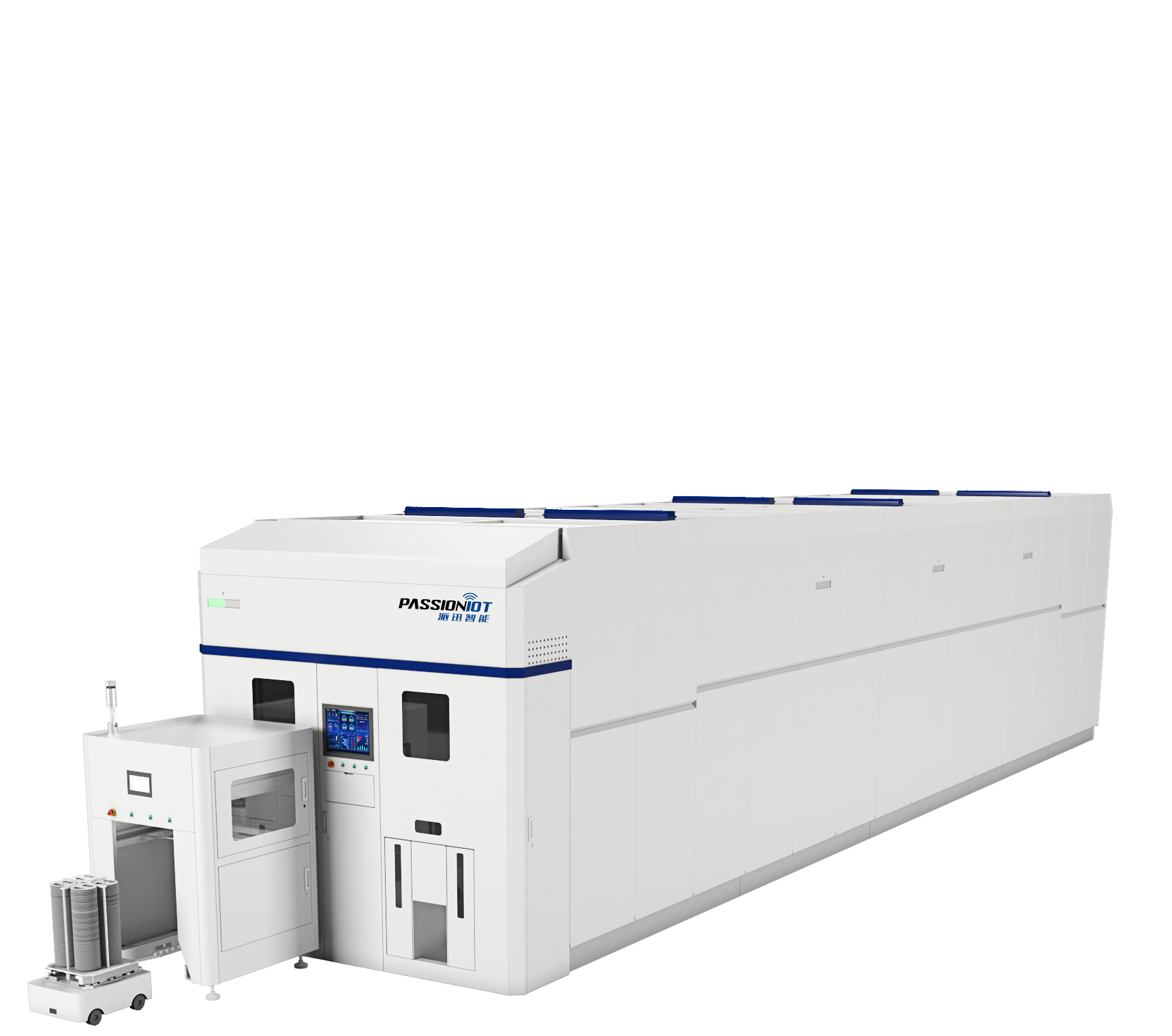
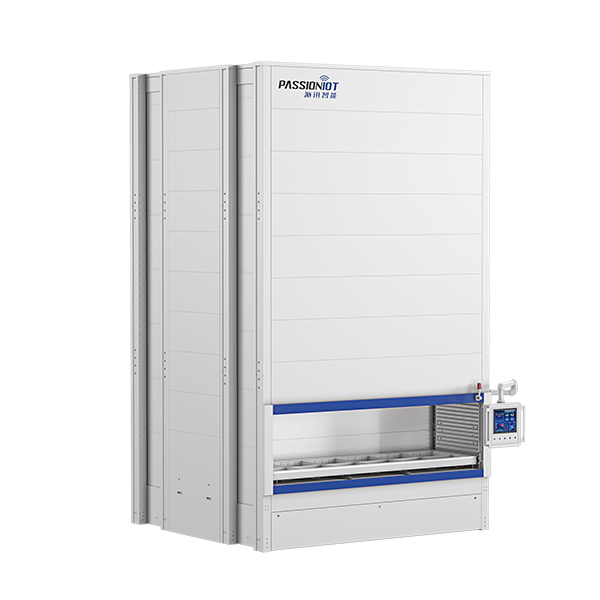
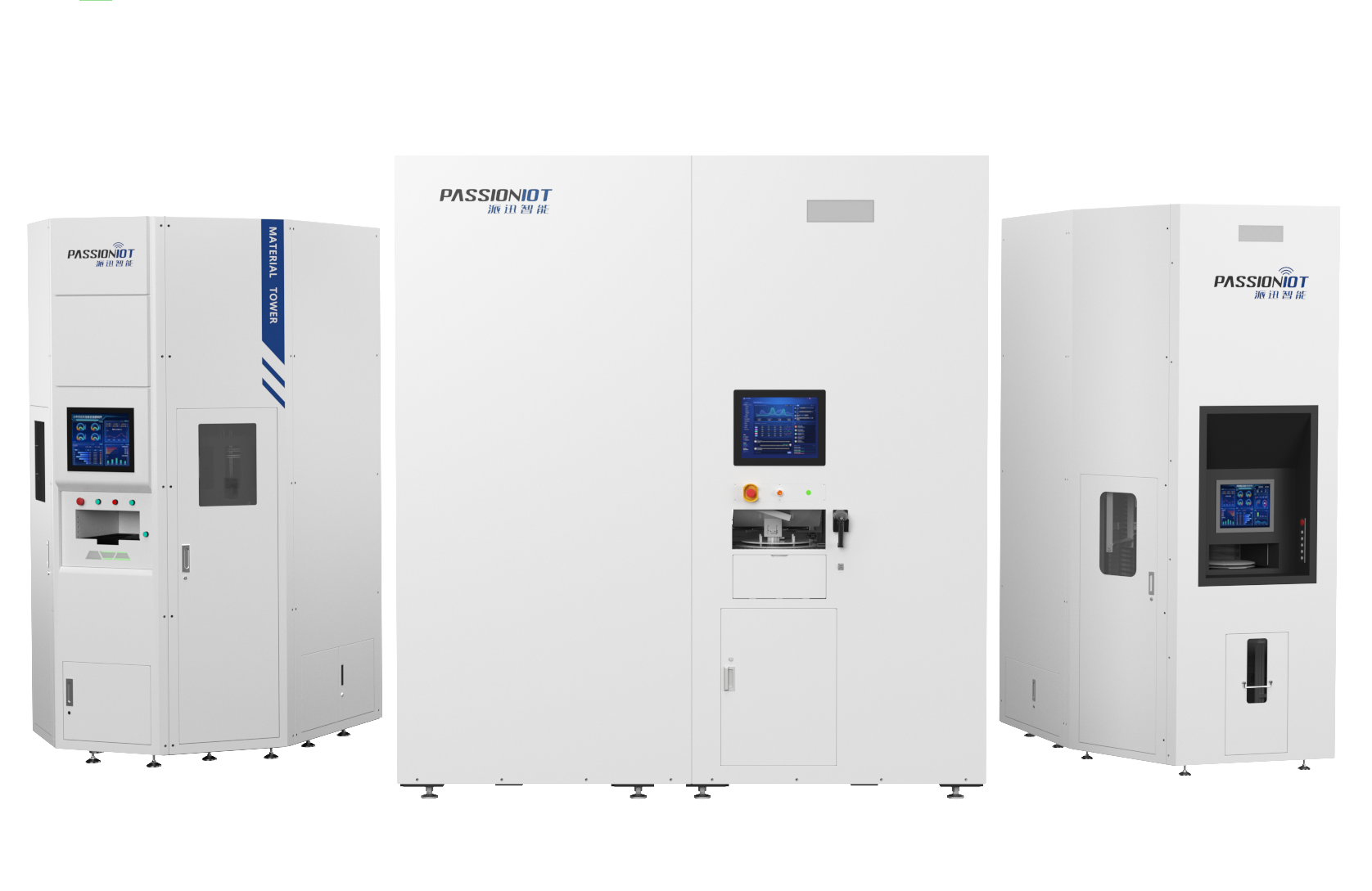
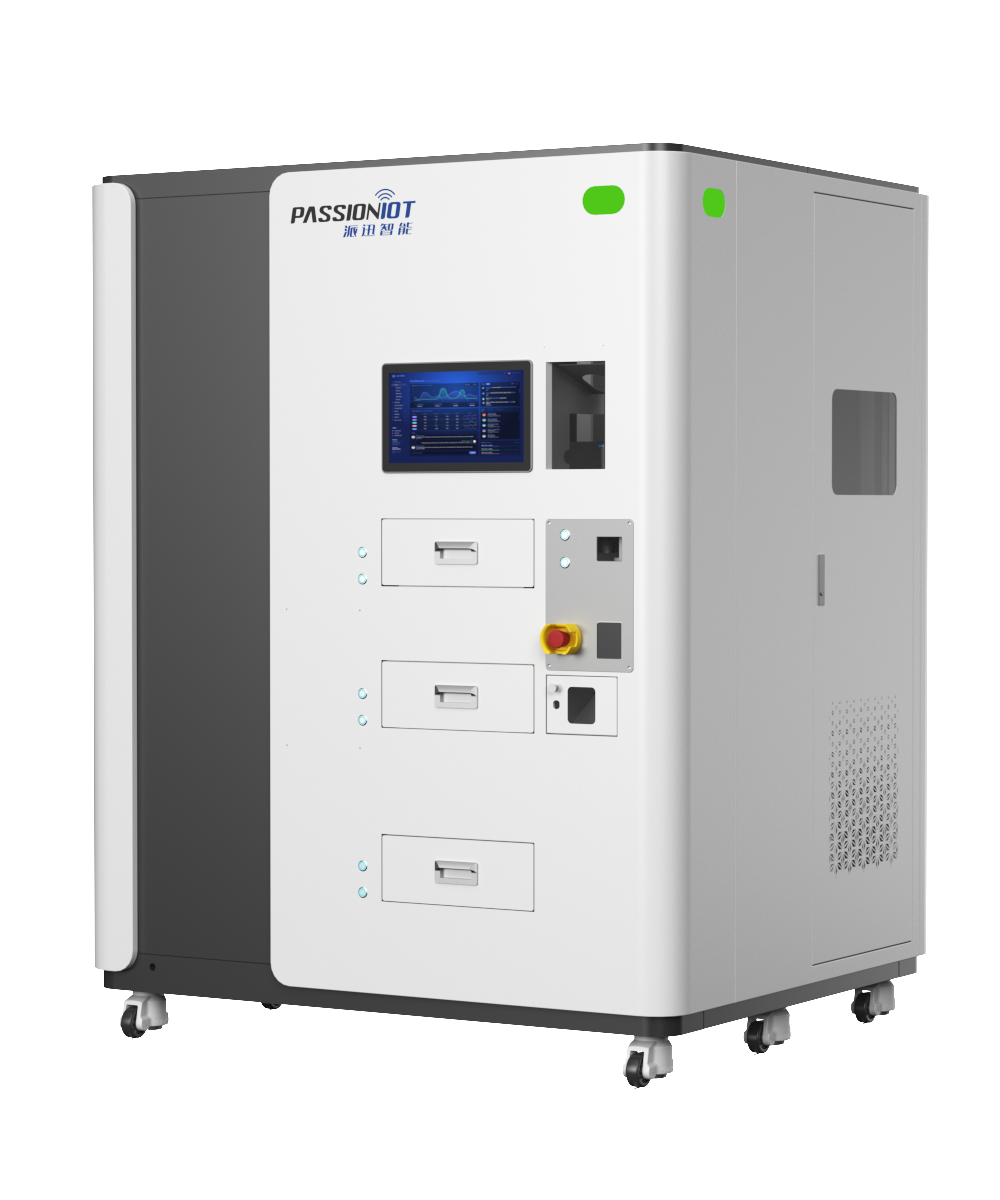
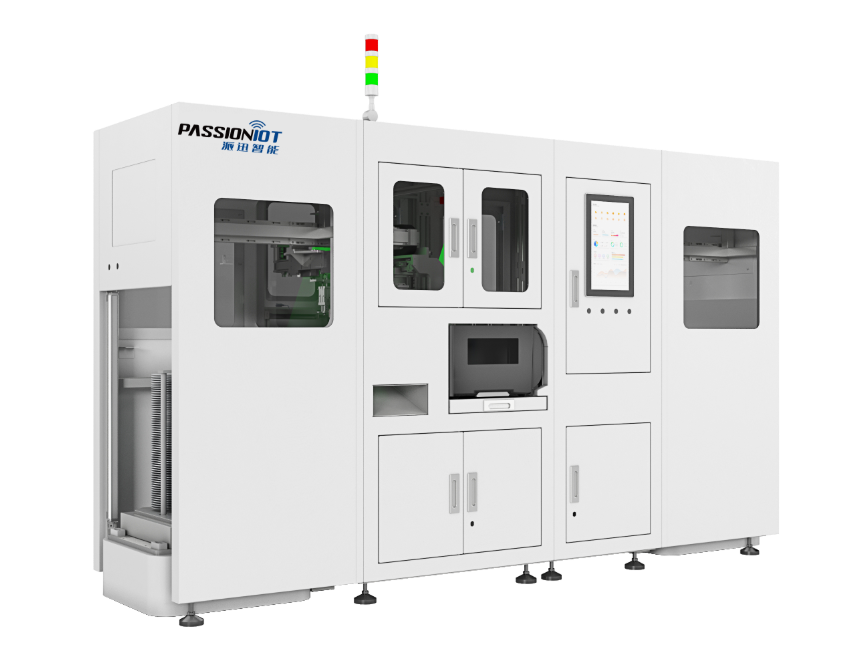
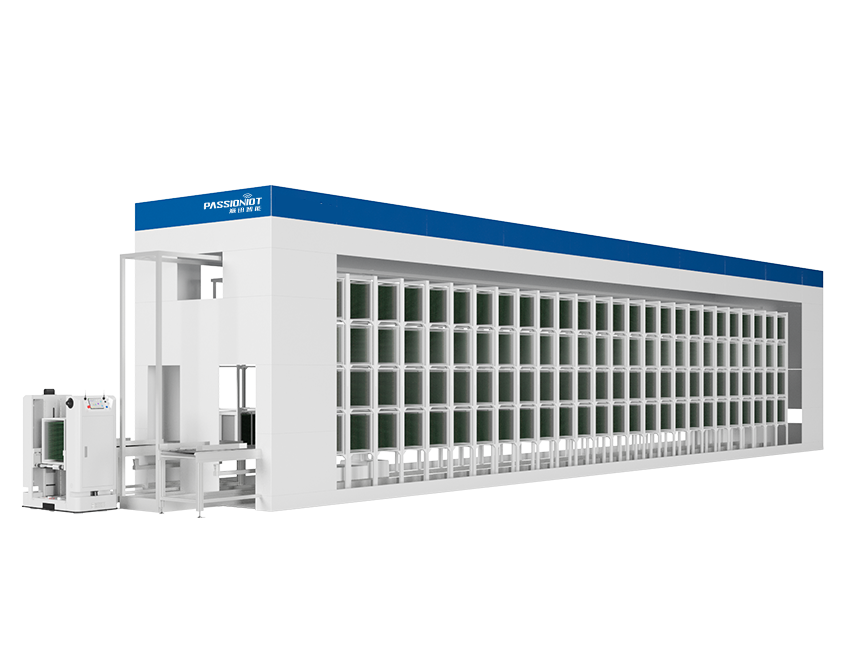
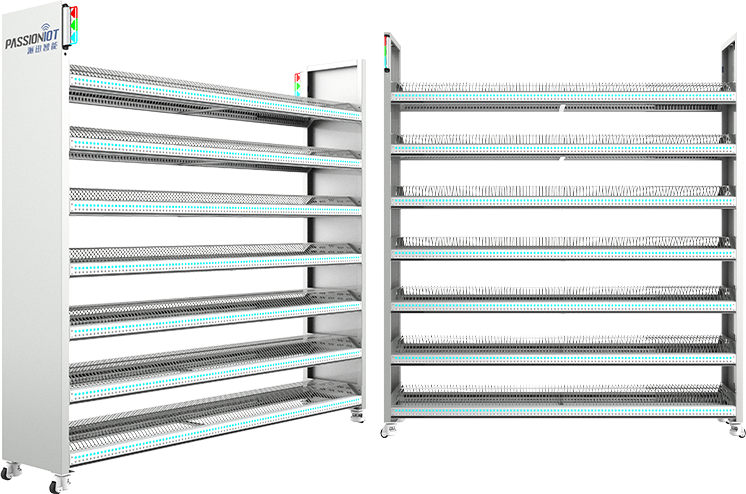
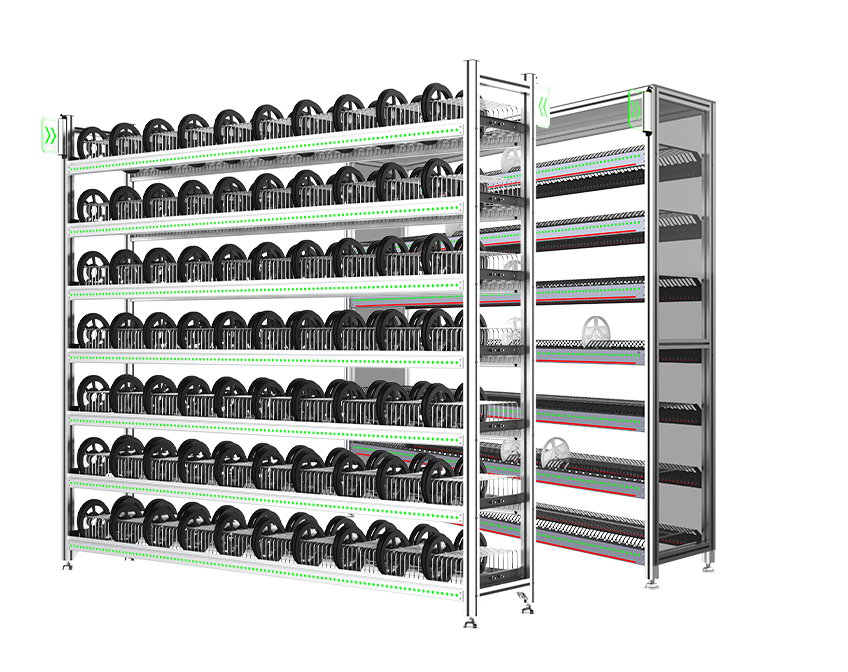
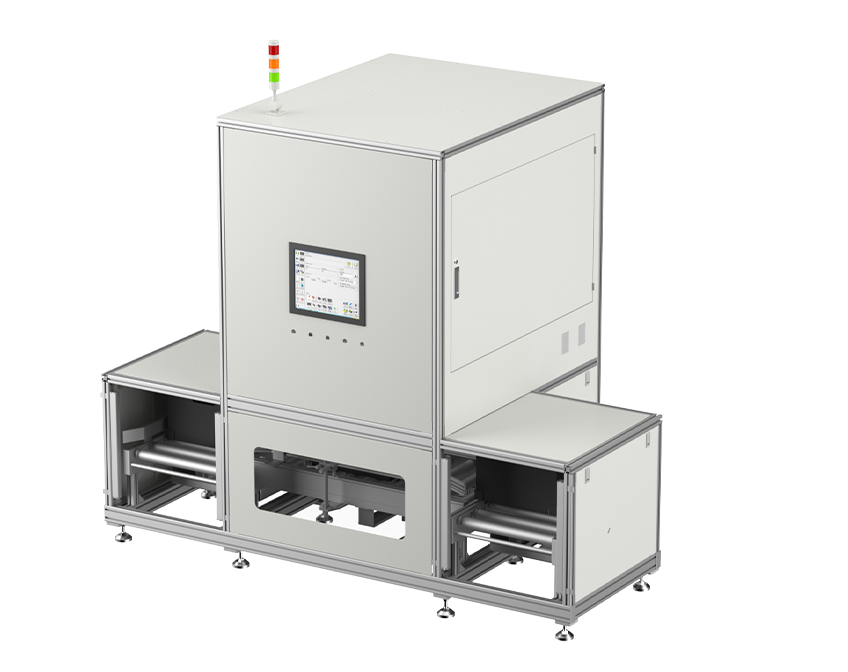
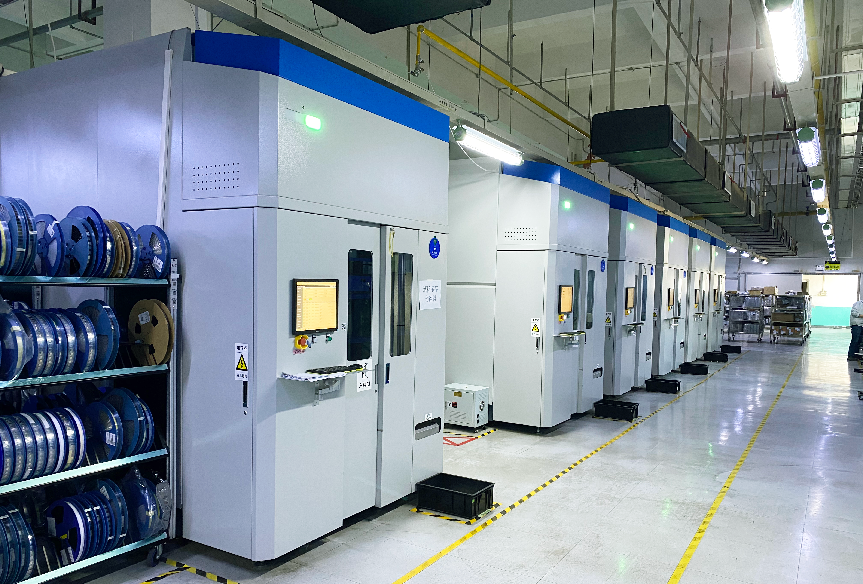
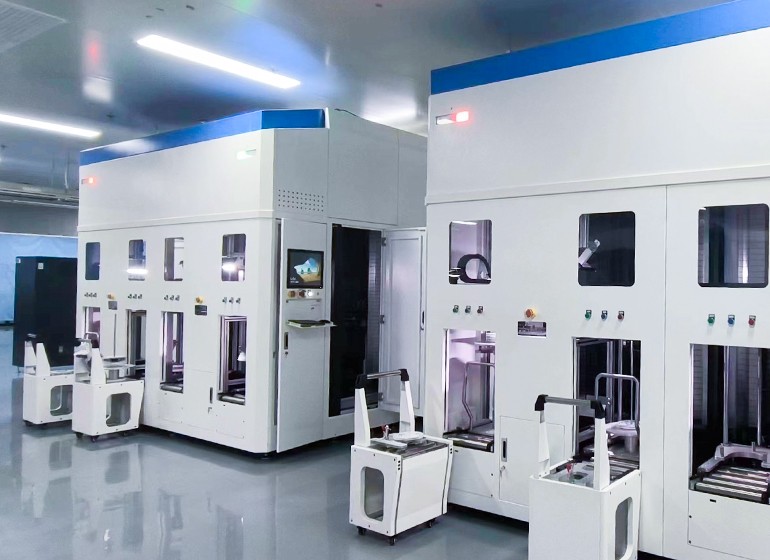
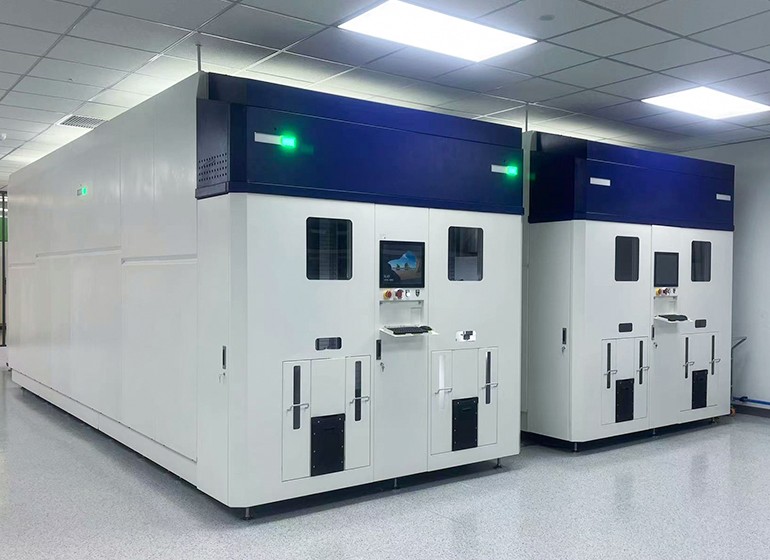
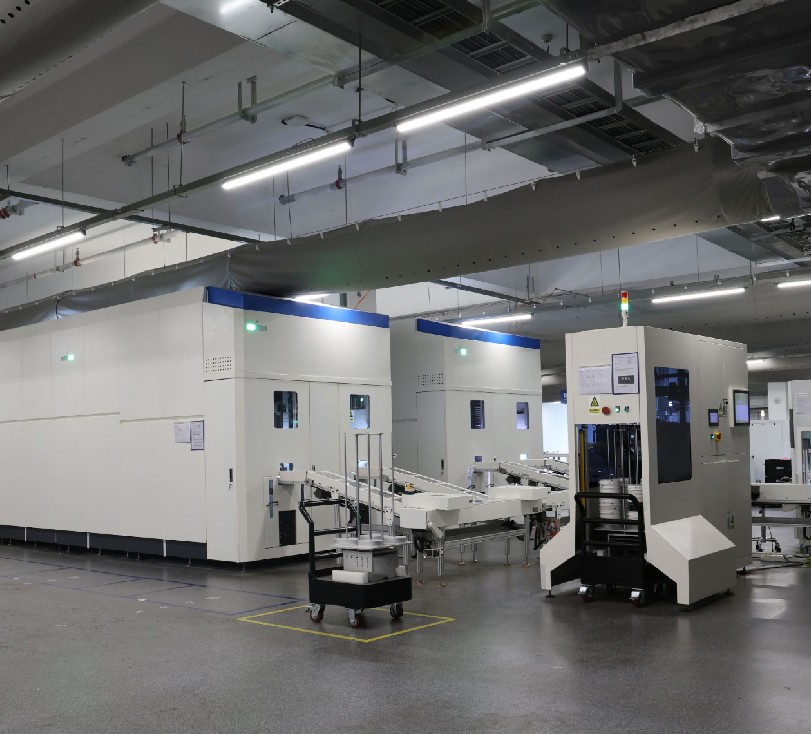
The PassionIOT Magazine Smart Warehouse is designed to address this challenge.
By integrating automated logistics, intelligent information management, and flexible storage solutions, it connects the SMT production line with the assembly line and eliminates gaps in both material flow and information flow. The article discusses the core functions of this system and explains its role as a key enabler of smart manufacturing.
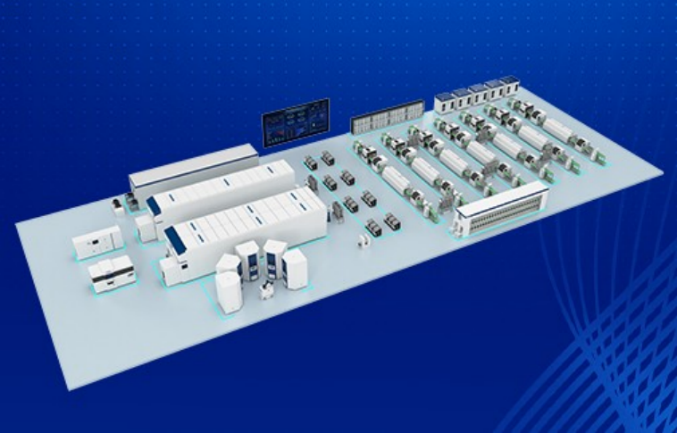
Isolate Production Cycle Differences
SMT production lines operate at a high and continuous output rate, while assembly lines typically follow work orders with variable timing and batch-based execution. This difference in production cycles often creates friction. When the two stages are directly dependent on each other, delays or fluctuations on one side can quickly interrupt the overall production flow.
Core Function
However, the Magazine Smart Warehouse introduces an intelligent buffer zone to address this issue.
Phase 1: Temporary Storage for PCBA Magazines
l PCBA magazines produced by the SMT line are automatically transferred to a controlled buffer area
l This creates a temporary and organized storage zone, decoupling SMT output from assembly timing
Phase 2: Regulated Material Flow
l The assembly line retrieves materials based on its own schedule, not the SMT production rhythm
l This separation prevents stoppages caused by production fluctuations upstream
Phase 3: Independent Operation for Both Lines
l SMT and assembly stages operate without direct dependency, maintaining stable throughput
l Flexibility is improved across the manufacturing process, reducing delays and bottlenecks
By decoupling SMT and assembly production cycles, the system not only ensures stable throughput but also sets the stage for accurate material control in subsequent processes.
Achieve One-to-One Precise Control of Materials
PCBA materials are characterized by high value, multiple variants, and strict traceability requirements. Under traditional management methods, where identification and tracking rely heavily on manual processes, the risk of material mix-ups, incorrect issuance, and inventory discrepancies increases significantly. These errors not only disrupt production but also raise concerns about quality and cost control.
Core Function
However, the Magazine Smart Warehouse solves this by implementing one-to-one material management.
Phase 1: Assign Magazines to Specific PCBA Batches
l Each magazine is dedicated to a single PCBA model or production batch
l This establishes a clear physical and logical boundary, eliminating mix-ups
Phase 2: Unique Digital Identification
l Every magazine and storage rack position is assigned a unique digital ID
l Real-time tracking ensures precise location visibility and accurate handling
Phase 3: System-Guided Retrieval
l Materials are retrieved according to system instructions rather than manual judgment
l This prevents issuance errors and mix-ups during production
Phase 4: Continuous Inventory Updates
l Inventory quantities are updated in real time with every movement
l Full stock visibility allows managers to monitor levels and plan production efficiently
With precise tracking and management of each PCBA, the warehouse guarantees that complete and correct material sets are available, paving the way for efficient kitting operations for the assembly line.
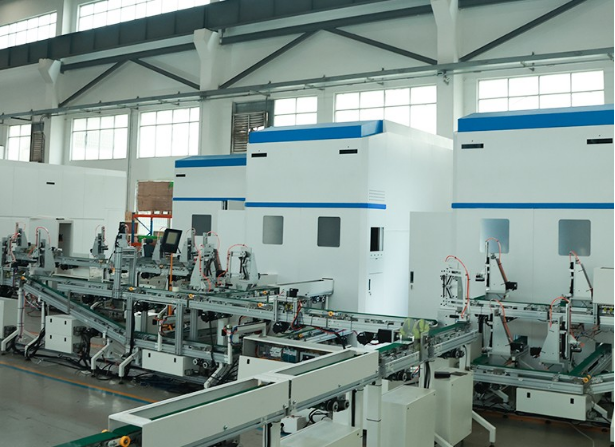
Enable "Kitting Operations" for the Assembly Line
In the electronics manufacturing industry, PCBA assembly depends on the timely availability of complete material sets. A single finished product often requires several different PCBA types, and when even one item is missing, the entire work order can stall. Under manual or semi-automated systems, this leads to frequent line interruptions, inefficient labor utilization, and increased coordination efforts between warehouse and production teams.
Core Function
However, the Magazine Smart Warehouse addresses this by enabling automated kitting operations.
Phase 1: Identify Required PCBA Sets
l Based on assembly work orders, the system identifies all magazines needed for a product
Phase 2: Automated Retrieval from Buffer
l Magazines are automatically picked from the buffer in a coordinated operation
l Multiple PCBA types are retrieved together to form a complete set
Phase 3: Deliver Complete Sets to Assembly Stations
l All necessary materials arrive simultaneously at assembly stations
l Waiting times caused by missing components are eliminated
By delivering complete PCBA sets to assembly stations, the system streamlines production and supports continuous operations, which rely on seamless integration of logistics and data flow.
Enhance Continuity in Logistics and Information Flow
Traditional material handling relies heavily on manual transport, visual checks, and disconnected records. This approach slows down logistics, increases labor dependency, and introduces variability into daily operations.
Similarly, information is often recorded or updated separately from physical material movement, creating gaps between what is happening on the shop floor and what is reflected in production systems. These inefficiencies and data disconnects make it difficult to achieve continuous, end-to-end automation and limit the effectiveness of smart manufacturing initiatives.
All these challenges highlight the need for smart warehouse solutions that can unify physical logistics and digital information into a single, coordinated system.
Core Function
However, the Magazine Smart Warehouse integrates material and information flow into a unified, automated workflow.
Phase 1: Automated Material Transfer
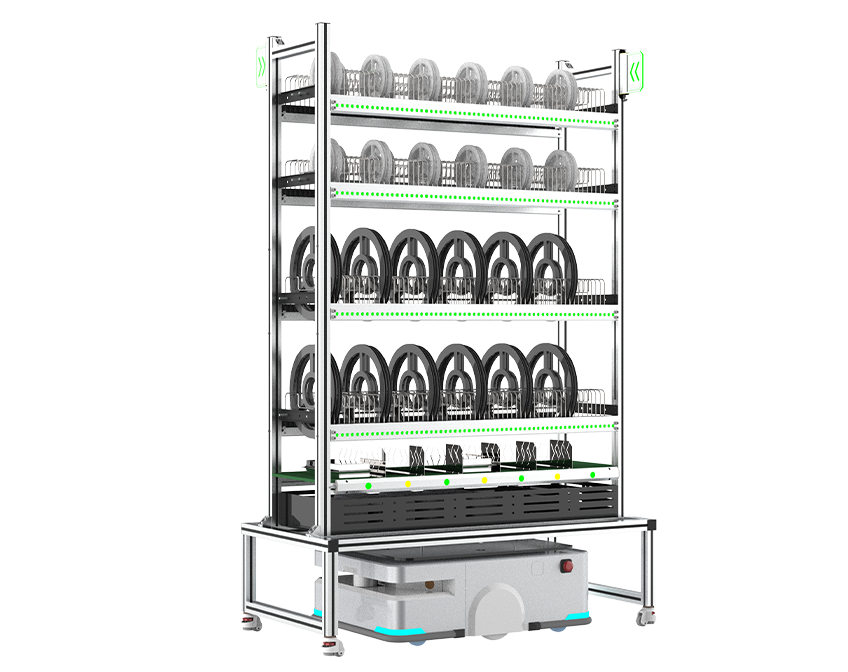
l Integration with AGV, AMR, or conveyor systems forms a fully automated loop from SMT to buffer to assembly
l Materials move without manual intervention, reducing delays and handling errors
Phase 2: Real-Time Data Synchronization
l All material movements are recorded and updated instantly in the MES system
l Material flow and information flow remain fully aligned
Phase 3: Improved Production Visibility
l Managers can track materials in real time and make accurate decisions
l End-to-end automation is supported across the manufacturing line
Integrating material and information flow ensures real-time visibility and accuracy, completing the full smart warehouse cycle and enabling end-to-end automated manufacturing.
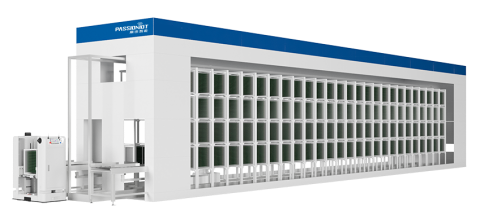
Wrapping-up
The PassionIOT Magazine Smart Warehouse transforms electronics manufacturing by bridging the gap between SMT and assembly lines. Its intelligent buffer, precise material control, automated kitting, and integrated logistics support smoother, more flexible, and less error-prone production.
Ready to elevate your production efficiency and embrace smart manufacturing?
Explore how the PassionIOT Magazine Smart Warehouse can streamline your operations and drive sustainable growth today






 Home
Home