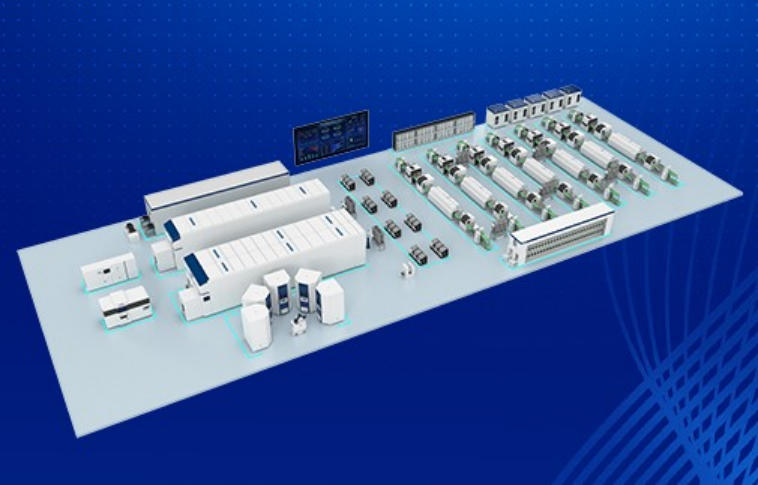
Dynamic warehousing is a modern warehouse model that actively supports production and logistics operations, rather than simply storing inventory. In this system, warehouse operations are closely connected with production and inventory data, allowing materials to be managed more efficiently.
Dynamic warehousing typically includes several key features:
l Real-time sensing allows the system to continuously monitor inventory levels and material locations.
l Autonomous decision-making enables the system to assign storage locations and manage tasks automatically.
l Agile response ensures that materials can be delivered quickly as production needs change.
l At the same time, a closed-loop data structure connects warehouse operations with production and enterprise systems so that information flows smoothly across the entire manufacturing process.
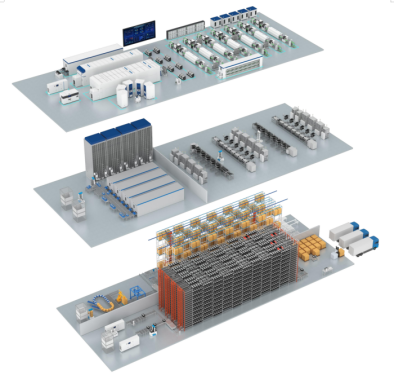
The Three Stages of Warehouse Evolution
With the evolution of manufacturing technology, warehousing systems have gradually shifted from simple storage areas to intelligent operational systems. This development can be understood through three main stages.
1. Traditional Storage
Originally, warehouses function mainly as static storage locations. Materials are placed in fixed positions, and most activities depend on manual work. Operators locate, pick, and move items using basic tools or paper records.
In this stage, inventory visibility is usually limited, and locating specific materials often depends heavily on operator experience.
2. Automated Access
As technology advanced, many facilities began introducing automated storage and retrieval systems such as AS/RS. These mechanized systems help improve the speed and precision of storing and retrieving materials. Automation reduces manual handling, improves operational efficiency, and lowers the risk of human errors during material movement.
However, these systems typically focus on mechanical efficiency rather than deep integration with production planning.
3. Dynamic Production Hub
Today, the warehouse transforms into an intelligent hub, fully integrated with manufacturing execution systems. Instead of operating independently, warehousing systems communicate with production platforms and respond directly to production schedules. Therefore, manufacturers can respond faster to changing demands.
Core Technologies of Dynamic Warehousing
Dynamic warehousing relies on several key technologies that enable warehouses to operate with greater speed, accuracy, and coordination with production systems. The core technologies used in the dynamic warehousing include:
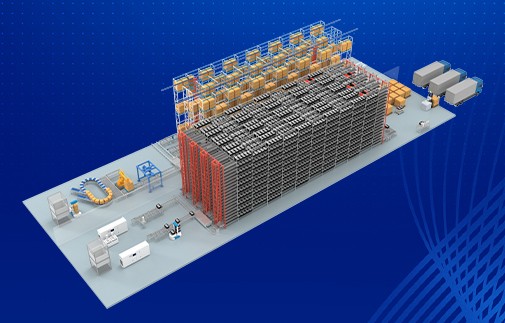
1. High-Density 3D Storage
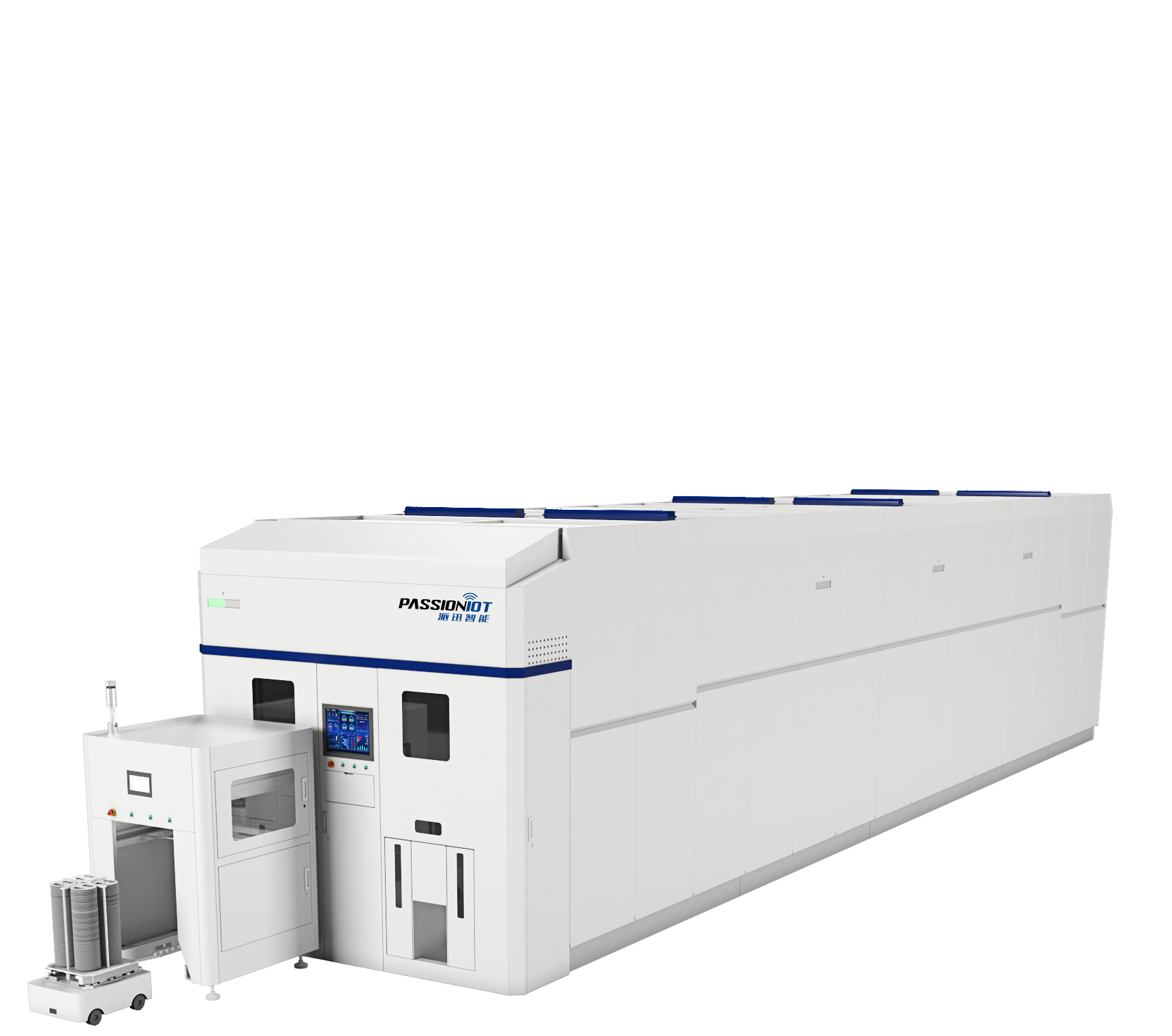
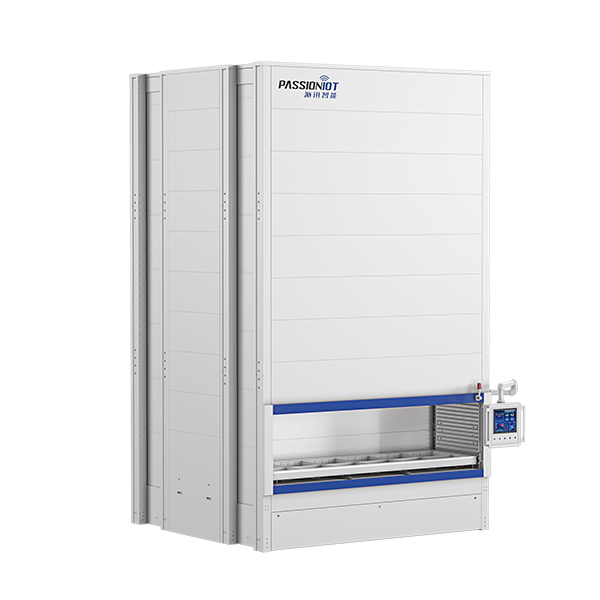
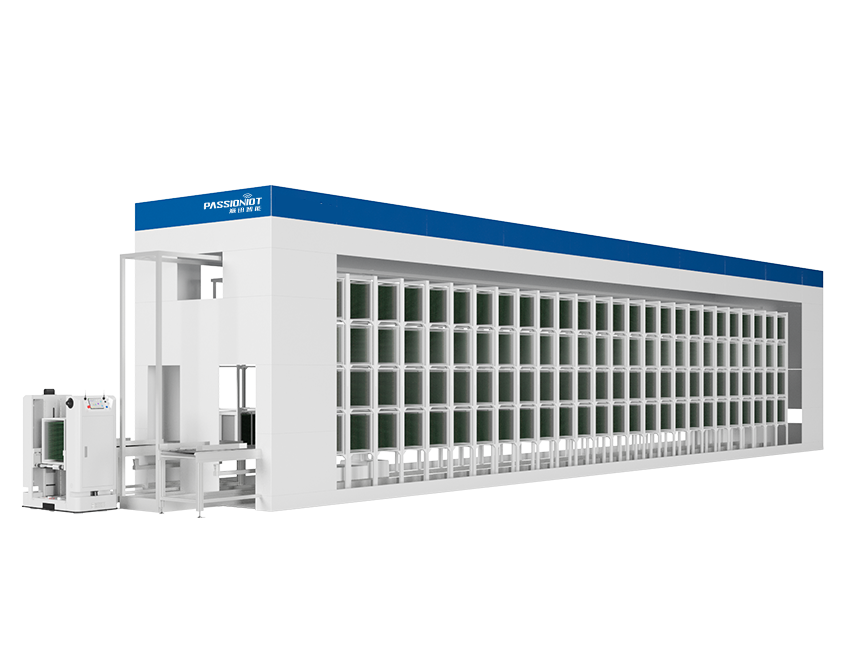
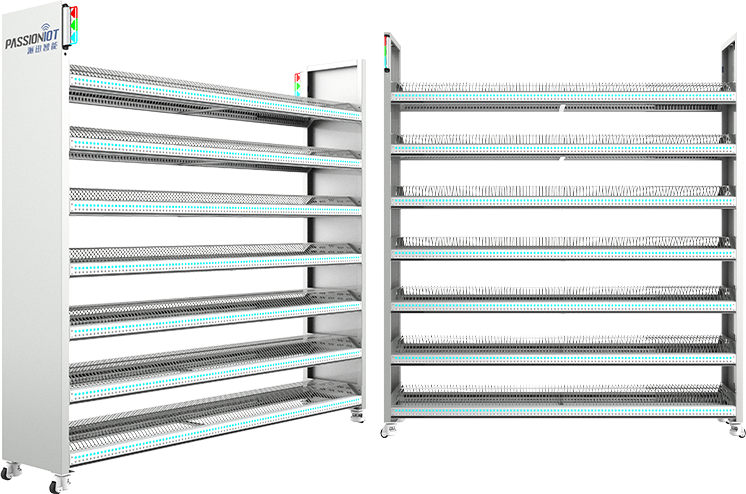
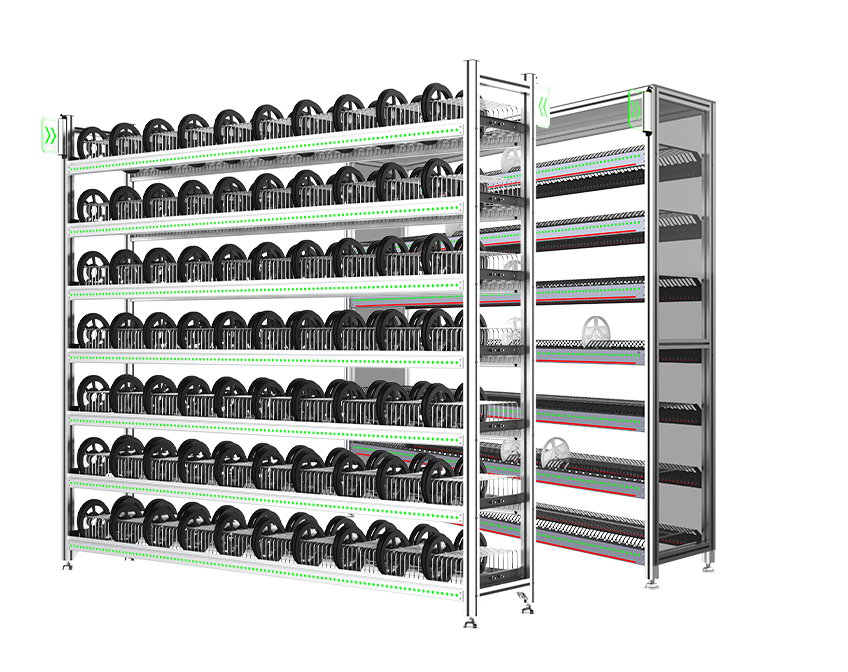
High-density three-dimensional storage systems maximize the use of available cubic space by utilizing vertical storage structures and compact layouts. This approach increases storage capacity within the same footprint and provides the physical foundation needed for faster material access and flexible warehouse operations.
2. Intelligent Scheduling Systems
Robot Control Systems (RCS) and Warehouse Control Systems (WCS) coordinate the operation of different equipment within the warehouse.
These systems manage automated devices such as conveyors, robots, and automated vehicles, assigning tasks and optimizing movement paths in real time. Through intelligent scheduling, materials can move through the warehouse more efficiently while avoiding congestion and delays.
3. Intelligent Management Systems
Warehouse Management Systems (WMS) serve as the digital control center for warehouse operations.
By connecting directly with Manufacturing Execution Systems (MES), WMS platforms maintain real-time visibility of inventory levels, material locations, and production requirements. This integration allows warehouse activities to align closely with manufacturing schedules.
4. Core Value
Together, these technologies transform warehouse operations from traditional person-to-goods workflows toward goods-to-person automation and eventually goods-to-machine integration. Because material movements, inventory data, and production plans are continuously synchronized, factories can respond more quickly to changes. This includes order adjustments, production shifts, and unexpected disruptions without interrupting workflows.
Application Scenarios
Dynamic warehousing provides value across several industries where production speed, material accuracy, and traceability are critical. The following examples illustrate how this approach supports different manufacturing environments.
1. New Energy Vehicle Manufacturing
Manufacturing for new energy vehicles involves a wide range of components, high production volumes, and many high-value parts. Production lines operate at a fast pace, requiring materials to be delivered quickly and reliably to avoid delays.
The dynamic warehousing system enables high-density storage and orderly management of large-sized components.
It can also respond to real-time pull signals from the final assembly line to calculate optimal retrieval sequences and logistics paths.
Furthermore, for critical components such as batteries and motors, dynamic warehousing achieves end-to-end lifecycle traceability from inbound to assembly, ensuring that every process step is documented and verifiable. This builds a reliable data foundation for overall vehicle quality and safety.
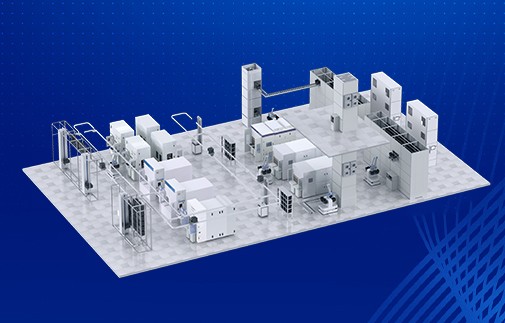
2. Medical Device Industry
Compliance in the medical device sector is exceptionally rigorous, with Unique Device Identification (UDI) binding and batch management serving as the core of production.
Smart warehousing addresses these mandates by anchoring each material unit to a unique digital identity throughout its lifecycle. When integrated with MES platforms, production data is automatically synchronized with material records, forming a complete traceability loop.
In the event of a product recall, the automatic warehousing system can identify and locate compromised materials in seconds, significantly enhancing a manufacturer’s emergency response and safeguarding brand integrity.
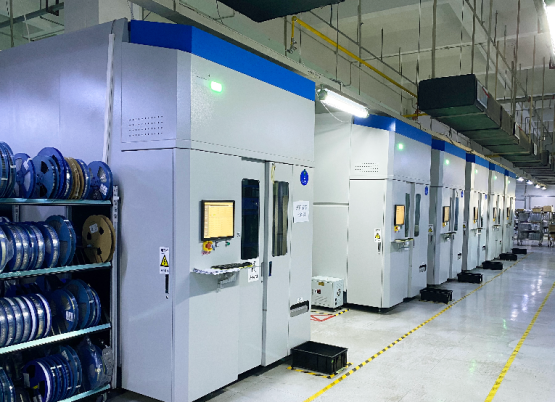
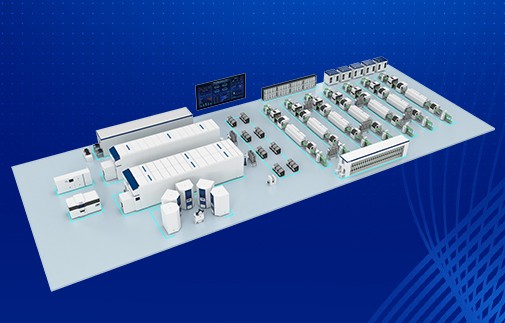
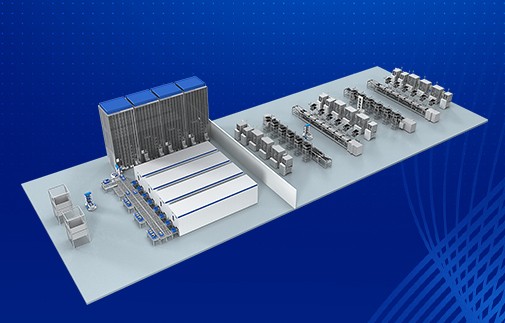
3. Electronics Assembly Industry
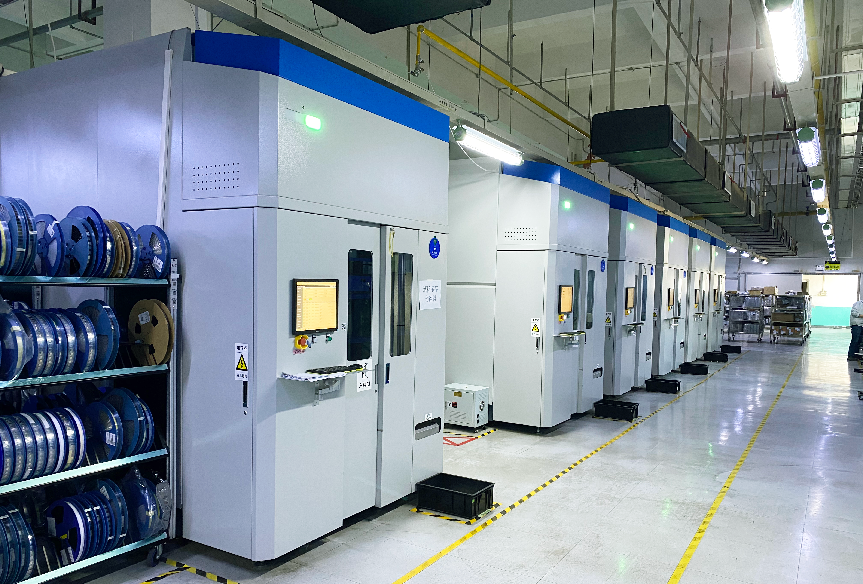
SMT lines are characterized by frequent changeovers, microscopic component precision, and rigorous production cycles.
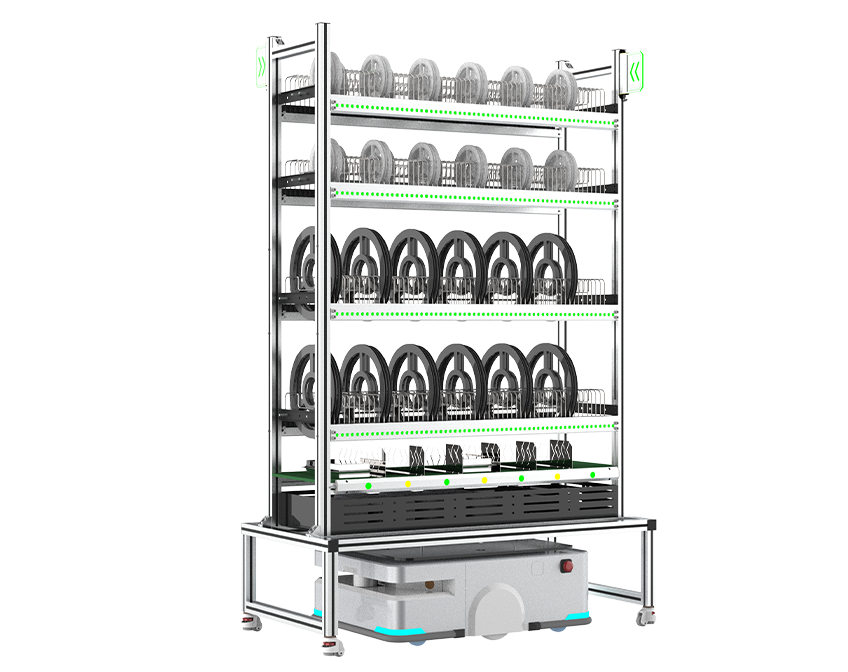
Dynamic warehousing orchestrates accurate material preparation in real time based on live production schedules. Materials are dispatched directly to placement machines via AMRs, facilitating a seamless "goods-to-machine" handoff.
For remnant materials, the system supports automated return and instantaneous counting of partial reels, minimizing waste and optimizing inventory accuracy.
This superior flexibility slashes changeover downtime and provides the operational resilience to handle high-mix, low-volume orders.
Conclusion
The evolution of the warehouse, from a static storage area to a dynamic production hub, marks a critical milestone in modern manufacturing. With years of industry expertise, our smart warehouse solutions close the loop between inventory and production, ensuring that materials are not just stored, but actively managed, tracked, and delivered in lockstep with manufacturing schedules.
Ready to improve your warehouse management? Contact PassionIOT today.





 Home
Home