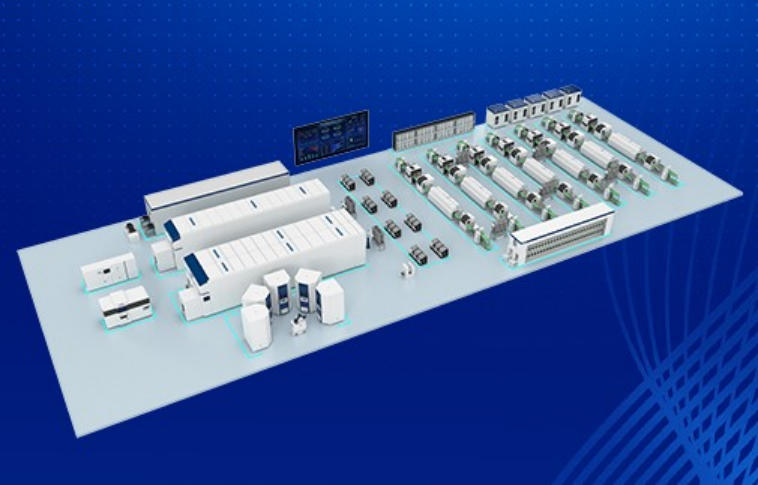
Many enterprises assume that smart warehousing simply means purchasing a large automated warehouse system, while others delay the automation decision because their current production scale seems too small.
In reality, smart warehousing functions as part of the underlying operating system of modern production, and factories with different sizes and budgets should adopt different transformation paths.
PassionIOT addresses this need by offering detachable, expandable, and iterative warehouse automation solutions that support the entire material management process. This approach allows enterprises to invest gradually, implementing only the capabilities they currently need while leaving room for future expansion.
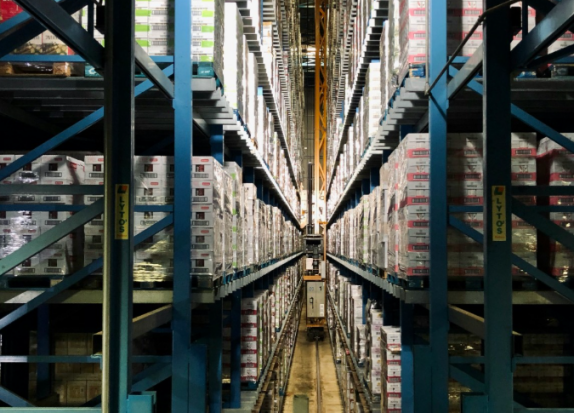
Status Diagnosis—Which Stage Is Your Factory At?
Before implementing any warehouse automation solution, it is important for manufacturers to evaluate their current operational conditions. A clear diagnosis helps determine which technologies and investment strategies are most appropriate.
1. Pain Point Diagnosis
Start by examining the operational challenges you encounter on a daily basis. These challenges can include:
(1) Insufficient Space
Do you feel that warehouse space is becoming increasingly limited? Many factories face rising rental costs while still operating with low inventory density. If storage systems are inefficient, companies may feel the need to expand warehouse space, even when additional space is not available.
(2) Inefficient Operations
Similarly, consider the operational efficiency of your warehouse. Do line changeovers take longer than expected? Do operators spend a significant amount of time walking through the warehouse searching for materials? In many factories, material delivery still depends on manual processes, which means production lines may need to wait for materials to arrive.
(3) Uncontrolled Material Errors
Have you ever experienced situations where the wrong materials were loaded onto the line? These errors can lead to batch rework, production interruptions, or even customer complaints if the problem is not detected in time.
(4) Invisible information
It is equally important to look at the information visibility of your production line. Does your warehouse always know what the production line needs? And does the production line always know what materials are available in the warehouse? In many cases, materials physically exist in storage, but the production team cannot see them in real time. This lack of visibility can lead to inventory discrepancies and make it difficult to trace materials during production.
2. Investment Capacity
Another key factor to consider is the factory’s investment capability and expected return on investment. What level of budget can your factory allocate to a warehouse automation solution? Are you looking for solutions that deliver quick returns, or are you planning a longer-term automation strategy? Understanding your expected return-on-investment timeline will help determine the most appropriate implementation approach.
3. System Foundation
The current level of digitalization within the factory also plays an important role in deciding the warehouse smart automation solution strategy.
Do you already use ERP or MES systems to manage production data? Are data standards clearly defined and consistently used across departments?
Factories with stronger digital infrastructure often find it easier to implement advanced warehouse automation and information integration. If digital systems are still developing, the transformation path may begin with smaller steps that gradually build toward a more connected manufacturing environment.
Transformation Plan
Once you have identified your factory’s current challenges, the next step is choosing a transformation approach that fits your operational scale and investment capacity. Here are different warehouse automation solution plans for different scales of businesses.
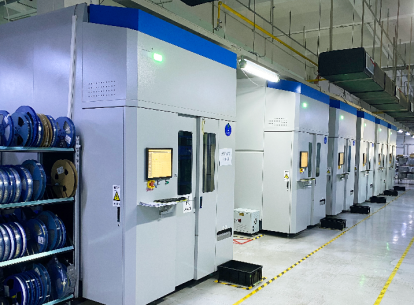
1. Intelligent Storage
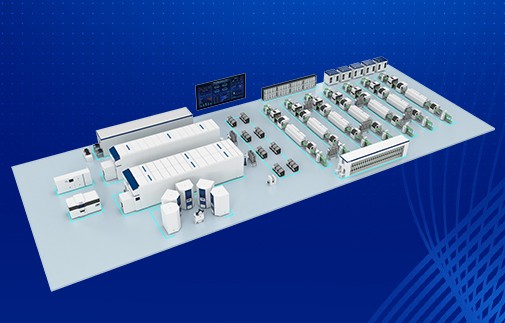
Installing an intelligent storage solution is well-suited for small to medium-sized SMT factories that operate with limited budgets but experience frequent problems related to material searching, inventory control, or error prevention.
Recommended Product Portfolio
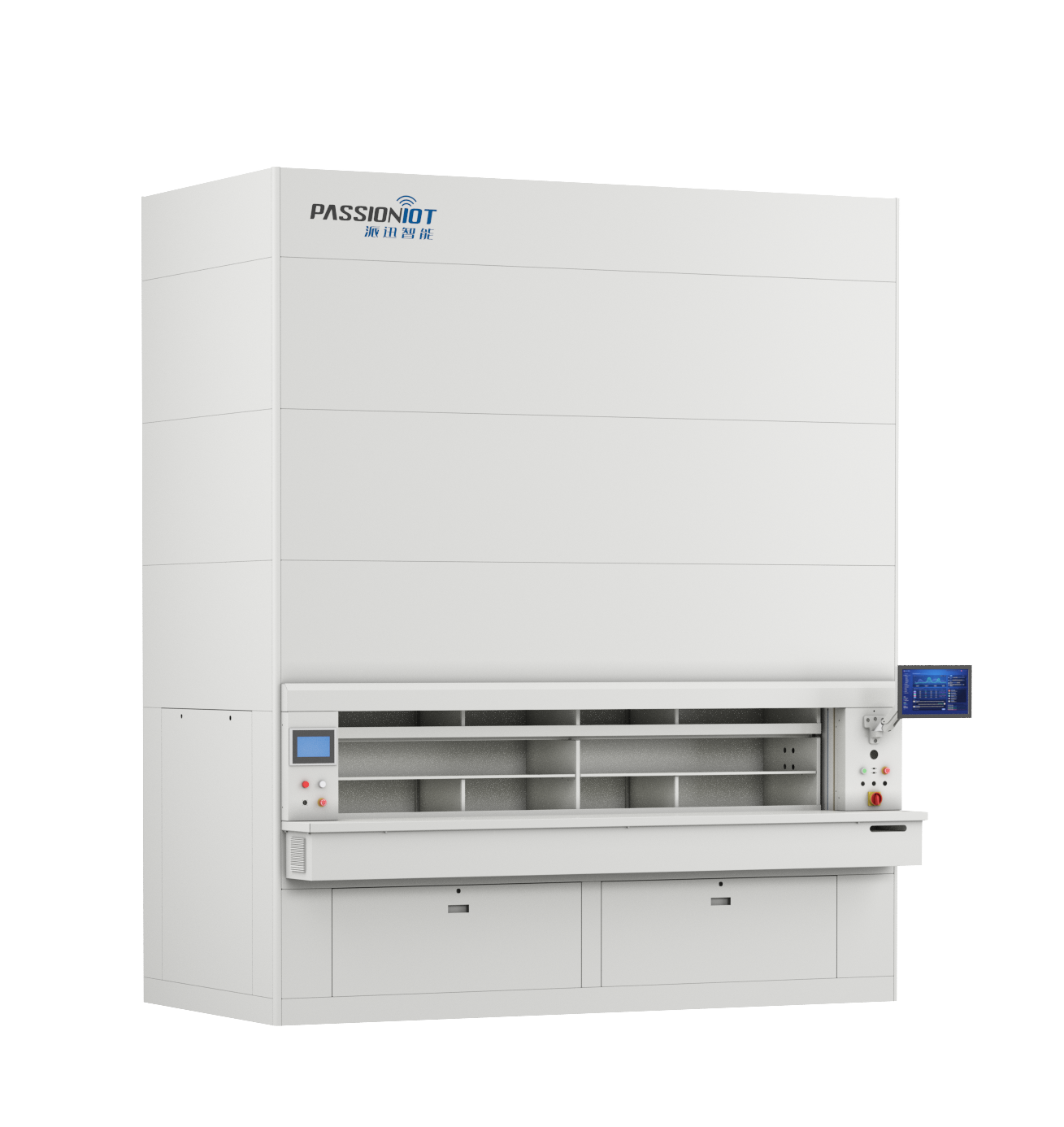
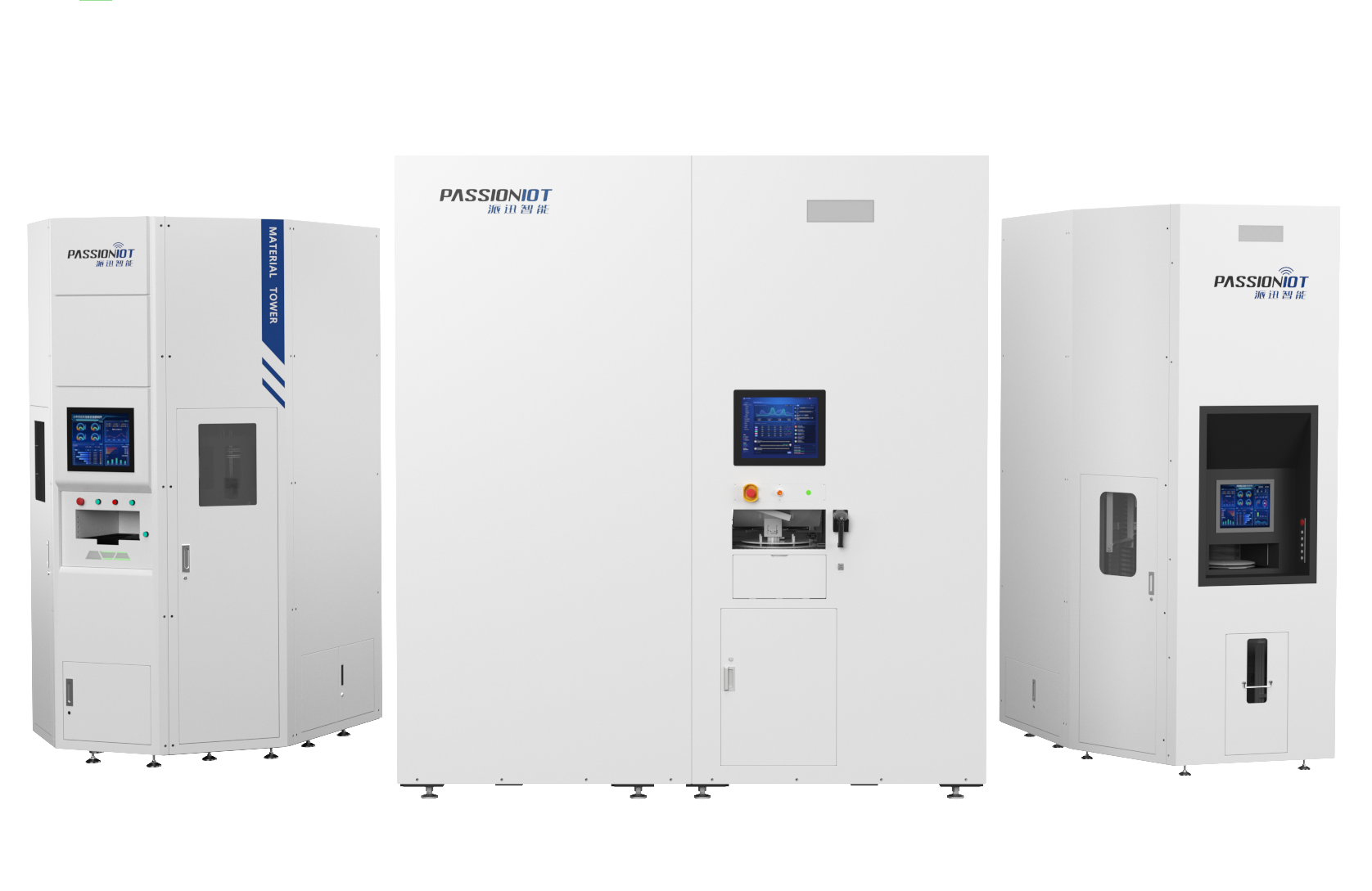
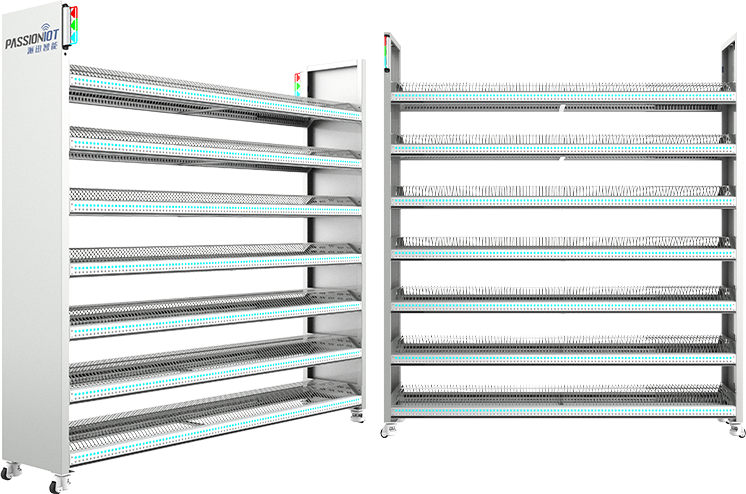
(1) The SMD Tower provides high-density component storage combined with light-guided picking, helping operators locate materials quickly and reduce picking errors.
(2) The Smart Solder Paste Cabinet automates FIFO (First-In, First-Out) warehouse and inventory management and controls solder paste thawing cycles, ensuring materials are always prepared in the correct condition before use.
Value Proposition
PassionIOT intelligent storage systems drive significant efficiency gains. In real-world applications, customers achieve over 45% higher storage density, maximizing space utilization. Automated guidance slashes material search and preparation time—boosting kitting efficiency by up to 80%.
2. Automated Handling and Information Coordination
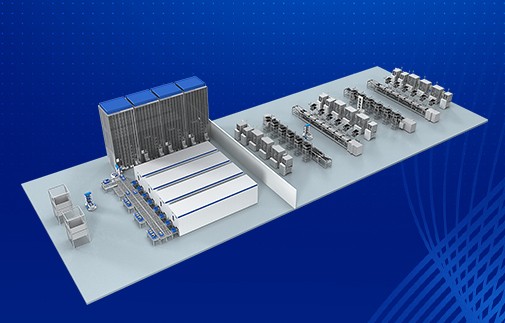
This stage of automation is appropriate for medium-sized factories operating multiple production lines, where material transfers between lines still depend heavily on manual labor and where line changeovers are slowed by logistics delays.
Recommended Products
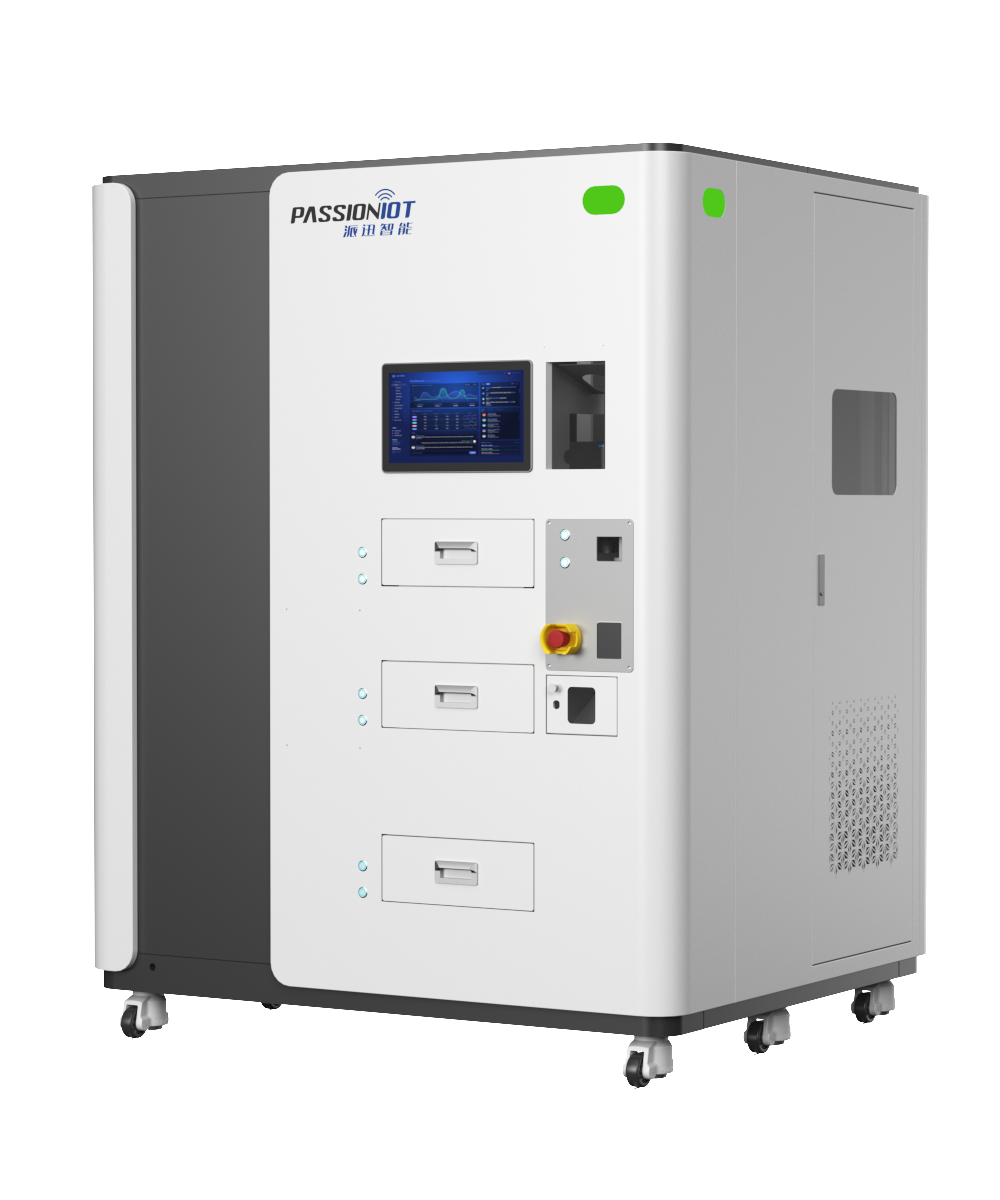
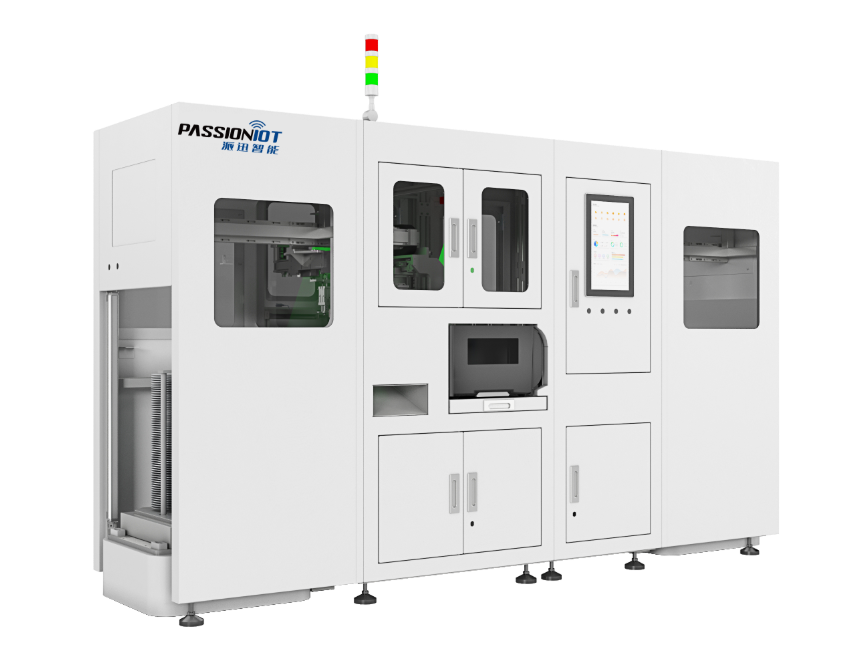
(1) The Smart Auto Labeling Machine applies labels to component reels in approximately 6–8 seconds. A dual-camera inspection system verifies the information and assigns a unique UID to every reel, ensuring reliable identification and traceability.
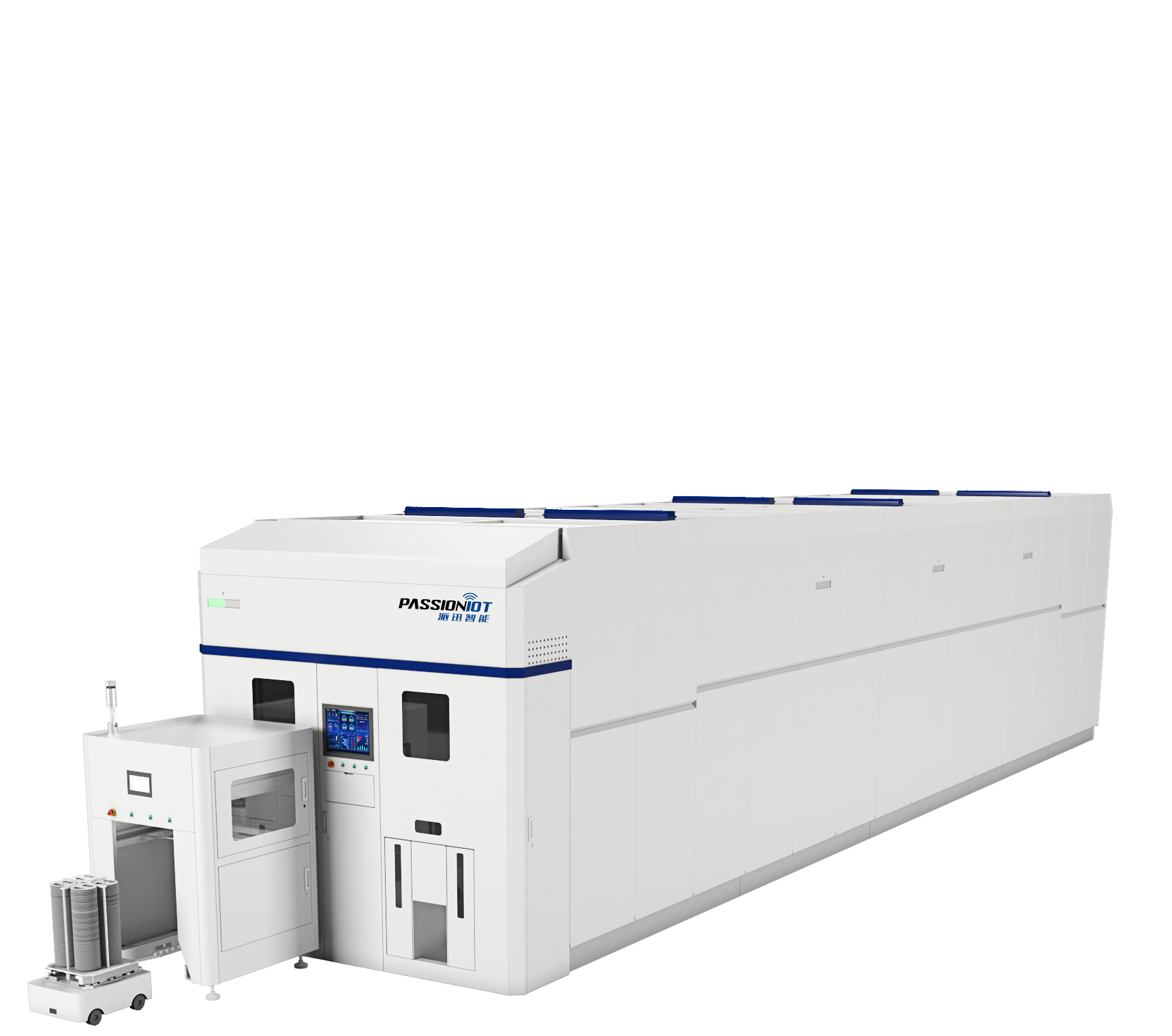
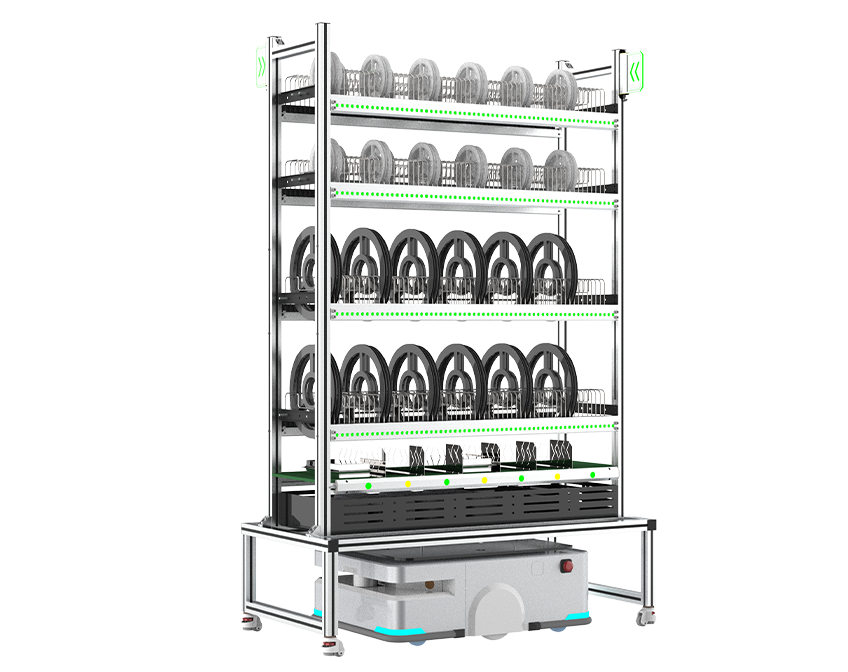
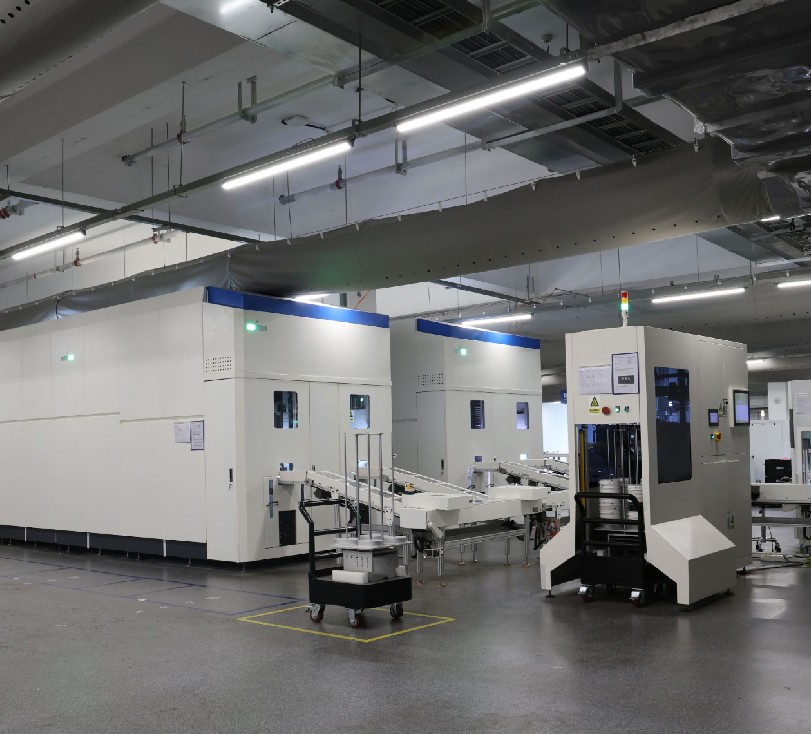
(2) To reduce manual transport, AMR or AGV systems can be introduced to deliver materials directly from storage areas to the production line without human intervention.
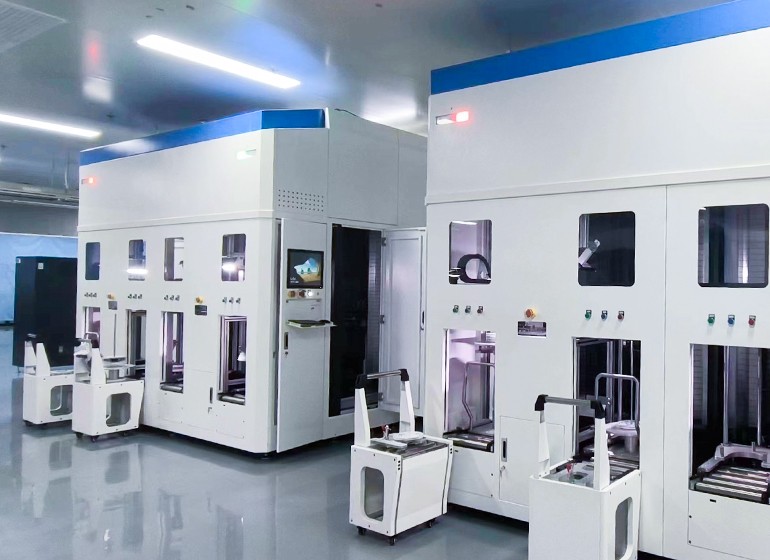
(3) In addition, AMHS systems, such as stockers and lifters, create automated buffering and transfer points within the factory, resulting in smart logistics systems that move the materials smoothly between different production zones.
Value Proposition
By automating material movement and improving coordination between systems, factories can significantly accelerate internal logistics. Material issuance becomes faster and more responsive, while reliance on manual logistics labor is dramatically reduced—freeing up personnel to focus on higher-value production tasks.
3. Full-Process Integration: Building a Digital Factory
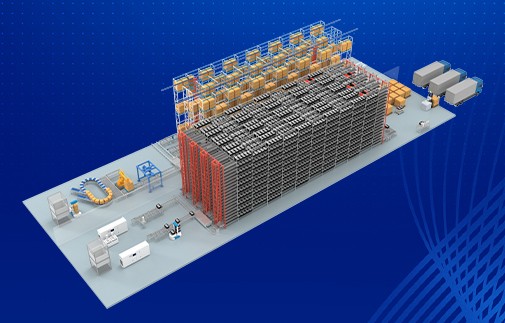
This automation stage is designed for large-scale manufacturers and advanced production facilities aiming to achieve complete lifecycle visibility of materials while using production data to guide operational decisions.
Recommended Product Portfolio
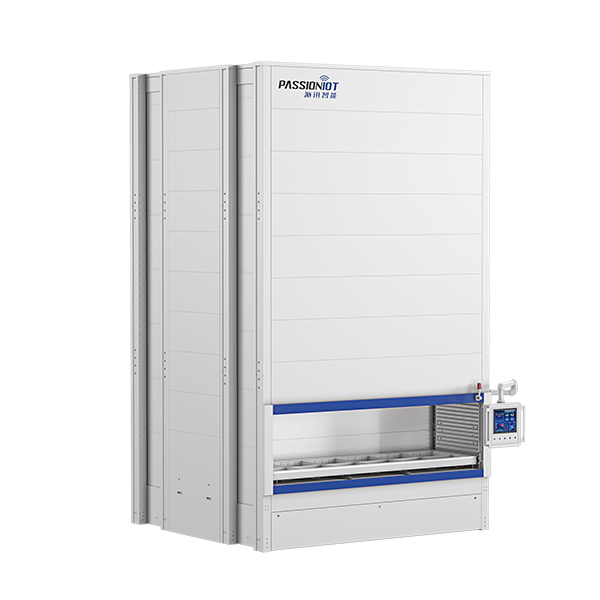
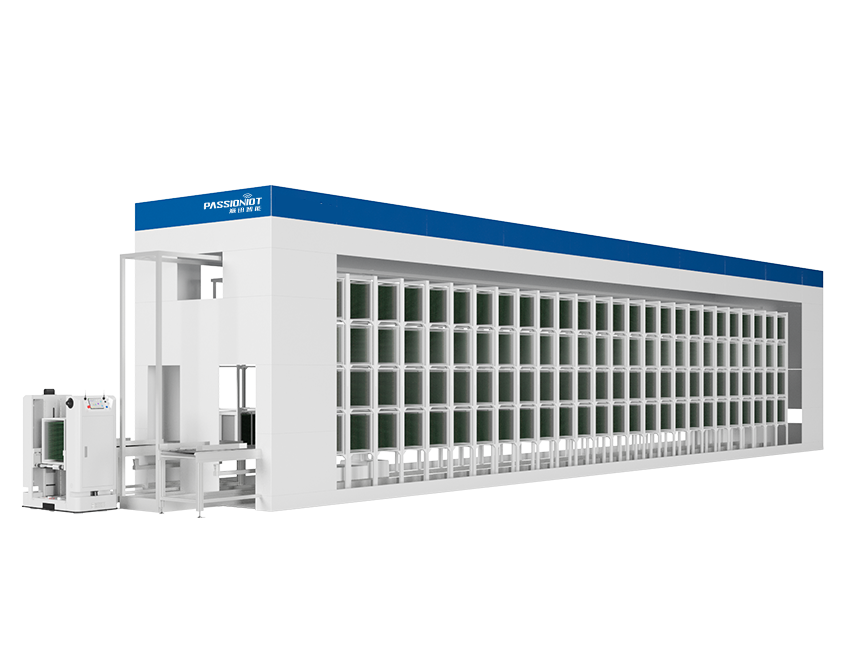
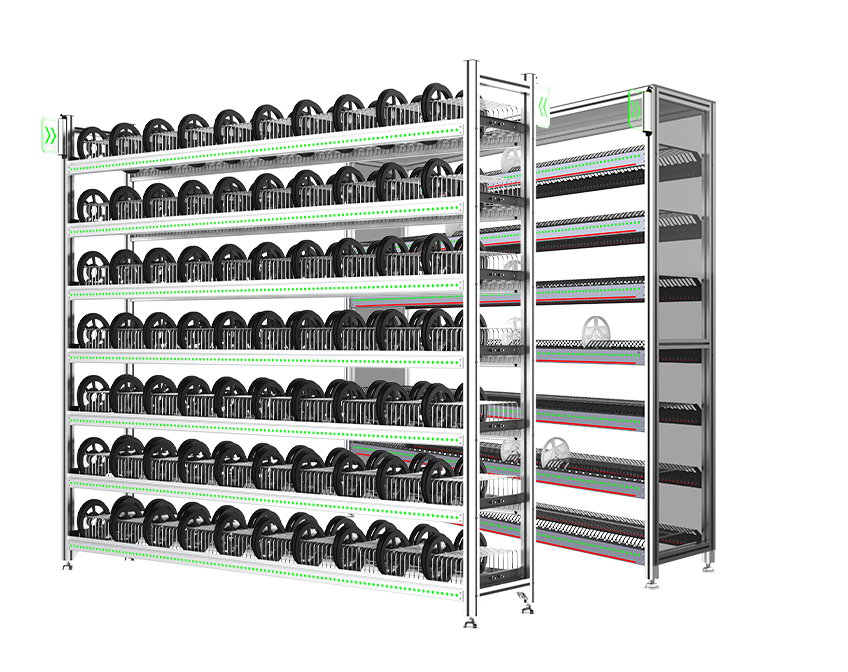
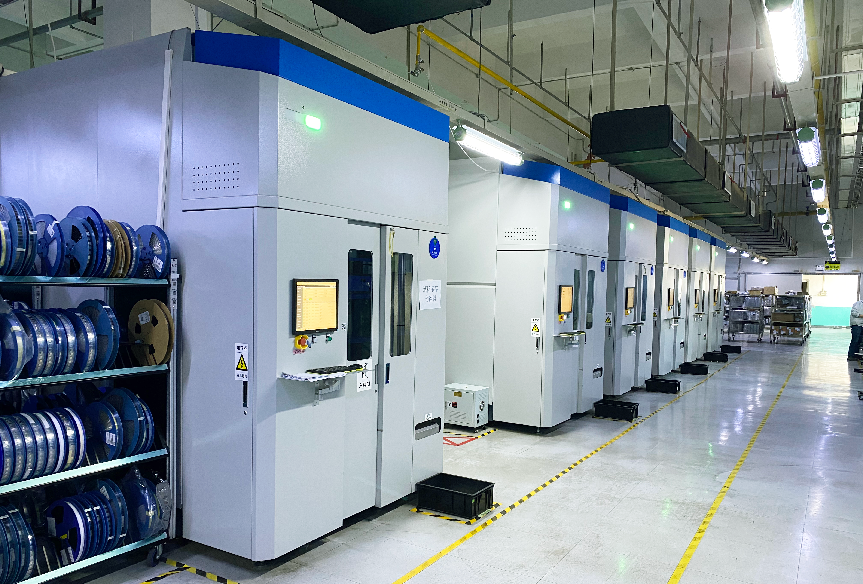
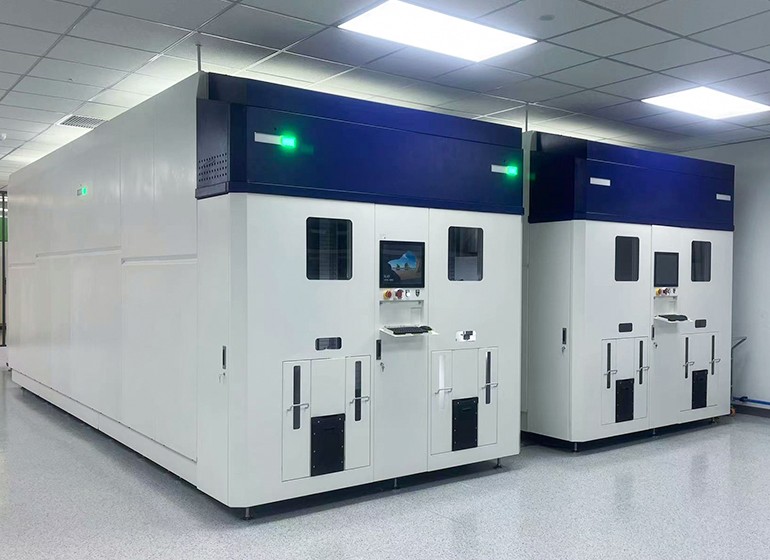
(1) The SMD Smart Warehouse provides automated, high-capacity storage for component reels, supporting efficient management of large material volumes.
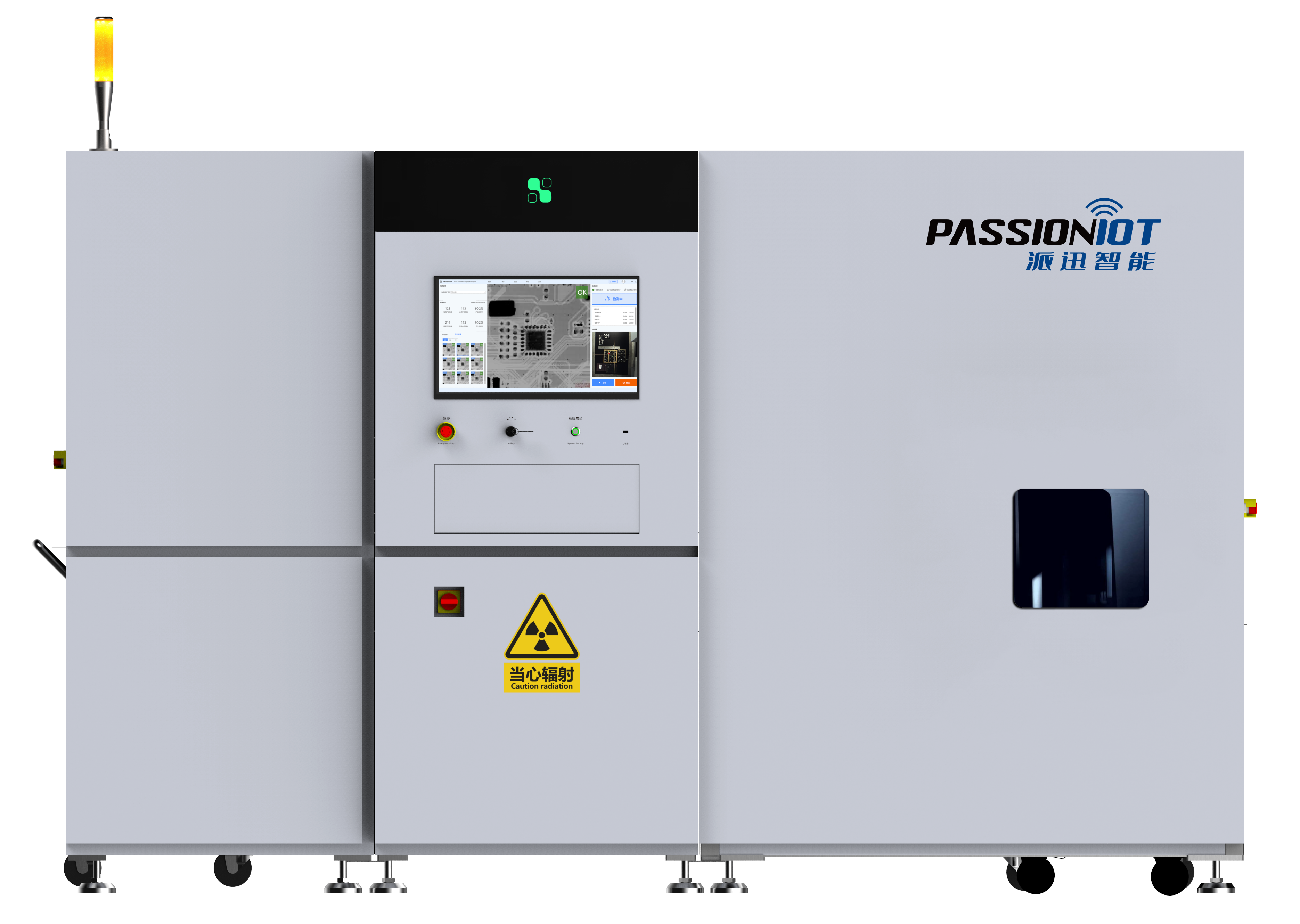
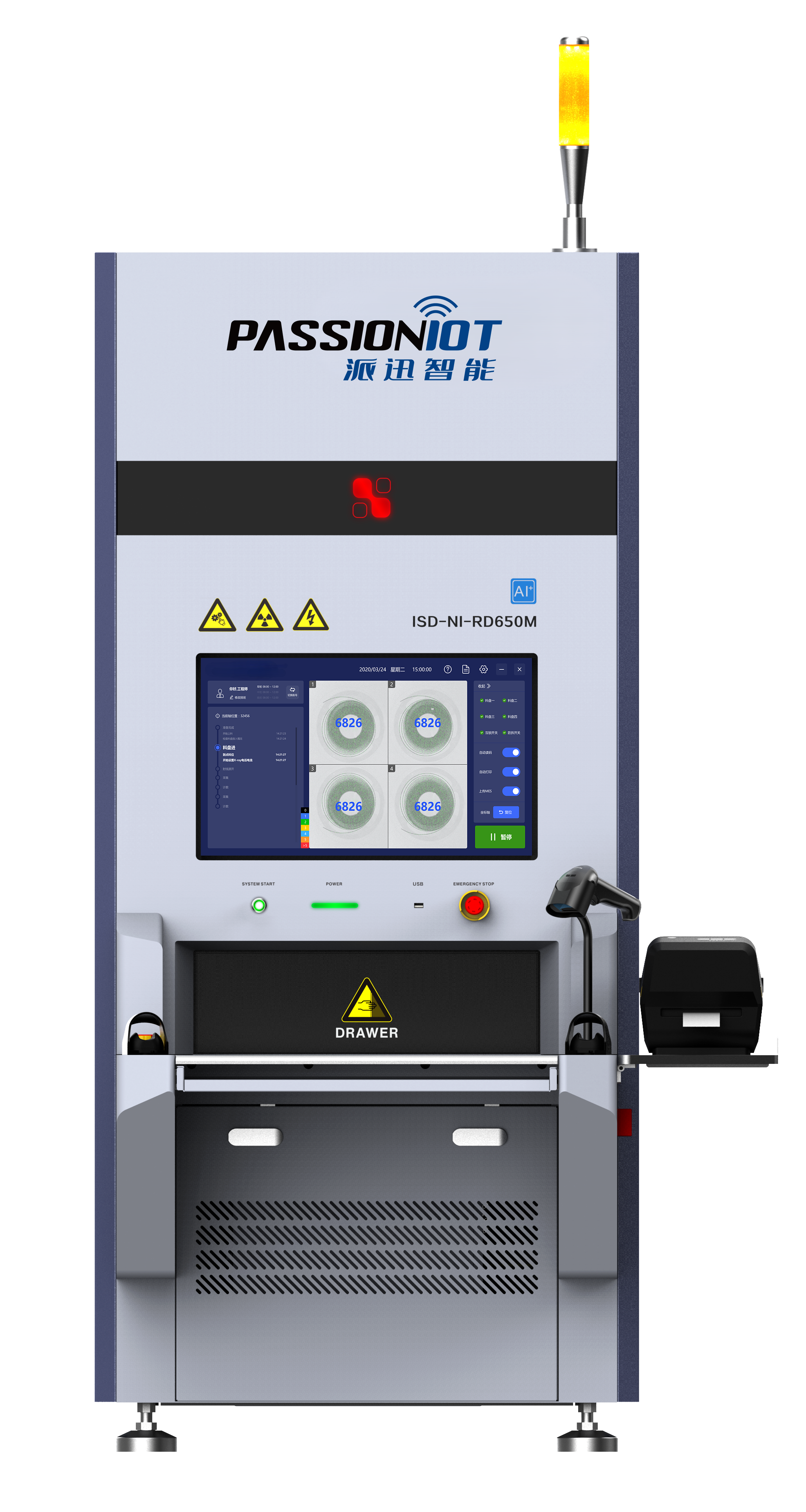
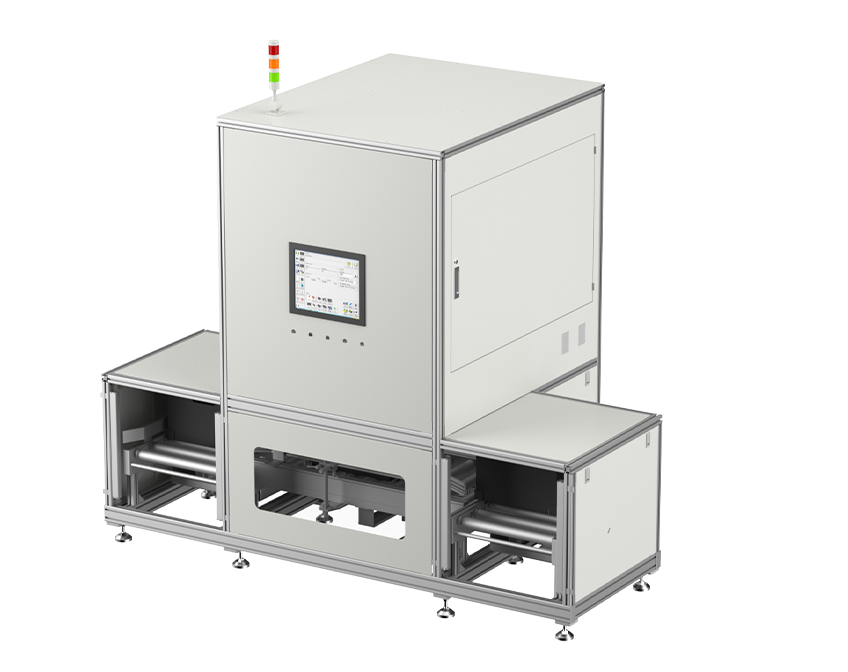
(2) The X-Ray Reel Counter measures the remaining quantity on partial reels quickly and accurately, helping maintain precise inventory records.
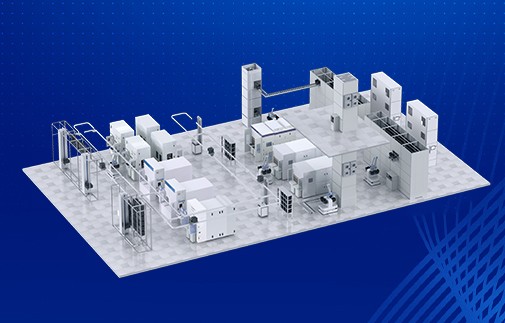
(3) Meanwhile, the PassionIOT software platform connects warehouse systems, material tracking, and robotic equipment within a unified digital environment.
Core Value
Through system integration, manufacturers gain continuous visibility of materials from the moment they enter storage until they are used in production. Inventory accuracy can reach more than 99.9%, enabling reliable planning and reducing discrepancies. Similarly, improved data transparency supports higher OEE and helps build a fully connected smart manufacturing ecosystem.
Conclusion
Factories differ in scale, budget, and digital maturity, so the right intelligent warehouse automation solution depends on identifying current operational challenges and selecting an appropriate transformation path.
PassionIOT provides modular solutions that allow manufacturers to start with targeted improvements and gradually build toward a fully integrated smart manufacturing system.





 Home
Home