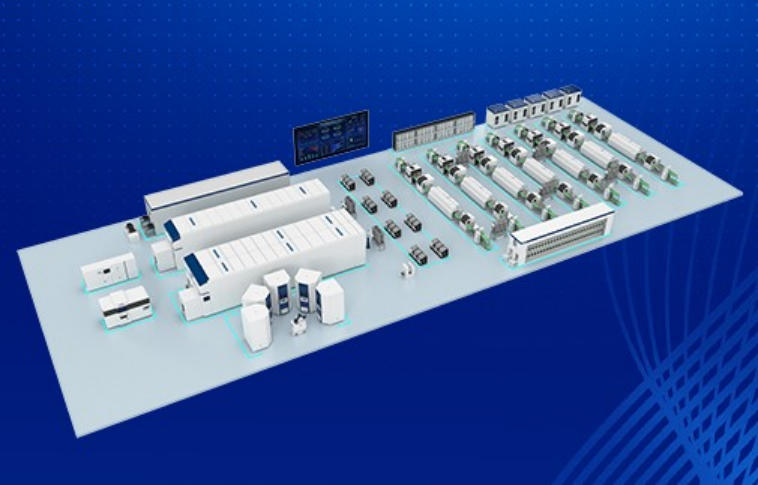
Smart warehouses use a mix of robotics, artificial intelligence, IoT, and automated warehouse management systems. Yet in practice, many companies discover that investing in warehouse automation is far more complex than expected.
Imagine purchasing a fully automated sorting line, only to find that maintenance costs are higher than labor costs. Or perhaps you have purchased AGVs, only to discover they won't run due to substandard warehouse flooring. Of course, buying the wrong warehousing equipment is worse than not buying any equipment at all. That being said, businesses of different sizes require adaptive procurement strategies. Here is a full breakdown of what you need to keep in mind.
How Should Warehouse Equipment Procurement Align with Your Business Needs?
The first thing you need to do is align your warehousing equipment procurement with the particular needs of your business. Of course, this will differ depending on the scale of your business.
1. How Should SMEs Approach Smart Warehouse Equipment Procurement?
For small and medium enterprises (SMEs), the core objective of any procurement initiative is to solve specific operational challenges that the business faces or to pursue quick results.
Most SMEs face challenges such as low picking efficiency, poor inventory accuracy, and limited storage space. These problems can, in turn, affect the rate at which you are delivering output. However, fixing this does not demand a large-scale warehouse automation system. In fact, localized optimization strategies might be the best way to go. This would mean introducing warehousing equipment only in specific pain point areas.
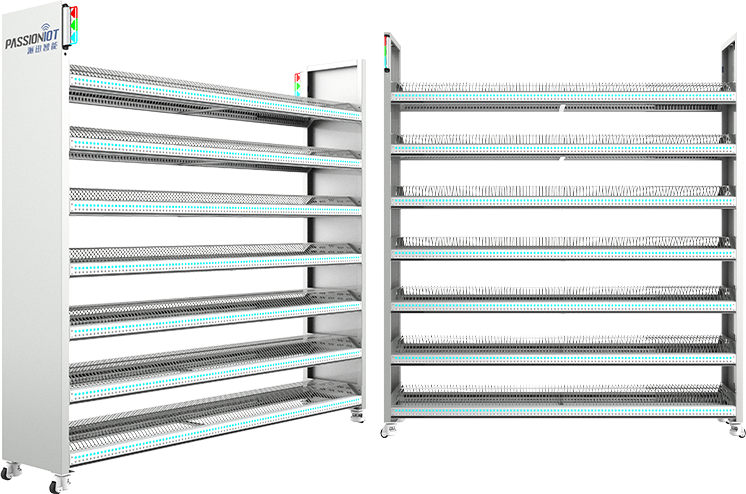
For example, it can be a real hassle to manage assets without knowing where they are, especially when you have hundreds of assets available. In this case, you should invest in an asset-tracking system to easily locate any item you need.
Again, consider how much time it takes for your employees to locate assets if you were ever to invest in such a technology. You don't want to overinvest in equipment that is better suited to larger operations. If the current business volume cannot fully make use of the system's capacity, the investment may become a financial burden rather than a productivity boost.
2. How Should Large Enterprises Plan Warehouse Automation Procurement?
In the case of larger enterprises, the objective is somewhat different: invest in warehousing equipment that supports your overall supply chain strategy, not just localized efforts. The idea is to pursue system-wide optimizations.
For large enterprises, the most common operational issues include local aberrations in efficiency across multiple warehouses, insufficient capacity during peak demand periods, and slow supply chain responsiveness to market changes. These challenges cannot be solved by isolated equipment upgrades. Instead, procurement must be part of a long-term strategic plan.
Therefore, when creating your implementation strategy, you must align your warehouse procurement decisions with your enterprise’s long-term strategy. Typical long-term strategies can span anywhere from 3 to 5 years. You must fully assimilate the new warehousing equipment once it is brought in for a synergistic effect.
One major concern here is the implementation of an overly rigid “lights out” automation, or the complete exclusion of human involvement. While this may seem like the end goal of warehouse automation, it leads to severe operational risks and the potential for errors.
How Should Warehouse Equipment Procurement Align with Your Team’s Capabilities?
So far, we have talked about the structure of your business in terms of its scale. Now, we will discuss aligning procurement warehouse strategy with the capabilities of your team resources.
1. What Should SMEs Consider About Usability and Technical Support?
SMEs usually do not have full IT teams on board. That is why the technology you bring in must be user-friendly for your teams. Highly advanced systems will demand highly trained staff. If you do not have such individuals on board, you may have to bring in a new resource, which can be costly. It also goes without saying that you should prioritize warehousing equipment that provides after-sales support.
Furthermore, Small and medium businesses are better suited to cloud-based service providers, as this eliminates the need to set up dedicated servers within their limited warehouse space.
2. How Should Large Enterprises Prepare Their Teams for System Integration and Operation?
Large enterprises are not only large in scale and teams but also have better technological capabilities. When onboarding technologies, they still have to consider a few key factors. First, they should prioritize system openness. That is, the new warehousing equipment should be fully Integrable with other parts of your system. This will ensure that there are no hindrances in operations as the new equipment is slowly integrated into operations.
Next, these suppliers must be willing to provide tiered training (operations, maintenance, troubleshooting) to your staff members. Once they are fully trained, they will no longer have to depend on the original manufacturer.
What Key Factors Should You Evaluate Before Purchasing Warehouse Equipment?
Irrespective of the type of enterprise you have, there are still certain key considerations you must be mindful of.
1. Beware of Closed Systems
If you want to ensure flexibility, scalability, and efficiency for your large Enterprise, you should always skip closed systems and opt for more open systems.
2. Evaluate Total Lifecycle Cost
Next, you should be considering the cost of bringing in the warehousing equipment. Of course, this does not only mean that you focus solely on the initial quotation. Nearly all equipment will demand unexpected operational costs down the line. Here is how you must evaluate them:
○ Implementation Cycle: There are several costly steps you will need to take while incrementing the new procured equipment. This includes Direct hardware costs, software licensing and maintenance, training investments for employees, and infrastructure modifications.
○ Energy Consumption: Advance warehouse tends to rely on a constant stream of energy. You will need to ensure that such infrastructure exists in your warehouse. Otherwise, you must prepare for it.
○ Maintenance Costs: Maintenance can prove to be quite costly down the road. At this stage, you should identify the list of wear parts, replacement frequency, and prices. Additionally, you should confirm the existence of hidden fees such as software licensing fees, version upgrade fees, or interface call fees. Get as much clarity as you can.
○ Service Life: Finally, you should consider the service life of the equipment. Oftentimes, people opt for low-quality equipment if it means paying less up front. However, this equipment will quickly demand replacement. Therefore, it is better to invest in long-term solutions. Though they may cost you more up front, they will not require frequent replacement.
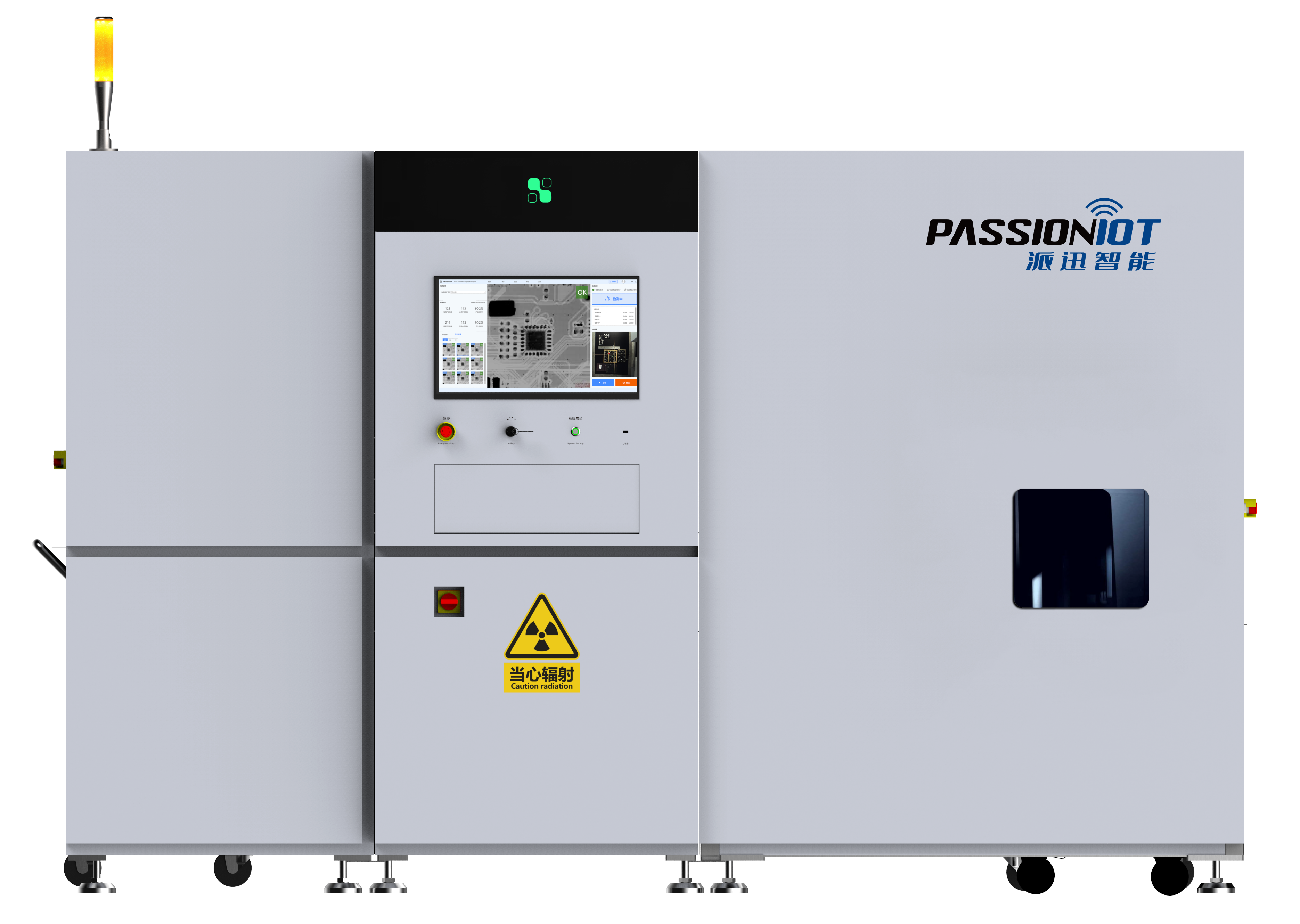
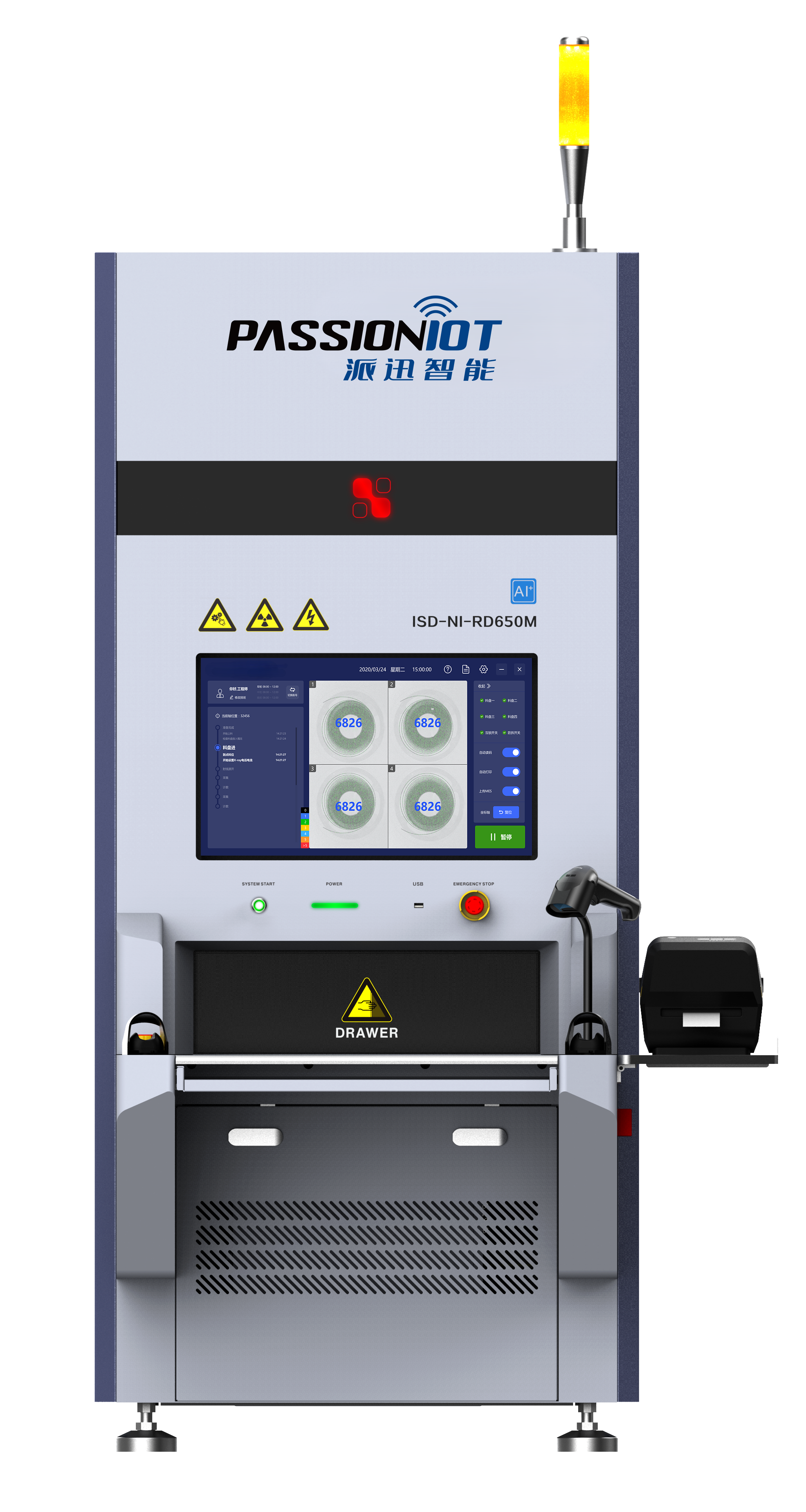
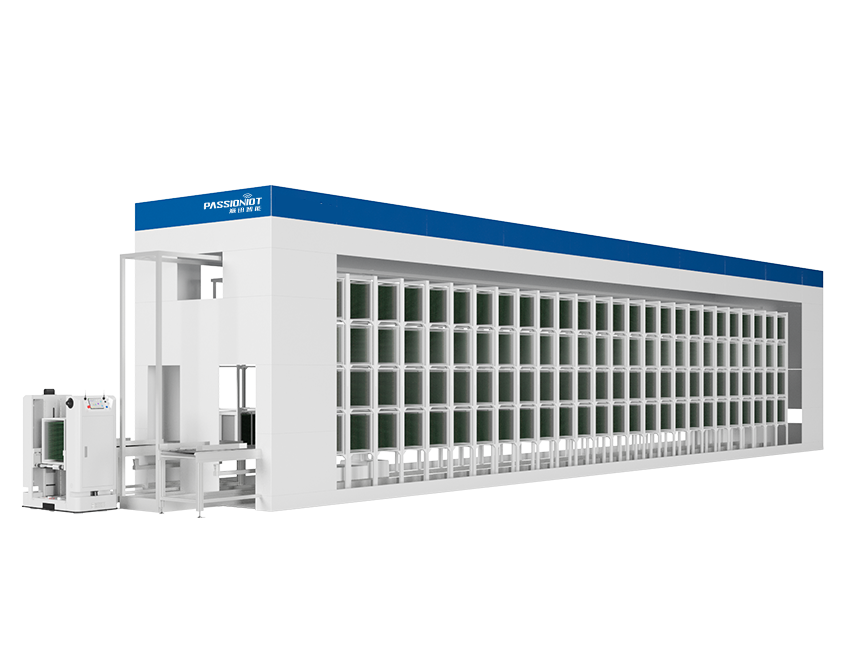
PassionIOT for Smart Warehousing
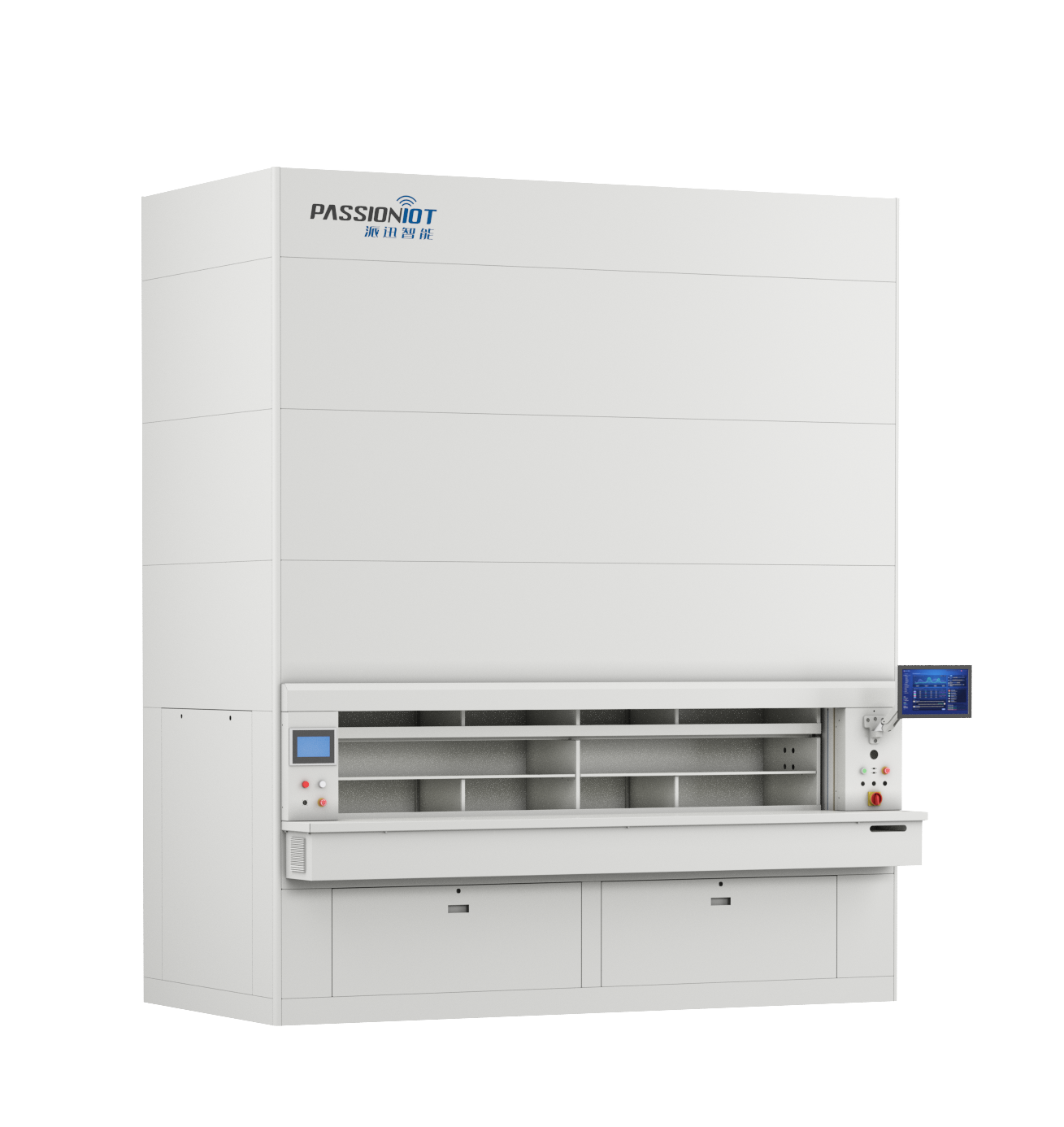
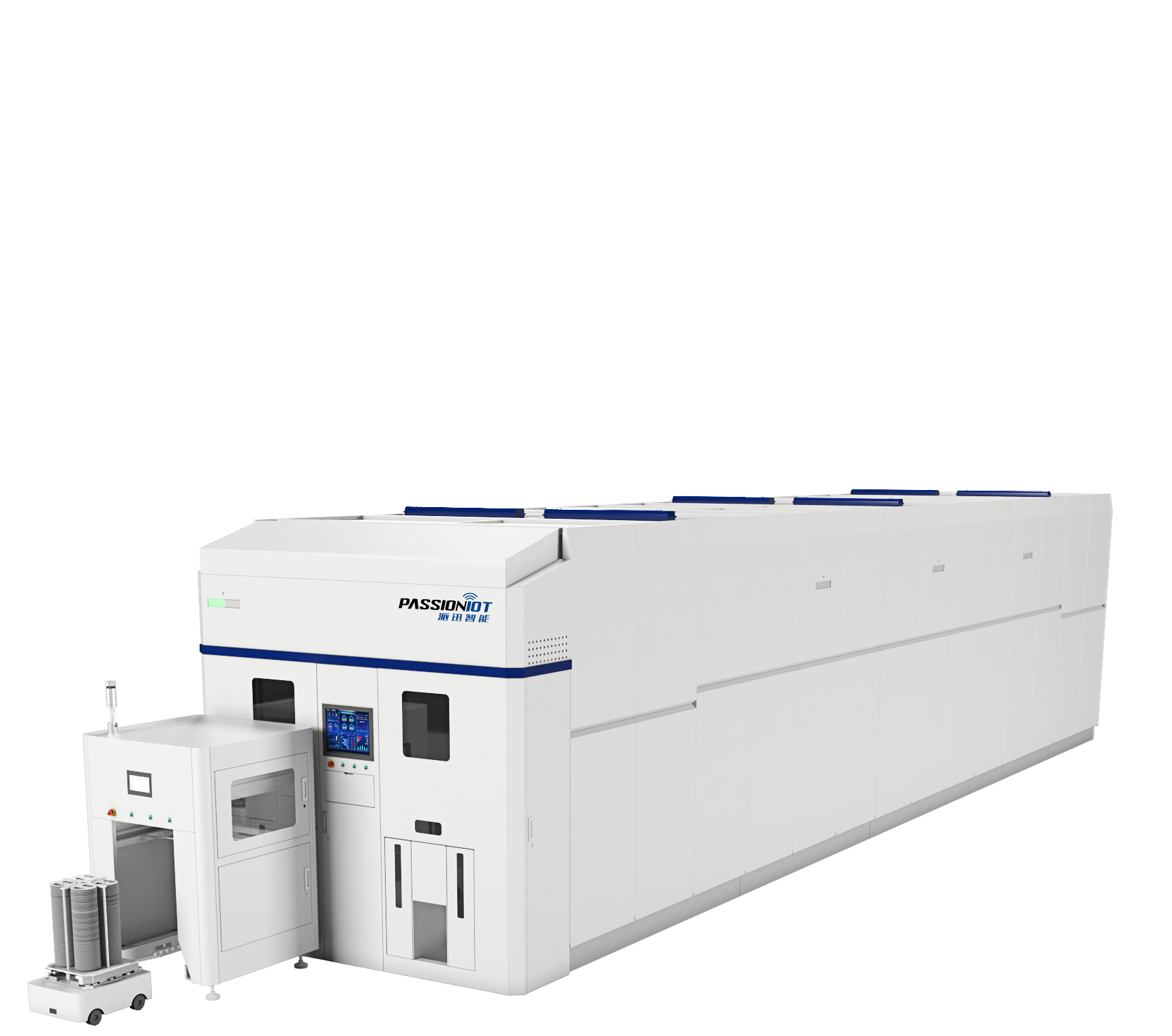
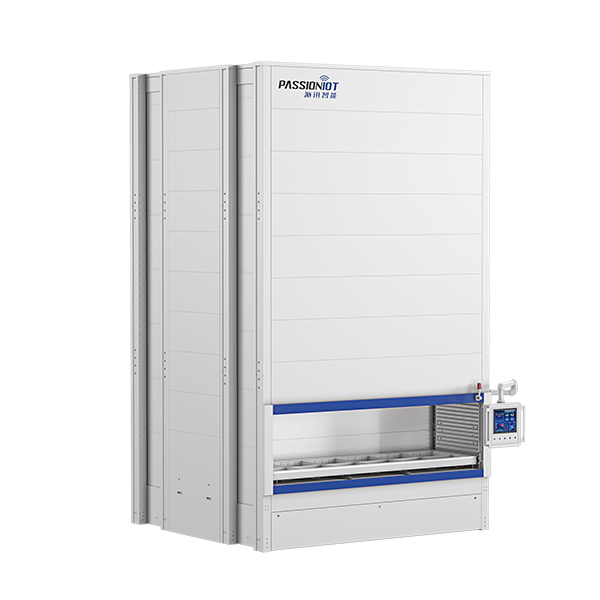
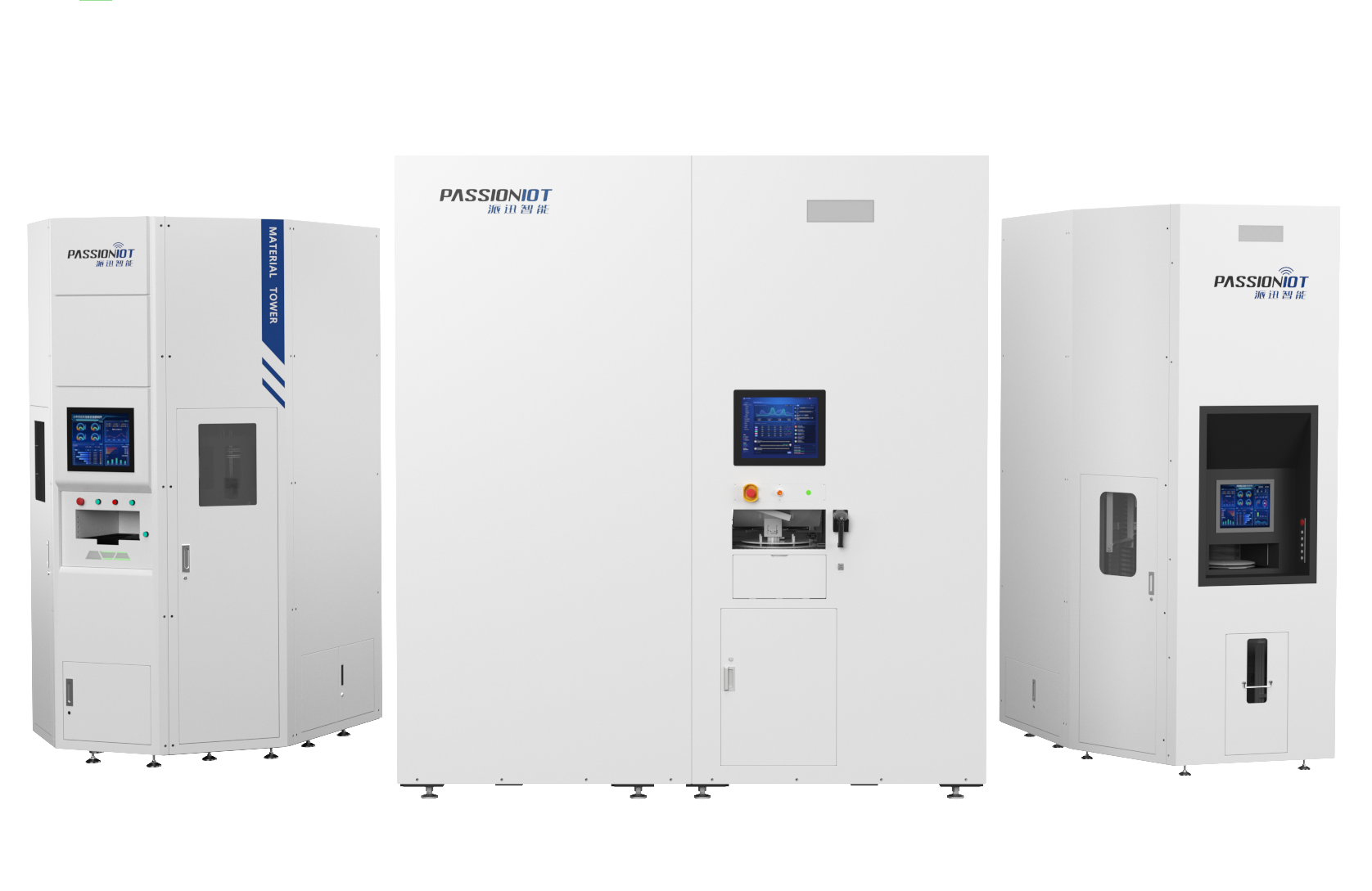
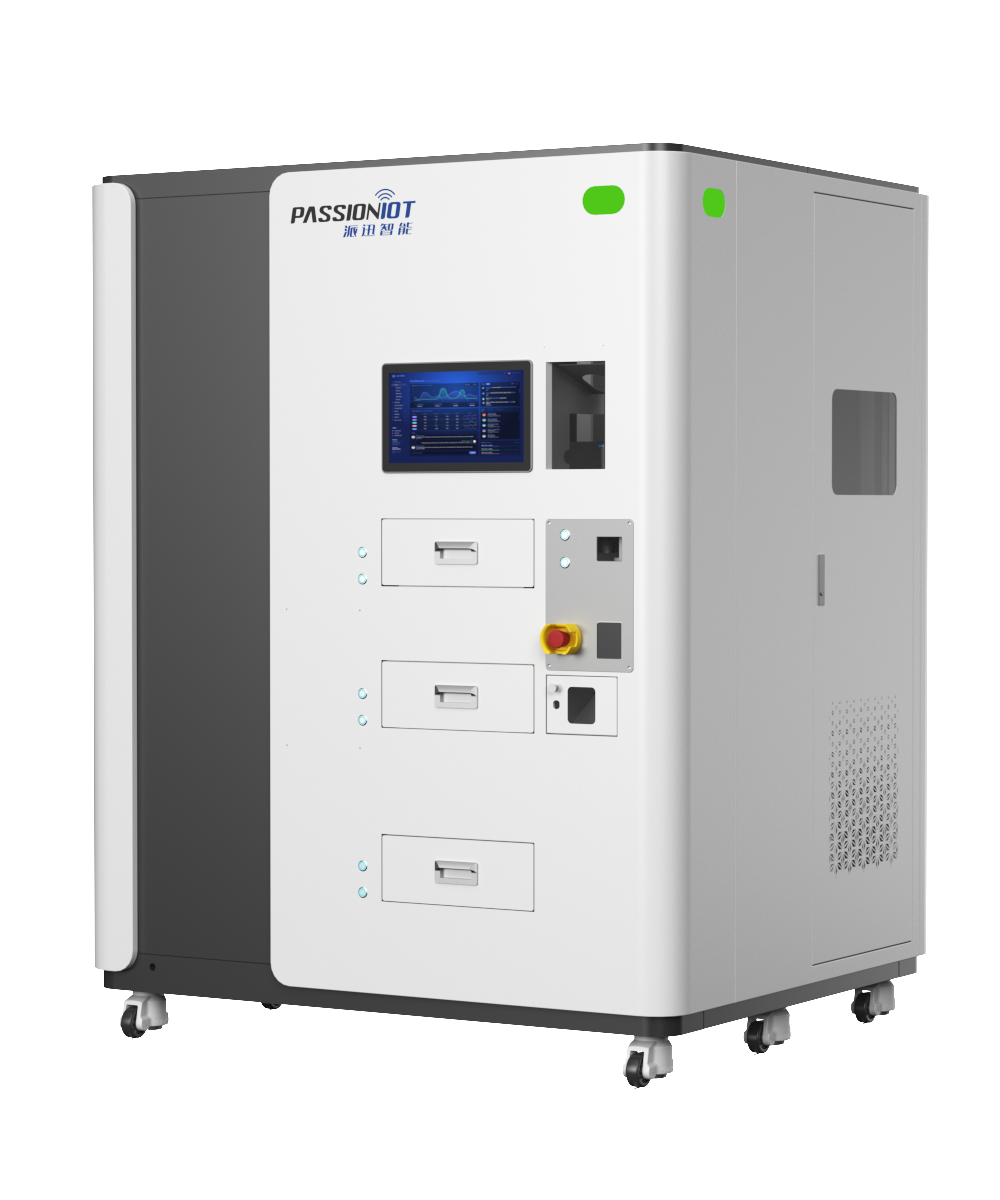
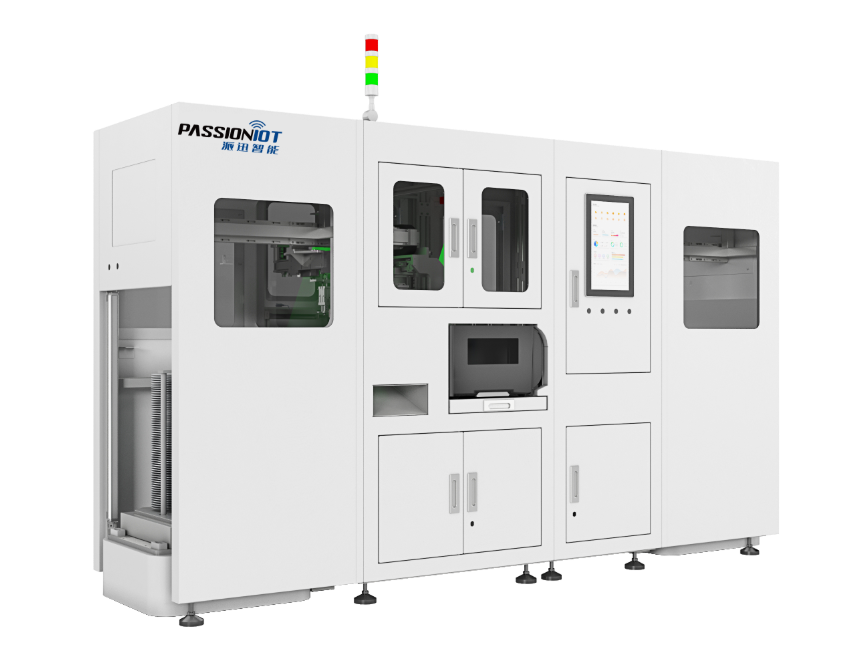
Selecting the right technology is only step one; you should also find the appropriate supplier for your business. PassionIOT offers advanced warehouse solutions for SMEs or large enterprises. We can deliver solutions that fit your exact warehouse needs.





 Home
Home