In the intricate world of Surface Mount Device (SMT) assembly, solder paste is often described as the "lifeblood" of the production line. This sophisticated mixture of microscopic metal alloy spheres and chemical flux is responsible for both the electrical connectivity and the mechanical integrity of the final product. However, despite its industrial strength once reflowed, solder paste in its "wet" state is remarkably sensitive to environmental variables.
Improper handling of this critical material is a leading cause of assembly defects, including solder balling, bridging, and poor wetting. To achieve consistent, high-quality results—especially when utilizing an automated soldering machine—manufacturers must implement a rigorous thermal and environmental management protocol. Understanding the science behind paste degradation is the first step toward optimizing the assembly process.
The Science of Solder Paste Stability
Solder paste is a non-Newtonian fluid designed with specific rheological properties. It must be thick enough to stay in place after printing (viscosity) but fluid enough to be pushed through a fine-mesh stencil (thixotropy). The stability of this balance depends on the chemical health of the flux.
When solder paste is exposed to room temperature for extended periods, a chemical reaction occurs between the flux and the metal powder. This leads to oxidation and a gradual increase in viscosity, often referred to as "thickening." If the paste becomes too dry or thick, it will not release properly from the stencil apertures, leading to insufficient solder on the pads. Conversely, exposure to high humidity can cause the flux to absorb moisture, leading to "slump" or even explosive outgassing during reflow, which manifests as solder beads or spatter.
Best Practices for Professional Solder Paste Storage
To maintain the integrity of the material from the moment it arrives at the facility until it is applied to the PCB, three pillars of management must be followed:
1. Temperature Control and Refrigeration
Most manufacturers recommend that solder paste be stored in a controlled environment between 2°C and 10°C (35°F–50°F). Cooling the paste significantly slows down the chemical activity between the flux and the metal particles, effectively "pausing" the aging process. It is vital to ensure the paste never reaches freezing temperatures (below 0°C), as this can cause the flux and metal to separate permanently, rendering the batch useless.
2. The Thawing and "Warming Up" Protocol
Perhaps the most common error in SMT labs is the "forced warming" of paste. Taking a cold jar of paste and placing it on a heater or using a hair dryer is catastrophic for quality. Solder paste must reach ambient room temperature naturally—typically over a period of 3 to 6 hours.
If the container is opened while still cold, moisture from the air will immediately condense on the paste, introducing water into the chemistry. This moisture leads to oxidation and voiding during the reflow stage. A disciplined "First-In, First-Out" (FIFO) system is essential to ensure that the oldest batches are thawed and used first, preventing expired material from lingering in the back of the fridge.
3. Preparation for the Automated Soldering Machine
Once the paste has reached room temperature, it requires homogenization. For jars, this means gentle stirring to redistribute any flux that may have settled. However, over-stirring can introduce air bubbles or break down the rheology. For cartridges used in high-speed dispensing or automated printing, the vertical storage "tip-down" method is preferred to prevent air pockets from forming, which could lead to "skipping" during the automated application process.
Intelligent Solder Paste Management with PassionIOT
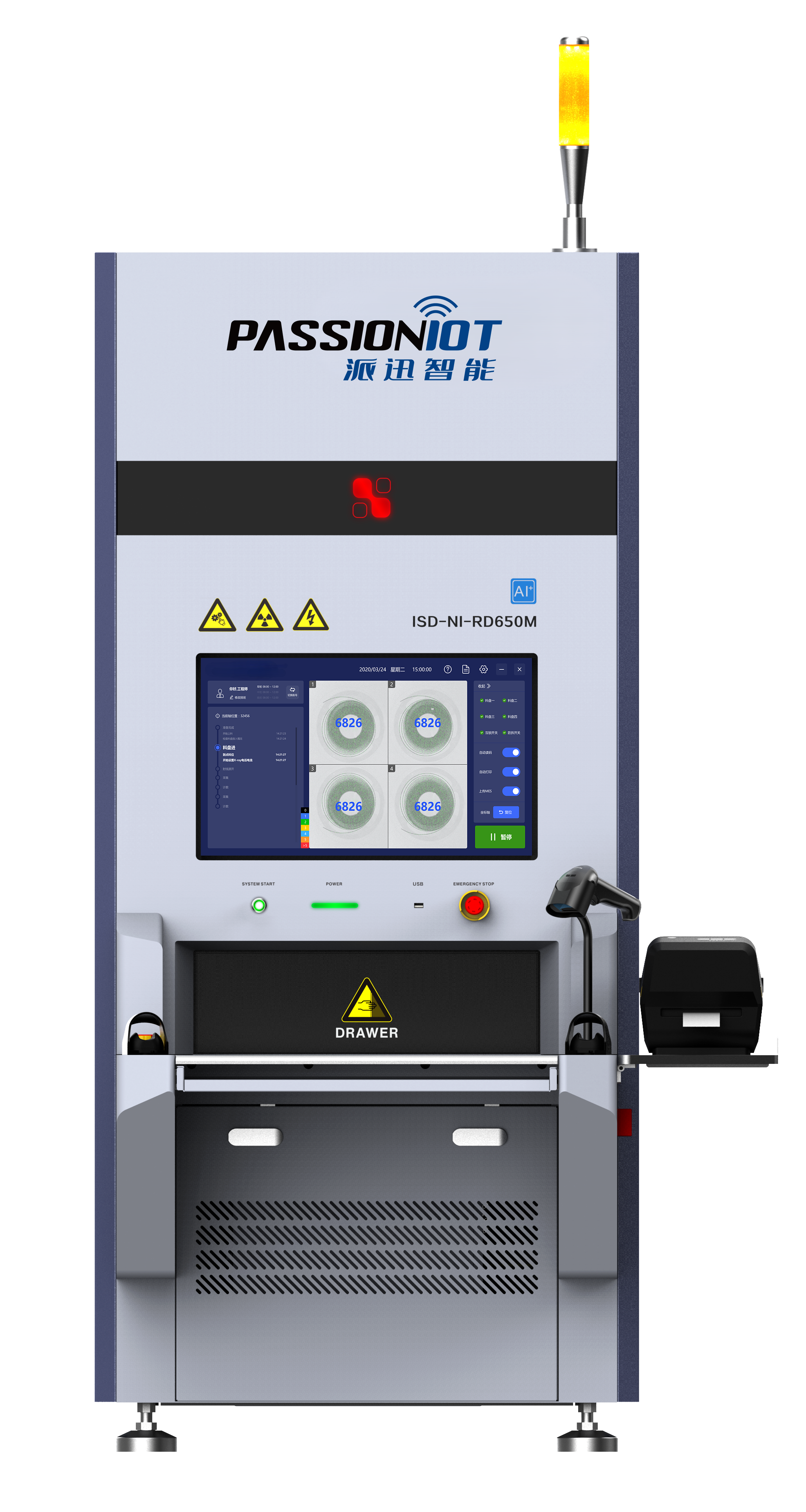
As the industry shifts toward Industry 4.0, manual refrigerators and handwritten logs are being replaced by smart, integrated systems. PassionIOT, a pioneer in intelligent warehouse and material management solutions, has developed a specialized ecosystem designed to take the guesswork out of solder paste handling.
By integrating IoT technology with precision thermal engineering, PassionIOT ensures that every gram of solder paste is tracked, conditioned, and delivered in peak condition. Their solutions are particularly aimed at B2B manufacturers who require high-volume consistency and full digital traceability for audit-heavy industries like automotive and aerospace.
Technical Specifications for Advanced Paste Storage
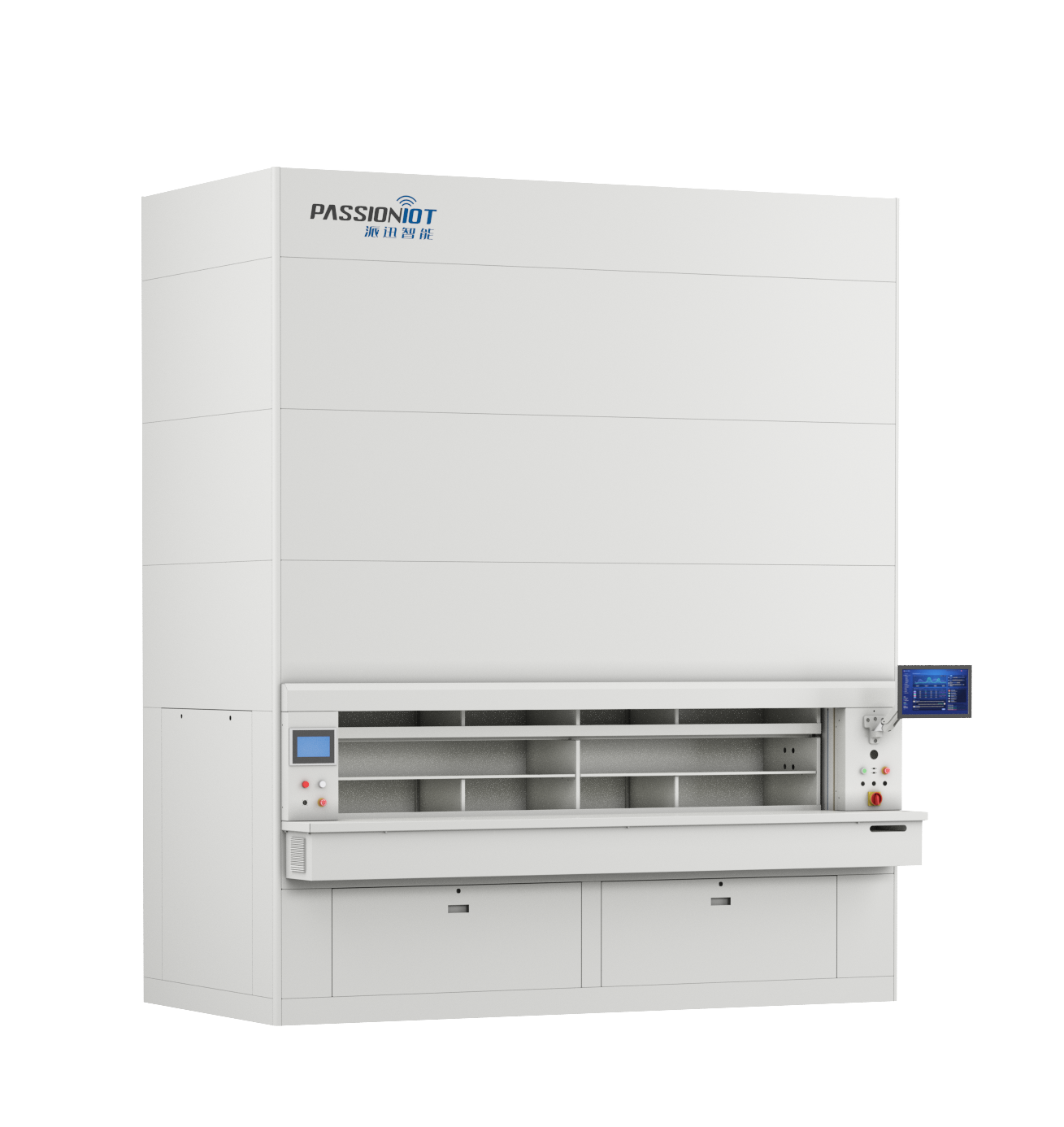
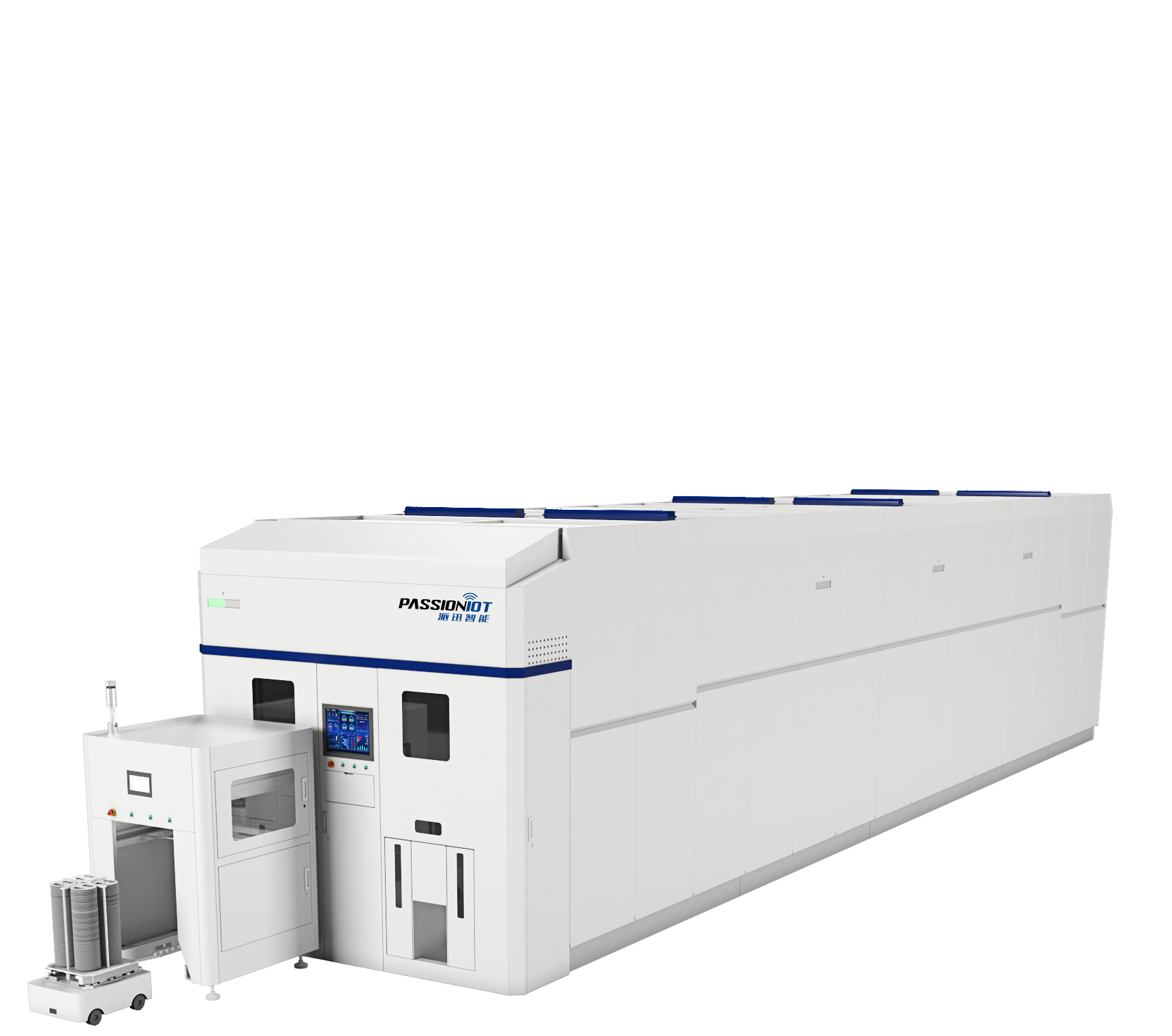
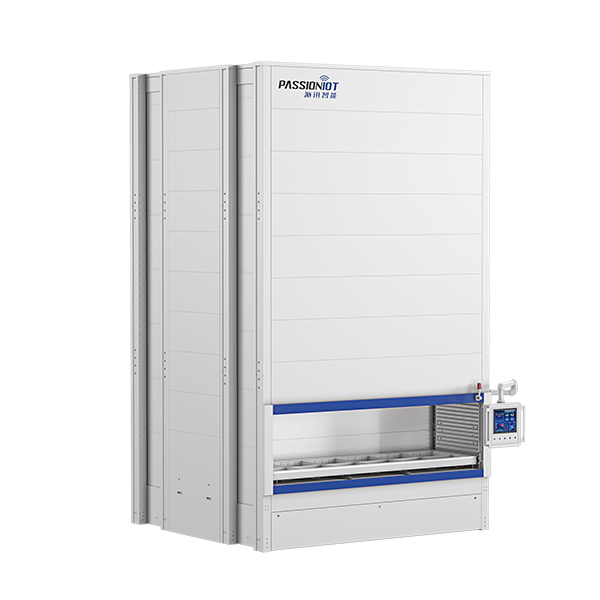
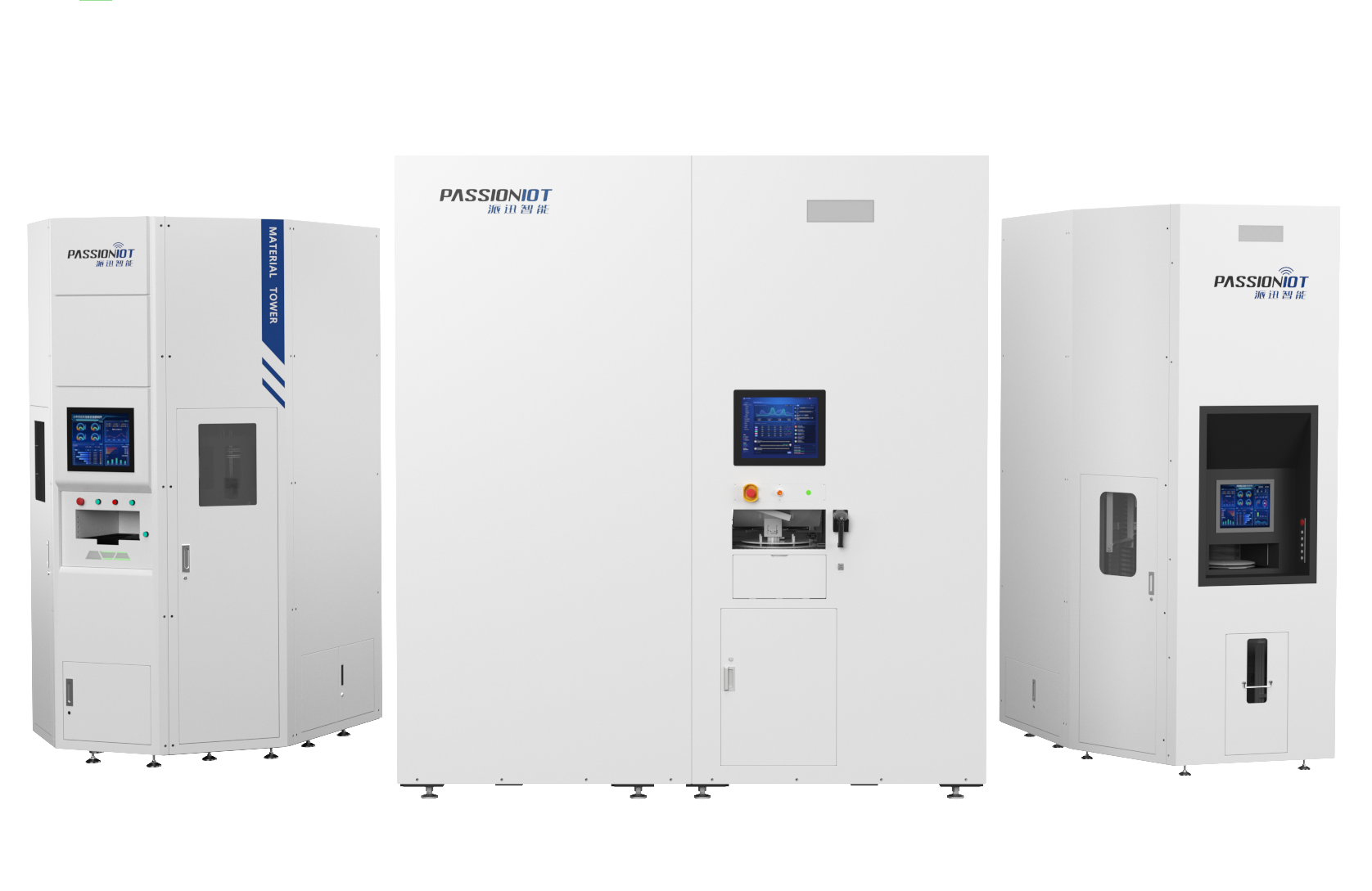
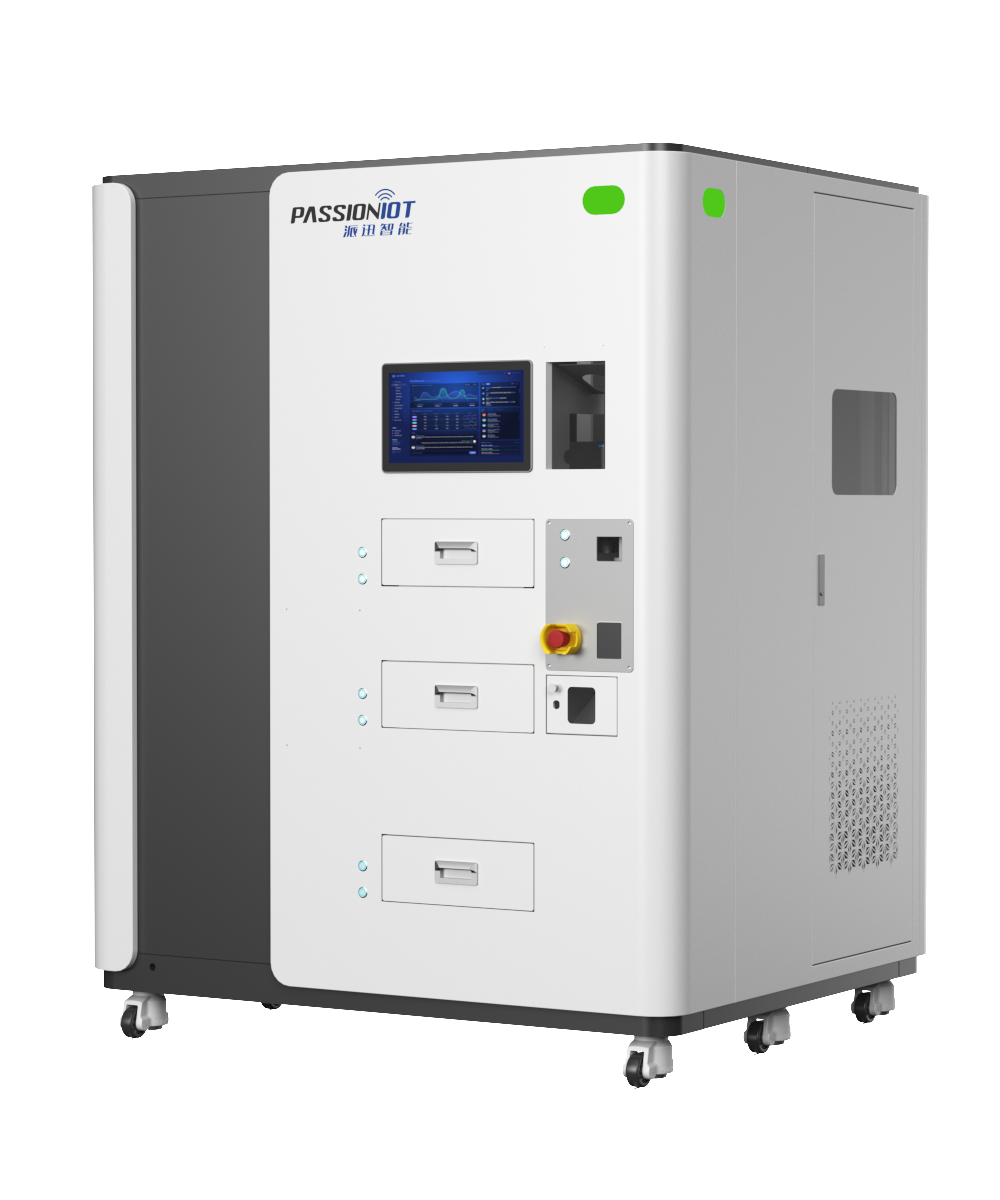
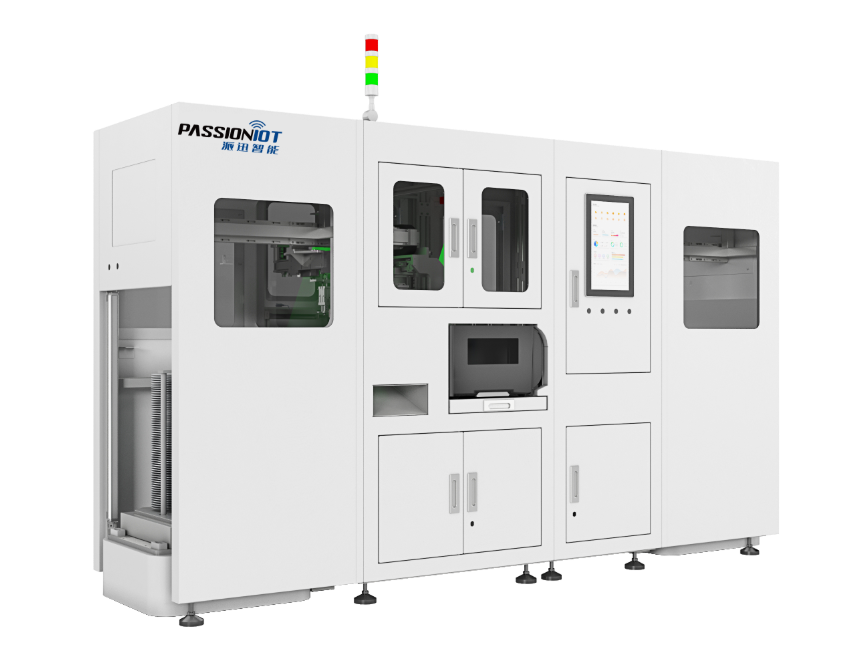
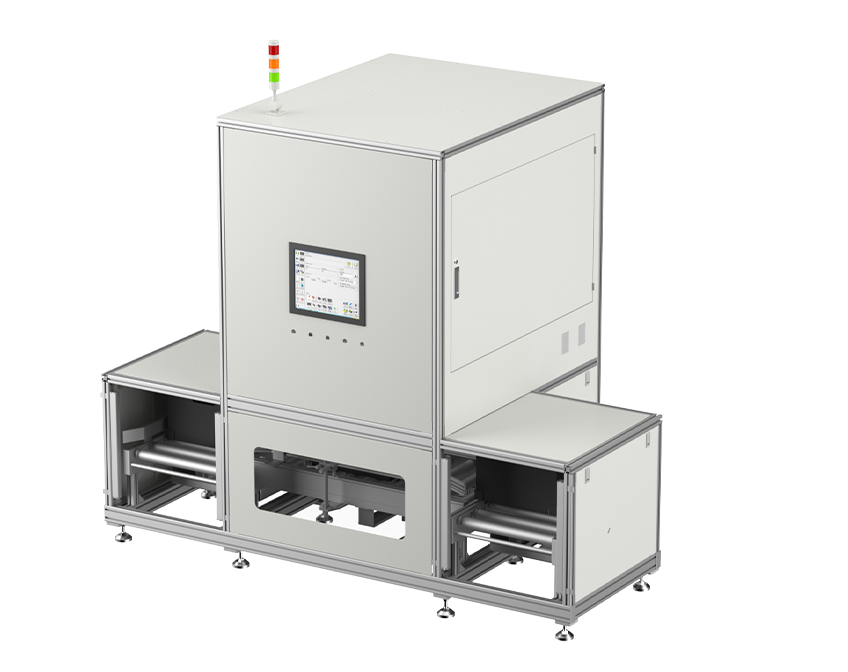
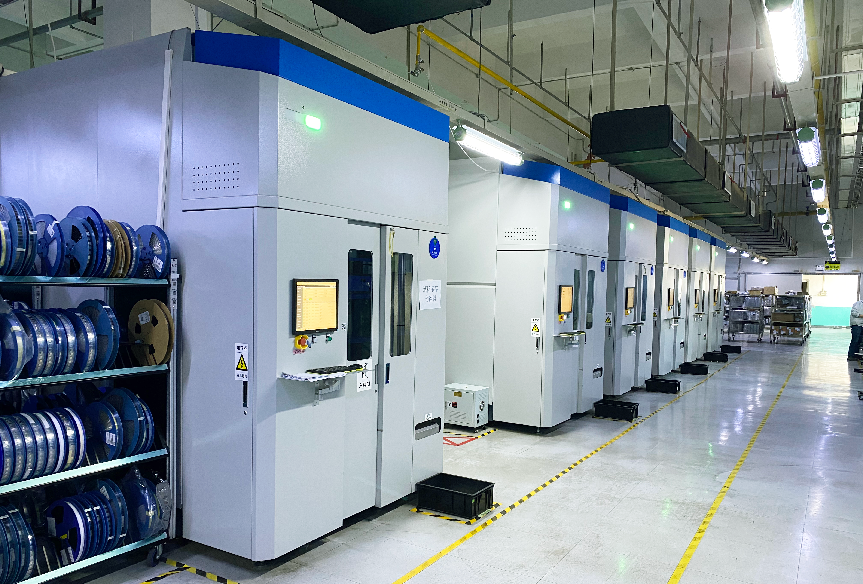
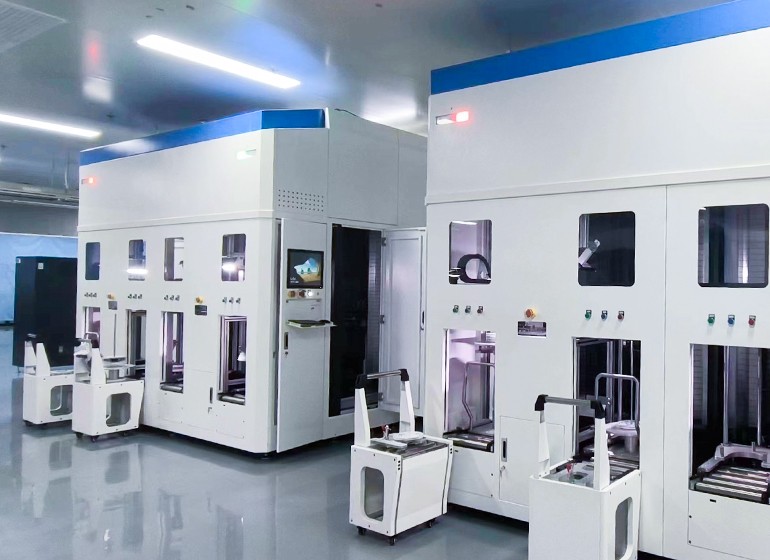
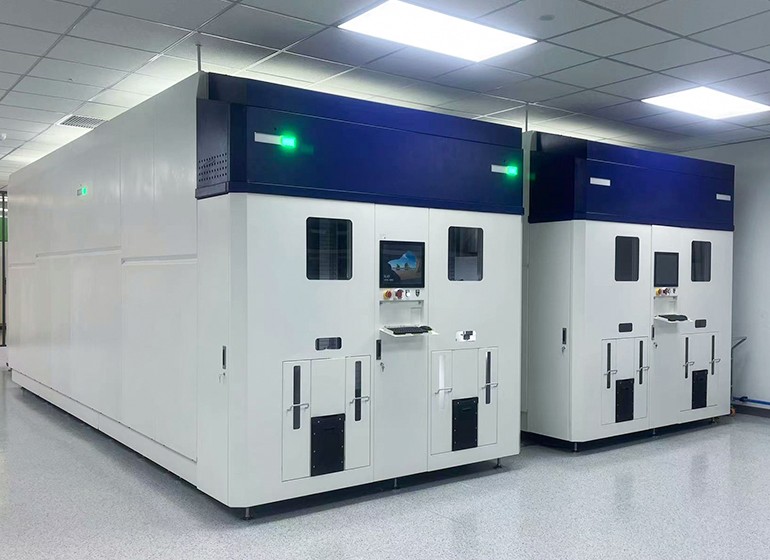
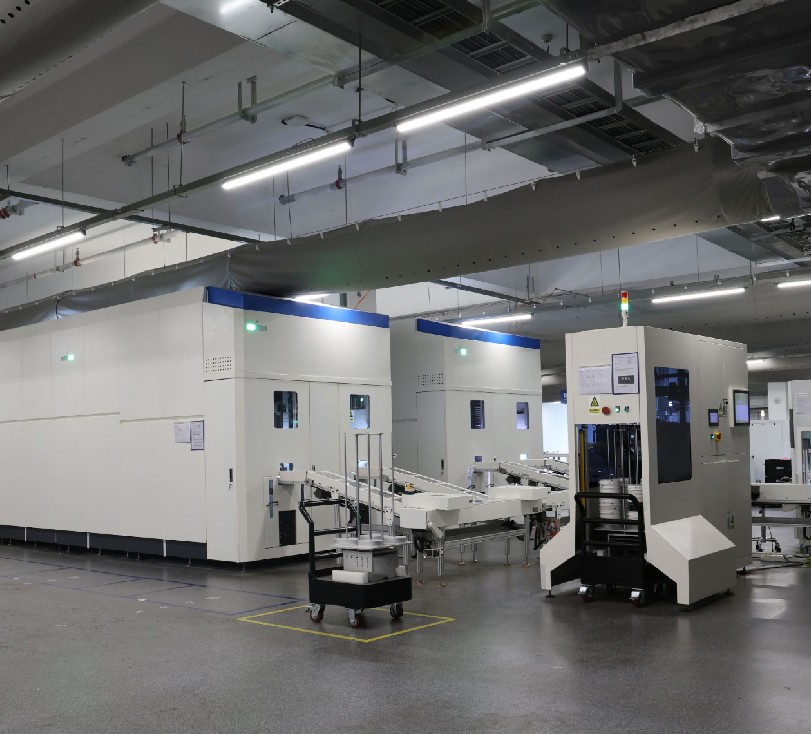
The PassionIOT Smart Solder Paste Storage system is more than just a refrigerator; it is an automated "chemist" that manages the transition of the paste from storage to the production floor. The system features distinct zones for refrigeration, rewarming, and stirring, all governed by an intelligent software layer.
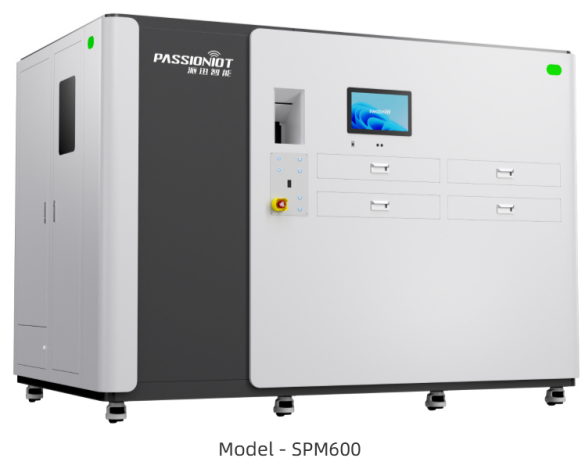
Key Specifications of PassionIOT Solder Paste Storage Solutions, like Model - SPM600:
l Storage Capacity: The system is designed for high-density storage, with the Frozen Zone capable of holding up to 660 standard 500g bottles (depending on the model), while the Rewarming Zone handles up to 90 bottles simultaneously.
l Precision Temperature Range: The refrigeration unit maintains a stable environment between 0–10°C, with a suggested optimal range of 3–8°C to maximize shelf life without the risk of freezing.
l Automated Traceability: Integrated QR code scanning allows for 100% traceability. The system automatically tracks the "Time Out of Fridge" and "Stirring Time," ensuring no paste is used unless it has completed the mandatory warming cycle.
l High-Speed Homogenization: The built-in stirring mechanism operates at a controlled 500 RPM, ensuring the paste reaches the perfect consistency for the automated soldering machine without damaging the metal powder structure.
l Enhanced Security: Access is controlled via multiple biometric and digital options, including Facial ID, Fingerprint, and Card access, preventing unauthorized handling of sensitive materials.
l Industrial Integration: The unit consumes approximately 6.5 KW of power and is built to industrial dimensions (L2,700×W1,650×H2,000mm), allowing it to fit seamlessly into modern SMT cleanroom layouts.
l Smart Logistics: The system features an optimized access port designed to minimize cold air loss during retrieval, maintaining a "Zero Condensation" environment through advanced self-evaporation technology.
Conclusion
Maintaining solder paste quality is a game of precision and patience. While the chemical nature of the paste makes it vulnerable, following strict storage temperatures and natural warming protocols can eliminate the vast majority of printing defects. For modern manufacturers, the move toward automated management systems—like those offered by PassionIOT—not only protects the material but also provides the data-driven certainty required for the next generation of electronics manufacturing. By ensuring the paste is perfectly prepared for the automated soldering machine, facilities can significantly boost their First Pass Yield (FPY) and reduce long-term operational costs.










 Home
Home