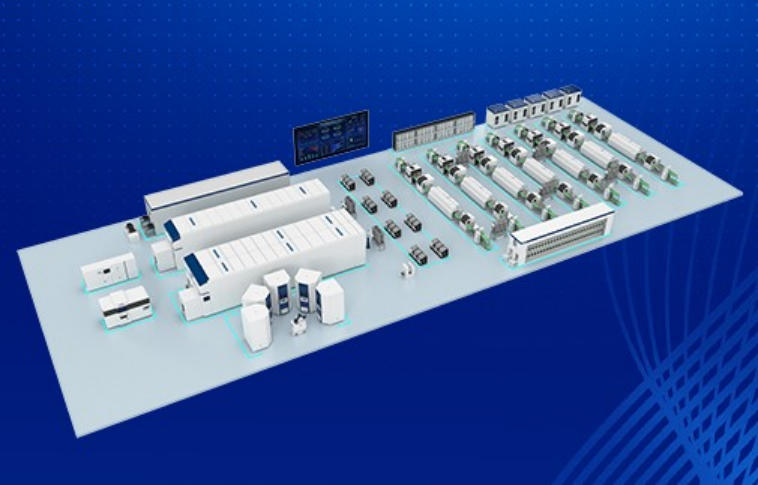
In the competitive landscape of 2026, electronics manufacturers face a dual challenge: the rapid acceleration of product lifecycles and the extreme sensitivity of the components themselves. Unlike traditional logistics, managing an electronics warehouse is not just about moving boxes; it is about maintaining a delicate ecosystem of environmental control, static prevention, and high-density precision. Selecting the right business warehousing and storage solutions is no longer just a functional necessity—it is a strategic imperative for maintaining high First Pass Yield (FPY) and minimizing operational waste.
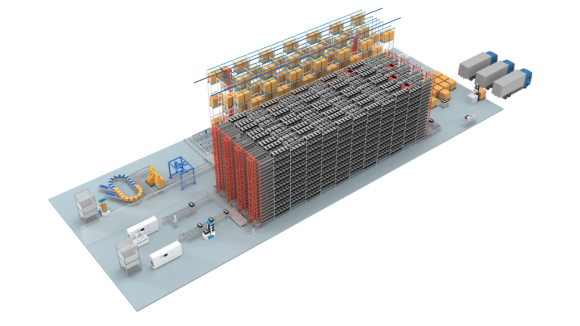
The Evolution of Electronics Material Management
For decades, electronics warehousing relied on manual labeling and static racking. However, the move toward Industry 4.0 has rendered these methods obsolete. Modern electronics components, particularly semiconductors and passive components like 0201 resistors, require specialized care that standard warehousing cannot provide.
One of the most significant shifts in the industry is the adoption of "intelligent" storage. This involves moving beyond simple shelf-level tracking to component-level visibility. When dealing with thousands of similar-looking reels, the risk of a technician pulling the wrong part is high. Leading warehousing solutions now integrate real-time tracking systems that synchronize the warehouse database directly with the SMT (Surface Mount Technology) production lines. This ensures that the material flow is "pull-based," meaning components are only moved from storage when the production line specifically requests them, reducing floor clutter and the risk of component degradation.
Critical Features of Business Warehousing and Storage Solutions
When evaluating a storage framework for an electronics facility, several technical factors must be prioritized to ensure both the safety of the components and the efficiency of the workers.
1. ESD and Environmental Integrity
Electrostatic Discharge (ESD) is the silent killer of electronic components. High-quality business warehousing and storage solutions must incorporate ESD-safe materials, from the bins and racks to the flooring and even the robotic interfaces. Furthermore, climate control is essential. Many components, such as solder paste or specific moisture-sensitive devices (MSDs), require strict temperature and humidity monitoring. Advanced systems now include automated logging and alerts to ensure that the storage environment remains within the IPC/JEDEC standards, preventing latent defects that might only show up after the product has reached the end consumer.
2. High-Density Vertical Storage
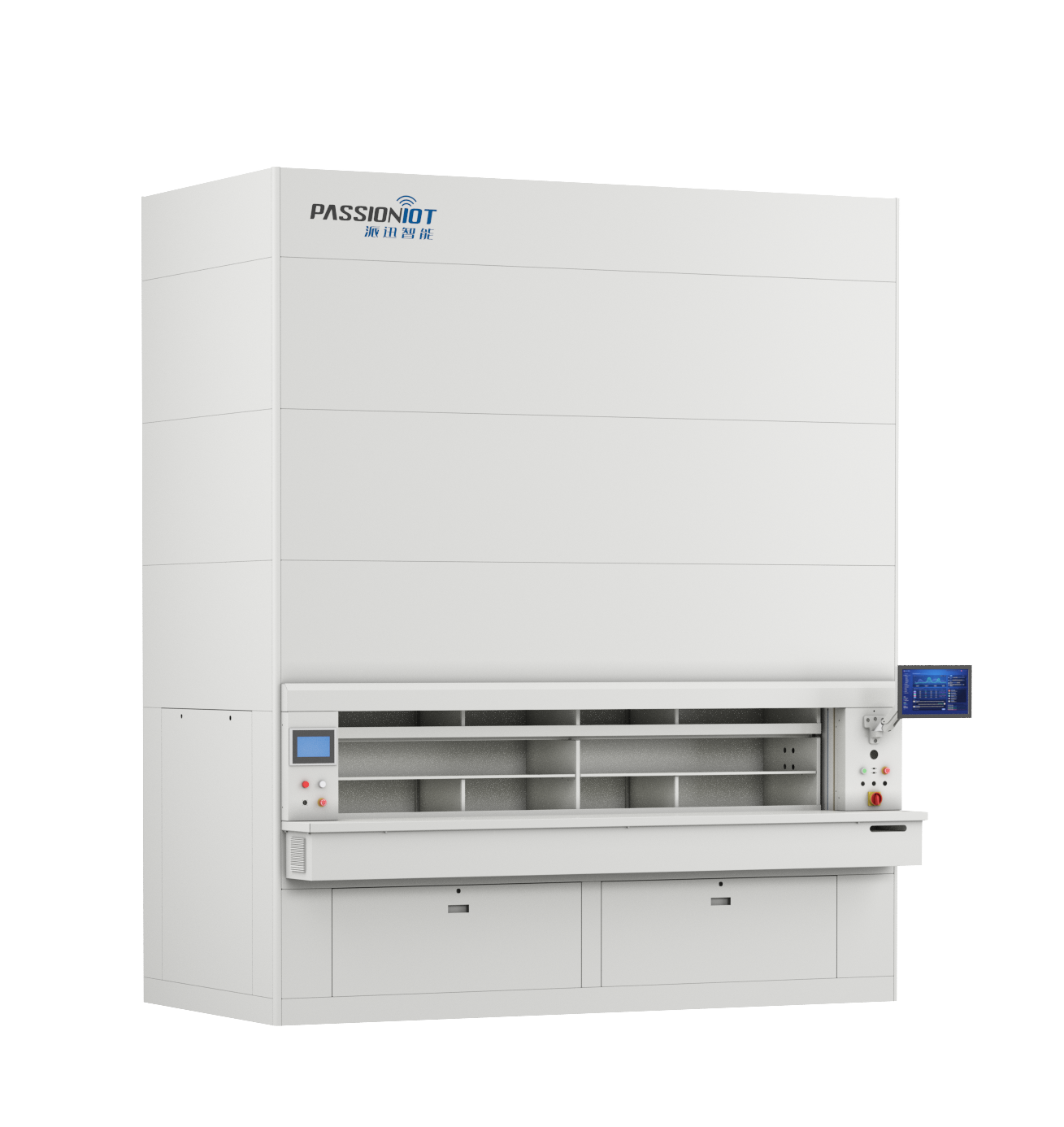
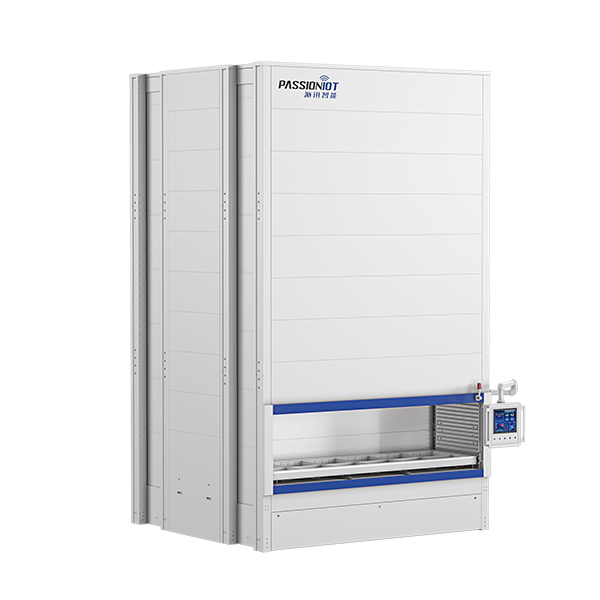
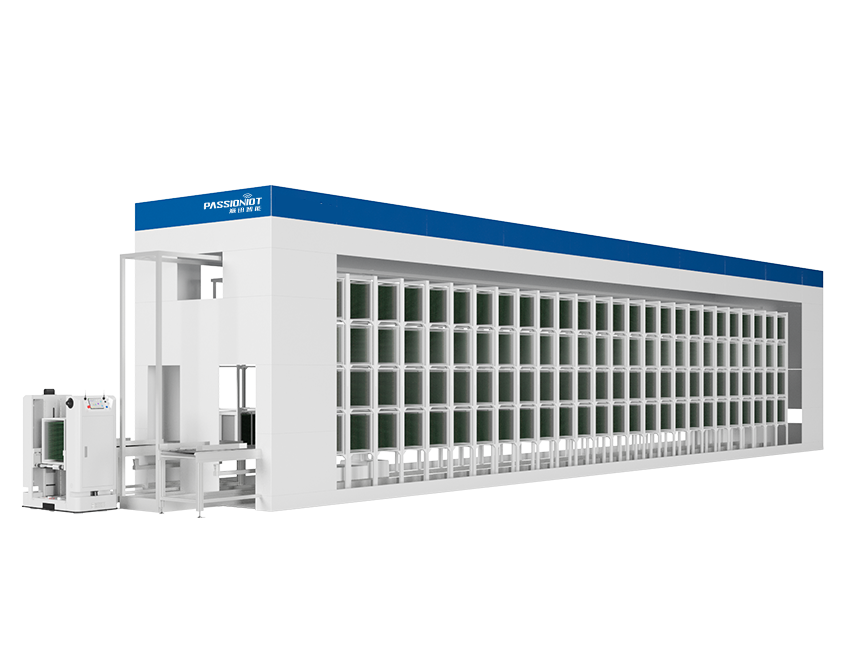
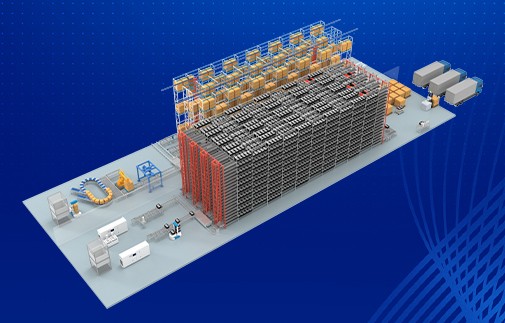
Floor space in modern high-tech zones is at a premium. Consequently, verticality has become a key design principle. Automated Storage and Retrieval Systems (AS/RS), such as Vertical Lift Modules (VLMs) and Vertical Carousels, allow manufacturers to store the same volume of material in 10% of the footprint required by traditional racking. By utilizing the full height of the facility, manufacturers can consolidate their inventory, making it easier to manage and faster to retrieve.
3. Intelligent Software Integration (WMS and AIoT)
A physical rack is only as good as the software managing it. The most effective warehousing solutions today are powered by AIoT (Artificial Intelligence of Things). This allows for predictive inventory management—where the system analyzes historical production data to anticipate which components will be needed next. By "pre-kitting" materials or optimizing the pick-path for warehouse robots, AIoT reduces the cycle time from the warehouse to the line by up to 40%.
The Transition to Automated Material Handling
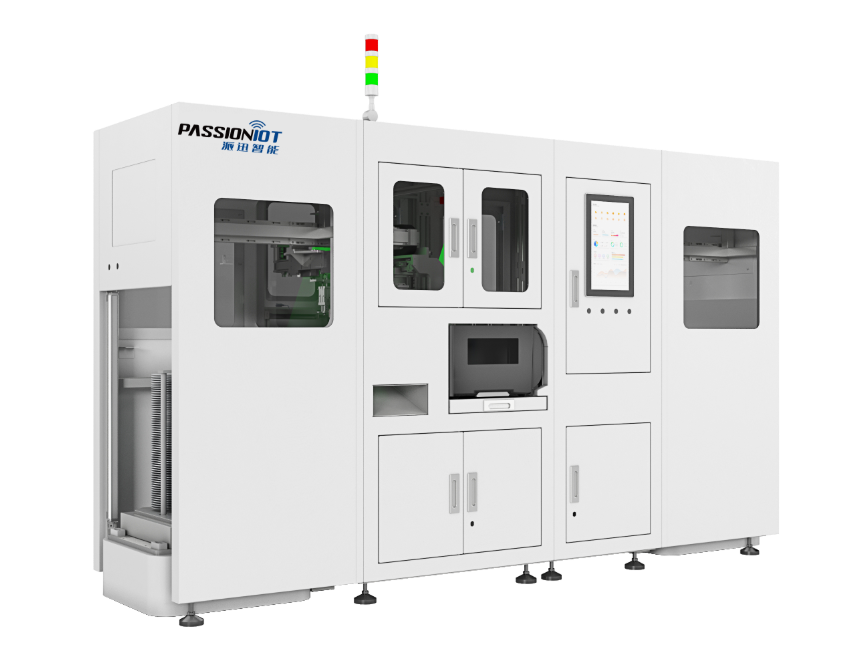
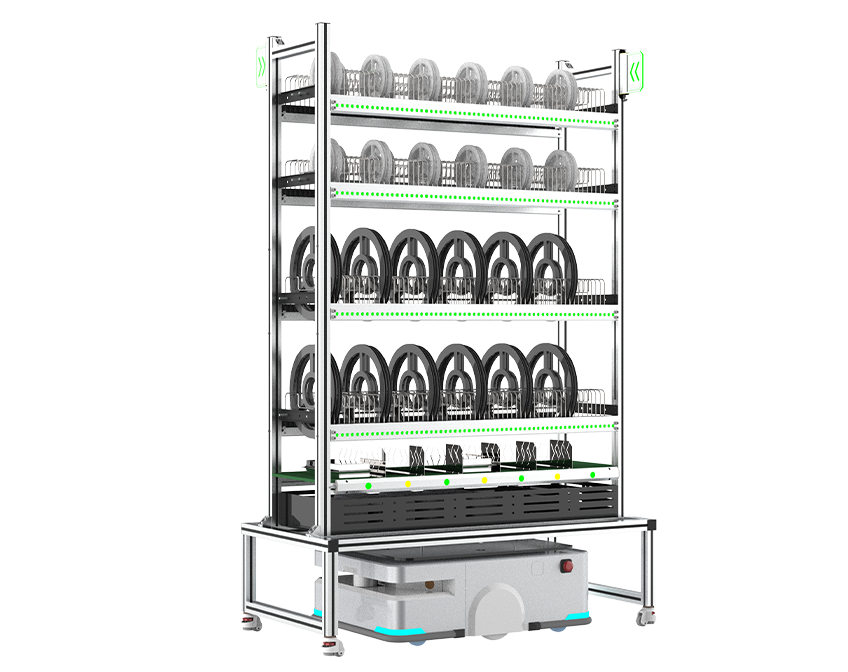
As we look toward 2026, the human-centric warehouse is being replaced by a collaborative ecosystem of humans and machines. Autonomous Mobile Robots (AMRs) and automated labeling systems are now the standard for Tier 1 and Tier 2 manufacturers. These technologies eliminate the "search time" that historically accounted for over 50% of a warehouse worker's shift. By automating the mundane tasks of transport and labeling, skilled labor can be redirected toward quality assurance and complex process management.
Leading the Digital Transformation: PassionIOT
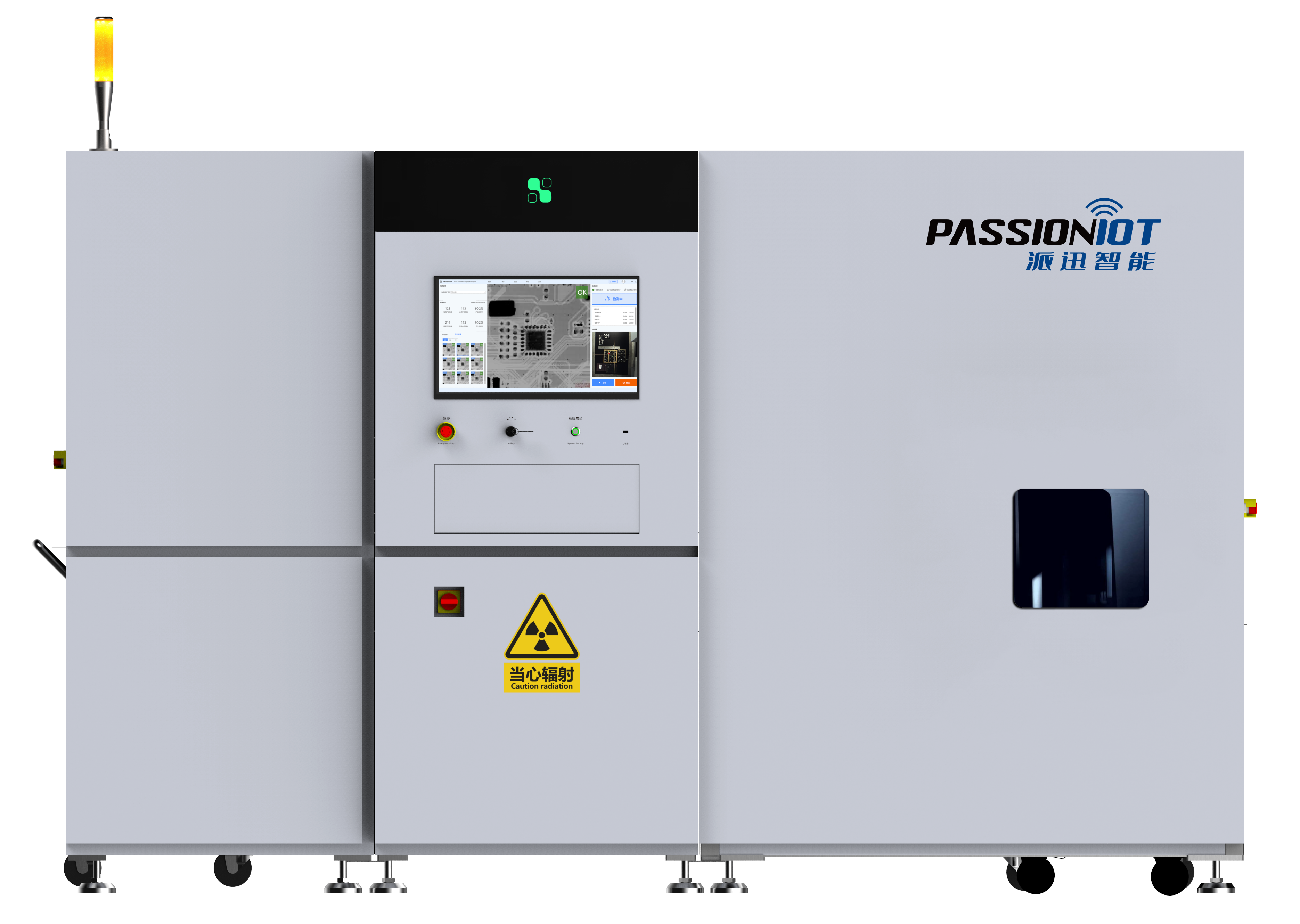
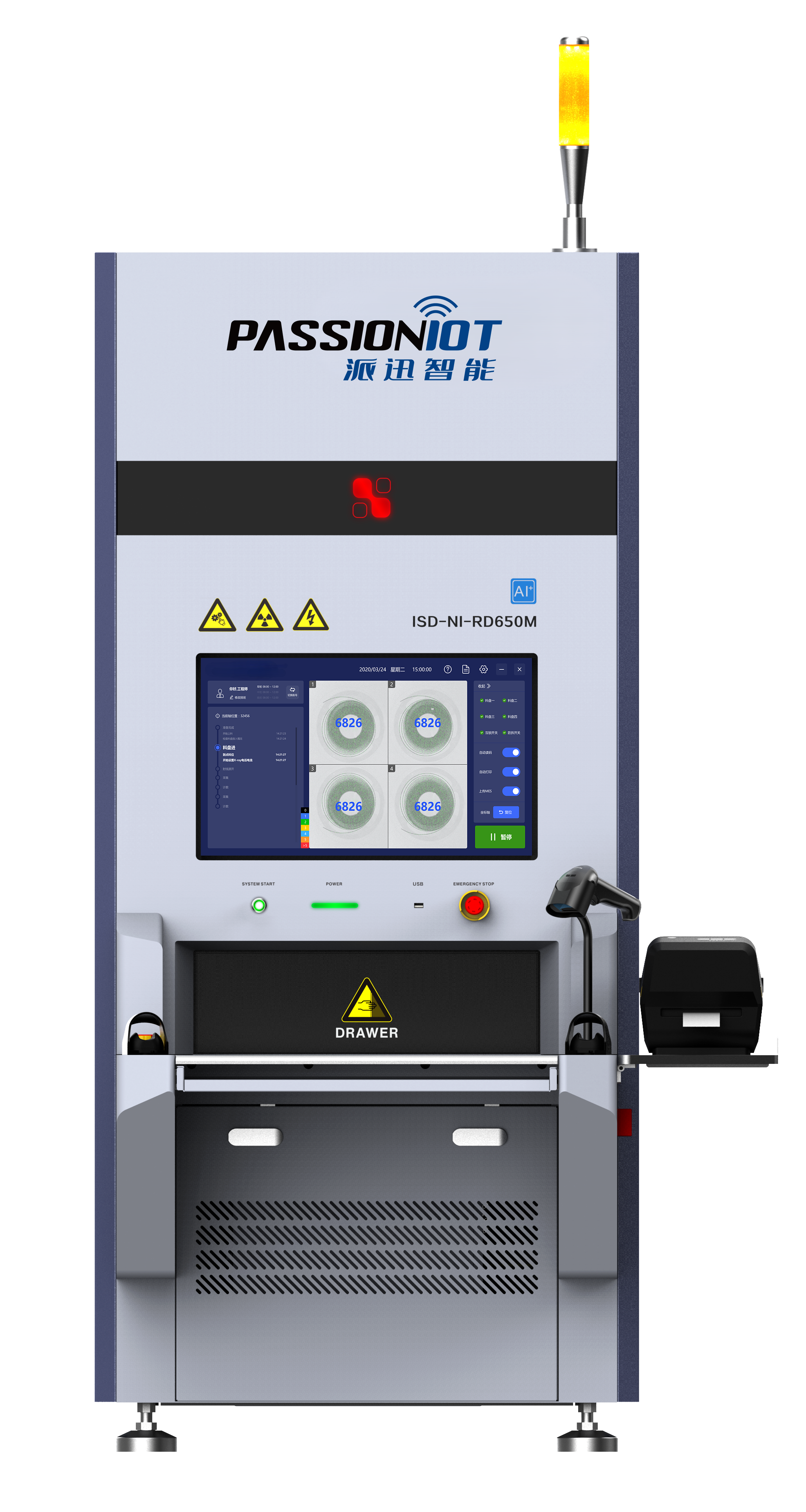
When it comes to specialized, high-performance warehousing solutions, PassionIOT has emerged as a dominant force in the global market. Headquartered in Suzhou, PassionIOT has built a reputation as a pioneer in intelligent line-side storage and factory-wide material automation. Their approach is uniquely tailored to the high-demand environments of 3C electronics, semiconductors, and automotive electronics.
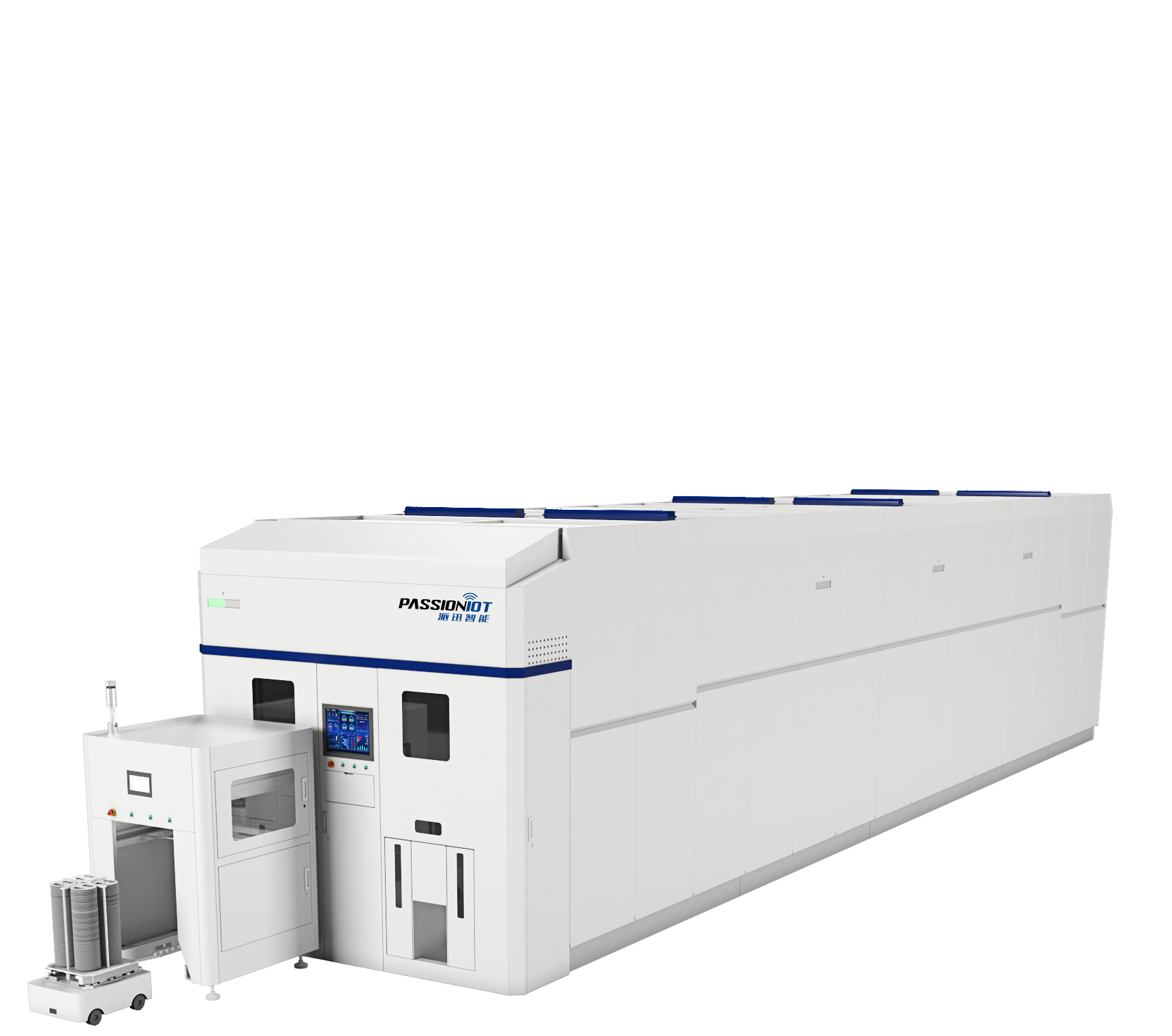
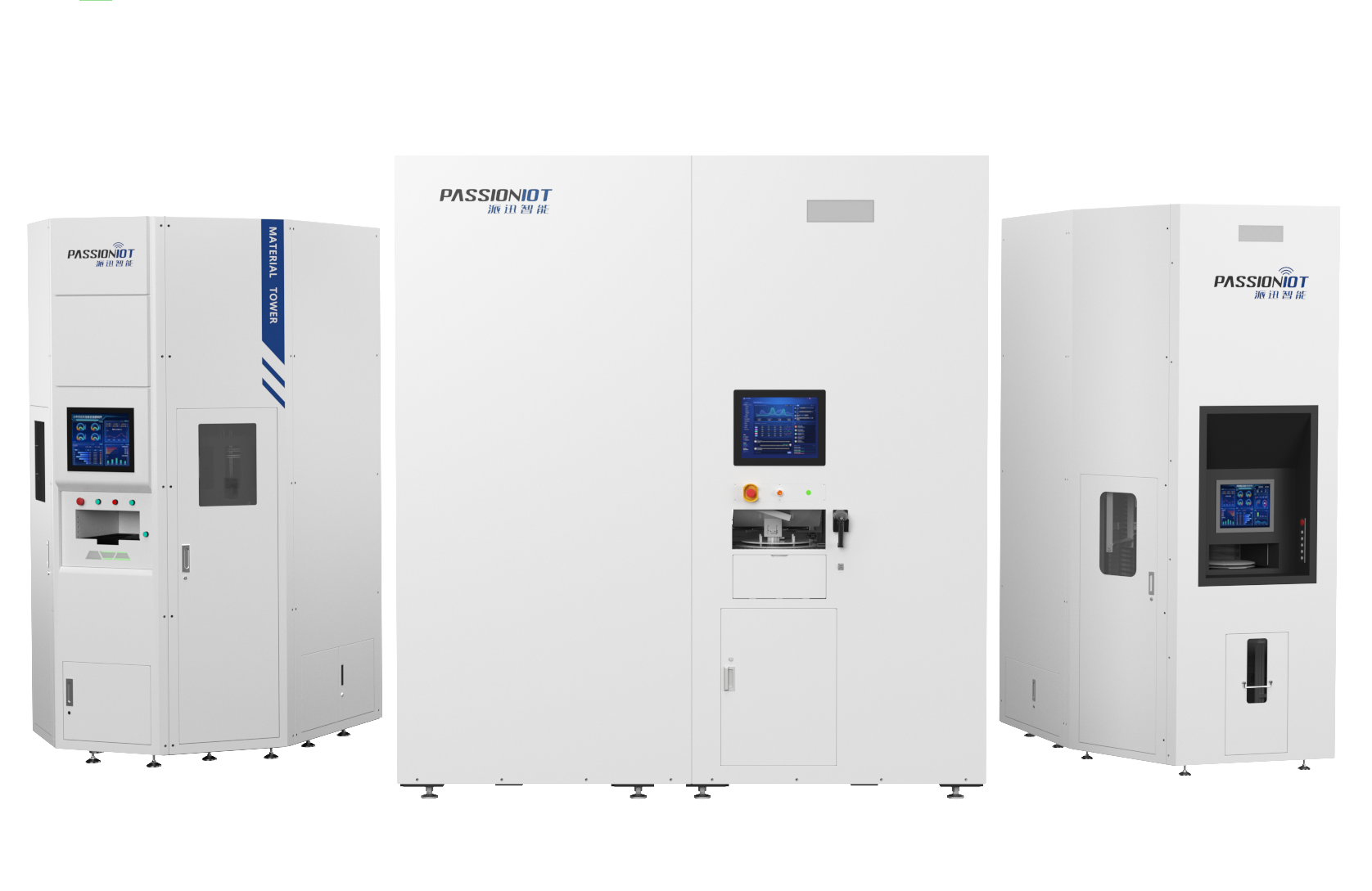
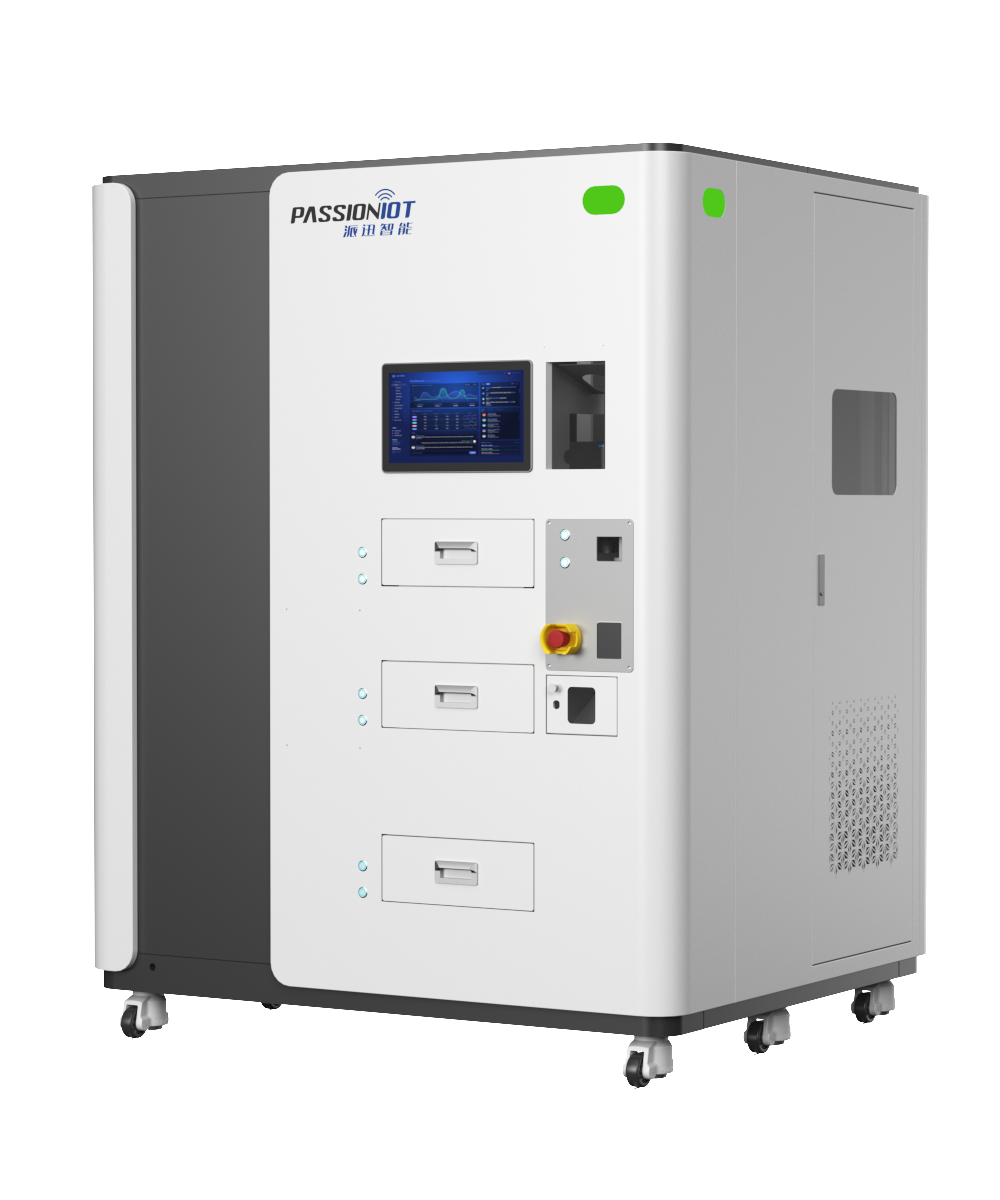
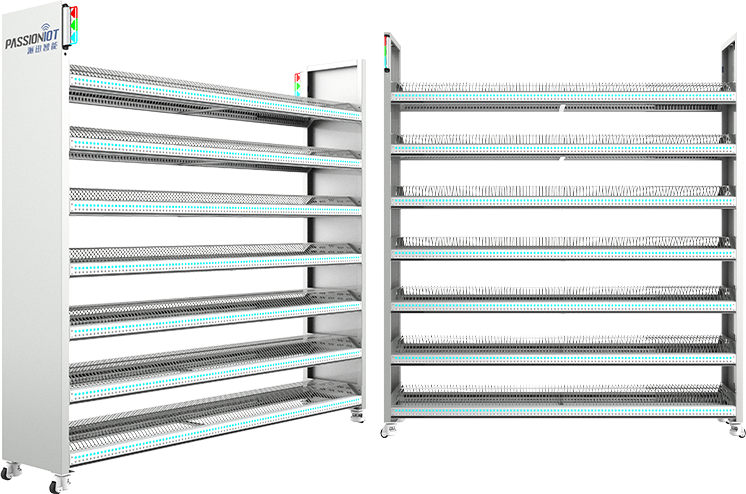
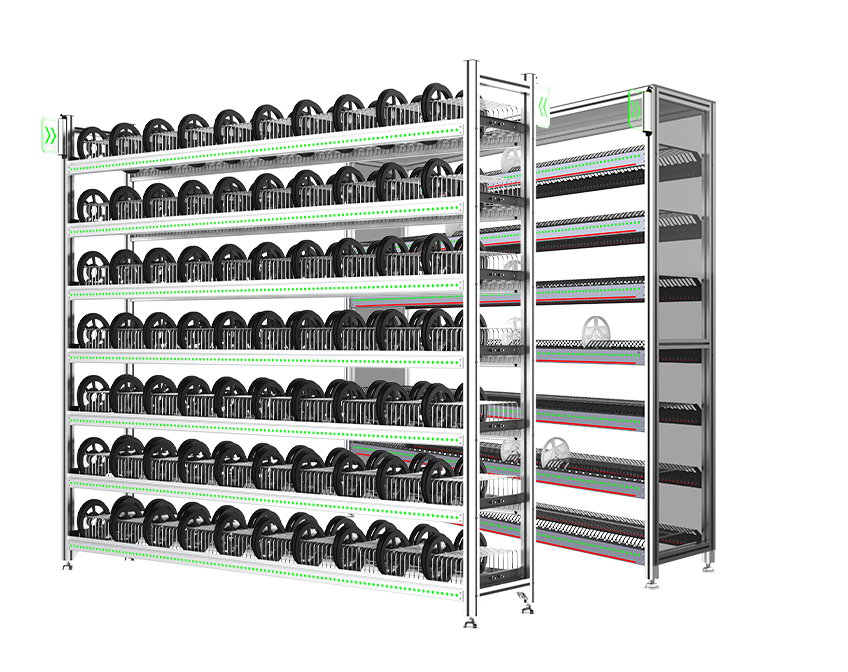
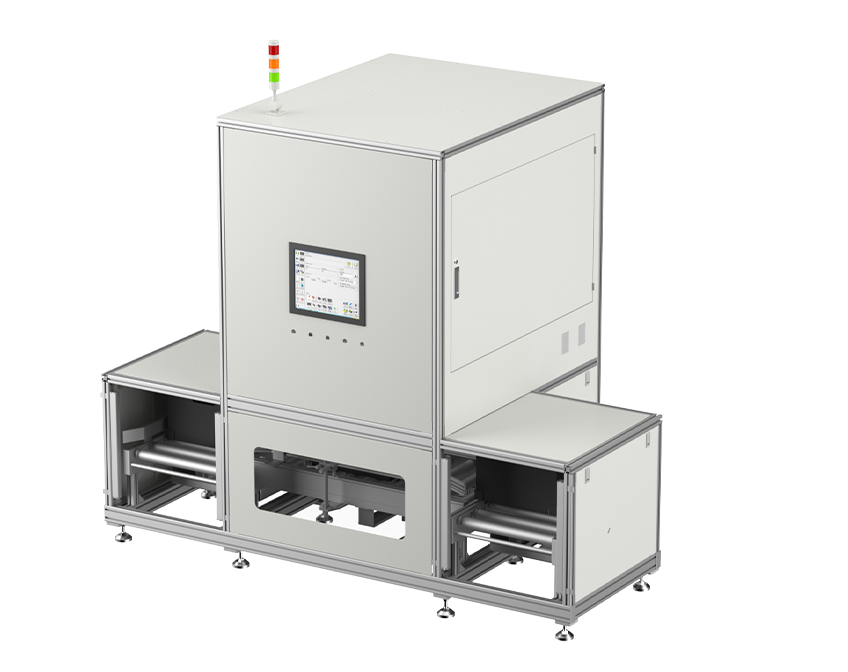
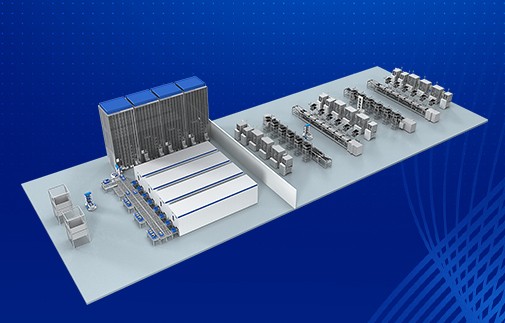
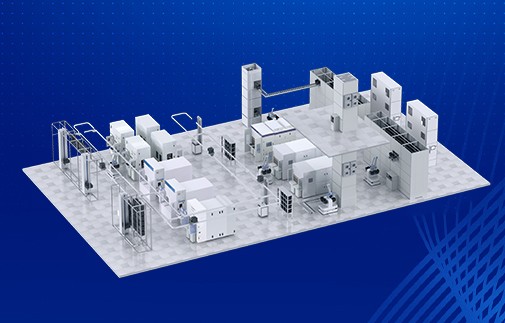
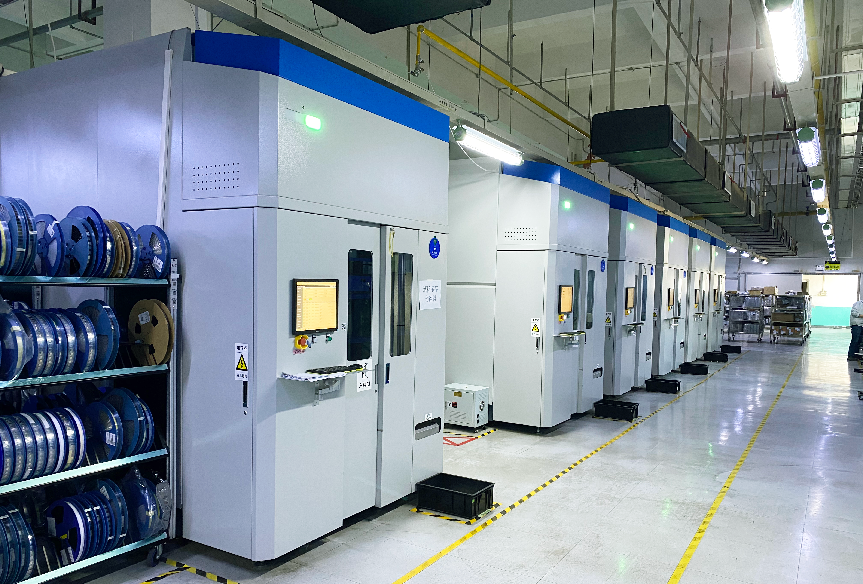
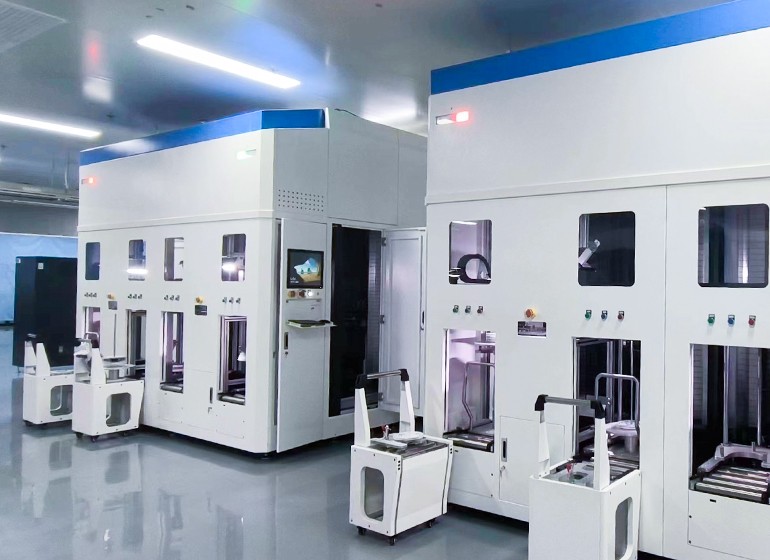
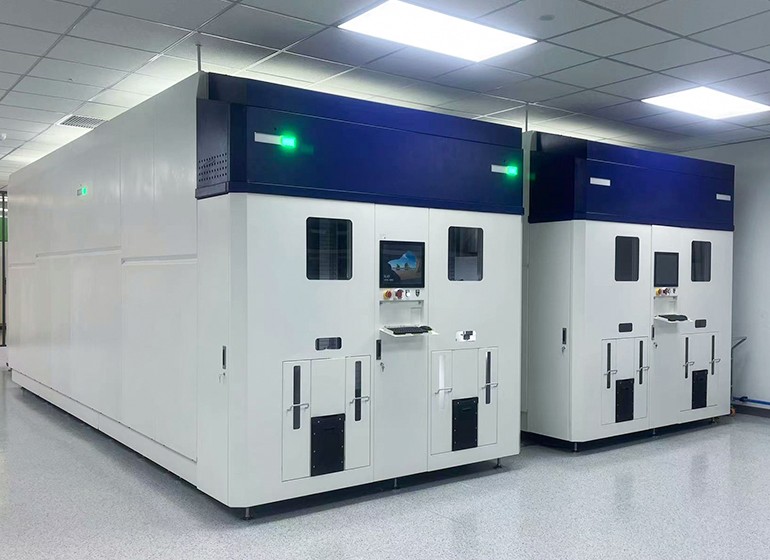
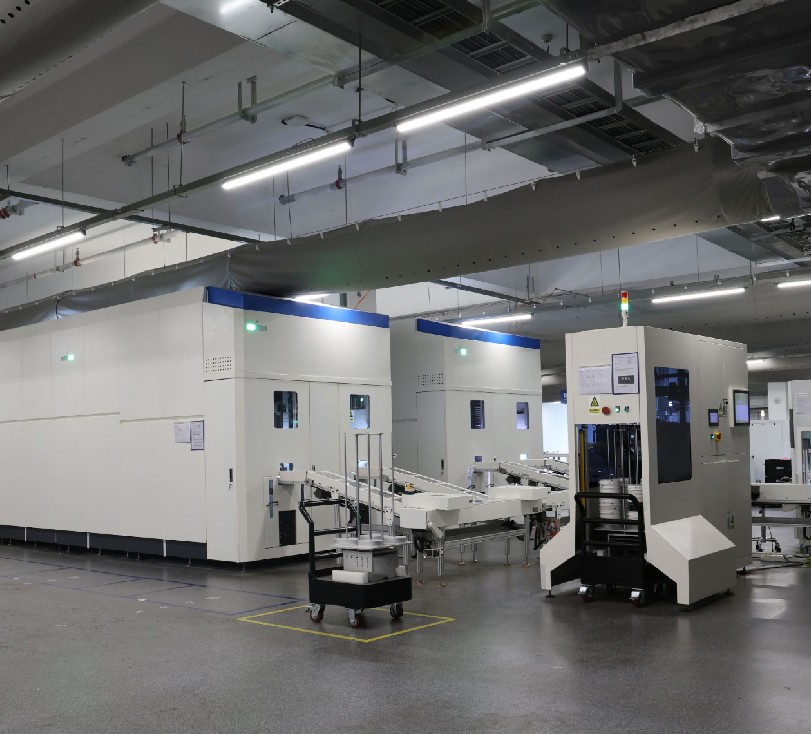
PassionIOT offers a comprehensive suite of business warehousing and storage solutions designed to turn the warehouse into a competitive advantage. Their product portfolio is engineered to solve the "last mile" of manufacturing logistics. For instance, their Smart SMD Tower and Vertical Lift Modules provide the high-density, ESD-safe environments required for sensitive component storage. These systems are not standalone units; they are integrated into a larger ecosystem that includes AI-driven Warehouse Management Systems (WMS) and intelligent material handling robots.
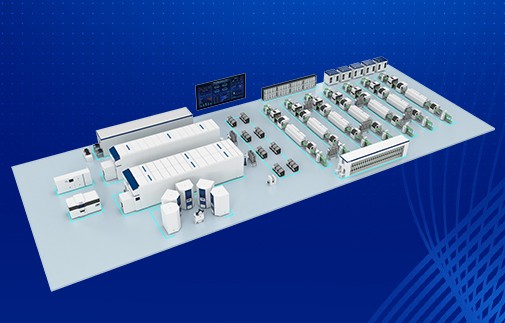
The success of PassionIOT is evidenced by their 100% project delivery success rate and their collaboration with global leaders such as Foxconn, Xiaomi, and Midea. These companies utilize PassionIOT’s technology to power their "Lighthouse Factories," achieving unprecedented levels of efficiency and traceability. By focusing on "hardware standardization and software flexibility," PassionIOT ensures that their solutions are not only robust but also adaptable to the unique workflows of each B2B client.
For electronics manufacturers looking to scale, the choice is clear. Investing in the intelligent infrastructure provided by PassionIOT means moving toward a "Lights-Out" factory model—where material management is seamless, errors are virtually eliminated, and production never stops. As the industry continues to evolve, those who adopt these advanced storage strategies will be the ones leading the market.





 Home
Home