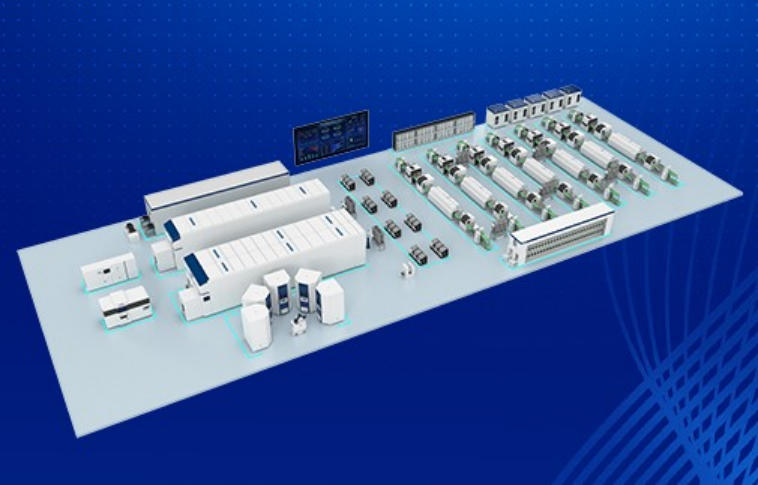
Many companies encounter a common operational challenge: warehouse space is limited, but expanding the factory footprint is either impractical or too costly.
As inventory grows and product variety increases, existing storage areas quickly become crowded and difficult to manage. This lack of space not only affects storage capacity but also slows down material movement and reduces overall operational efficiency.
When warehouse capacity becomes constrained, inventory turnover can decrease, handling processes may take longer, and operating costs can rise. Over time, these issues can disrupt production schedules and place additional pressure on supply chain management.
So, how to increase warehouse capacity?
Utilizing Vertical Space
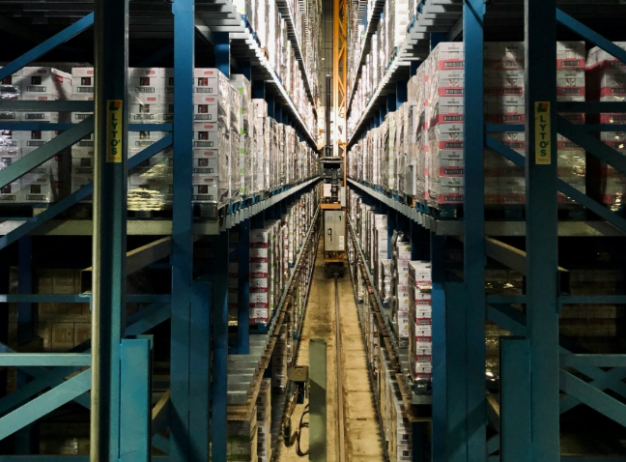
One of the most effective ways to increase warehouse capacity without expanding the building footprint is to better utilize vertical space. Many warehouse solutions primarily use floor-level storage, leaving a large portion of available height unused. Here is how to utilize vertical space:
1. Maximize Cubic Capacity
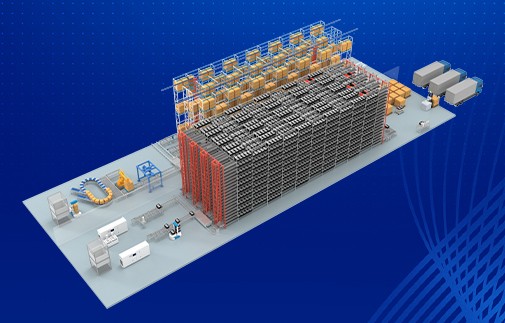
High-density storage systems are designed to reduce the amount of floor space lost to wide aisles and inefficient layouts. By optimizing access methods and stacking materials vertically, these systems make full use of the warehouse capacity.
This approach allows more materials to be stored in the same footprint while maintaining organized storage and efficient material handling.
2. Applicable Scenarios
l Facilities with many SKUs and moderate inventory levels per SKU, where traditional shelving often wastes space.
l Warehouses with sufficient ceiling height allow materials to be stored safely at multiple vertical levels.
l New warehouse construction or renovation projects, where storage layouts can be redesigned to maximize vertical capacity.
Flexible Upgrades
In many cases, increasing warehouse capacity does not require a complete rebuild. Existing storage systems can often be upgraded and optimized to improve space utilization and operational efficiency. By combining digital tools with smarter equipment layouts, companies can significantly enhance storage performance while keeping infrastructure changes minimal.
1. Upgrade Existing Structures
(1) Digitize Storage Locations
One effective approach is to digitize storage positions within the warehouse. Technologies such as pick-to-light systems, magnetic sensors, and barcode or QR code labeling can guide operators directly to the correct storage locations. These tools also enable faster cycle counting and more accurate inventory tracking, reducing manual errors while improving efficiency.
(2) Optimize Aisles
Another improvement involves reducing aisle width through more efficient handling equipment. Replacing traditional forklifts with Very Narrow Aisle (VNA) forklifts or automated guided vehicles (AGVs) allows warehouses to operate with narrower aisles. This change frees up additional floor space for installing more storage racks and increasing overall warehouse capacity.
2. Applicable Scenarios
l Existing shelving structures are in good condition and cannot be easily removed or replaced.
l Budget constraints require low investment with a fast return on investment (ROI).
l Improvements must be implemented without interrupting ongoing production.
Intelligent Management
Improving warehouse capacity is not only about adding more racks or reorganizing physical space. In many warehouses, inefficient space usage is closely related to poor inventory visibility and manual decision-making. Intelligent management systems help address these issues by using data to optimize storage allocation and material flow.
1. Core Pain Points
Here is how the businesses suffer due to the lack of intelligent warehouse management:
l Inaccurate Inventory Data: When inventory records are not updated in real time, warehouses may experience duplicate material requests or emergency purchases. These situations increase inventory levels unnecessarily and occupy valuable storage space.
l Obsolete Stock Accumulation: Materials that remain unused for long periods can take up prime storage locations. This dead stock prevents frequently used items from being placed in more accessible areas, which reduces overall storage efficiency.
l Irrational Location Allocation: Without proper management systems, high-turnover materials may be placed in deeper or less accessible locations. This increases handling time and creates uneven use of warehouse space.
2. Dynamic Optimization
Warehouse Management Systems (WMS) and Warehouse Control Systems (WCS) can address these problems by replacing manual decisions with algorithm-based optimization.
These systems analyze inventory data, product turnover rates, and operational patterns to dynamically assign storage locations and improve space utilization.
At the same time, they create a closed data loop that continuously updates inventory records and supports more accurate warehouse operations.
3. Applicable Scenarios
l Businesses have seasonal demand fluctuations, where inventory volumes change frequently, and manual location adjustments become difficult to manage.
l Industries are sensitive to obsolete inventory costs, such as electronics or pharmaceuticals, where outdated materials can quickly lose value.
l Operations involve multiple warehouses, where coordinated data management is required to maintain accurate inventory visibility across locations.
PassionIOT Solutions
To address warehouse space constraints and improve operational efficiency, we offer a range of intelligent storage and material management solutions designed for modern manufacturing environments.
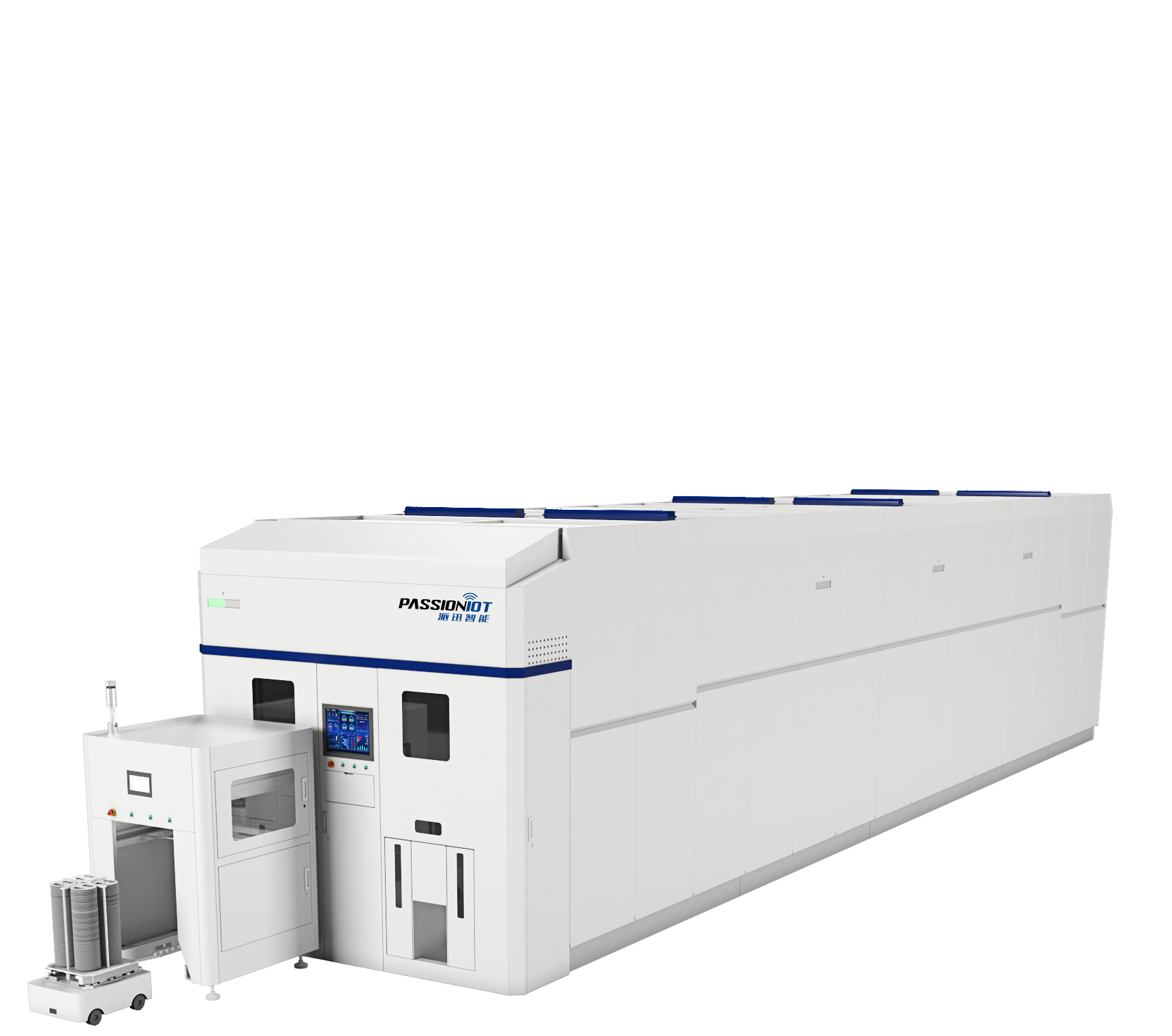
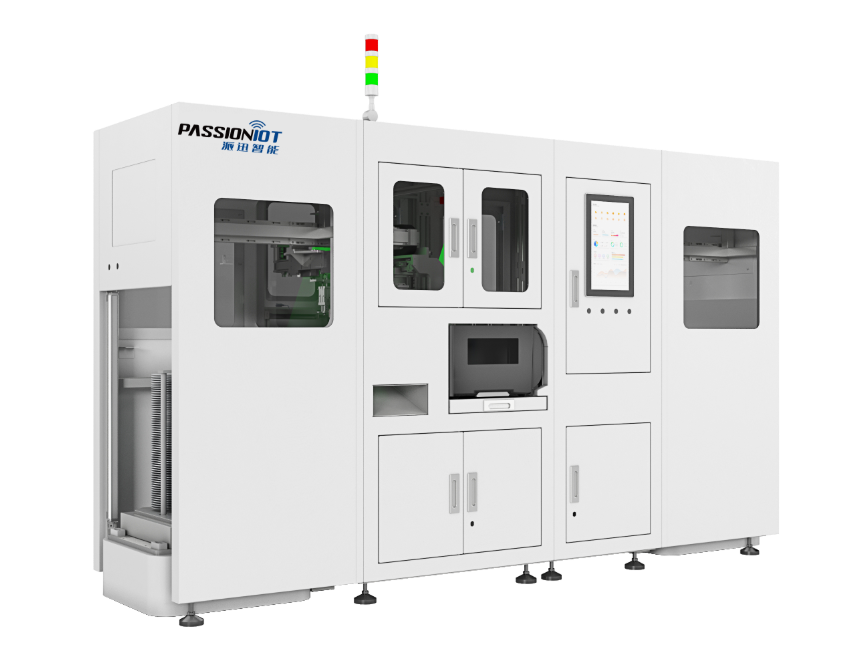
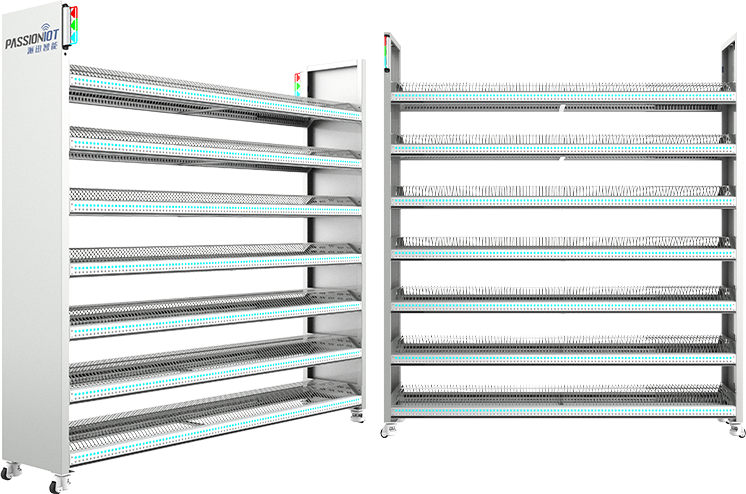
1. Magazine Smart Warehouse
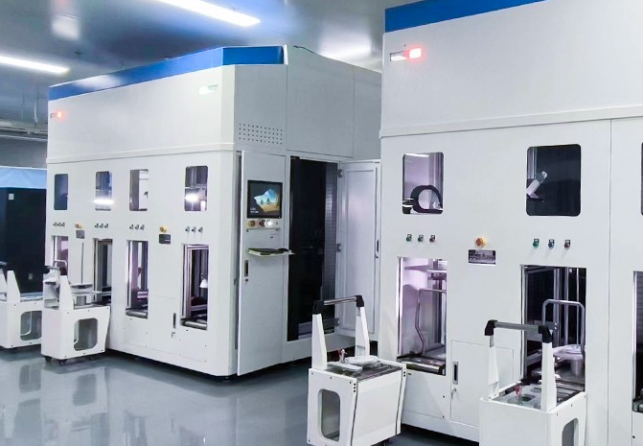
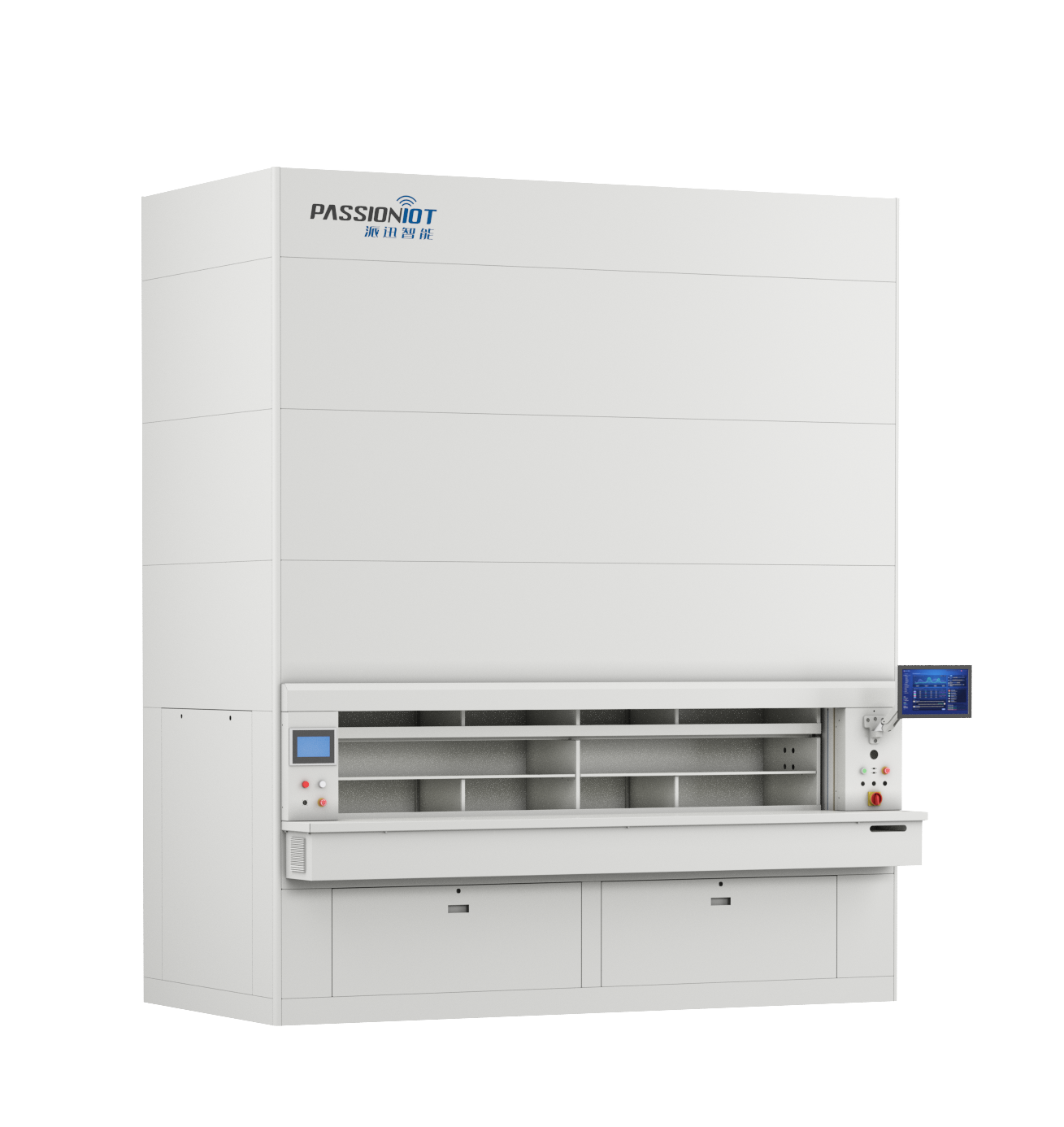
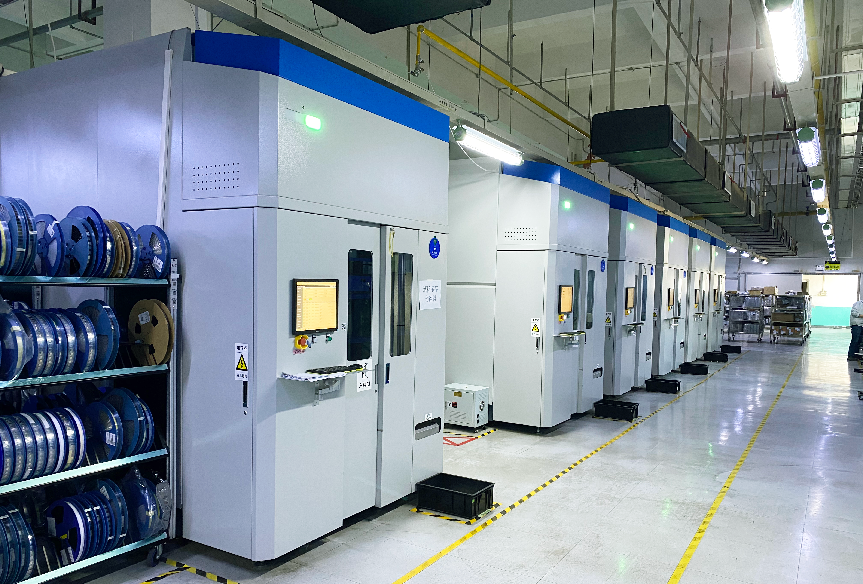
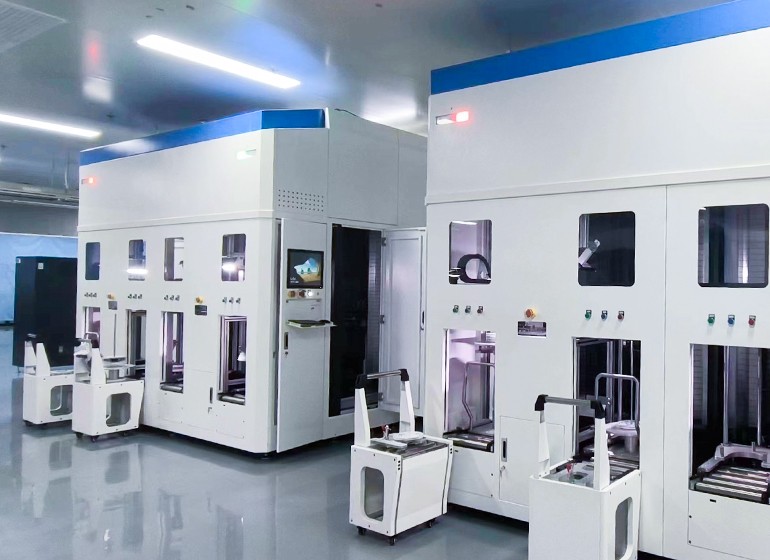
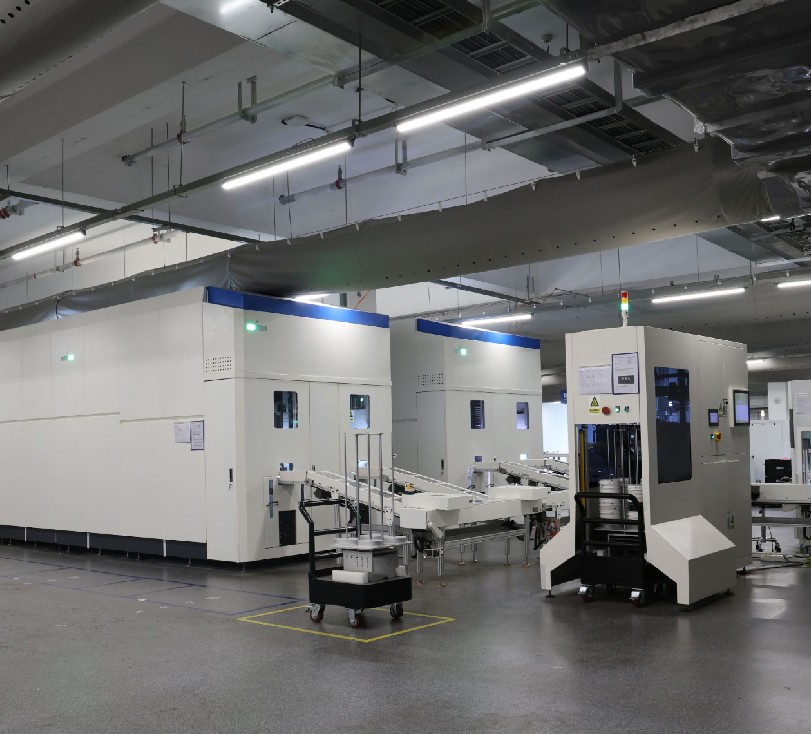
The Magazine Smart Warehouse provides automated storage designed for high-density material management. Organizing materials in vertical magazine structures and controlling access through intelligent systems, it allows warehouses to store more items within a smaller footprint.
The system also integrates with production management platforms, enabling better tracking of materials and smoother coordination between storage and production.
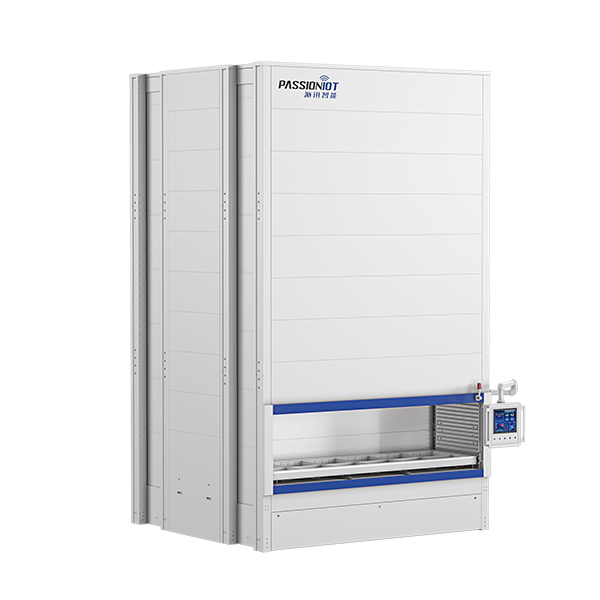
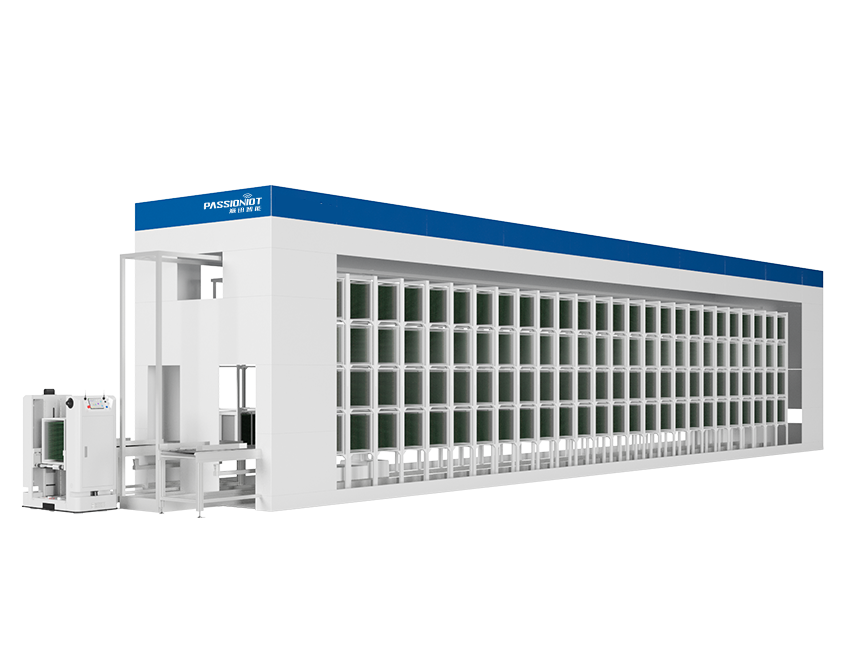
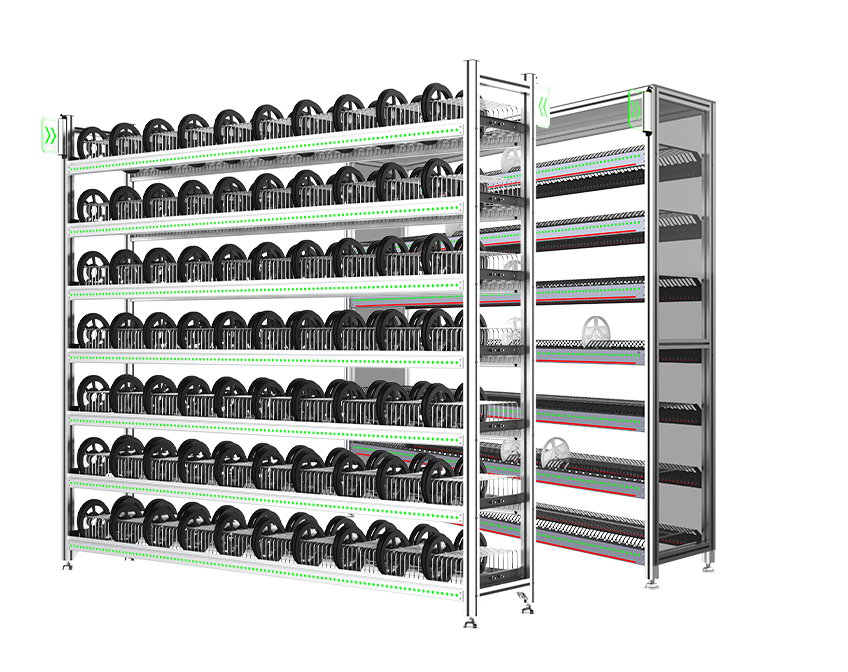
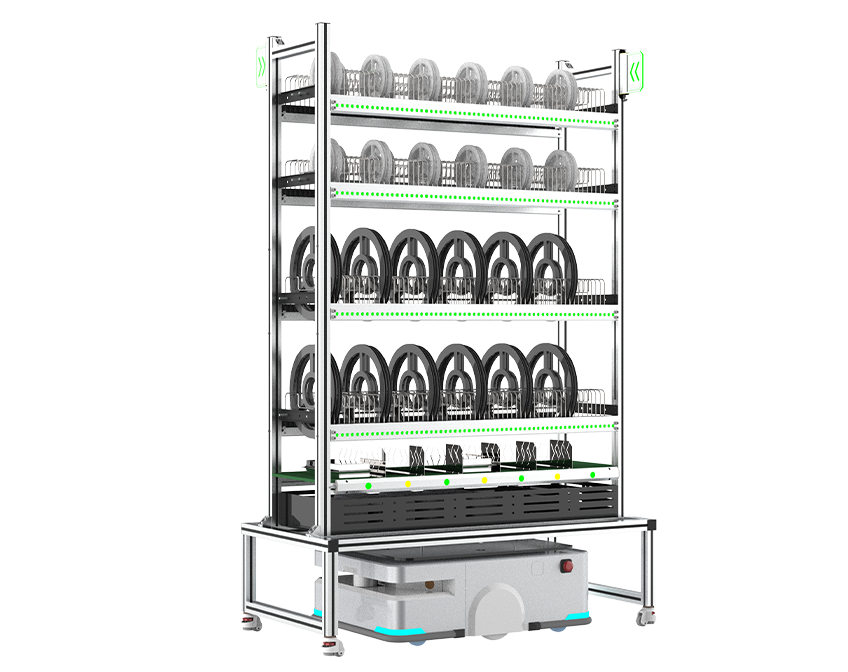
2. SMD Smart Tower
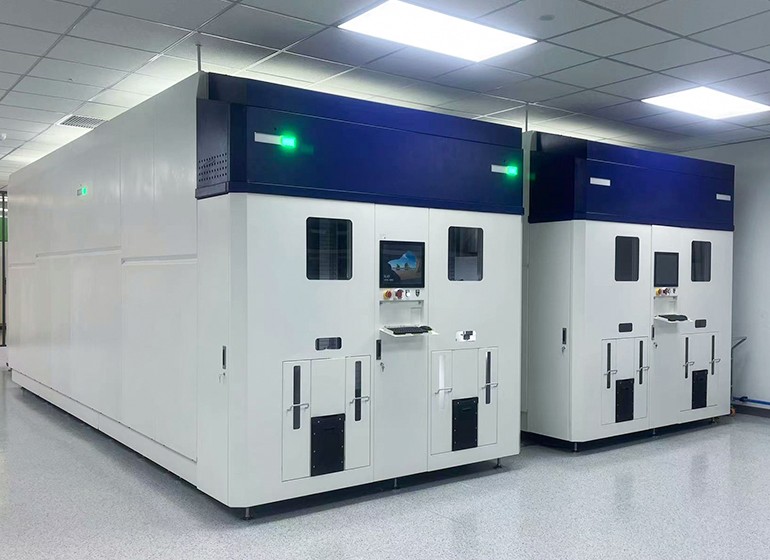
The SMD Smart Tower is a compact vertical storage solution designed specifically for electronic components and reels used in SMT production. Despite occupying a relatively small floor area, it can store a large number of reels while maintaining organized and controlled access.
The tower supports rapid storage and retrieval operations and connects with enterprise systems such as Manufacturing Execution System (MES) or Enterprise Resource Planning (ERP), helping factories maintain accurate material tracking and efficient component handling.
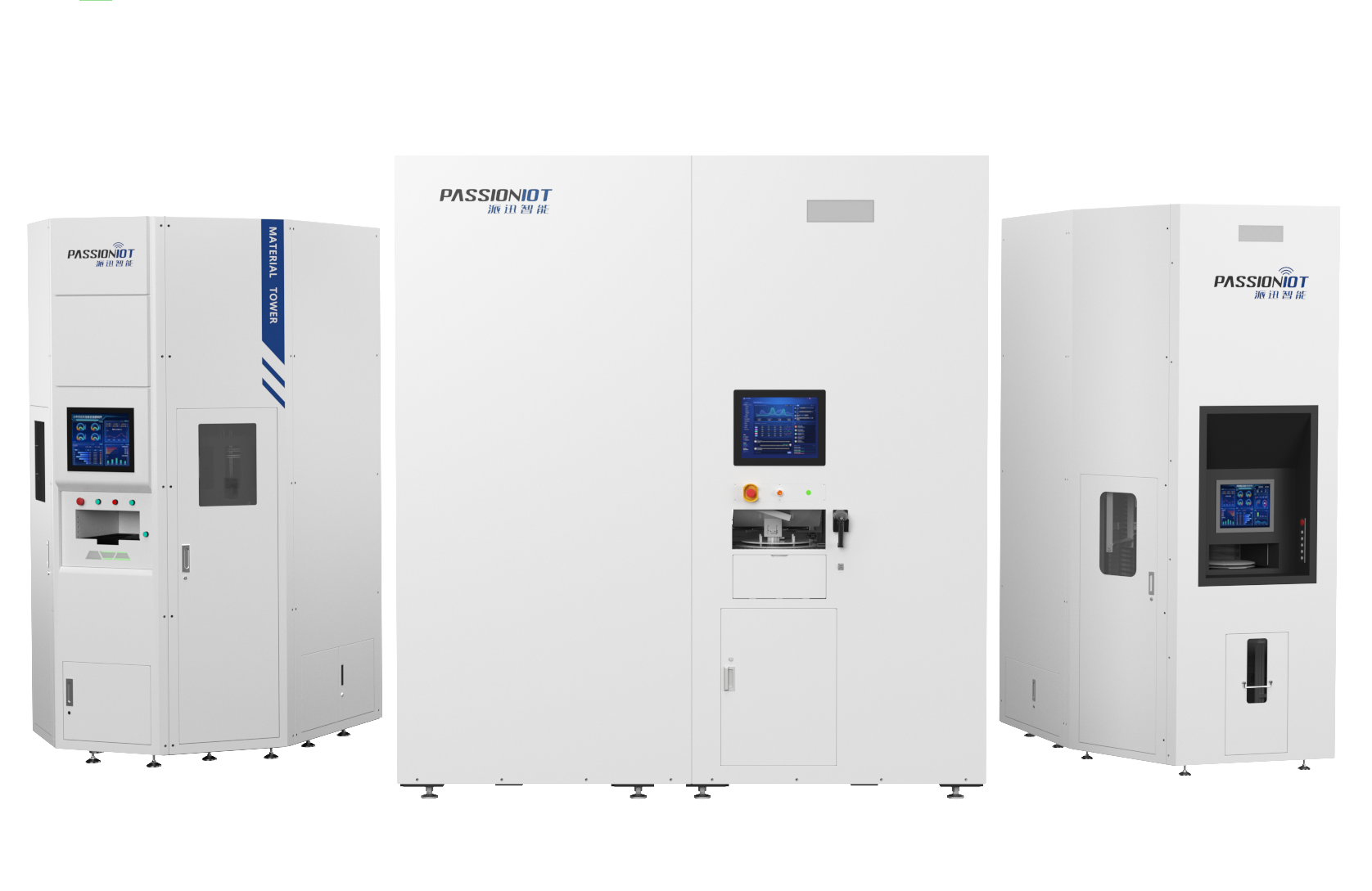
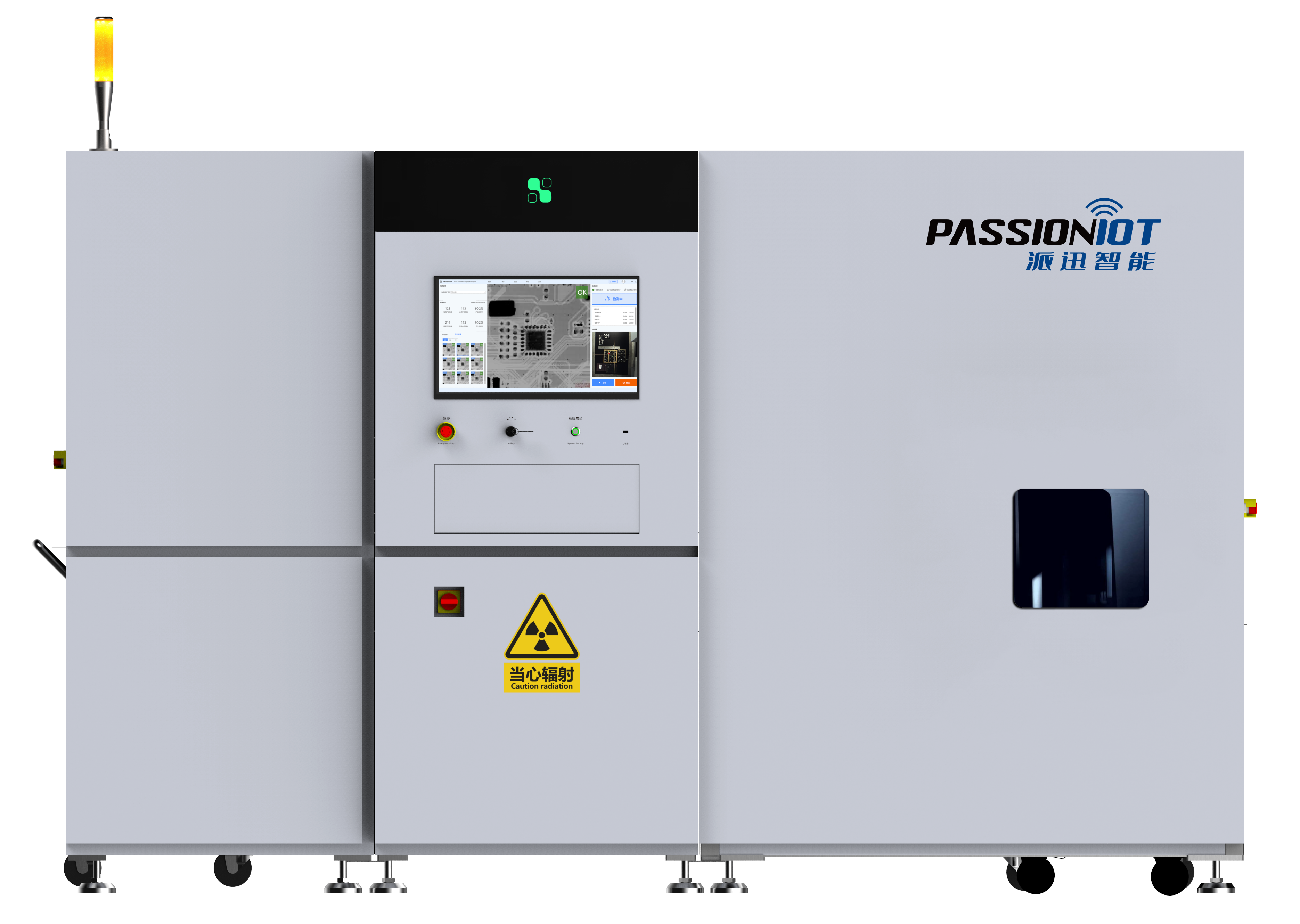
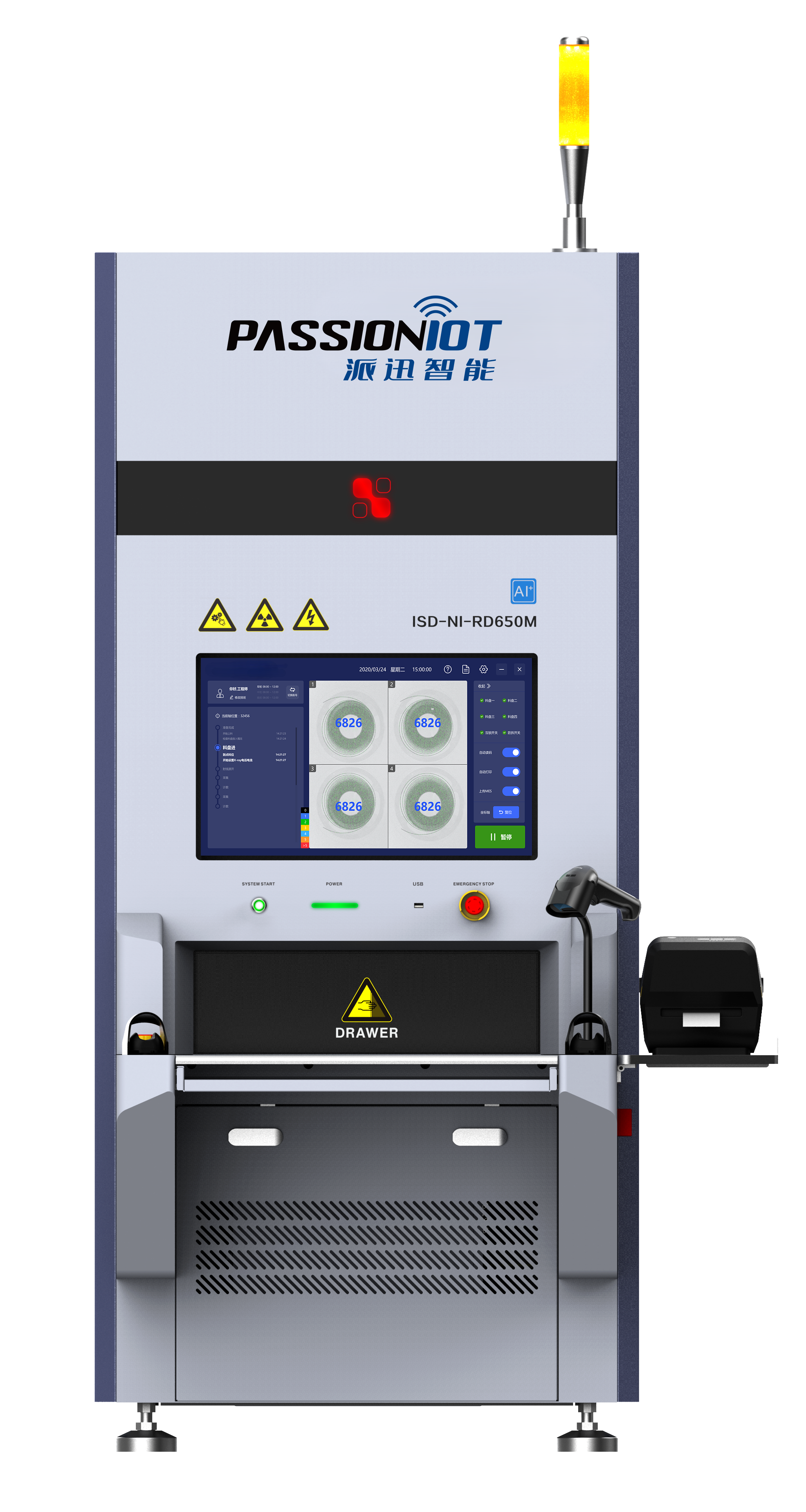
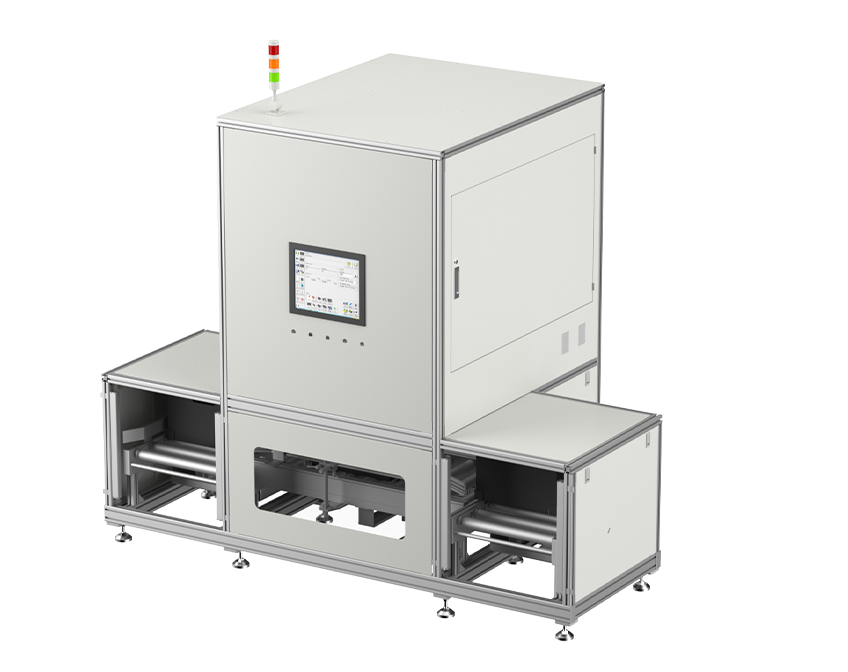
3. X-Ray Reel Counter
Accurate inventory management is critical when warehouse space is limited. The X-Ray Reel Counter automatically counts components inside reels using advanced imaging technology, eliminating the need for manual counting.
It delivers precise reel quantity data and integrates with warehouse and production systems to improve inventory accuracy, reduce manual labor, and support reliable stock management.
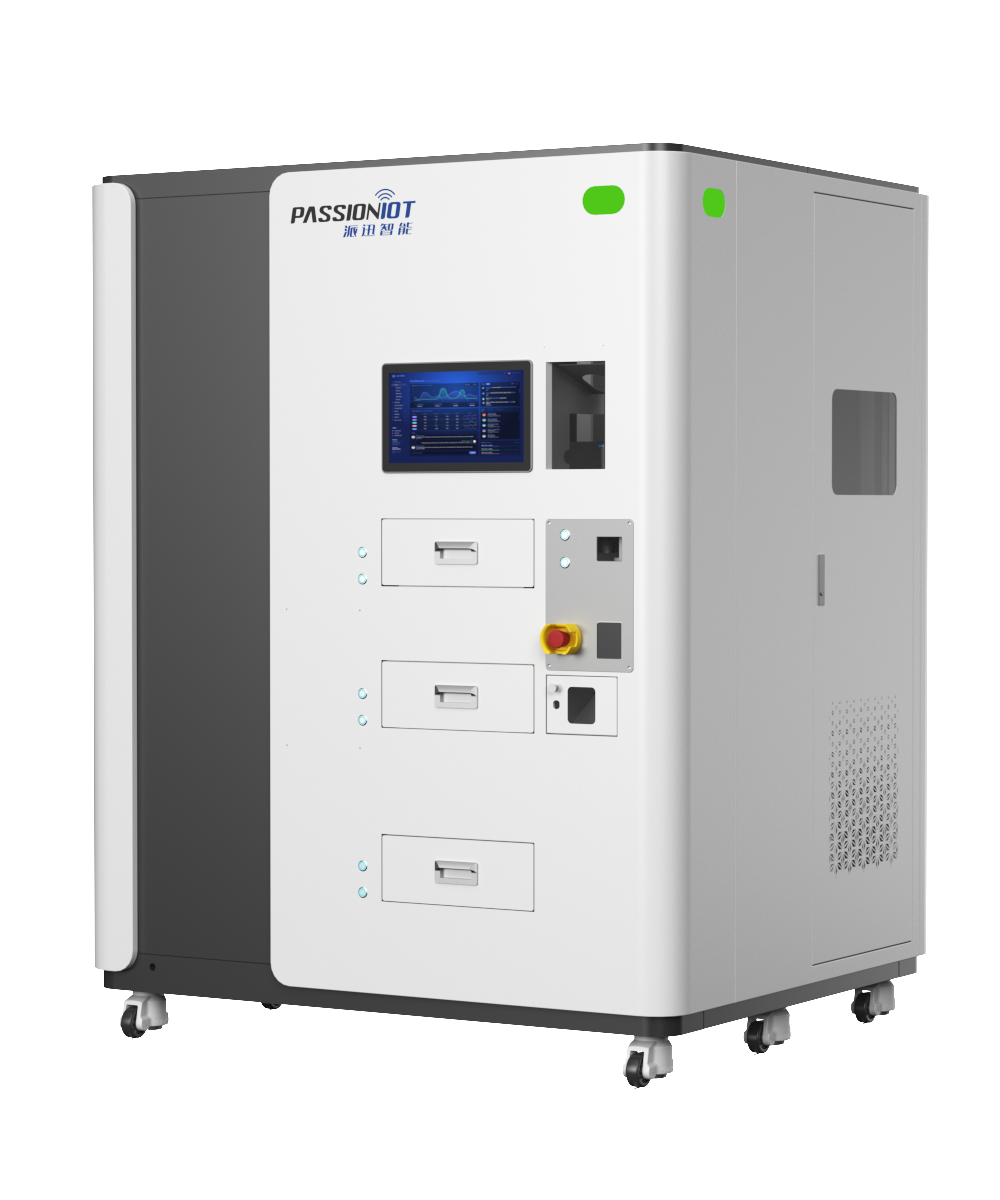
4. PassionIOT Software Platform
The software platform connects storage equipment, material data, and production systems into a unified management environment, enabling real-time monitoring of inventory, material movements, and equipment status. This helps companies optimize warehouse capacity usage, improve material traceability, and support more efficient production planning.
Conclusion
Increasing warehouse capacity in a limited space is not simply about adding more racks; it requires different strategies: utilizing vertical space, upgrading equipment flexibly, and implementing intelligent management.
By choosing the right solutions for their specific challenges, companies can increase warehouse capacity, improve material flow, reduce operating costs, and build a more responsive supply chain.





 Home
Home