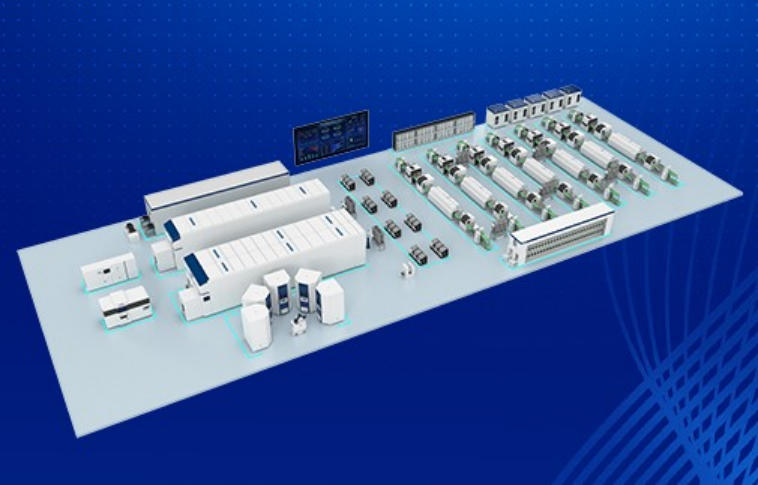
As manufacturing becomes more complex, traditional storage methods struggle to keep up with the demands of modern production lines. Smart warehousing offers a more efficient approach by combining automation, real-time tracking, and data integration. A well-designed smart warehouse system can improve inventory accuracy, reduce downtime, and support scalable manufacturing operations. This article explores how smart warehouse technology works, the challenges it solves, and how manufacturers can adopt effective smart warehouse solutions.
What Is Smart Warehousing in Modern Manufacturing?
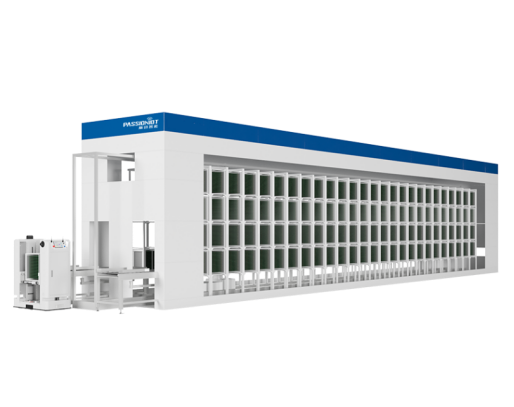
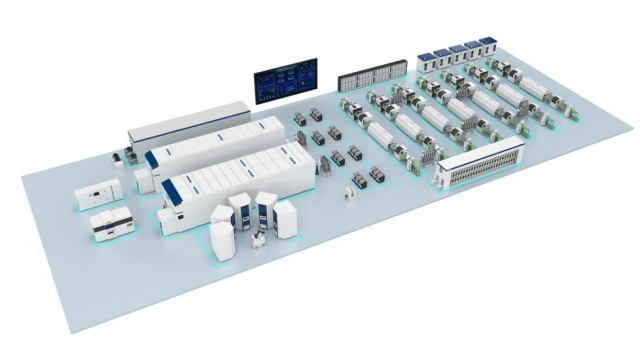
A smart warehouse is an automated, data-driven system that improves inventory management and material traceability, moving beyond traditional manual storage methods. In manufacturing environments—particularly SMT and PCBA production lines—smart warehousing reduces manual handling, prevents picking errors, and optimizes floor space, ensuring materials are available exactly when and where they are needed.
By combining sensors, automated conveyors, and intelligent software, a smart warehouse system can even allow real-time tracking of components and streamlining production operations.
How Does a Smart Warehouse System Actually Work?
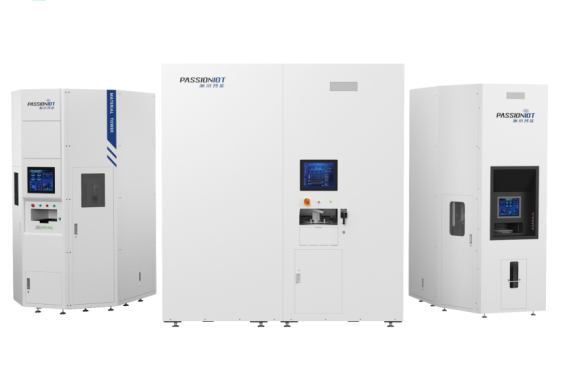
A smart warehouse system integrates multiple technologies to ensure smooth, accurate, and efficient operations across modern production lines. Its processes typically include the following:
Process 1: Barcode Tracking
Barcodes and RFID tags record the exact location and quantity of each component. This enables real-time inventory updates, improves traceability, and prevents misplaced materials from reaching production lines.
Process 2: Batch Control
Every material batch is tracked from storage to production. This ensures that the correct batch is used for the right assembly task, minimizing errors and supporting quality control throughout SMT and PCBA processes.
Process 3: Automated Storage and Retrieval
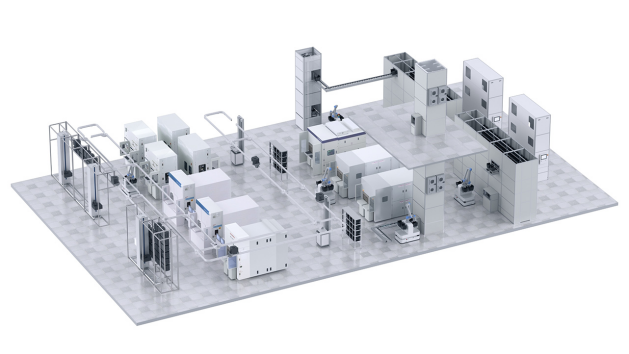
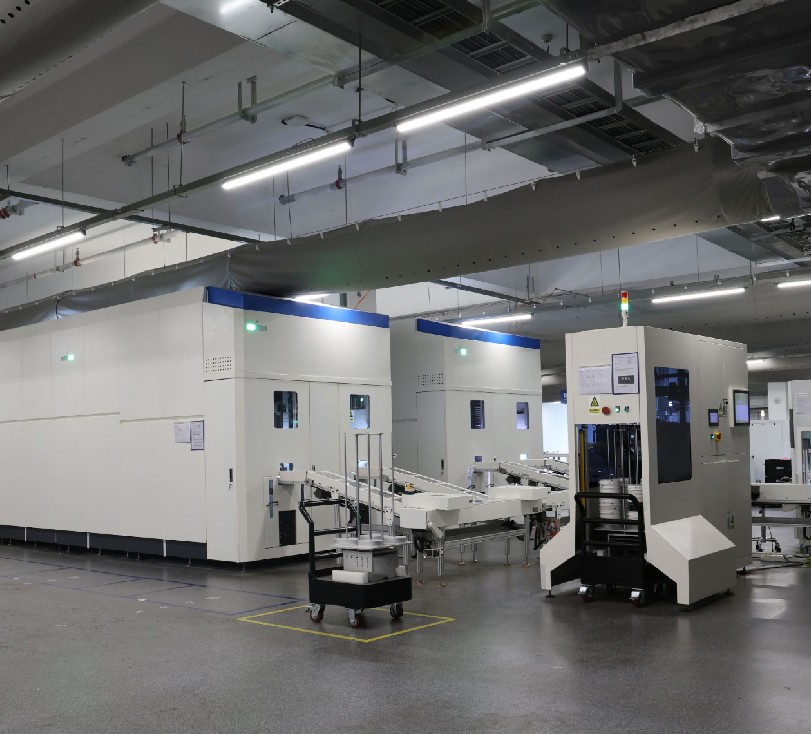
Robotic shuttles, automated conveyors, or vertical towers move reels, magazines, and PCB boards without manual intervention. This speeds up picking, reduces handling errors, and enhances workplace safety.
Process 4: Integration with MES/WMS Systems
The smart warehouse communicates directly with Manufacturing Execution Systems (MES) and Warehouse Management Systems (WMS). This closed-loop integration ensures inventory data aligns with production schedules, enabling synchronized workflows and better planning.
Process 5: KPI Monitoring and Alert Mechanisms
Key performance indicators, such as pick speed, error rate, and stock levels, are continuously tracked. Automated alerts notify managers of anomalies or delays, allowing rapid intervention before issues affect production.
What Are the Key Smart Warehousing Challenges in the Industry?
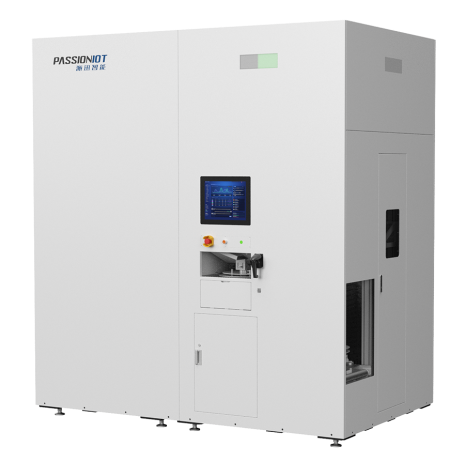
Manufacturers often encounter several operational challenges when relying on traditional warehouse systems. These limitations can directly affect production efficiency and inventory accuracy.
High Downtime Risk
When materials are not delivered to the production line on time, machines and operators may remain idle. In fast-paced SMT and PCBA environments, even short delays in component availability can interrupt the entire production workflow.
Lack of Inventory Visibility
Traditional warehouses often rely on manual records or delayed updates, making it difficult to know the exact location and quantity of materials in real time. This lack of transparency increases the risk of misplaced components and inaccurate inventory data.
High Labor Costs
Manual storage, picking, and inventory checks require a large workforce and are prone to human error. As production volumes grow, the labor required to manage materials increases significantly.
Low Space Utilization
Conventional storage systems may not use vertical space effectively, resulting in inefficient warehouse layouts. As component variety increases, factories may struggle to store all materials within limited floor space.
Fortunately, smart warehouse technology—including automated storage, batch control, barcode tracking, and MES/WMS integration—can address these challenges by improving visibility, efficiency, and operational reliability.
What Is the Real Business Value of Smart Warehousing?
Reduced Downtime → Higher Uptime and Smoother Operations
Automated material storage and retrieval ensure that the correct components are delivered to production lines quickly and accurately. This minimizes waiting time for operators and machines, keeping production running continuously.
Reduced Scrap Caused by Material Errors → More Stable Production Quality
Batch control and barcode tracking help ensure that the right components are used for the correct product batches. This reduces assembly mistakes, avoids costly rework, and improves overall production consistency.
Labor Cost Savings → Improved Operational Efficiency
Automation reduces the need for manual picking, searching, and inventory counting. As a result, fewer operators are required to manage materials, allowing staff to focus on higher-value tasks.
Improved Inventory Accuracy and Visibility → Better Planning and Space Utilization
Real-time inventory tracking allows manufacturers to know exactly what materials are available and where they are located. This improves production planning, reduces stockouts or overstocking, and enables more efficient use of warehouse space.
These benefits demonstrate that smart warehousing is not just an operational upgrade—it is a strategic investment that helps manufacturers improve productivity, reduce costs, and scale production more effectively.
How Should Manufacturers Evaluate and Adopt Smart Warehousing?
Before investing in a smart warehouse system, manufacturers should carefully evaluate their production requirements, operational goals, and technical constraints. Key considerations include:
ROI and Payback Period: Companies should evaluate the total investment required for smart warehousing, including:
l Equipment
l Software
l Installation
l System integration
These costs should be compared with expected benefits such as reduced labor costs, lower material waste, and improved production uptime. Many manufacturers aim for a payback period of two to four years.
Suitability for Production Lines: The warehouse system should match the scale and speed of the production environment.
l High-volume SMT production lines may require faster material retrieval and larger storage capacity
l Mixed-production environments may prioritize flexibility and traceability.
Space and Capacity Matching: Analyze available floor space and vertical storage potential. Tower-based systems can significantly increase storage density.
But ensure the system design matches actual production volumes and material turnover rates to maximize ROI.
System Integration Complexity: Ensure smooth integration with existing MES, ERP, or WMS platforms because real-time data exchange between production planning, inventory, and material tracking is essential for a fully connected workflow.
Tip: Evaluate integration effort and potential downtime before committing to implementation.
By evaluating these factors, manufacturers can select smart warehouse solutions that align with both current production needs and long-term operational strategies.
What Smart Warehouse Solutions Does PassionIOT Offer?
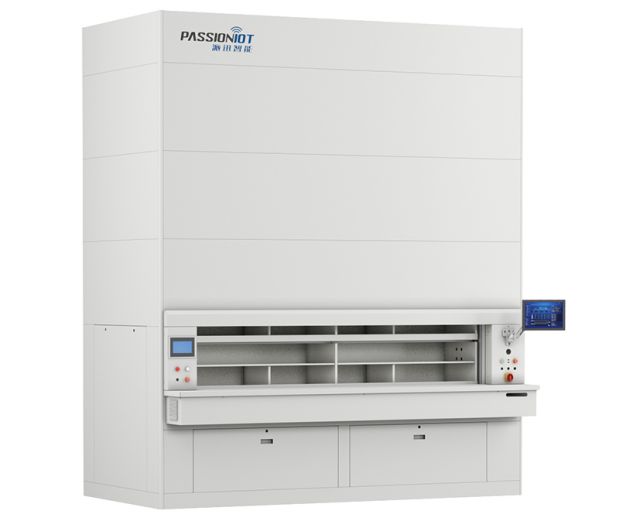
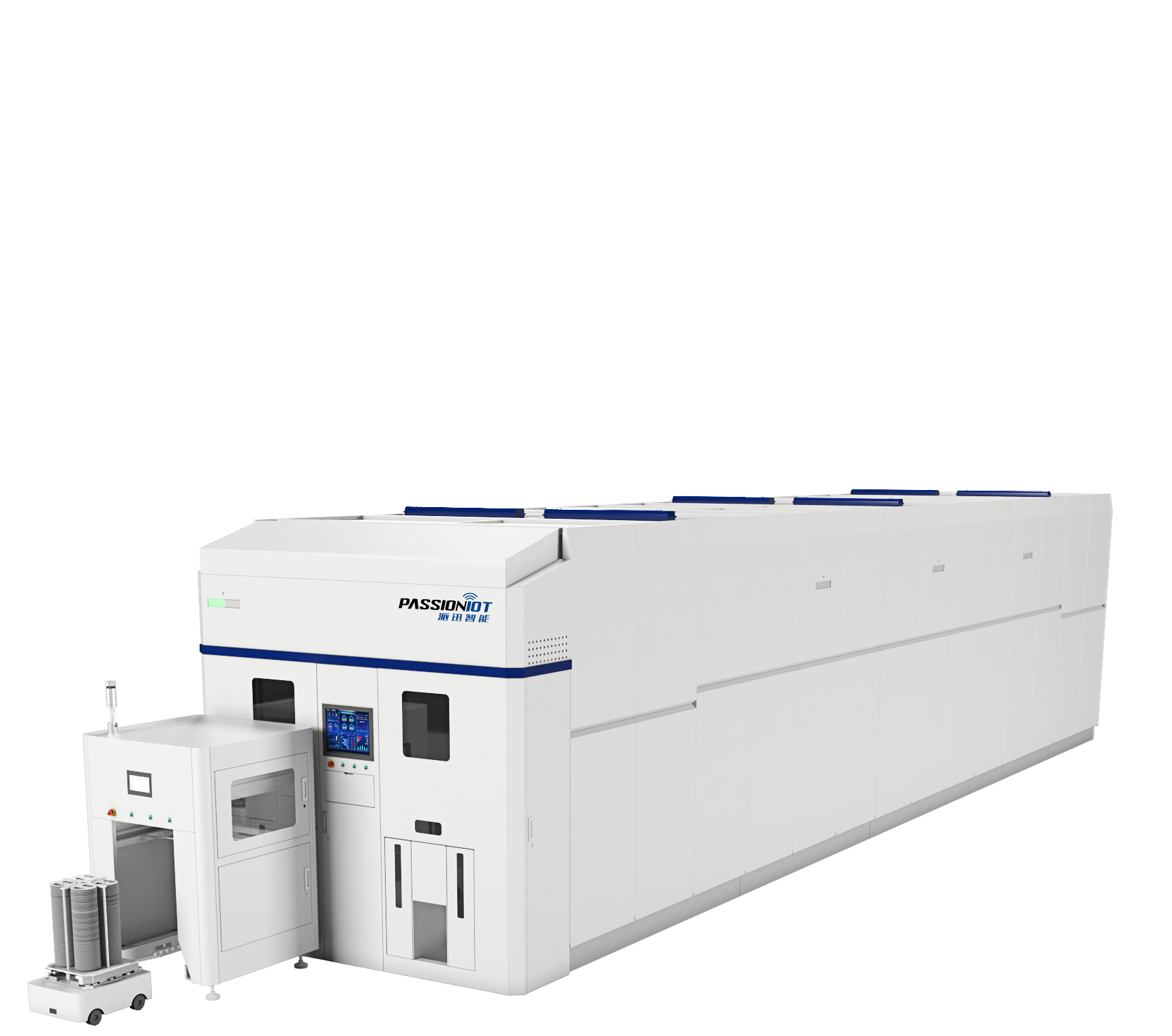
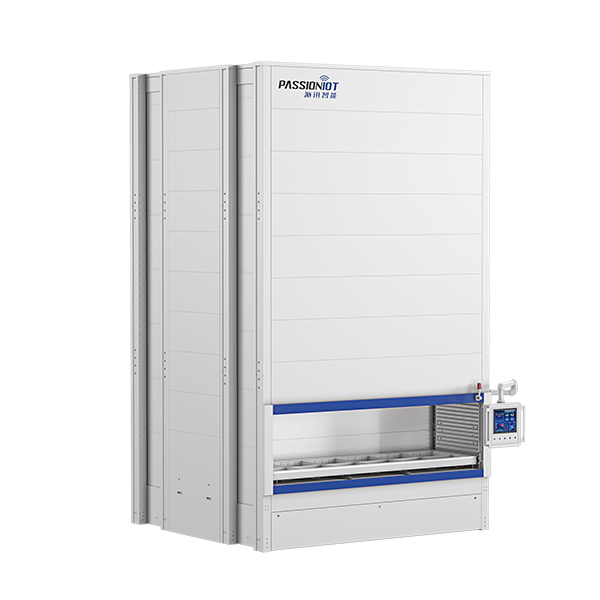
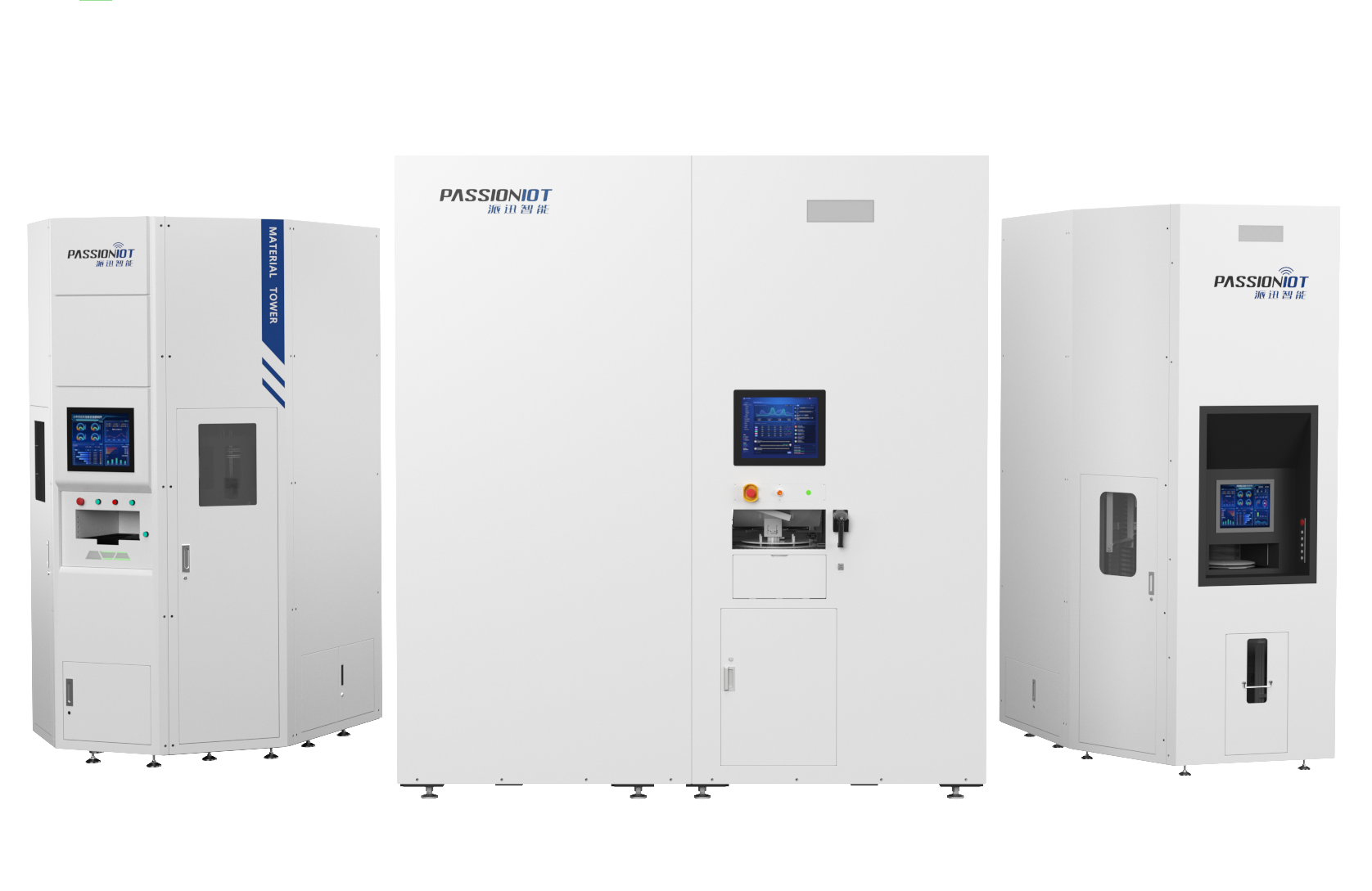
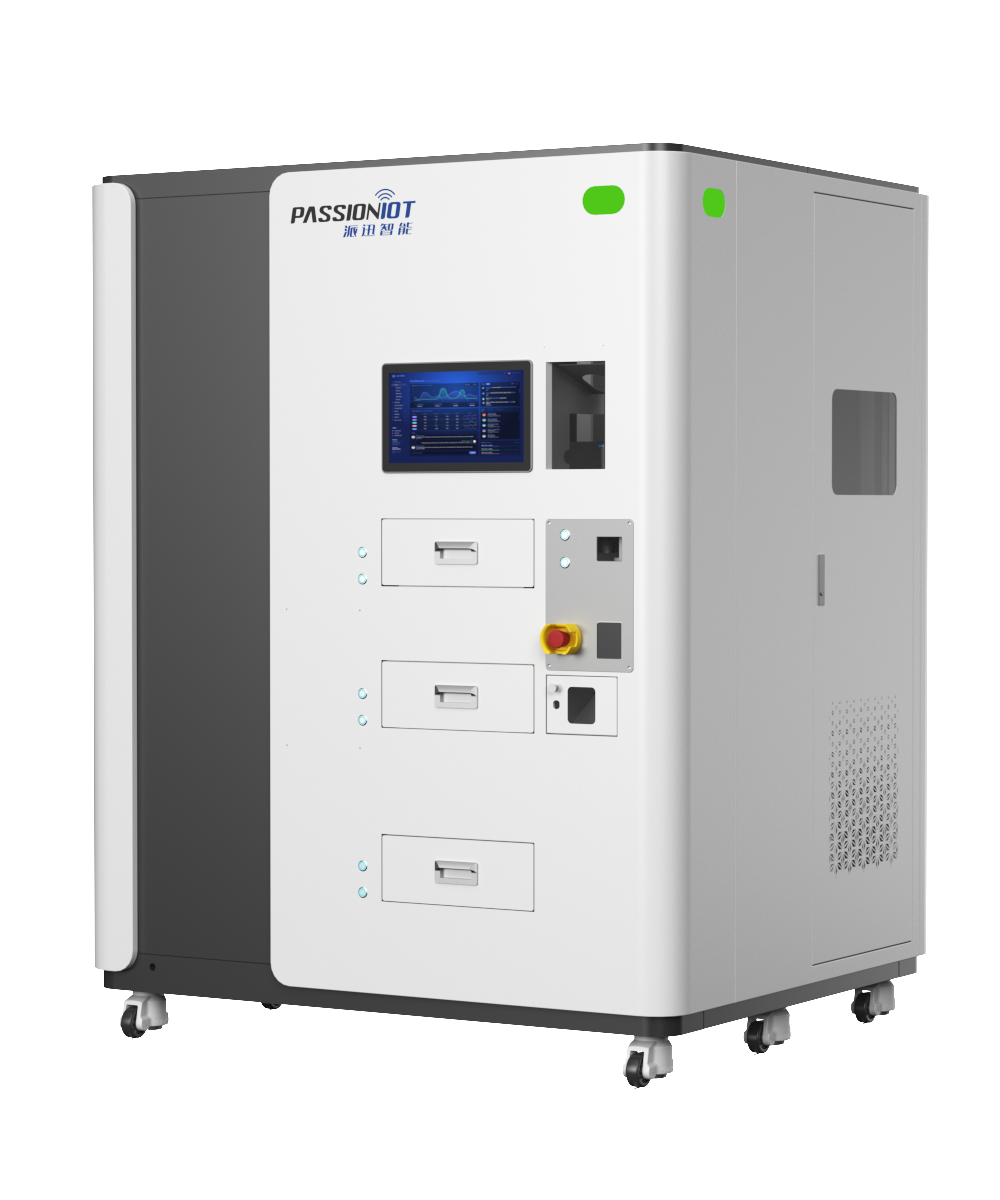
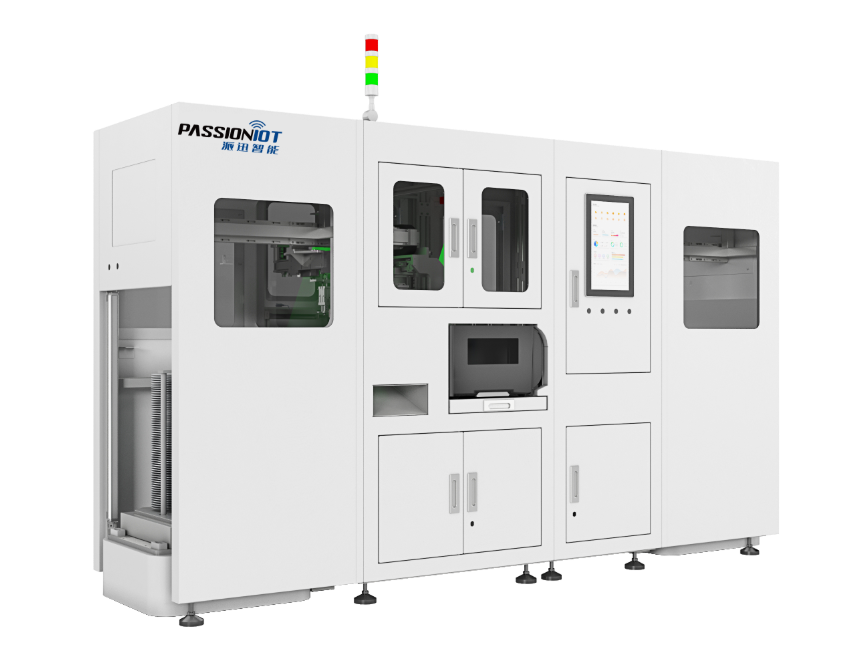
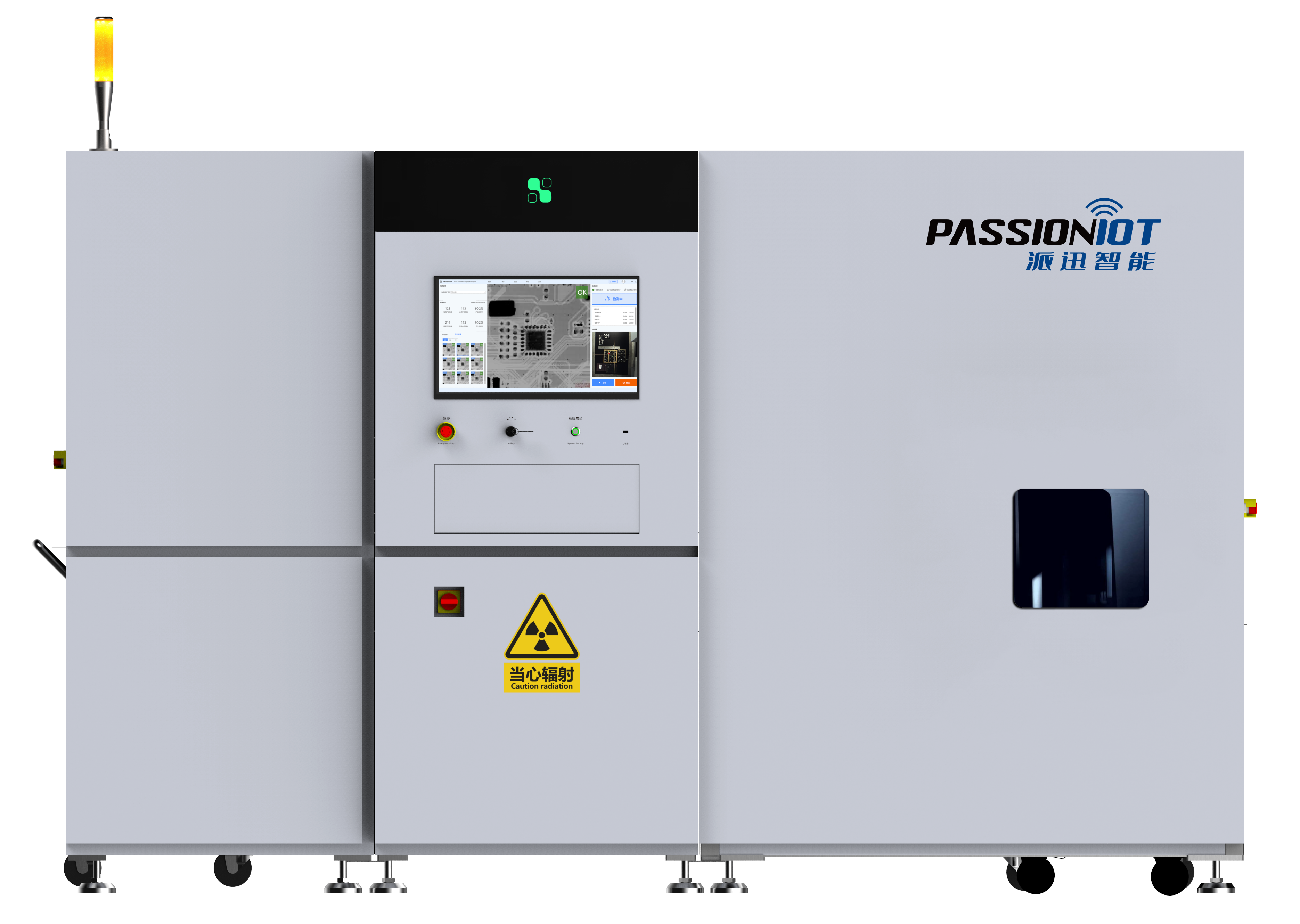
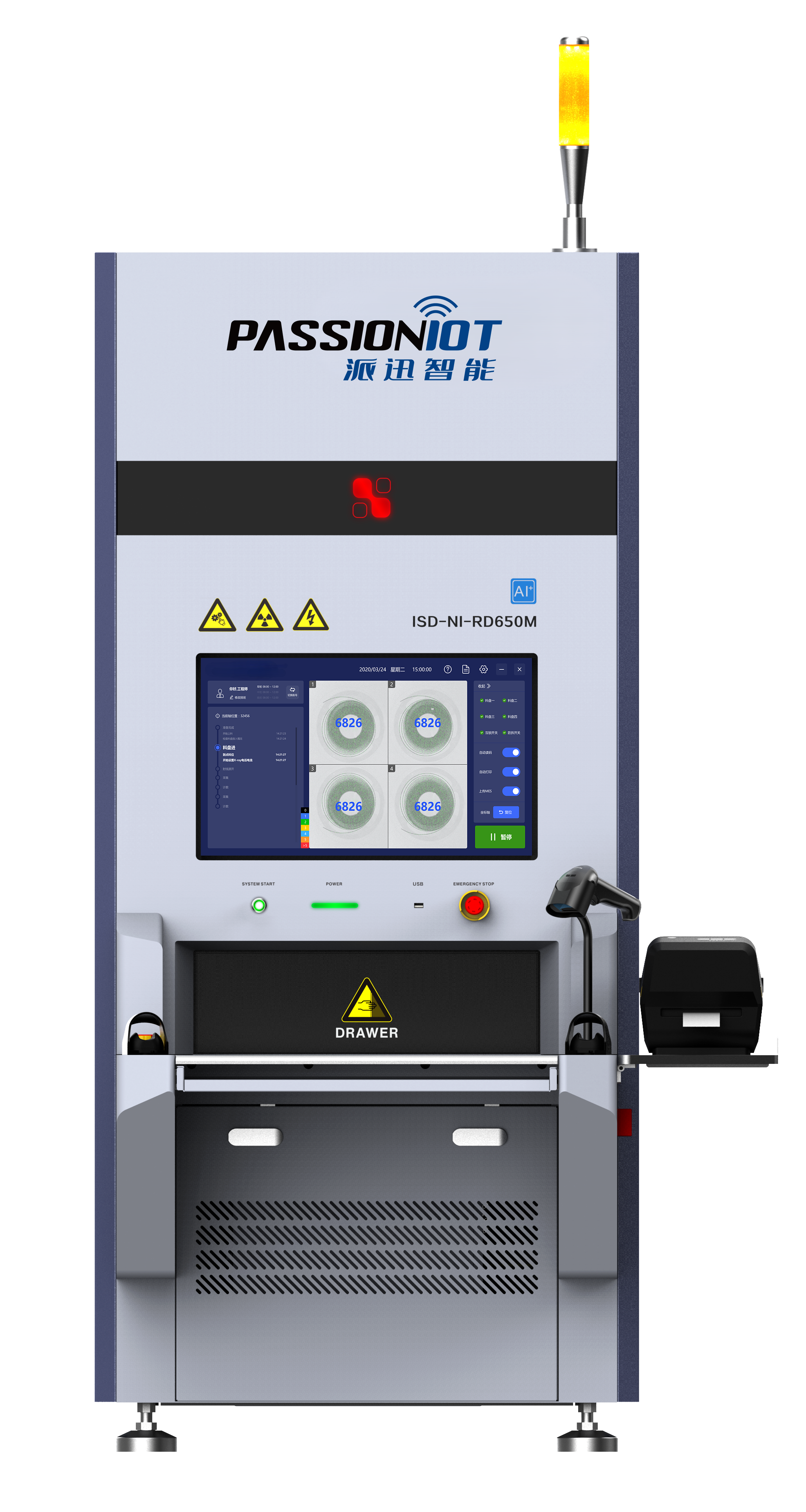
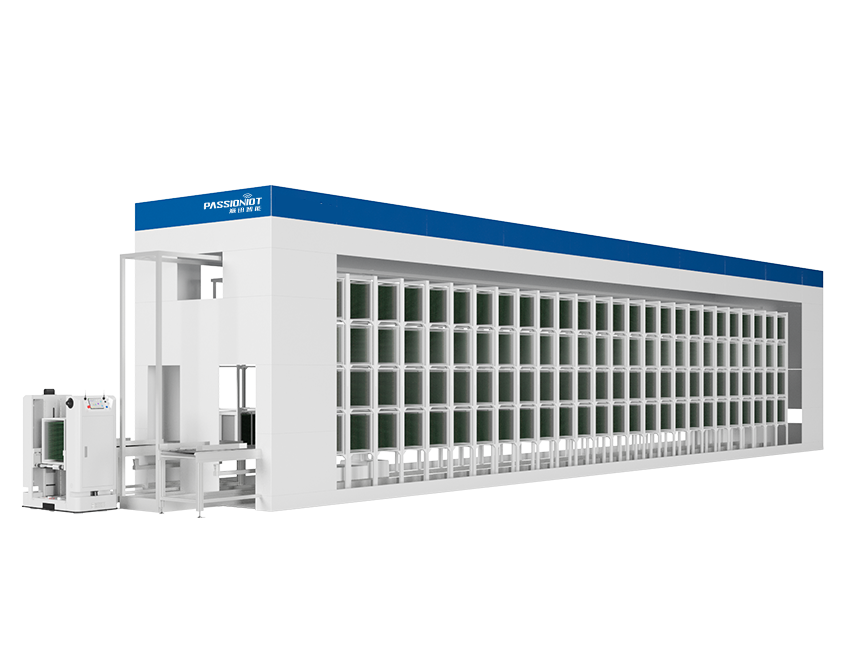
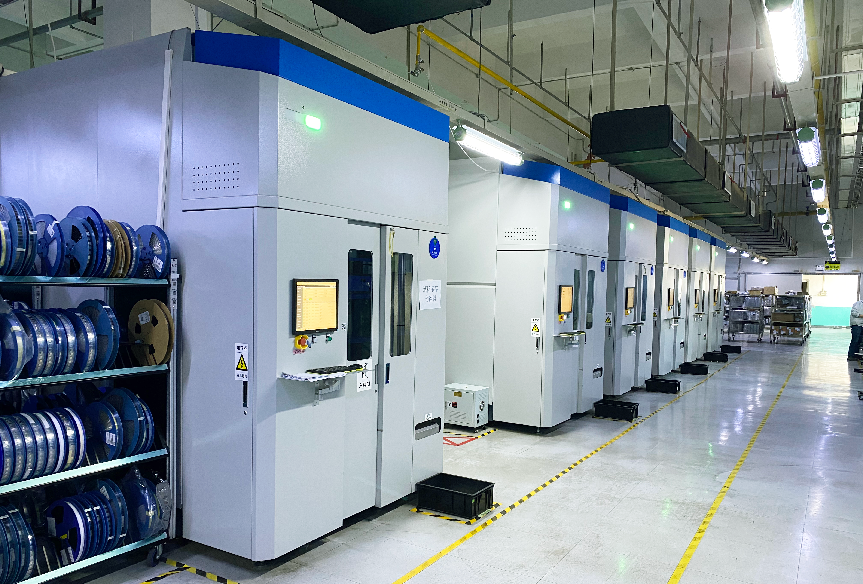
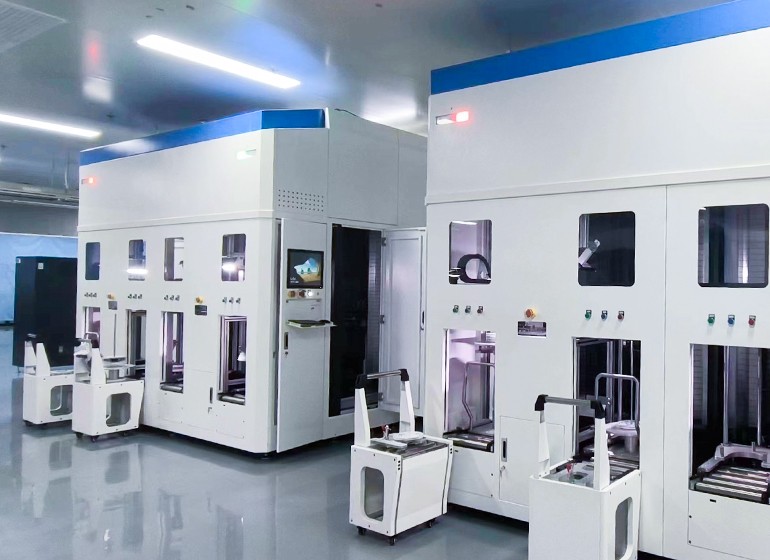
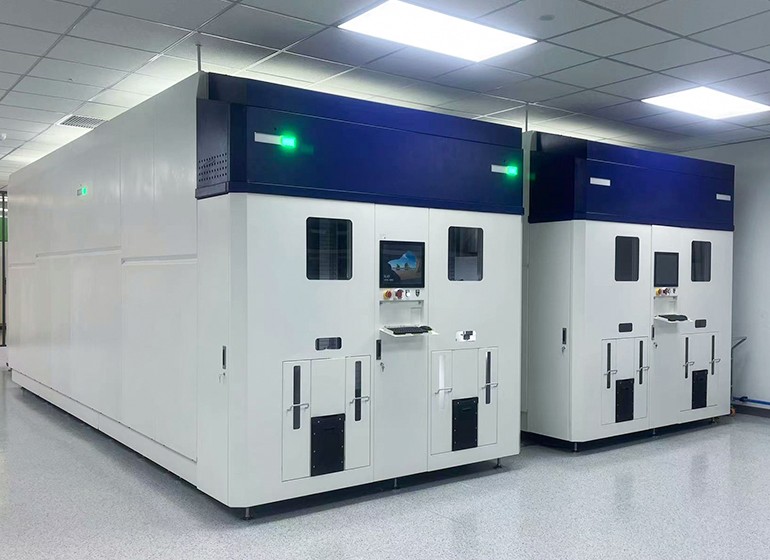
PassionIOT’s smart warehouse solutions leverage advanced smart warehouse technology to transform manufacturing operations, offering higher efficiency, accuracy, and visibility across your factory.
Product Type | Key Parameters | Typical Scenario | Key Advantages |
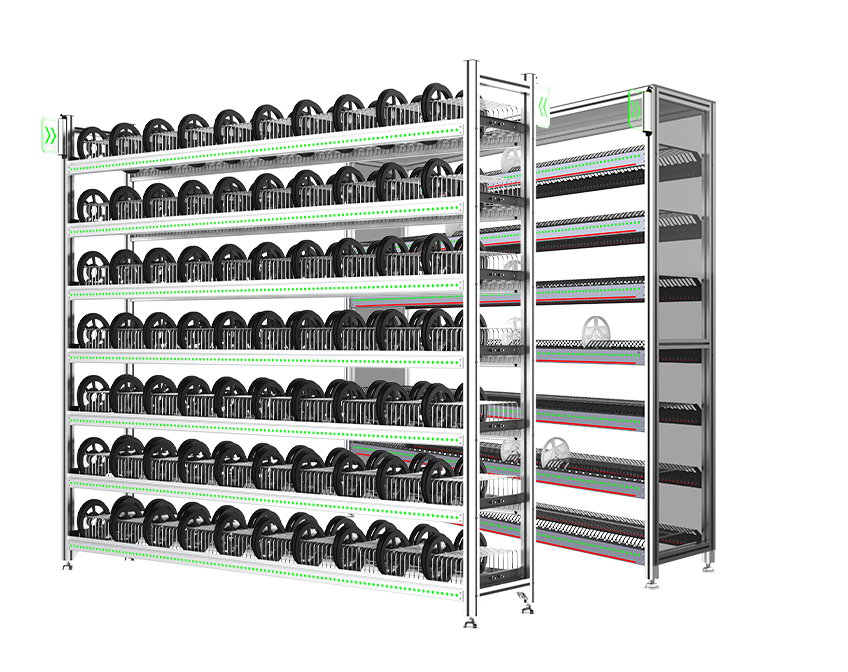
SMD Smart Warehouse | l Automated storage and retrieval l Supports various SMD components l Barcode/QR recognition | Centralized SMT component storage | l High-Efficiency Automated Operations l Flexible Adaptability |
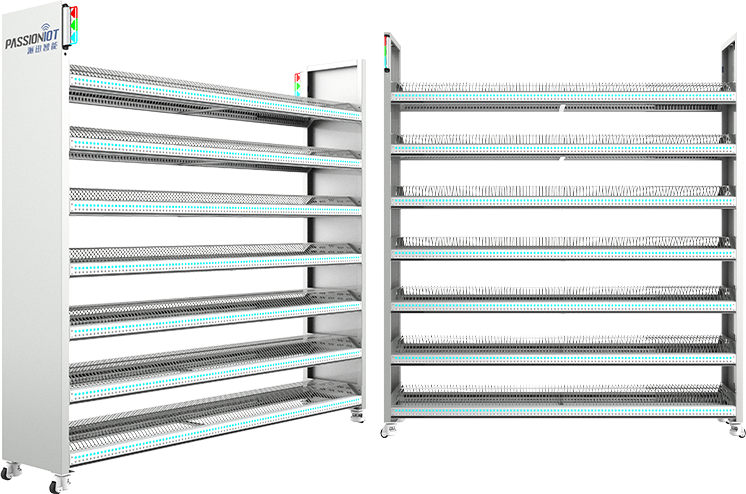
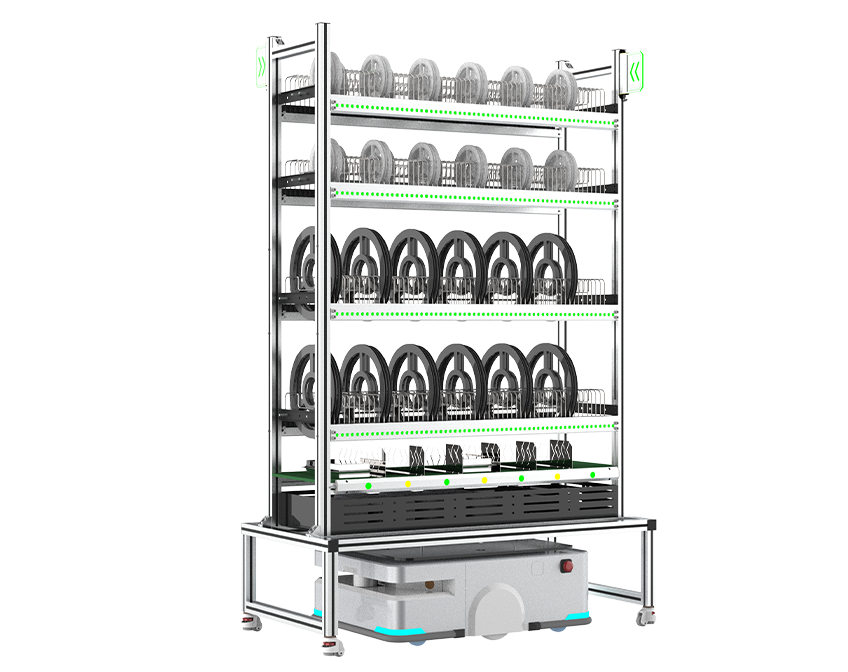
SMD Smart Tower | l Compact l High-density storage l Fast access to SMD reels l Environmental protection | Line-side storage for quick SMD reel access | l Temp & Humidity Control l Safety Assured l Space-Saving Storage l Modular Design |
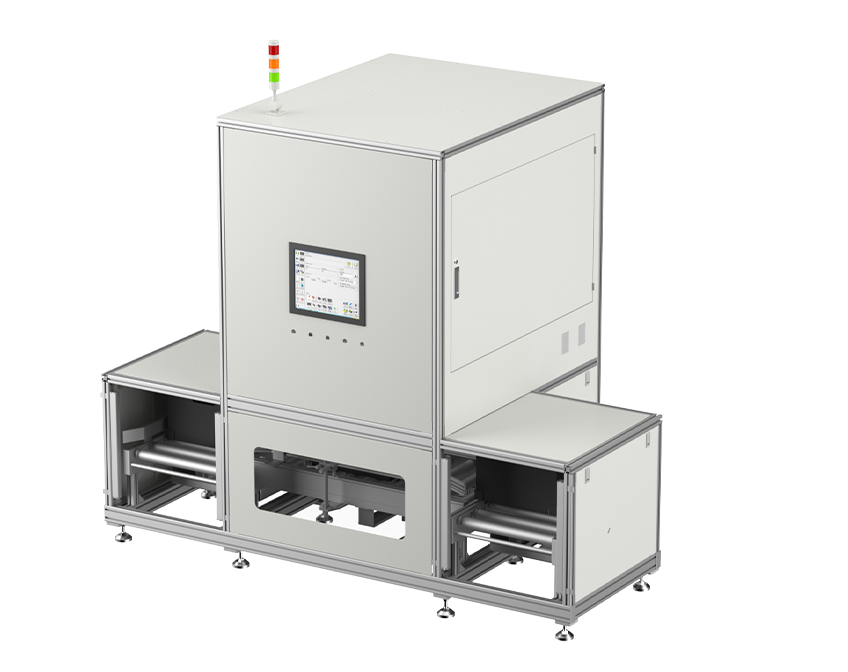
Magazine Smart Warehouse | l Flexible modular design l Supports PCB magazines l Real-time inventory | PCB storage and handling for production lines | l Flexible Storage & Expansion l Efficient & Accurate Material Management |
Conclusion
Adopting smart warehousing is an important step toward more efficient and reliable manufacturing. With automation, real-time visibility, and integrated data workflows, a modern smart warehouse system helps factories reduce downtime, improve inventory accuracy, and optimize space utilization. By implementing the right smart warehouse solutions, manufacturers can build scalable operations. Providers such as PassionIOT offer advanced systems designed to support intelligent material management and future-ready production environments.





 Home
Home