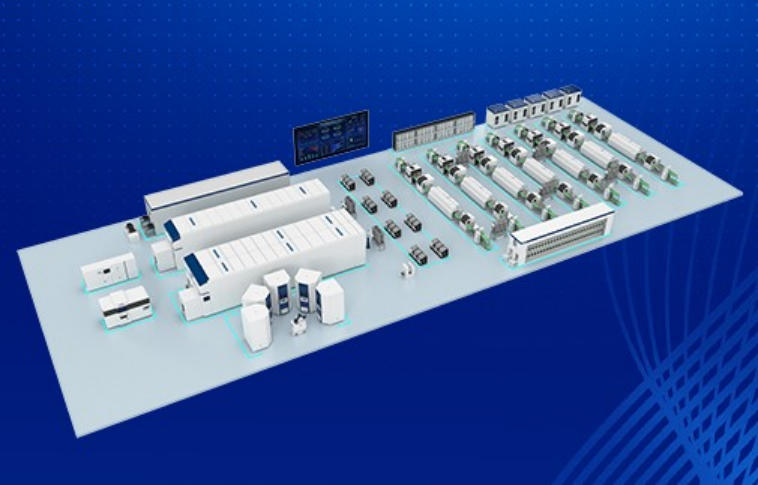
In SMT production, OEE (Overall Equipment Effectiveness) is a key indicator used to evaluate line performance. It reflects how efficiently equipment operates by measuring availability, performance, and quality.
One of the most common causes of SMT line downtime is material-related disruption. When components or consumables are not available at the right time, placement machines may stop, operators must intervene, and the entire production flow can be interrupted.
This article examines the main causes of material-related SMT line downtime, analyses the associated cost impact, and introduces smart warehouse solutions designed to improve material management and maintain continuous production.
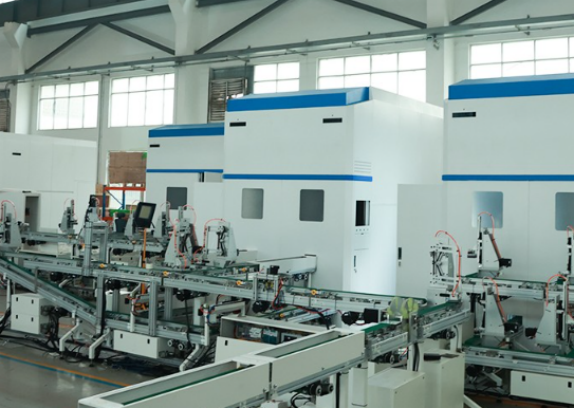
Direct Manifestations
Material-related issues on an SMT line often show clear signs during production, including:
1. Placement Machine Alarms or Stoppages
Placement machines may trigger alarms or stop when component reels are depleted. When materials run out during production, the machine cannot continue placement until the required components are replaced.
2. Increased Pick-Up Failure Rates
Operators may observe an increase in pick-up failures during placement. This can appear as repeated pick attempts, component misplacement, or temporary machine pauses while the system retries the pick operation.
3. Material Changeover Delays During Line Switchovers
During product changeovers, material preparation delays can extend the time required to start the next production run. Operators may spend additional time locating reels, loading SMT feeders, or confirming component availability before the line can resume operation.
Root Causes
Material-related downtime on SMT lines can arise due to a combination of operational, logistical, and information management problems within the production environment. Here are the four major root causes of SMT line downtime:
1. Logistics & Supply Chain
When component delivery does not match the consumption speed of the line, machines may stop while waiting for materials to arrive.
l Lack of Line-Side Storage
One common issue is the lack of sufficient line-side storage. If only a limited number of reels can be stored near the SMT production line, materials must be delivered frequently from central storage areas, resulting in repeated interruptions.
l Inaccurate Delivery
Another reason for SMT line downtime is inaccurate material delivery. Errors in SKU selection, batch numbers, or quantity can delay production while operators verify and correct the materials.
l Internal Bottlenecks
Elevator queues, forklift congestion, and conflicts between automated guided vehicles (AGVs) may create bottlenecks that delay the transportation of reels from warehouses to the production floor. When multiple production lines compete for logistics resources, these delays become more frequent.
2. Abnormal Material Status
In some cases, the material itself may not be ready for immediate use on the production line.
l Packaging Issues
If the carrier tape becomes deformed or the tension in the tape is abnormal, components may not feed smoothly through the placement machine. These feeding problems can interrupt placement operations and increase the frequency of machine alarms.
l Moisture-Sensitive Device (MSD) Failure:
The failure of Moisture-Sensitive Devices (MSDs) in production can also result in SMT line downtime. Electronic components classified as MSDs must remain within specified humidity exposure limits. If the exposure time exceeds the allowed threshold, the components must undergo a baking process before they can be used again. This additional processing time can delay production schedules and prevent immediate material loading.
l Poor Remnant Management
Another challenge involves remnant reel management. Partial reels are common in SMT production, but when the remaining quantity on a reel is not clearly recorded or tracked, operators may misjudge how many components are still available. This uncertainty increases the risk of unexpected material shortages during a production run.
3. Feeder Issues
Feeder performance can also result in SMT line downtime. Here is how:
l Inadequate Maintenance
Inadequate equipment maintenance is one of the major reasons for SMT line downtime. For example, worn guide rails or aging ratchet mechanisms can lead to pitch errors, causing components to advance incorrectly through the feeder.
These inaccuracies may result in pick-up failures or repeated placement retries, reducing overall production efficiency.
l Stencil/squeegee Mismatch
In addition to feeder mechanisms, issues in upstream processes can also influence placement performance. For example, mismatches between stencil design and squeegee conditions during the solder paste printing stage may lead to inconsistent paste deposition. Poor printing quality can make component placement more difficult and contribute to increased placement errors during assembly.
4. Information Flow Gaps
Lack of accurate and synchronised information across multiple systems can also result in SMT line downtime.
l Delayed BOM/ECN Changes
One major information flow issue is the delayed updates to BOM or ECN changes. If engineering modifications are not promptly synchronised between production planning systems and the warehouse management system (WMS), incorrect component versions may be picked and delivered to the line. Correcting these mistakes can interrupt production and require additional verification steps.
l Poor Inventory Visibility
Another issue is limited inventory visibility. In some factories, materials may physically exist in storage but are not visible to production teams due to incomplete system data or delayed updates. When the line cannot access real-time inventory information, it becomes difficult to request the correct materials at the right time.
Cost Impact
Material-related downtime on SMT lines creates both immediate and long-term financial impacts, such as:
1. Direct Costs
l Equipment Depreciation and Energy Consumption: Even when production stops, SMT machines continue to incur depreciation and consume energy while idle. This increases operating costs without generating output.
l Material Loss: Production interruptions may require additional setup or purging, which can lead to the loss of solder paste, components, or other materials during machine restart and adjustment.
2. Indirect or Hidden Costs
l Capacity Loss: When a production line stops, valuable manufacturing capacity is lost. This represents an opportunity cost, especially in high-volume production environments.
l Rework and Quality Costs: Unstable production conditions may lead to defects that require inspection, repair, or scrapping, increasing labour and quality control expenses.
l Order Delivery Delays: Downtime can disrupt production schedules and delay order fulfilment, which may affect customer commitments and supply chain coordination.
PassionIOT's Solutions
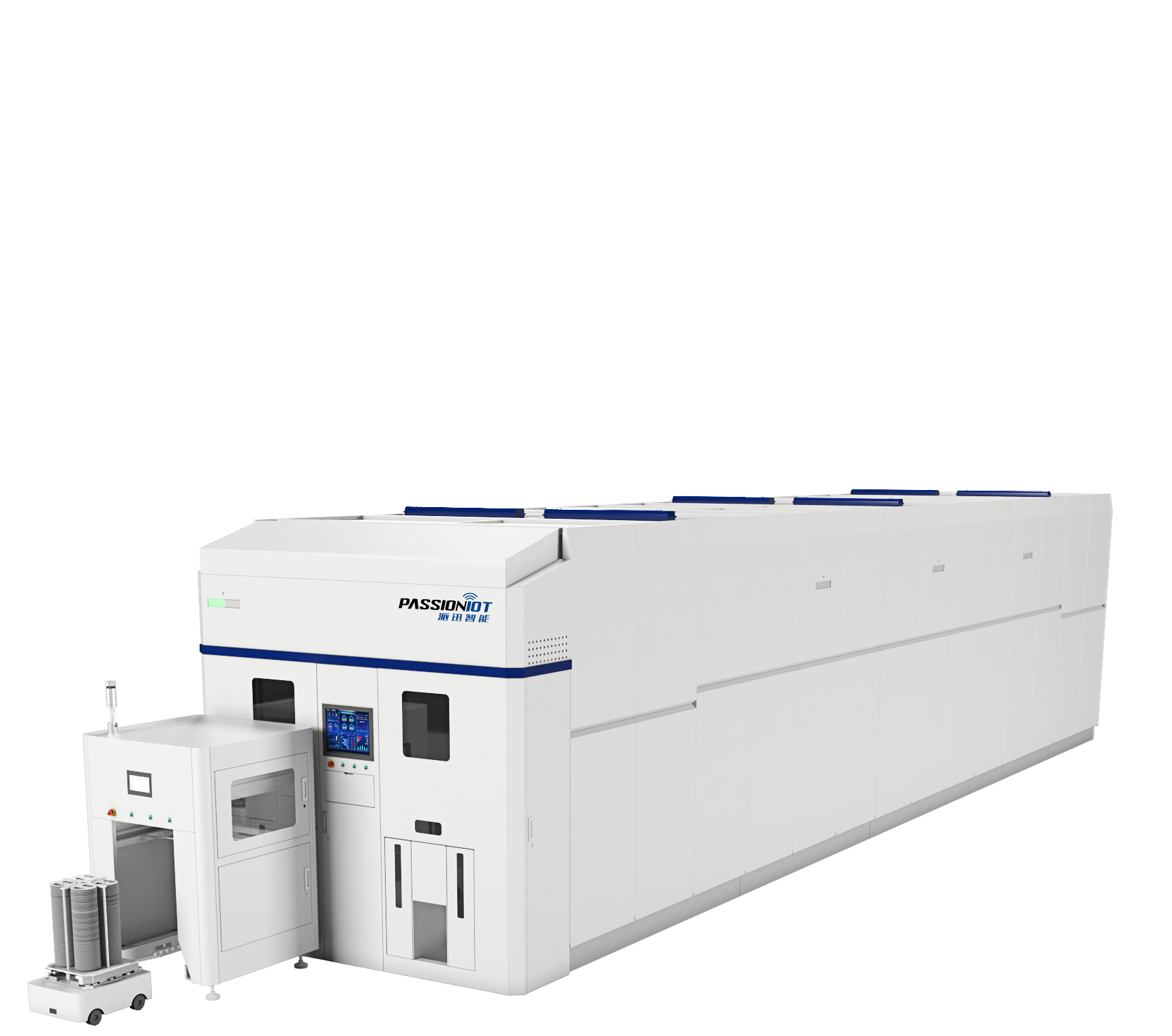
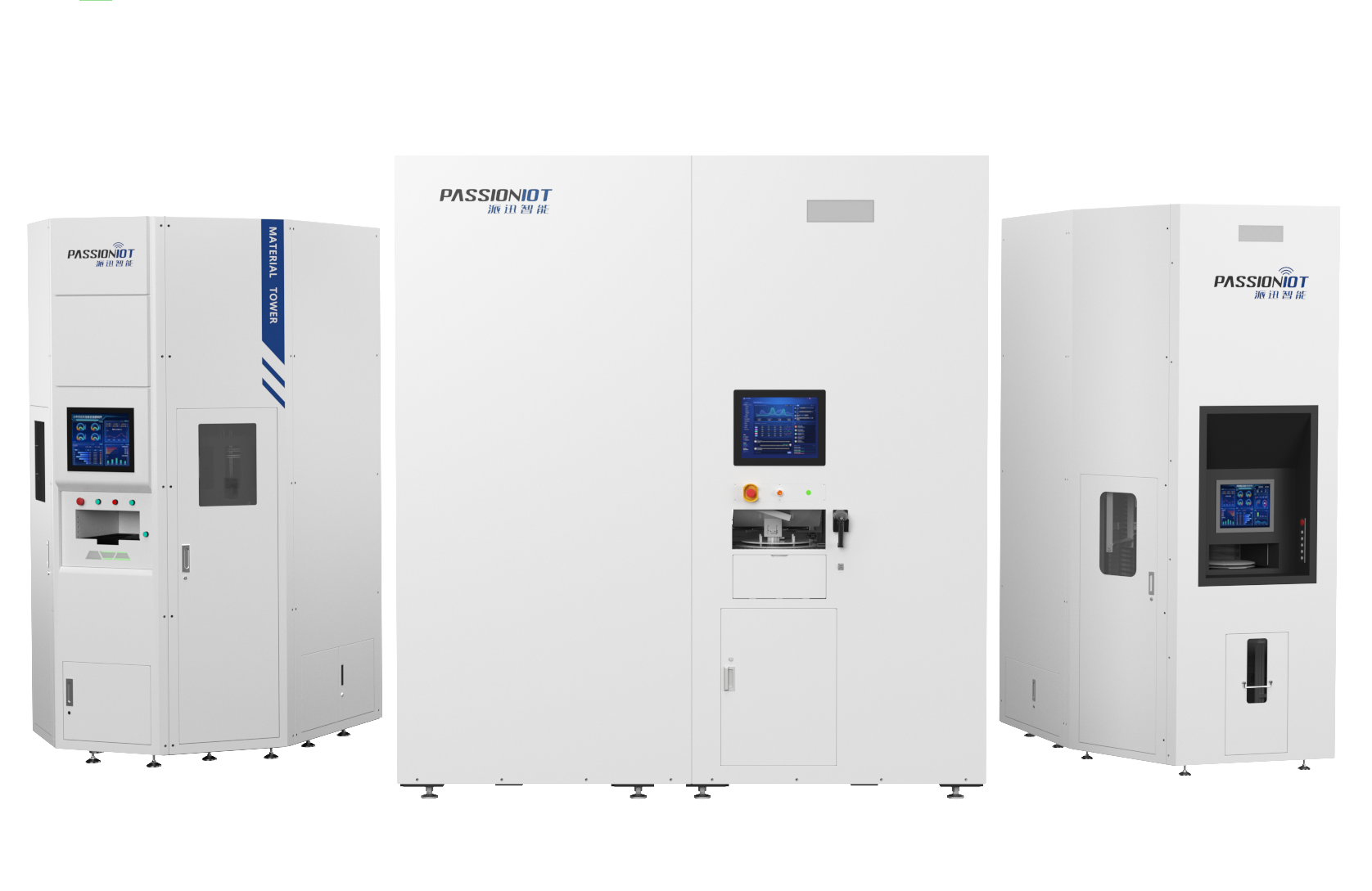
To reduce SMT line downtime caused by material-related issues, PassionIOT provides a set of smart warehouse solutions designed to improve material availability, traceability, and operational efficiency. Here is how these smart warehouse solutions work:
1. Line-Side Smart Warehousing
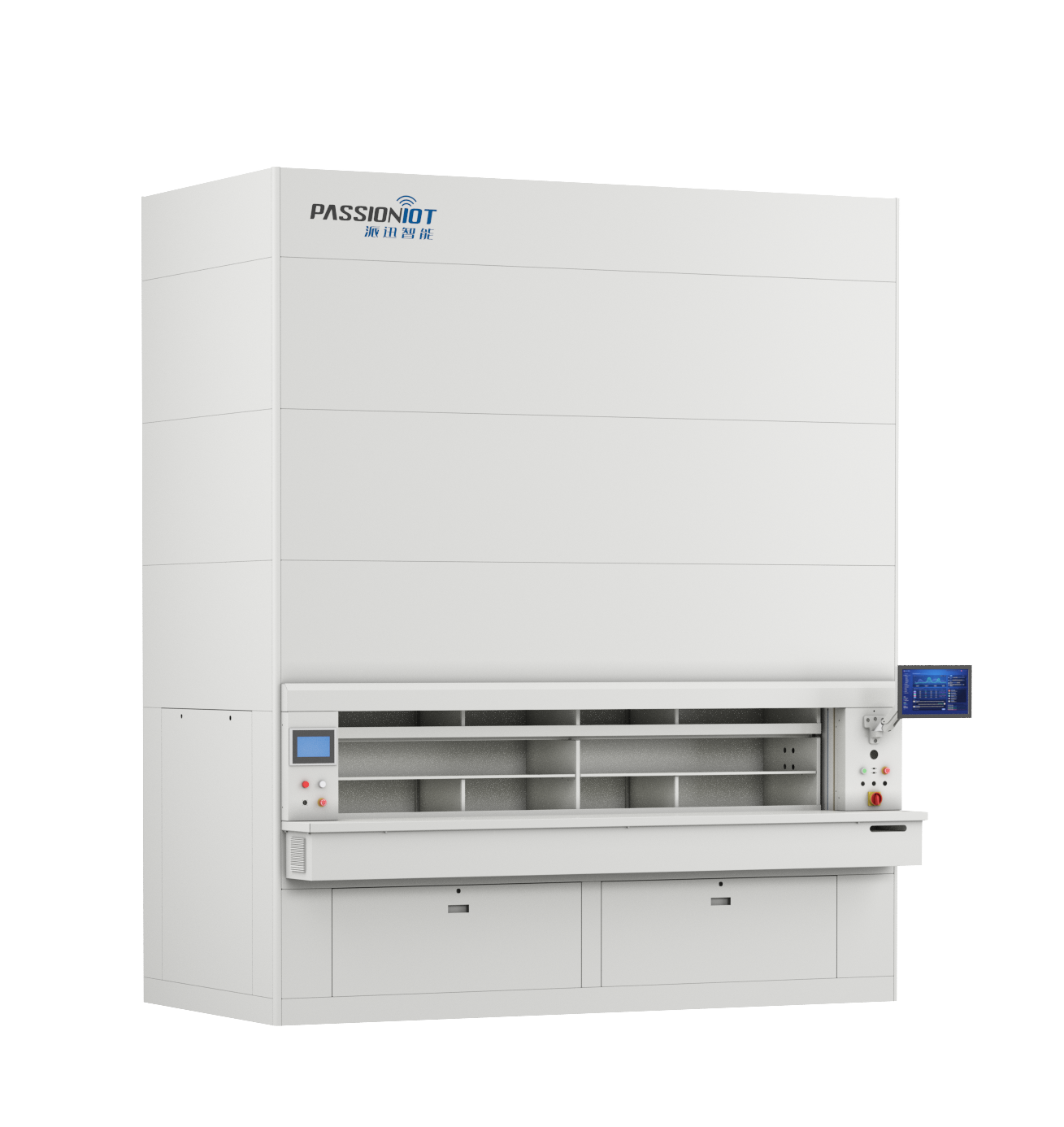
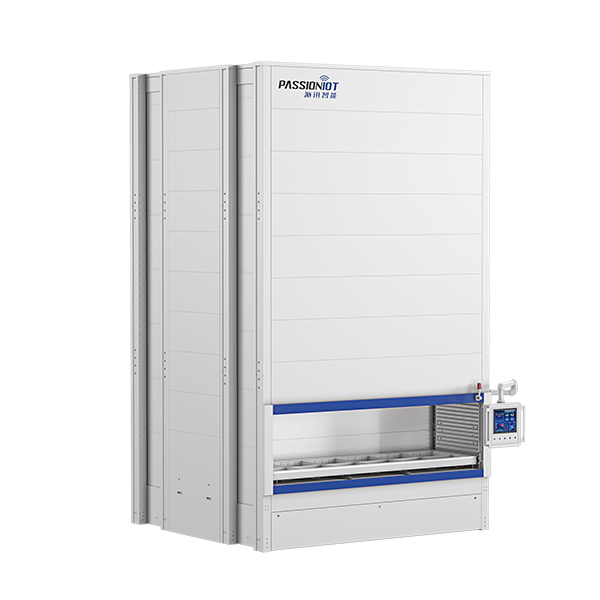
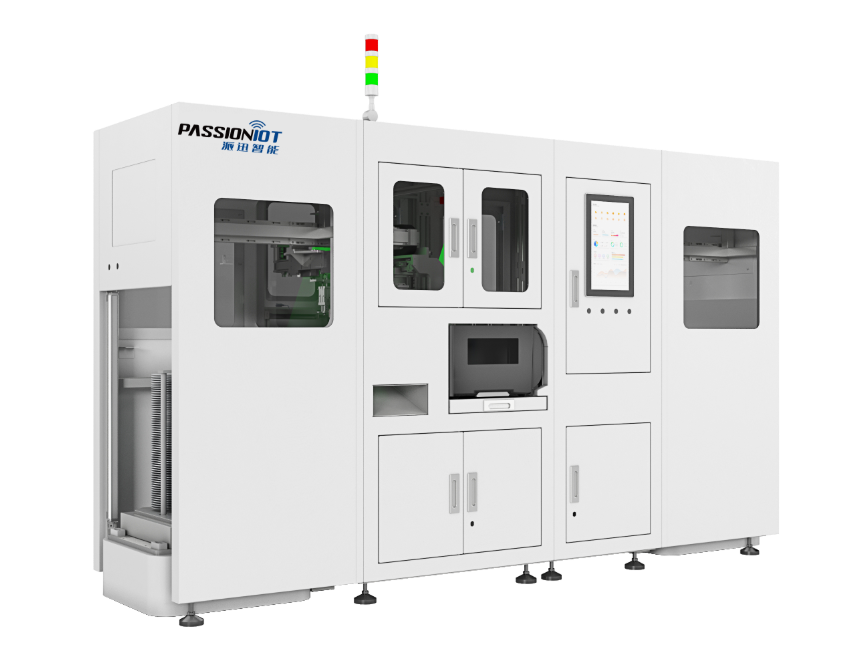
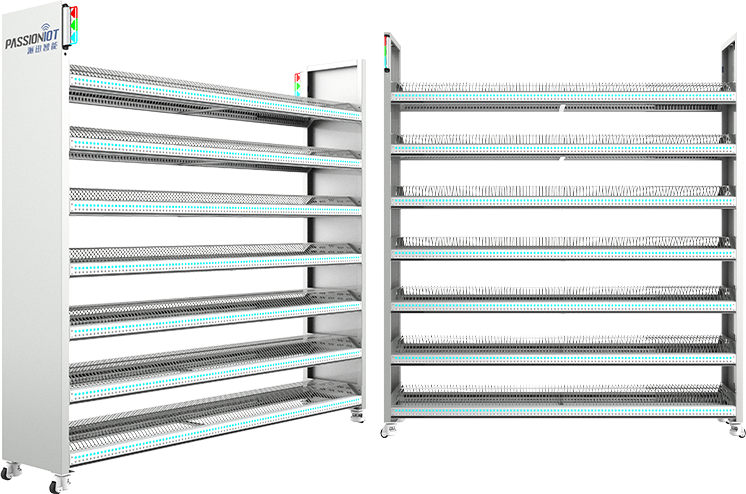
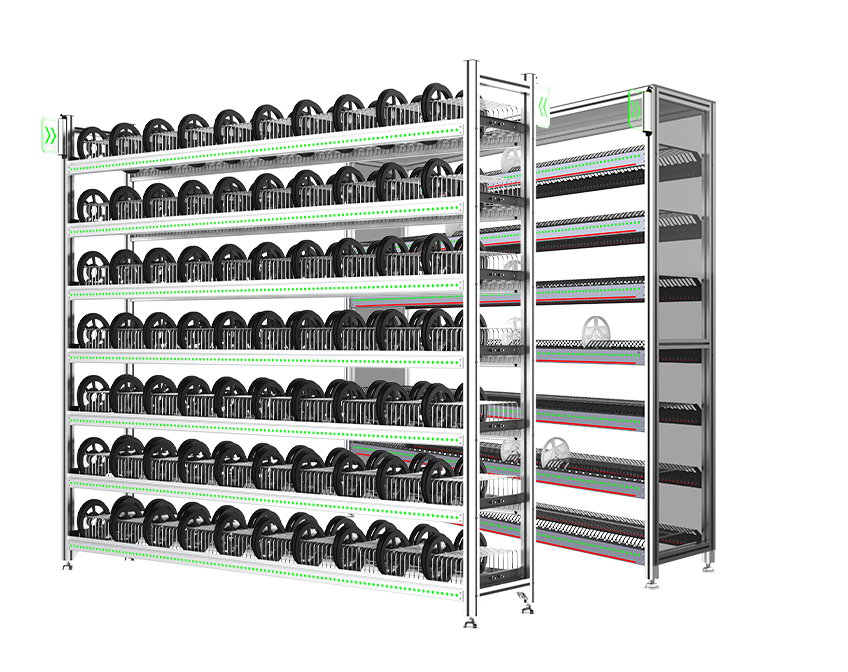
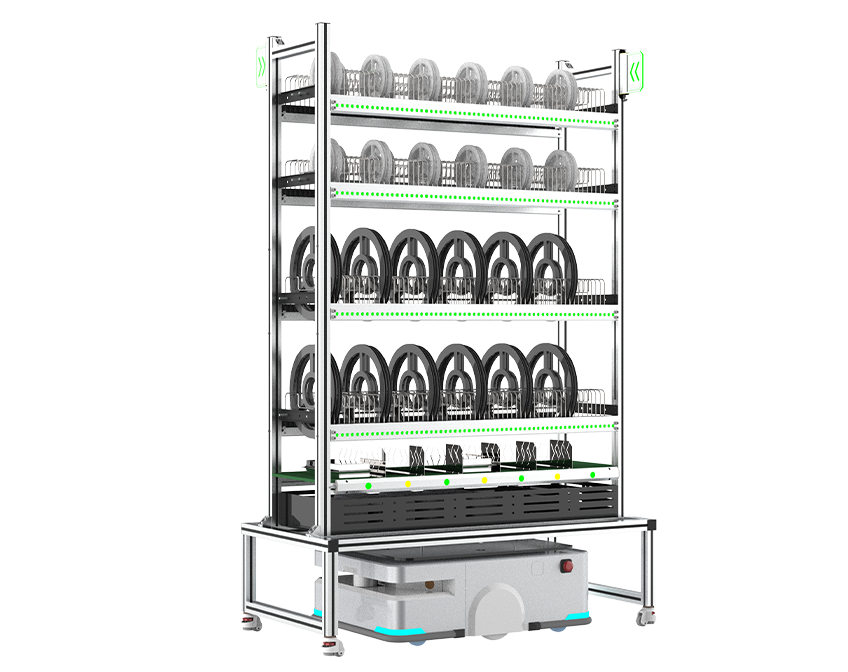
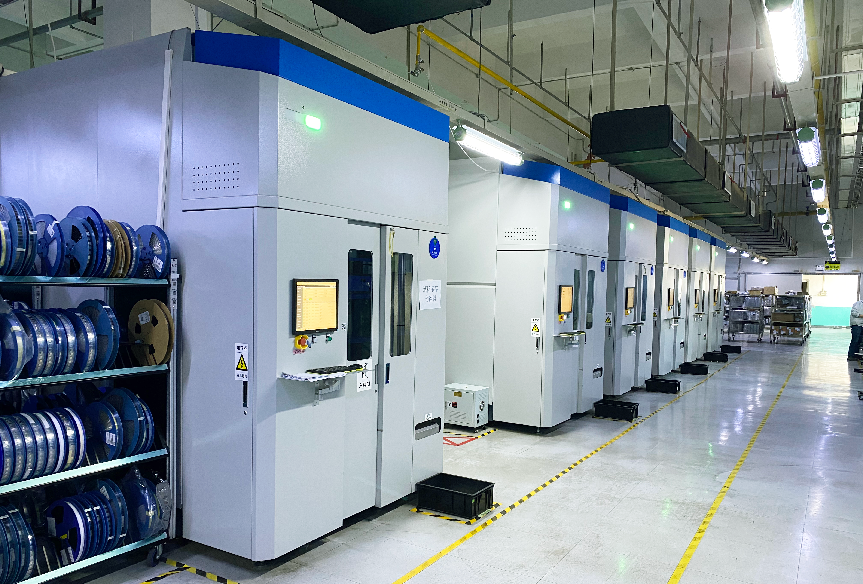
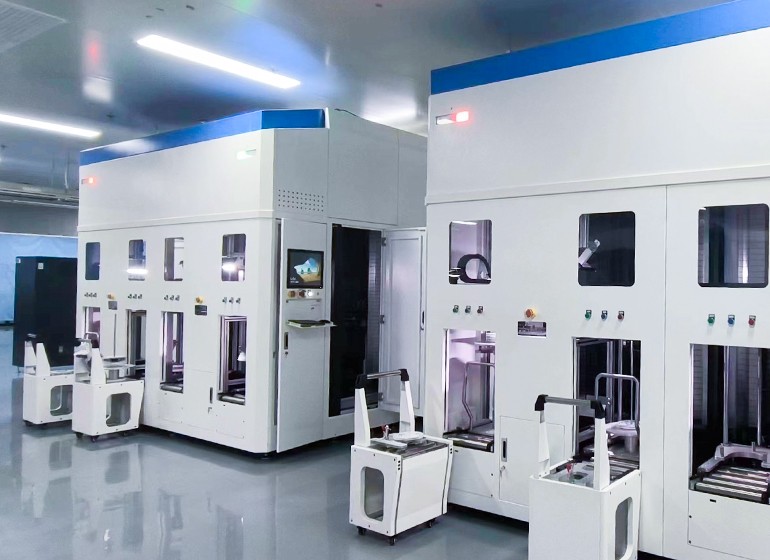
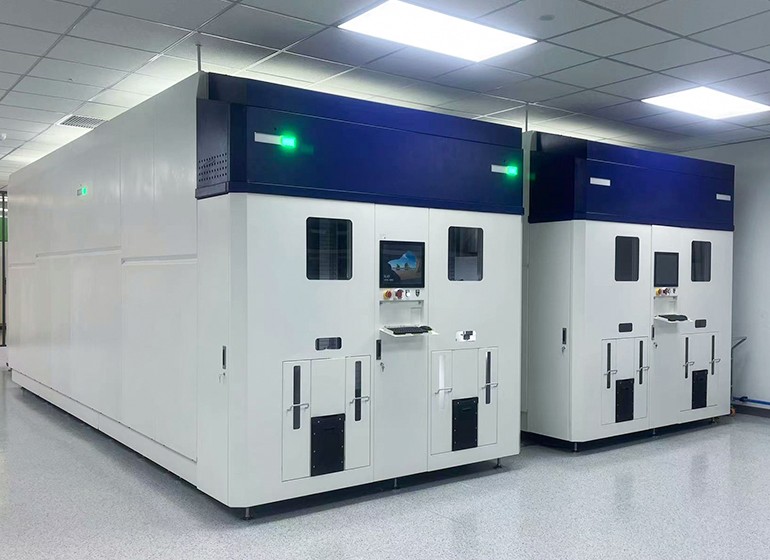
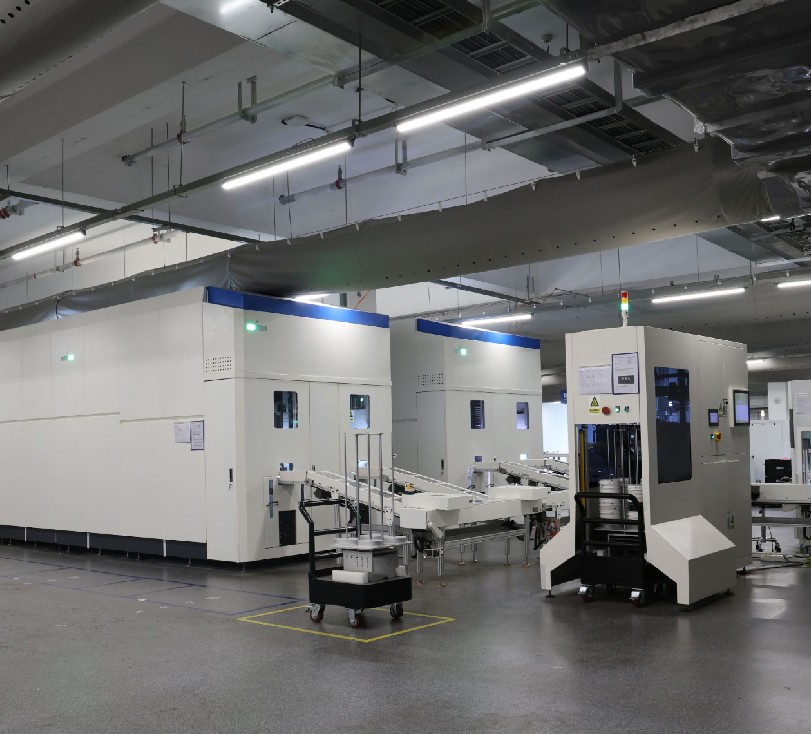
PassionIOT offers smart warehousing storage systems designed specifically for SMT component management near the production line.
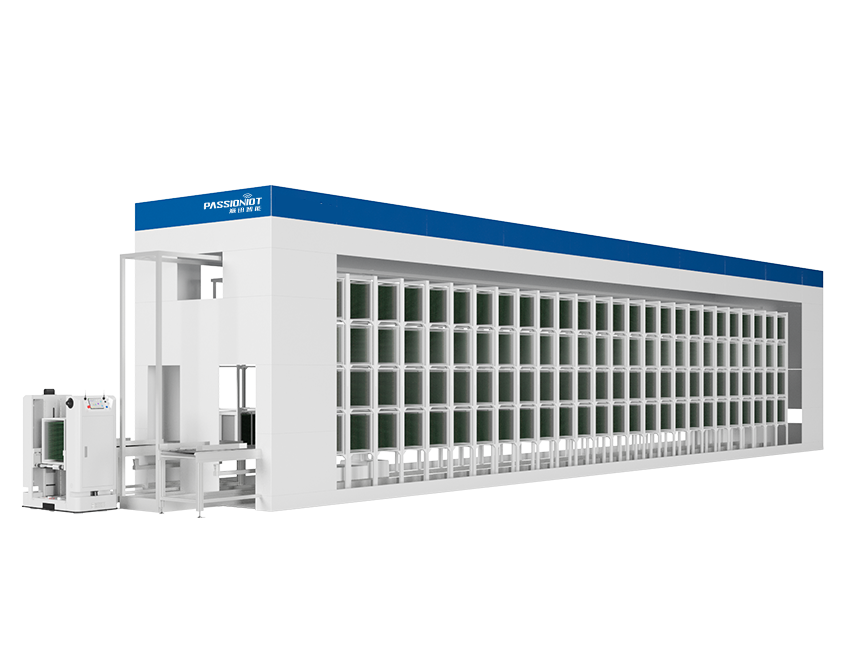
The SMD Smart Tower provides high-density storage while occupying minimal floor space. A 7-inch tower can store approximately 1,400 reels within about 0.8 m², increasing storage density by roughly 40% compared to traditional storage methods.
Larger towers are also available for 13-inch and 15-inch reels, allowing factories to manage different component sizes efficiently while keeping frequently used materials close to the production line.
2. End-to-End Material Traceability
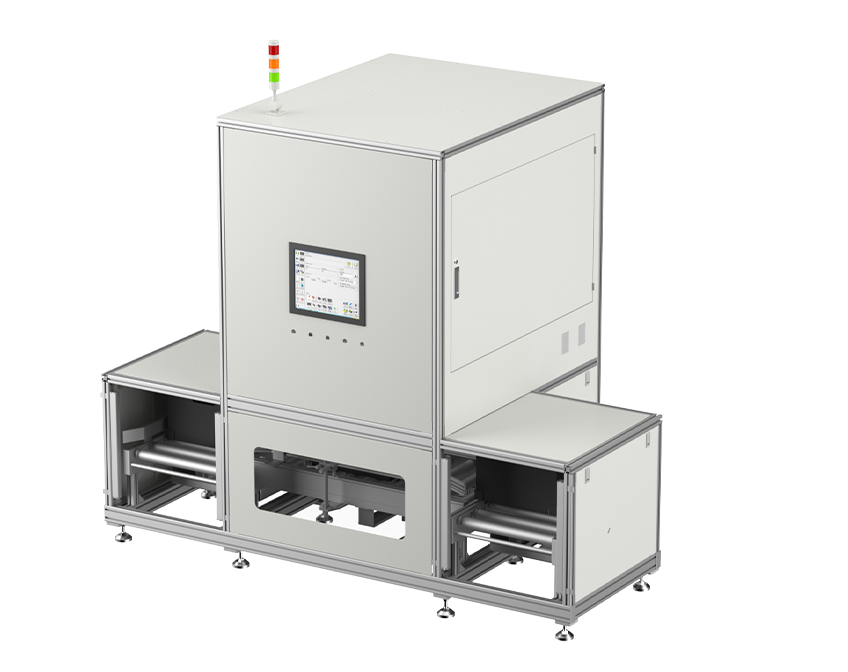
PassionIOT's automatic labeling system can label reels within 6–8 seconds, using dual-camera verification to ensure accuracy. Each reel receives a unique UID, enabling full traceability throughout the production process.
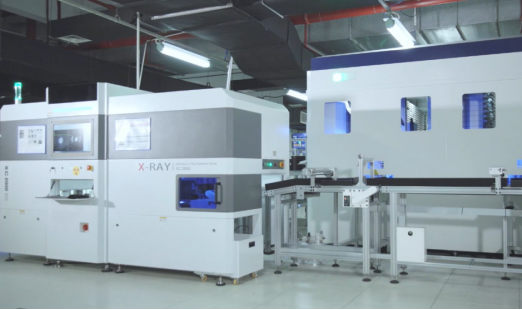
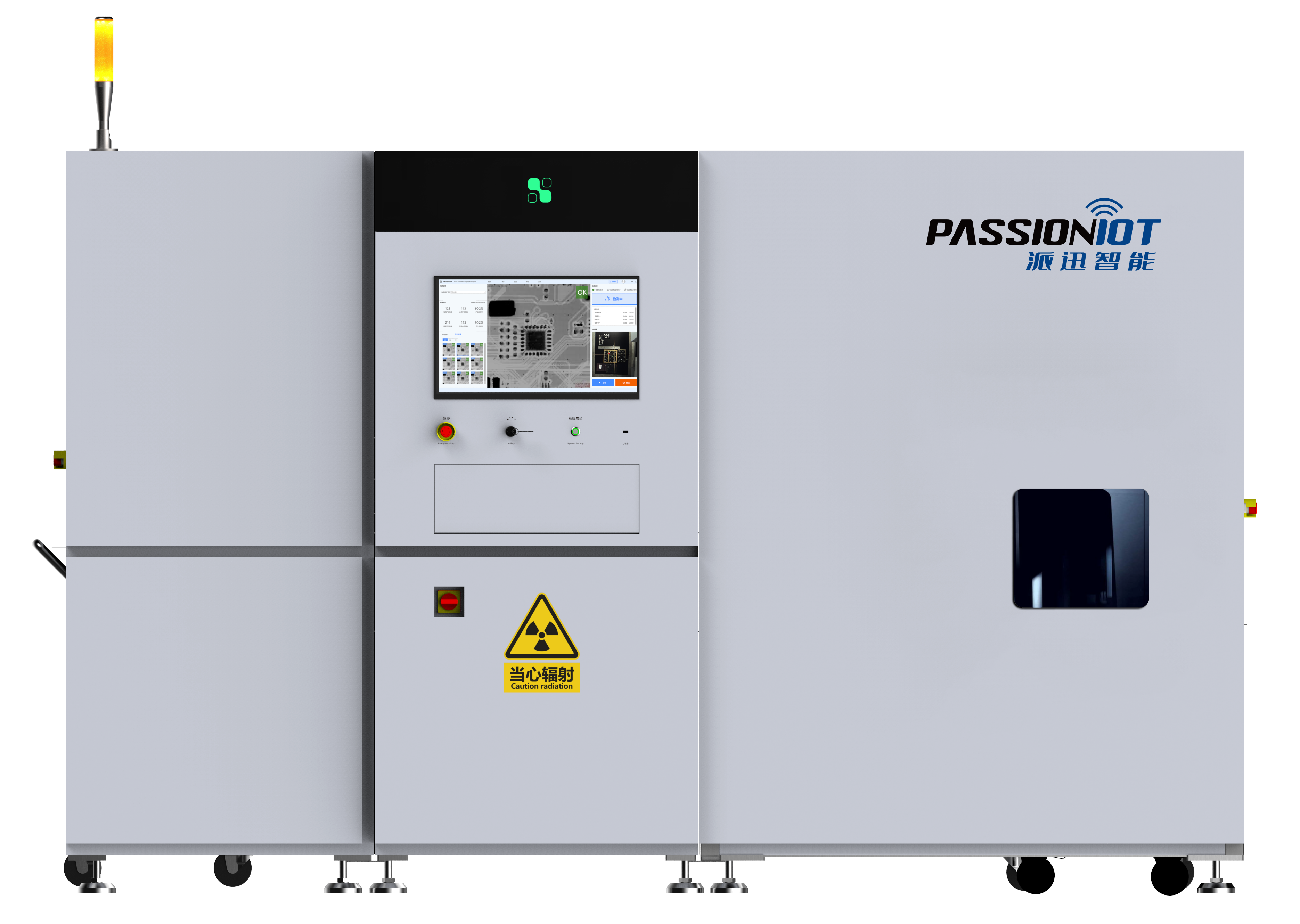
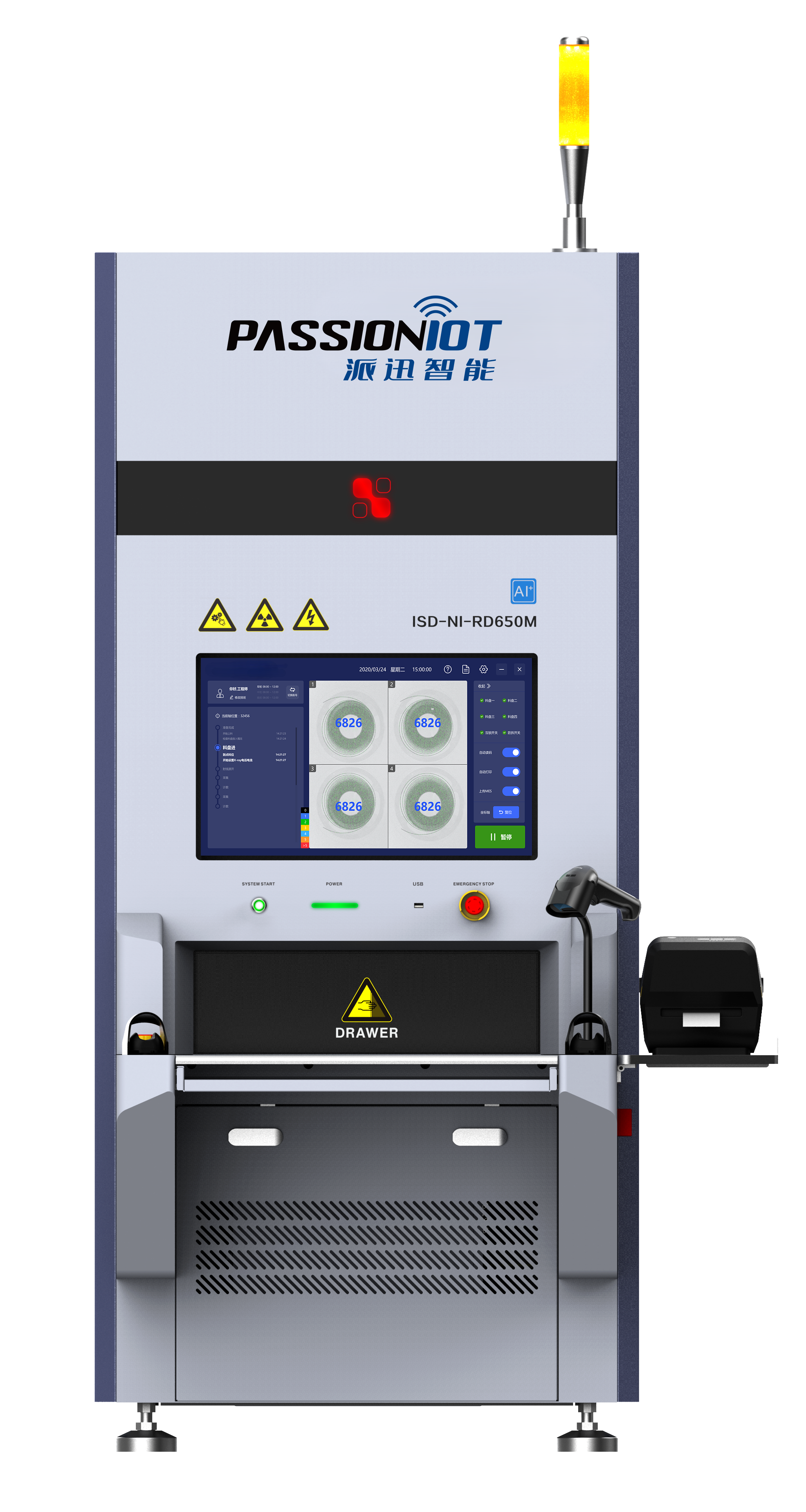
In addition, the X-Ray component counter allows precise counting of remaining components on partial reels. This helps operators determine the exact quantity of components available, improving remnant management and reducing unexpected material shortages.
3. Feeder & Tooling Management
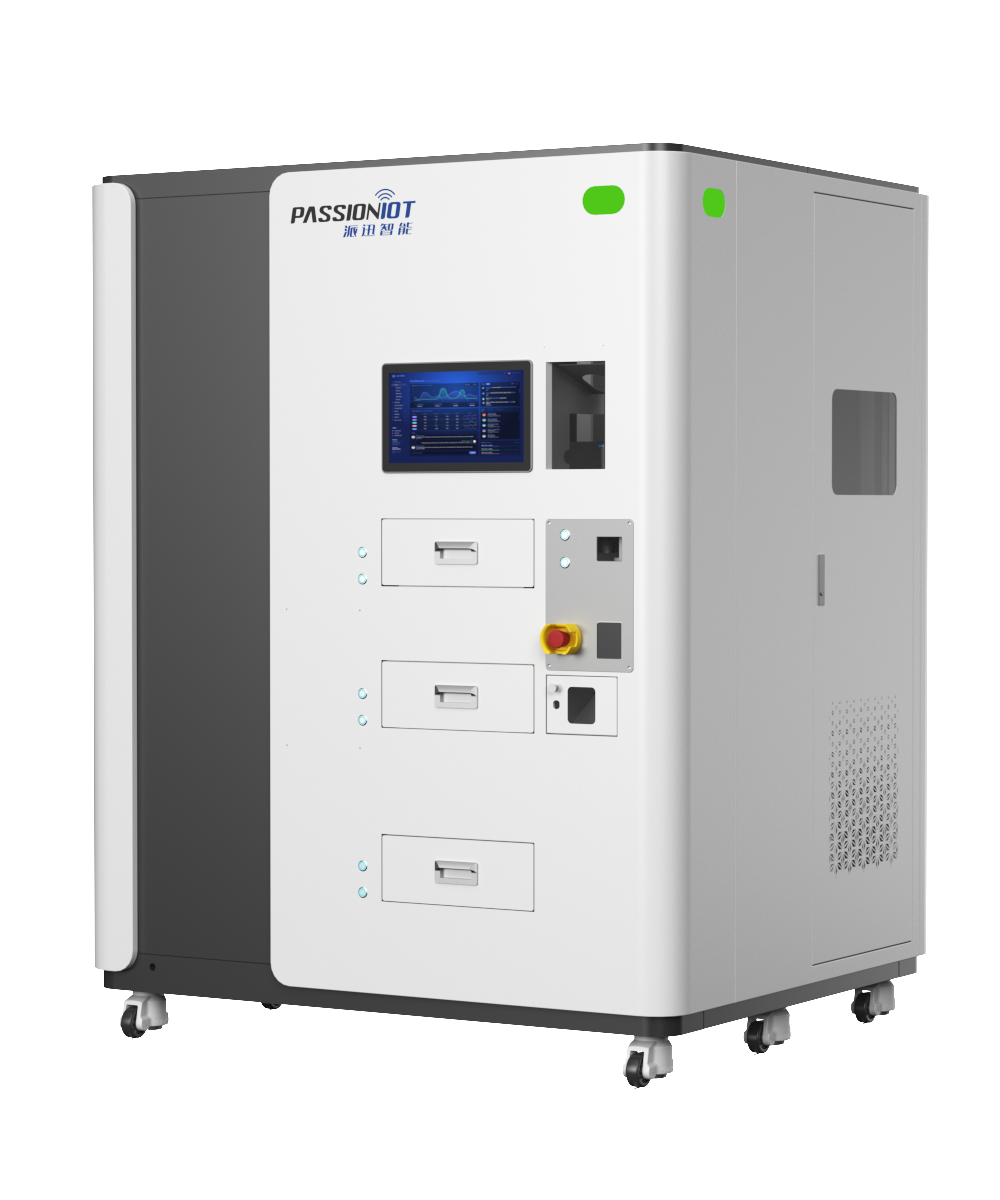
The Smart Stencil Cabinet records stencil usage counts and helps track maintenance cycles. This ensures stencils are replaced or serviced at appropriate intervals to maintain printing quality.
The Smart Solder Paste Cabinet manages solder paste storage conditions and supports FIFO (First-In, First-Out) control. It also includes automatic warm-up functions, helping ensure solder paste reaches the correct working condition before use.
4. Integrated Information Flow
PassionIOT smart warehouse solutions support integration across key manufacturing platforms, including WMS, MES, and ERP systems. This integration enables real-time work order synchronisation, automatic material requirement calculations, and coordinated material delivery.
Conclusion
Material-related downtime remains one of the most significant yet often overlooked drags on SMT production efficiency. From line-side shortages and feeder issues to information silos and remnant mismanagement, each disruption carries direct costs and hidden ripple effects that erode OEE and delay customer commitments.
By implementing PassionIOT's smart warehouse solutions, factories can transition from a "man-to-material" to a "material-to-man" workflow—where required components are automatically prepared and delivered just when and where they are needed. This shift eliminates waiting time, stabilizes production flow, and transforms material management from a source of downtime into a driver of OEE.





 Home
Home