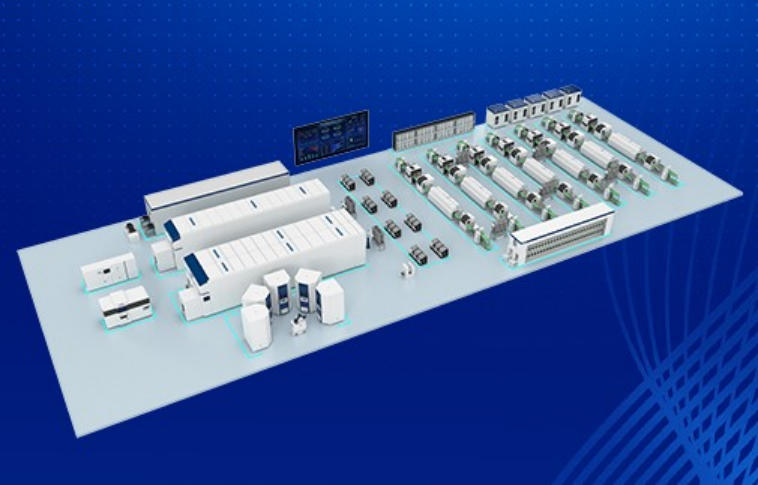
Today, high-precision industries, including SMT, semiconductors, and biopharmaceuticals, are undergoing a shift toward ultra-flexible production. The growing demand for high-mix, low-volume production and just-in-time delivery has now become the industry norm.
However, legacy warehousing models often limit this level of agility. In this context, smart industrial warehousing is not a support function. It can detect real-time production demands and automatically dispatch materials, helping manufacturers improve operational efficiency and production responsiveness.
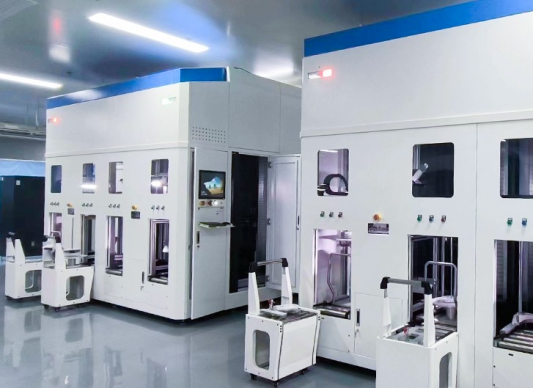
The Global Warehousing Market
1. Market Size
In 2026, the global warehousing market is expected to reach $765.23 billion, representing a 7.3% year-over-year increase[1]. This steady growth reflects the relentless pursuit of supply chain efficiency across manufacturing and retail sectors. More importantly, the smart warehousing segment is experiencing explosive growth.
According to newly released statistics, the global smart warehousing market is estimated to grow from $2.32 billion in 2025 to $3.05 billion in 2026. By 2031, the market is expected to surpass $12.02 billion, indicating a CAGR of 31.55% from 2026 to 2031[2].
These figures clearly indicate that smart warehousing is rapidly becoming a standard requirement for high-precision industries worldwide. From automation hardware to intelligent software, and from point solutions to fully integrated systems, the entire warehousing technology ecosystem is undergoing a profound transformation.
2. Key Drivers
Several structural factors are accelerating the adoption of smart warehousing technologies.
1. E-commerce Expansion
On the consumer side, the rapid expansion of e-commerce is pushing logistics systems to become faster and more flexible. Now, industrial warehousing must respond quickly to changing order patterns and support highly dynamic distribution networks.
2. Manufacturing Upgrades
From the manufacturing perspective, production upgrades are also driving demand for advanced warehousing solutions. Industries such as SMT manufacturing require extremely high levels of material accuracy and traceability. Even small material errors can lead to production defects, which makes precise material management a critical requirement.
3. Supply Chain Restructuring
At the global trade level, supply chains are undergoing geographic restructuring. Many companies are adopting nearshoring strategies and building production and logistics networks closer to key markets.
This shift is increasing the need for global warehouse solutions that offer high operational standards, reliable traceability, and strong digital management capabilities.
Warehousing Market Trends
The rapid growth of smart manufacturing is reshaping how industrial warehouses operate. Here are the key emerging trends as companies adapt their logistics systems to support faster, more flexible production environments.
1. Operational Models
(1) Fully Automated Material Flow
In high-precision industries such as SMT manufacturing, industrial warehousing is increasingly integrated directly with production lines.
The long-term goal is to achieve fully automated material movement, where components travel from line-side storage to production equipment with minimal human intervention.
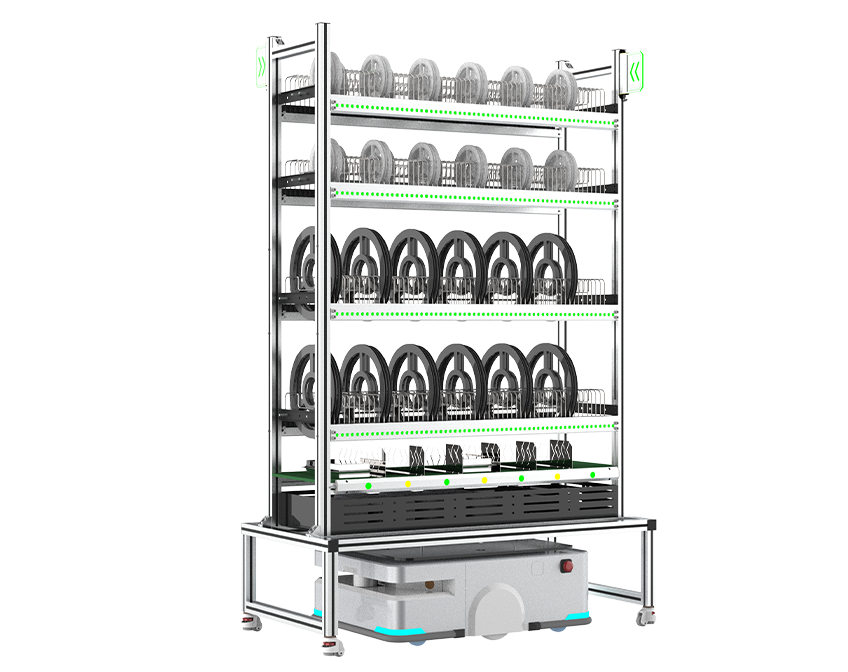
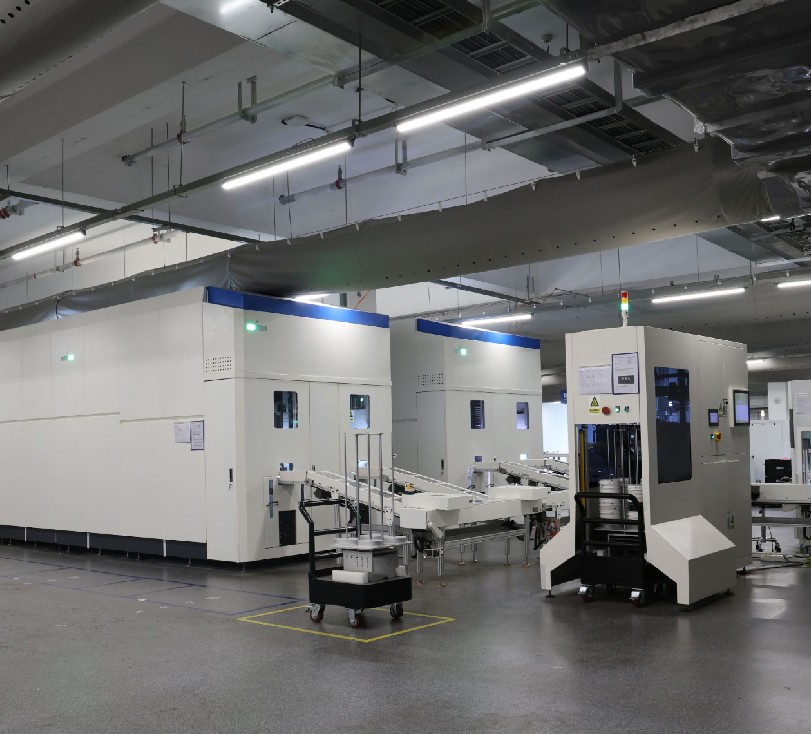
Technologies such as AGVs and AMRs are used to transport materials while communicating with placement machines and other production equipment.
(2) Human-Robot Collaboration
At the same time, human-robot collaboration is becoming a common operating model. Automation systems handle repetitive and physically demanding logistics tasks, while human operators focus on supervision and problem resolution.
For example, when abnormal pick-up failure rates occur on a placement machine, operators can analyze material data and trace the issue through the warehouse system instead of spending their time on repetitive tasks.
(3) Real-Time Integration with Production Systems
Warehouse management systems are also becoming more closely connected with production control systems. WMS and WCS platforms are increasingly integrated with MES, allowing warehouse operations to respond directly to production schedules and real-time manufacturing conditions.
2. Decision Models
In advanced warehouse environments, operational decisions are increasingly guided by real-time data and system visibility. Real-time inventory visibility allows both warehouse and production teams to see exactly what materials are available and where they are located. This reduces delays caused by manual checks or inaccurate inventory records.
In addition, error-proofing mechanisms and traceability systems are becoming essential. By tracking materials throughout the production process, manufacturers can prevent incorrect components from entering the line and quickly trace the source of any production abnormalities.
3. Space Reconfiguration
Rising land costs and the high expense of constructing controlled manufacturing environments are driving a shift toward high-density warehouse designs. Instead of expanding horizontally, factories are increasingly adopting vertical storage systems and integrated line-side storage solutions.
These approaches allow companies to maximize storage capacity while using limited floor space more efficiently, especially in facilities where cleanroom construction costs are high.
4. Green Logistics
Sustainability is another essential consideration in industrial warehouse design. Energy-efficient equipment, optimized logistics routes, and reduced material handling are now important considerations when developing new warehousing systems.
As environmental standards become stricter, energy efficiency and sustainable operation are no longer optional features but essential design requirements for modern industrial logistics infrastructure.
PassionIOT's Solutions
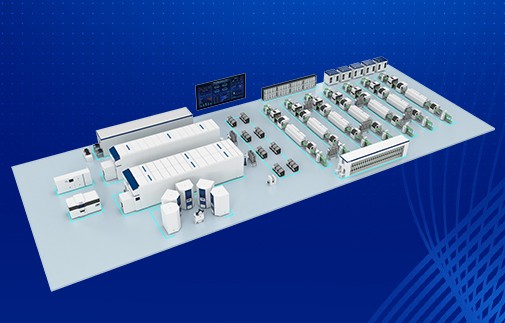
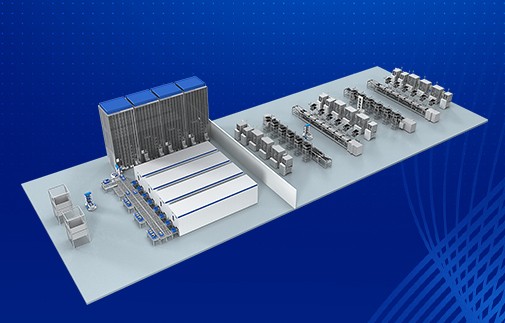
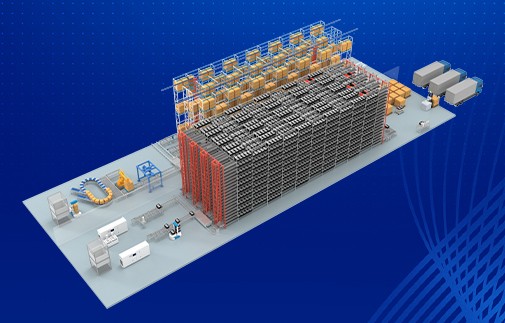
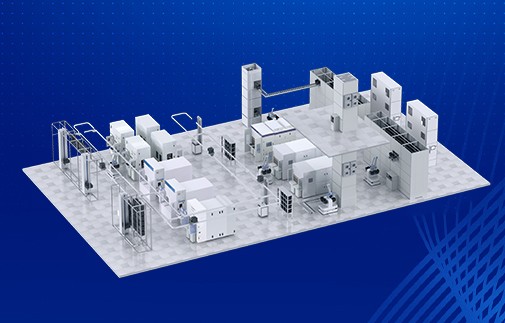
In response to the rapidly advancing landscape of modern industrial warehousing, PassionIOT offers a range of smart warehouse solutions.
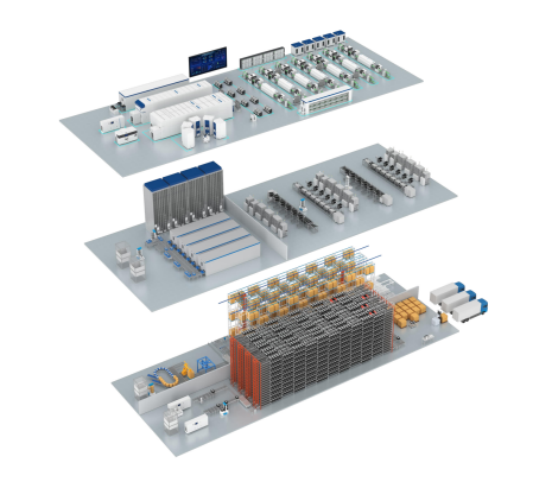
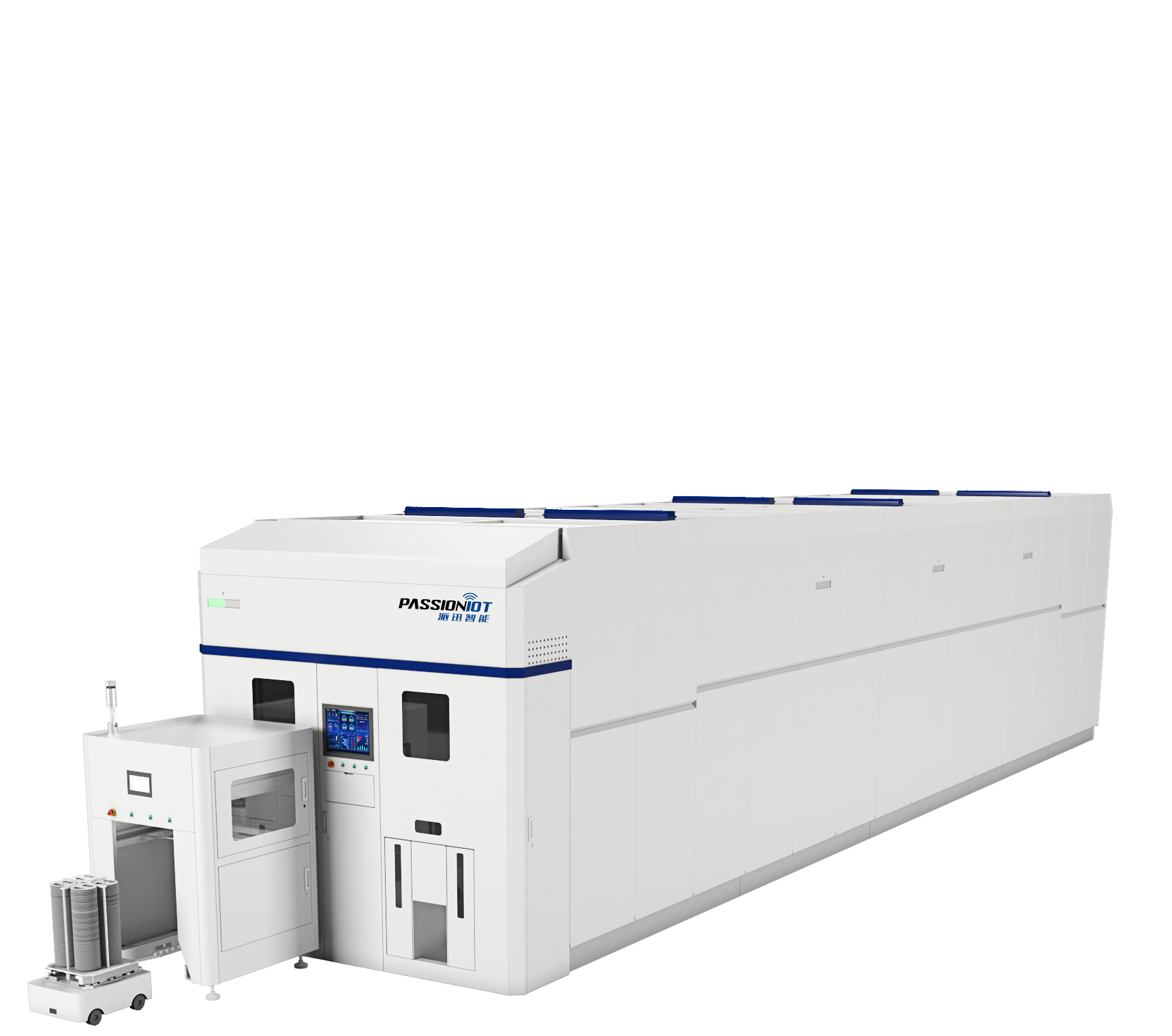
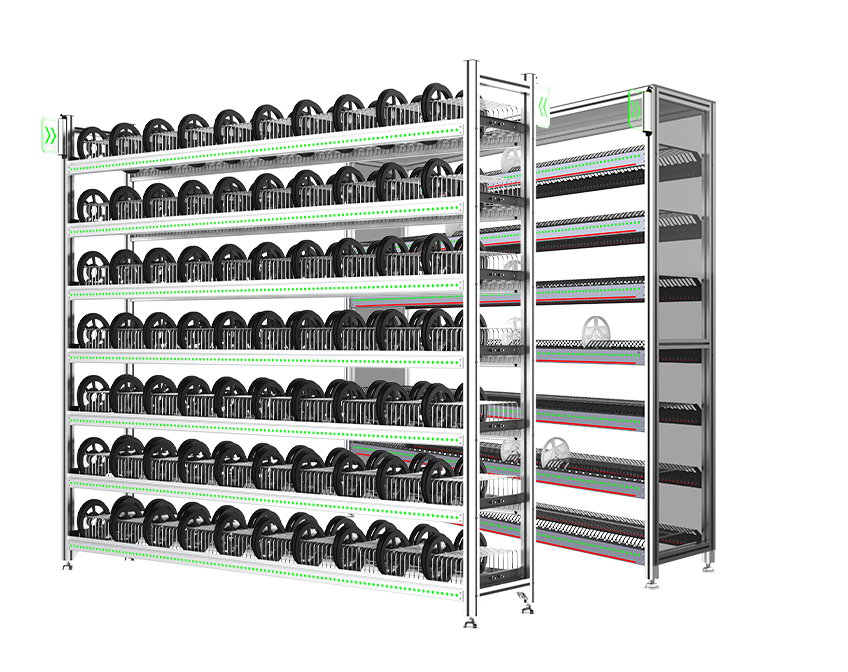
SMD Smart Warehouse
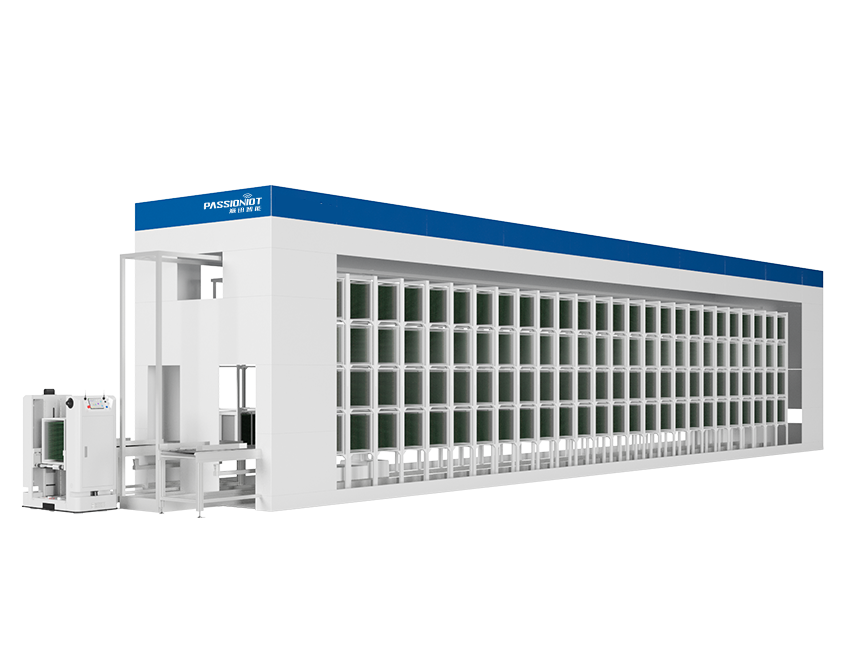
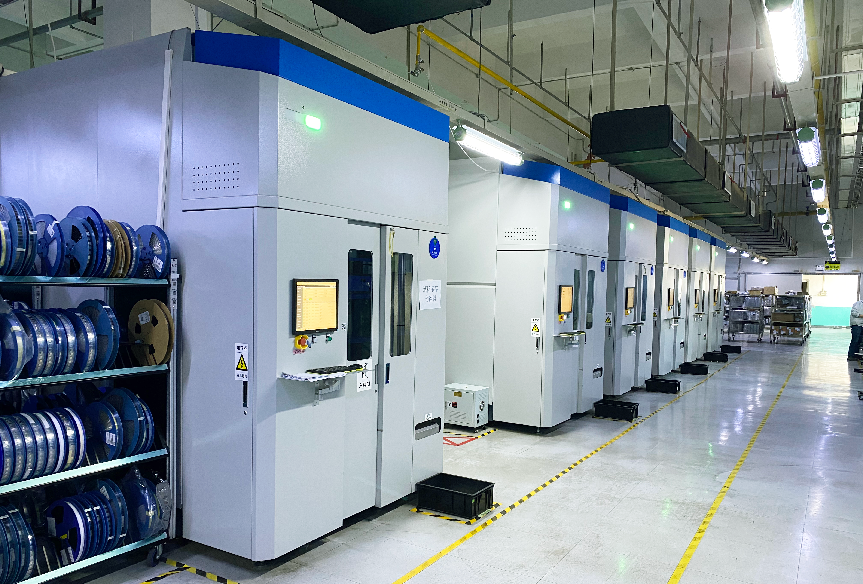
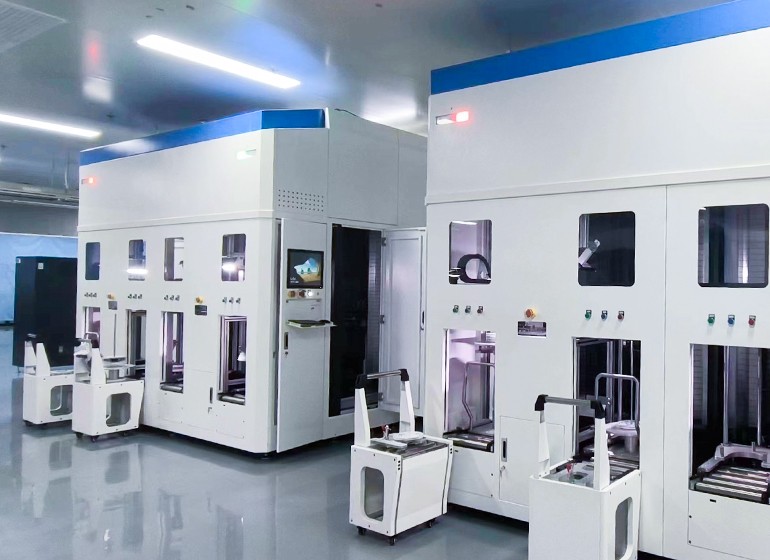
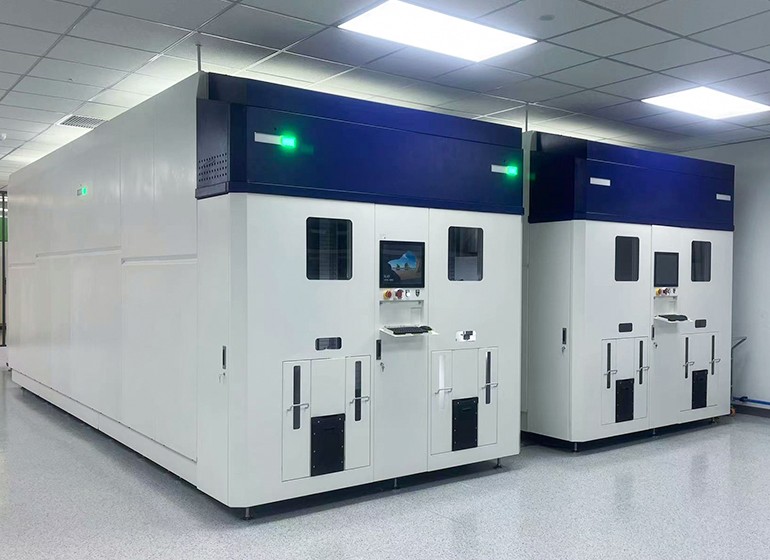
The SMD Smart Warehouse delivers automated, high-density storage for component reels. Its storage modules increase inventory density by more than 45%, allowing factories to store significantly more materials within the same footprint.
The modular structure also supports flexible expansion, enabling manufacturers to gradually scale their warehouse capacity as production needs grow.
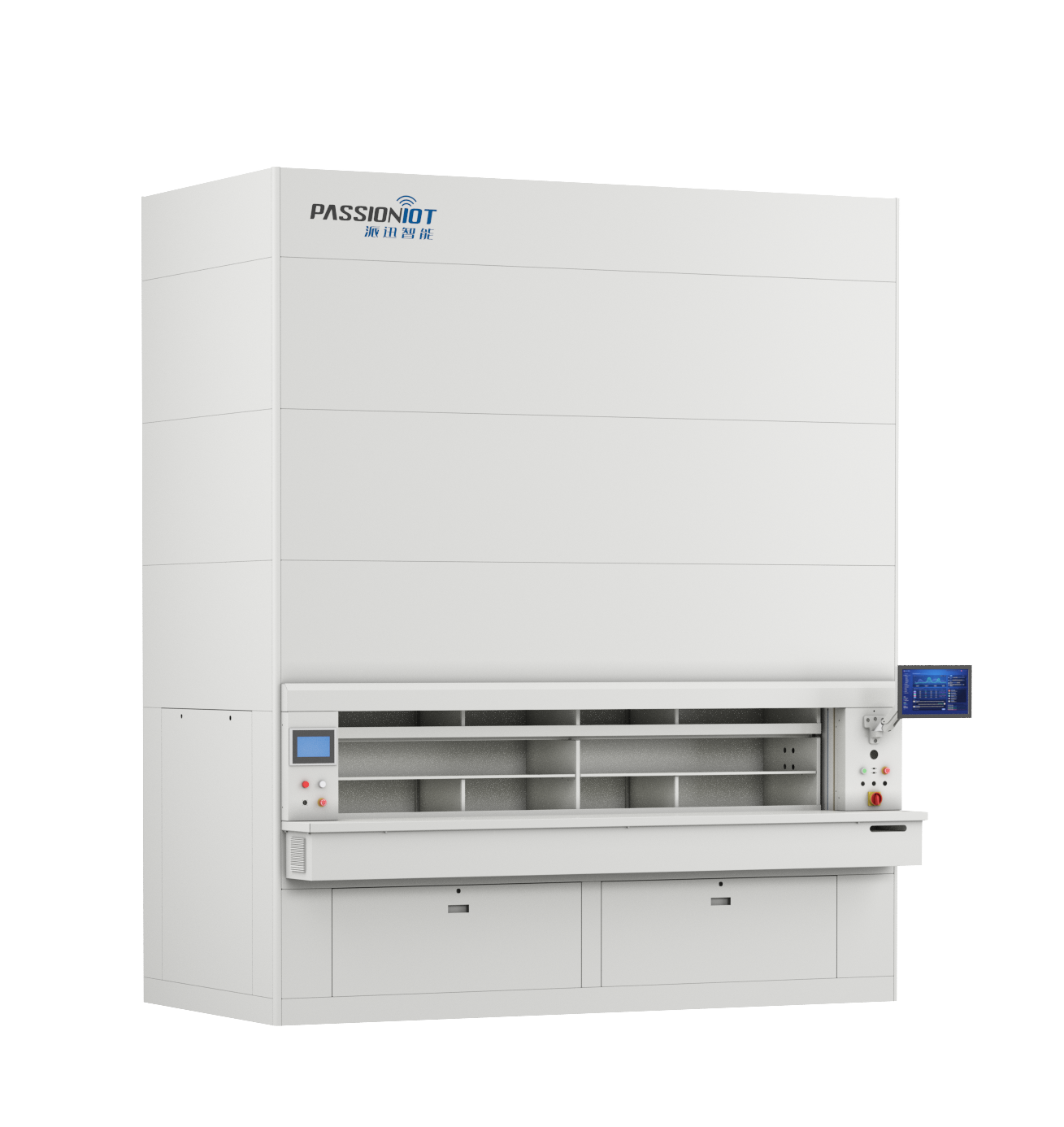
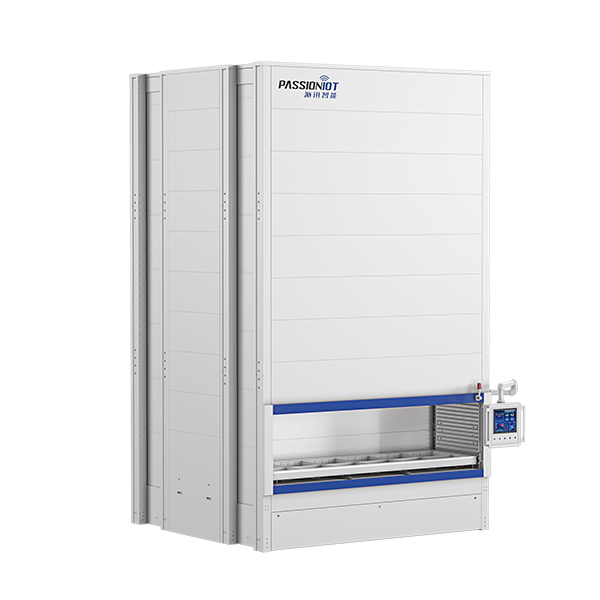
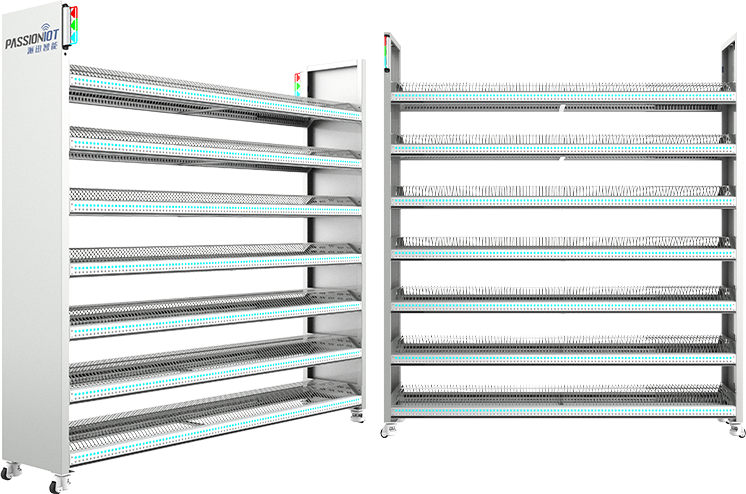
SMD Smart Tower
For line-side storage, the SMD Smart Tower places materials closer to the production line. A 7-inch tower can store approximately 1,400 reels within just 0.8 m², making it suitable for environments where floor space is limited and fast material access is required.
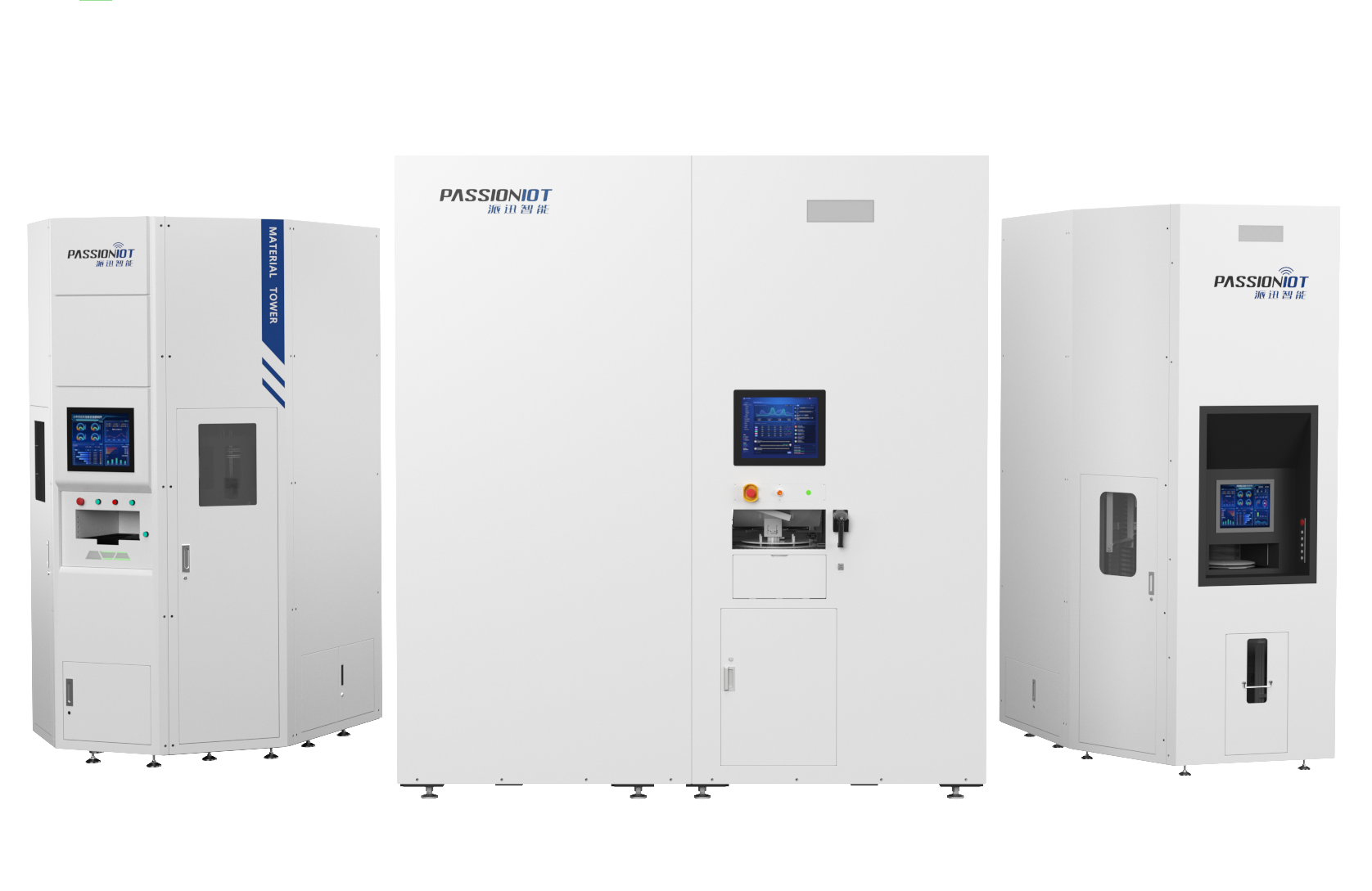
X-Ray Reel Counter
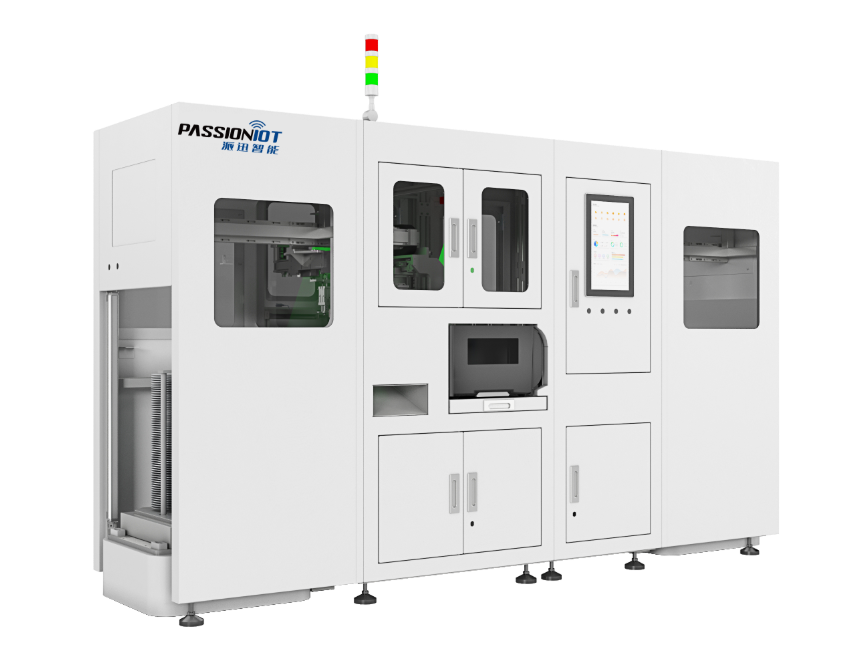
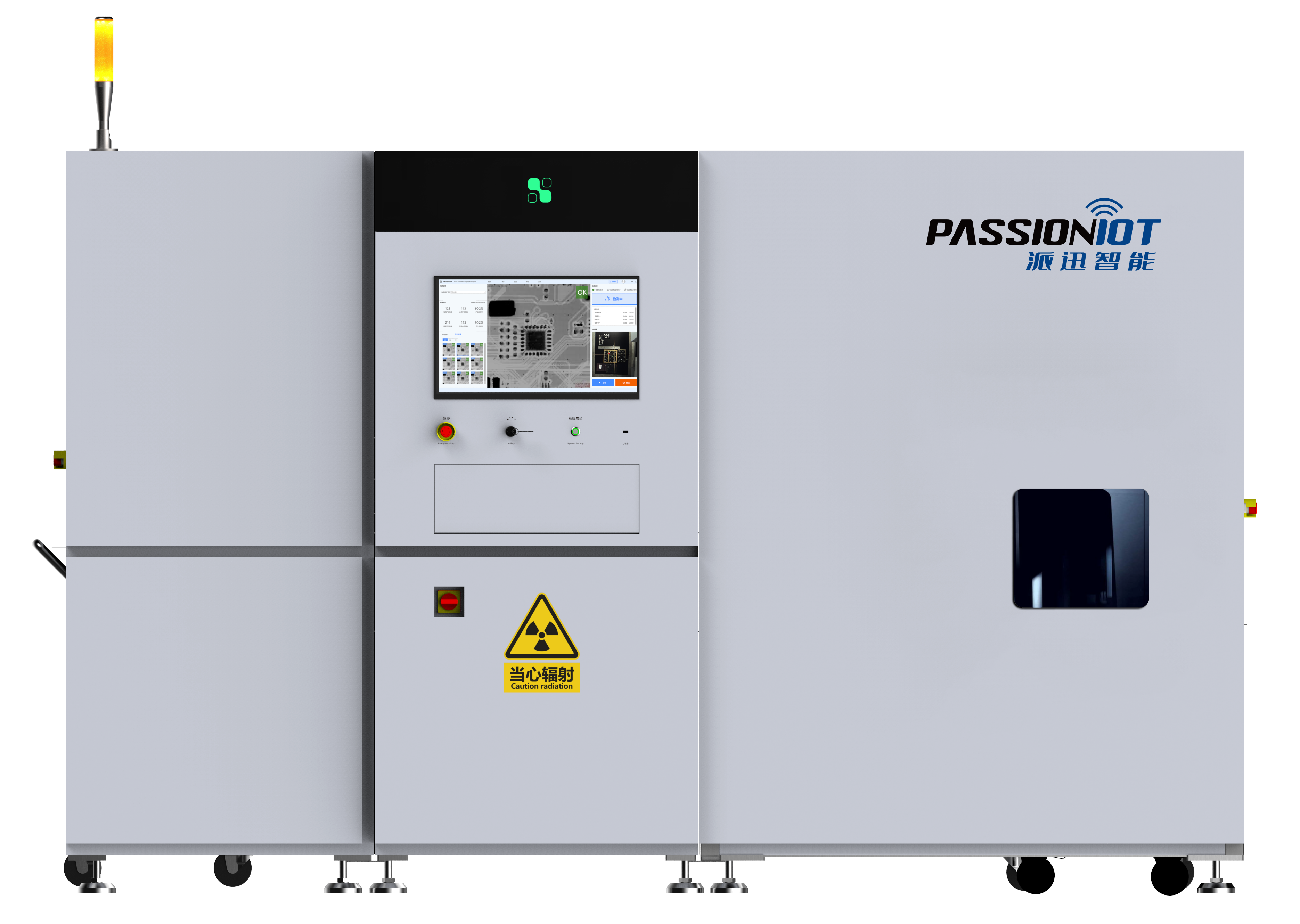
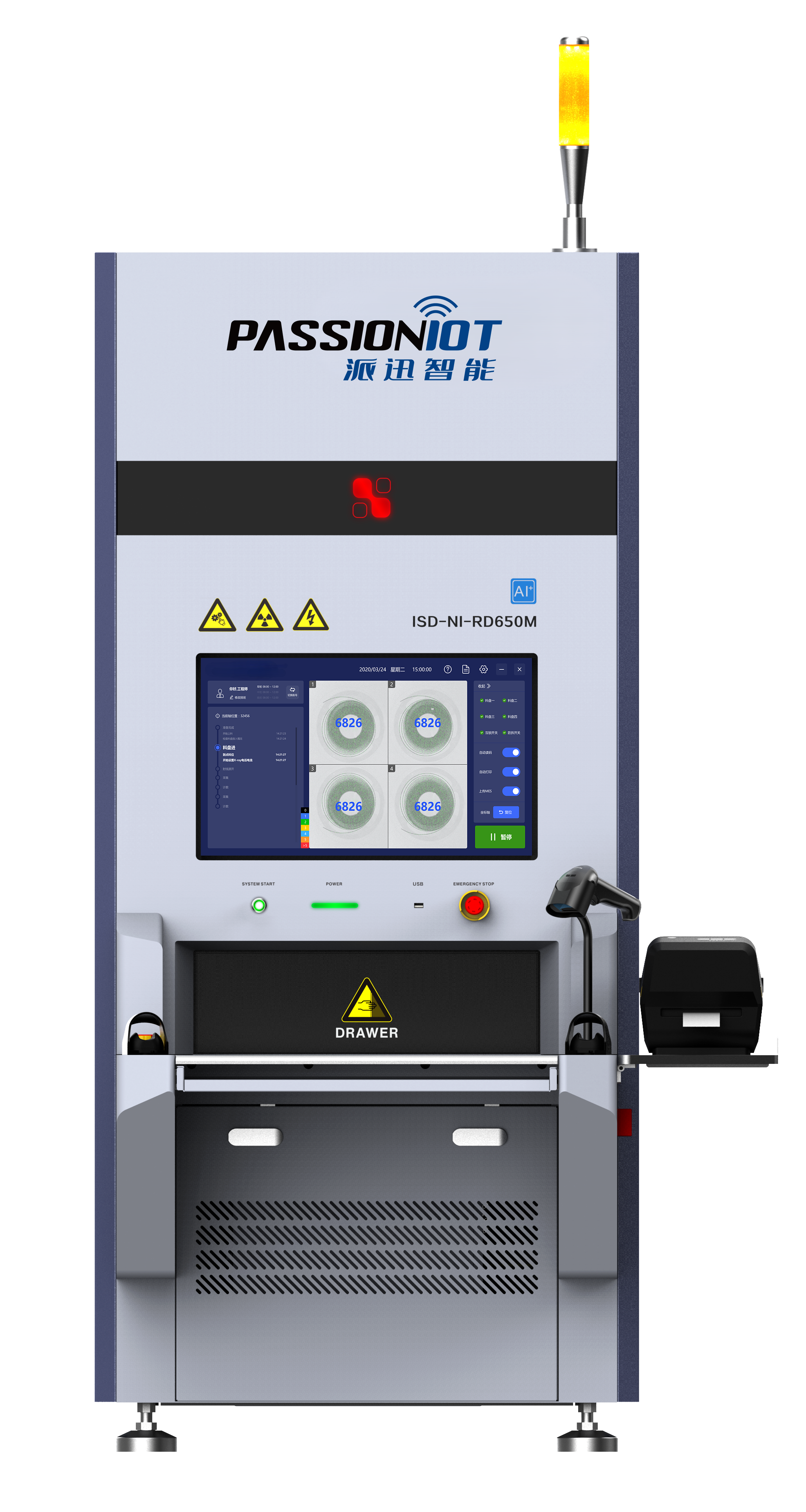
To improve inventory accuracy, the X-Ray Reel Counter enables fast and precise counting of remaining components on partial reels. By accurately measuring remnant quantities in seconds, the system helps eliminate manual counting errors and maintain reliable inventory records.
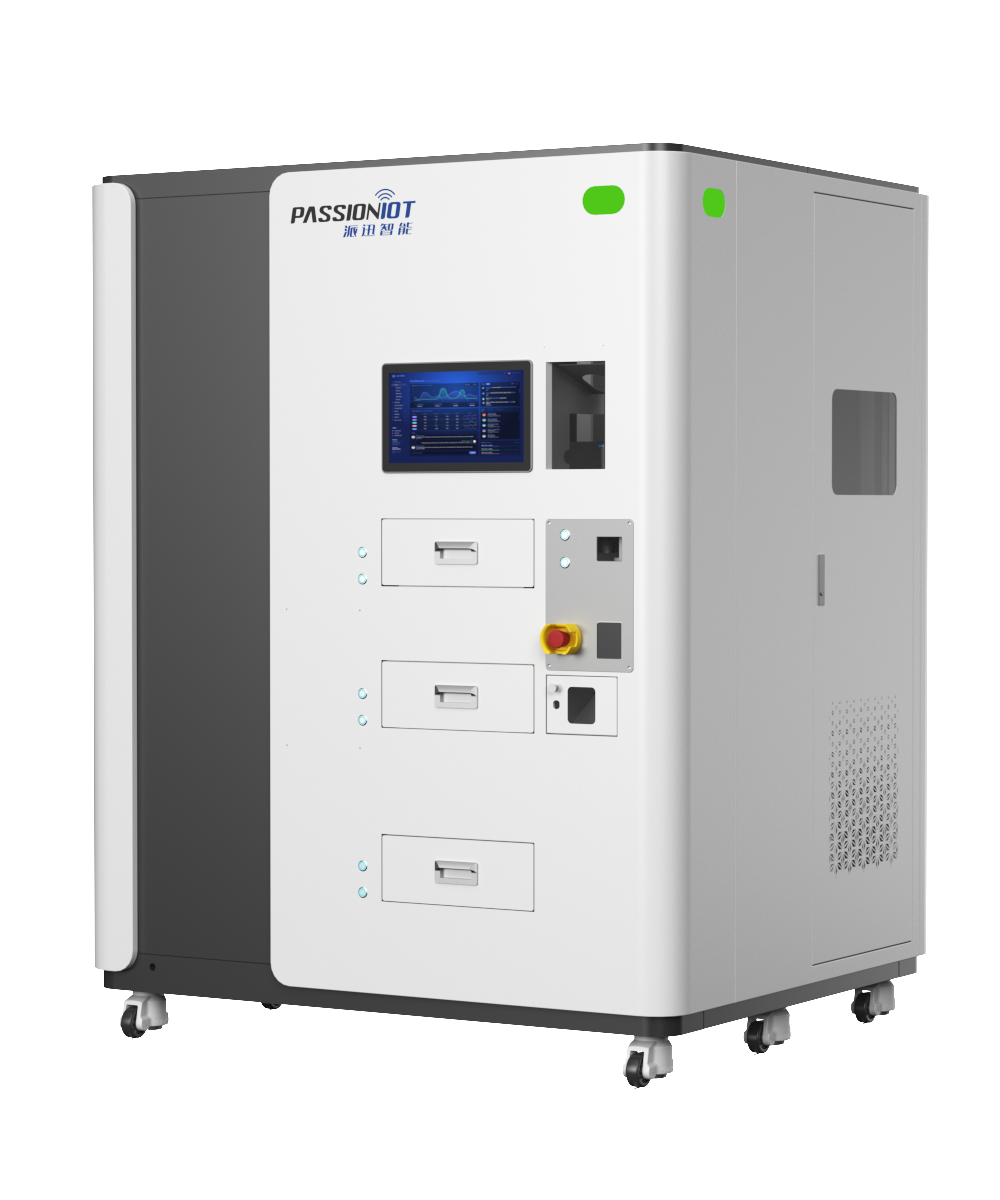
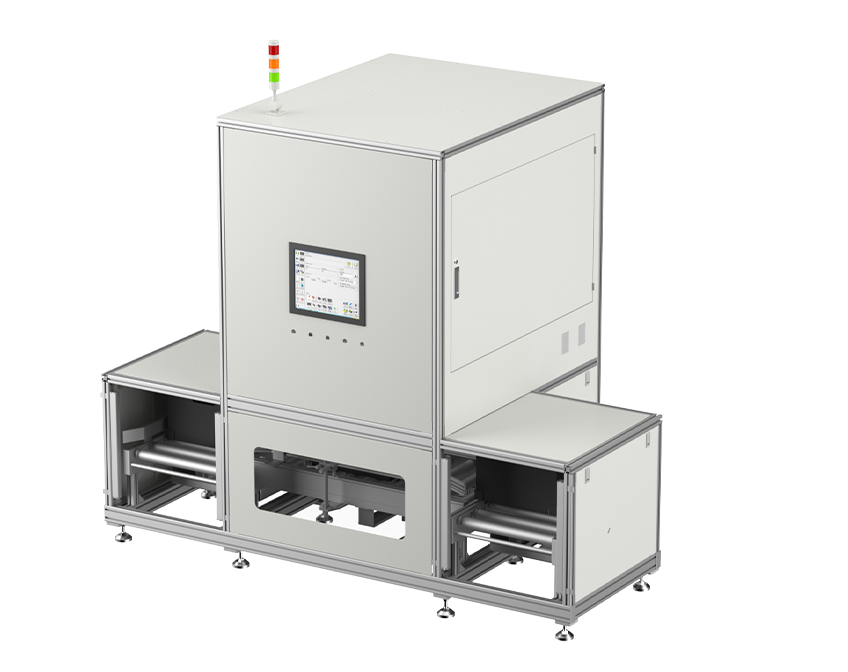
Automatic Labeling Machine
Our Automatic Labeling Machine supports rapid identification of component reels. Each reel can be labeled within 6 to 8 seconds, and a unique UID is assigned to enable full traceability throughout the production process.
Conclusion
In today's manufacturing landscape, warehousing has become the backbone of production agility.
With PassionIOT's smart warehouse solutions, manufacturers can break free from legacy constraints and build a logistics infrastructure that truly drives competitive advantage.
Reference
[1] Available at:https://www.researchandmarkets.com/reports/5939136/warehousing-storage-market-report
[2] Available at:https://www.mordorintelligence.com/industry-reports/smart-warehousing-market





 Home
Home