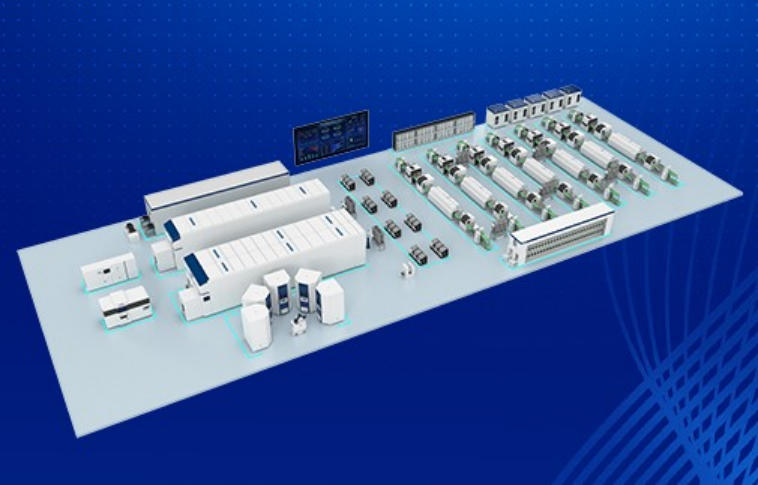
In the rapidly evolving landscape of electronics manufacturing, the industry is witnessing a significant shift from mass production to mass customization. For many manufacturers, the challenge has moved away from simply running a single product for weeks at a time to managing high-mix, low-volume (HMLV) production environments. In this scenario, the efficiency of an SMT machine is no longer measured solely by its maximum placement speed, but by its agility and ability to minimize downtime during frequent product changeovers.
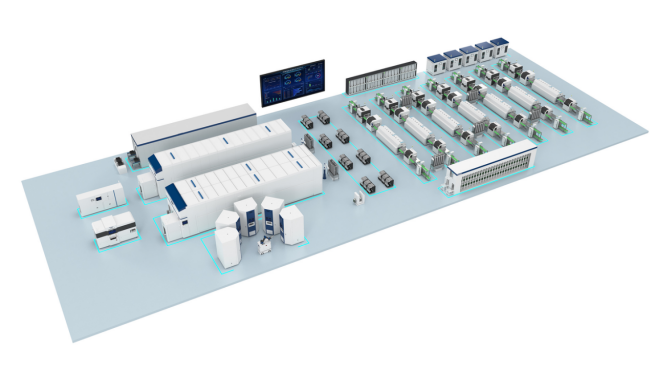
Understanding the Challenges of HMLV Production
High-mix, low-volume production is characterized by a high number of unique assemblies produced in small quantities. This environment places immense pressure on the production floor because the time spent setting up the SMT equipment can often exceed the time spent actually assembling the boards. To maintain profitability, manufacturers must find ways to reduce these "non-value-added" intervals.
The primary bottlenecks in HMLV environments include feeder setup, component verification, and the physical reconfiguration of the line. If a factory produces twenty different board designs a day, even a thirty-minute setup time per batch results in ten hours of lost production. Therefore, optimization strategies must focus on both hardware flexibility and the intelligent software layers that orchestrate the workflow.
Strategic Optimization for SMT Equipment
To optimize SMT equipment for high-mix scenarios, a multi-faceted approach is required. It starts with the physical configuration of the machines and extends into the digital management of the component inventory.
1. Intelligent Feeder Systems and Hot-Swapping
The most effective way to handle a high variety of components is through the use of "Smart Feeders." Unlike traditional feeders, smart feeders are equipped with unique IDs that communicate with the machine's central software. This allows for "hot-swapping," where feeders can be loaded or removed while the machine is running other tasks. When a feeder is plugged in, the system automatically recognizes the component type and quantity, eliminating the need for manual data entry and drastically reducing the risk of human error during setup.
2. Common Setup and Family Grouping
Another powerful strategy is the "Common Setup" method. By analyzing the Bill of Materials (BOM) across various products, manufacturers can identify a "common core" of components used in multiple assemblies. These parts are permanently assigned to specific slots on the SMT machine, meaning only a small fraction of the feeders need to be changed between different jobs. When combined with "Family Grouping"—scheduling products with similar component profiles back-to-back—the physical labor required for changeovers is slashed.
3. Rapid Software-Driven Calibration
In an HMLV setting, the software must be as capable as the hardware. Advanced SMT solutions utilize offline programming tools that allow engineers to prepare the next job's placement program while the current job is still running. Once the current batch is finished, the new program is pushed to the machine instantly. Furthermore, automated nozzle changers and vision systems that can self-calibrate for different component geometries ensure that the machine is ready for a new product with minimal manual intervention.
Improving Material Flow and Traceability
In a high-mix environment, the "invisible" work of material management is often where the most time is lost. Finding the specific reel for the next job among thousands of inventory items can paralyze a production line. Optimization, therefore, must extend beyond the placement head and into the warehouse.
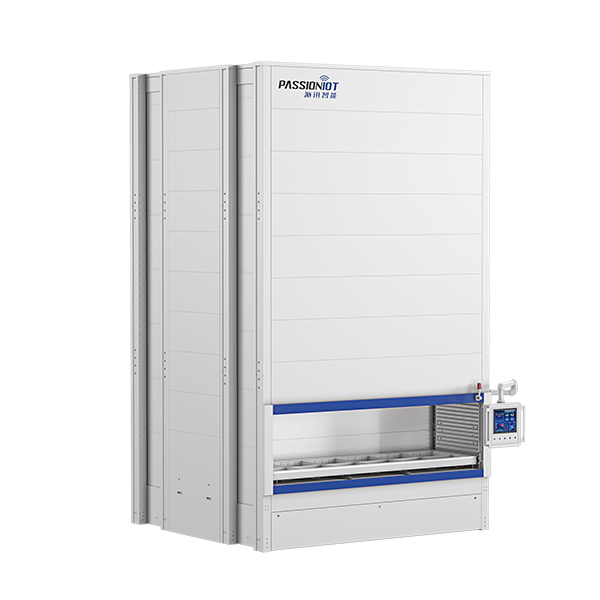
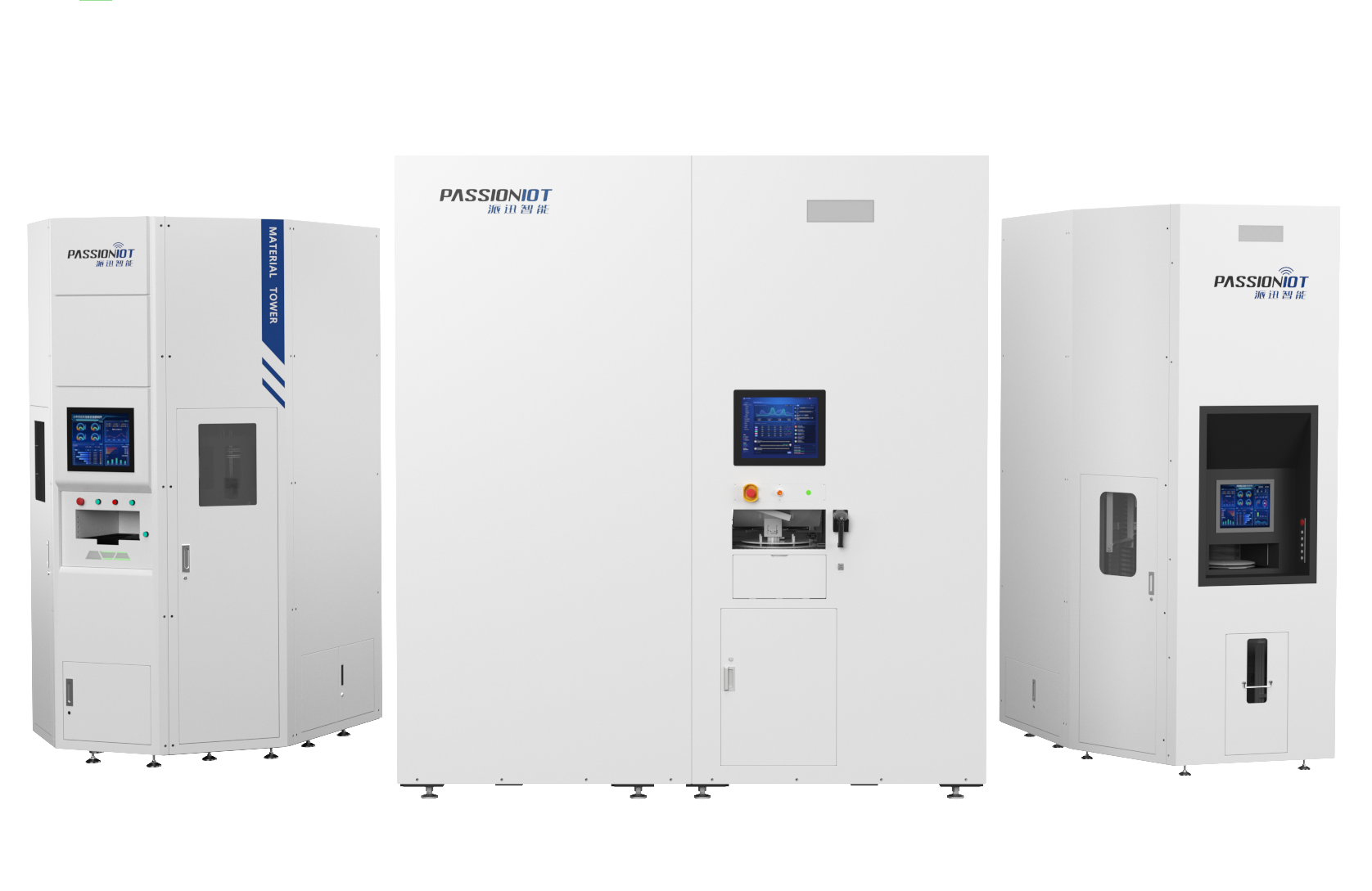
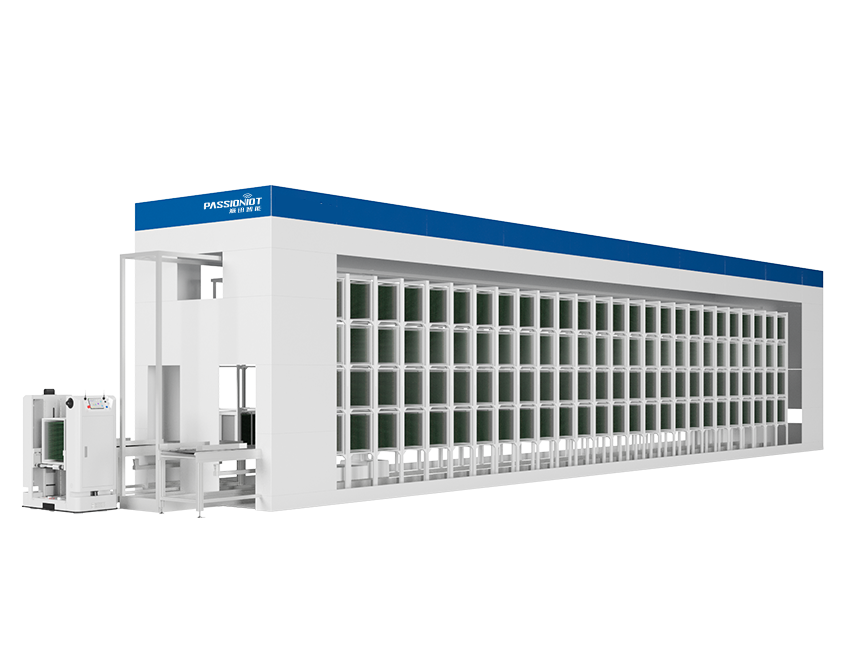
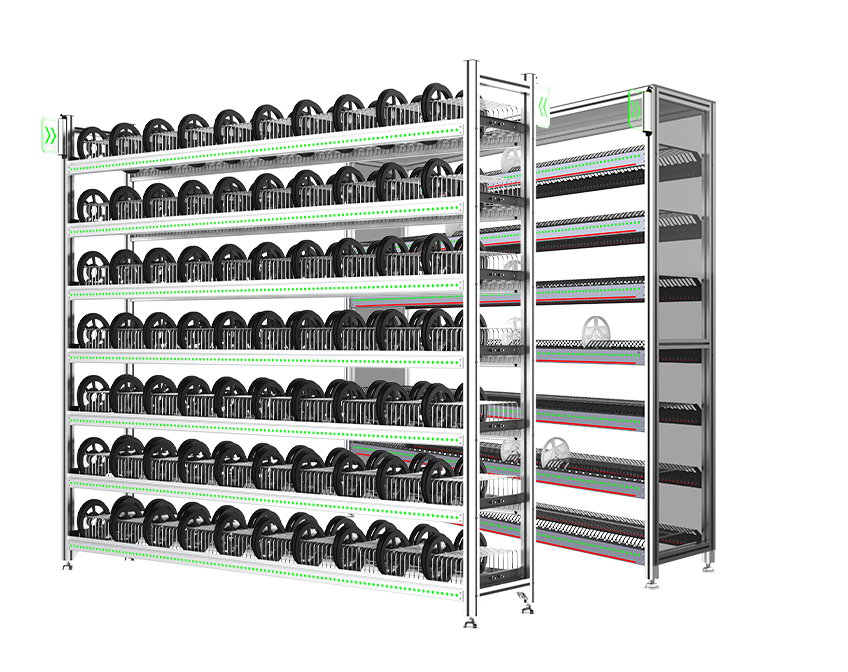
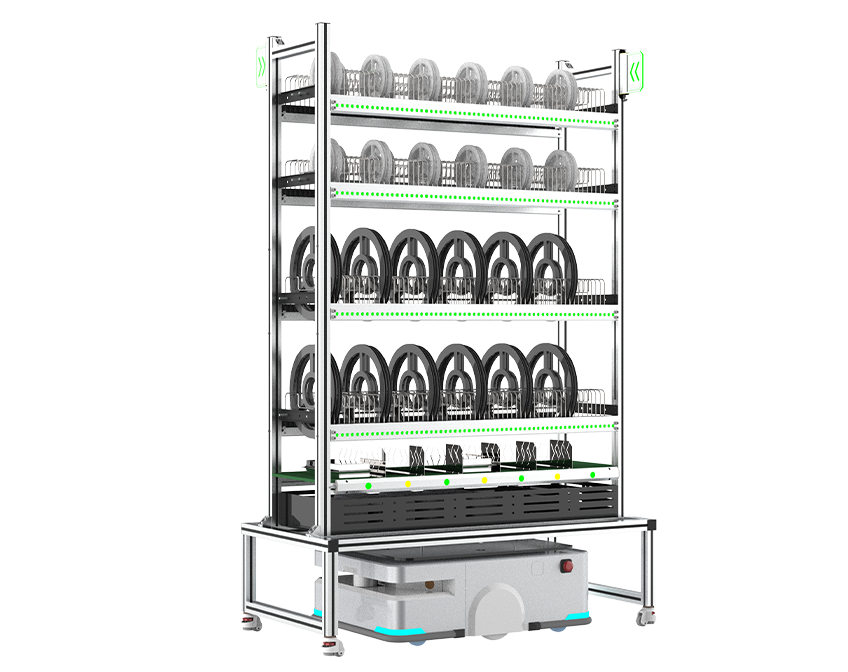
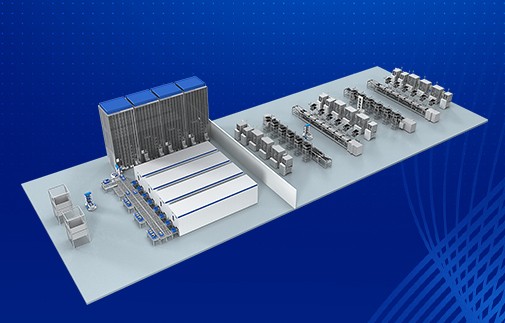
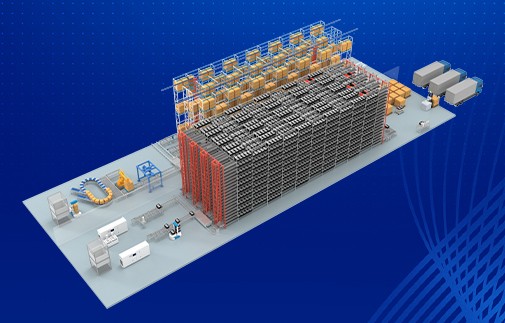
Integrating the production line with an automated storage system ensures that components are delivered to the line exactly when needed. This "Just-in-Time" delivery, powered by real-time data from the factory floor, prevents the SMT line from idling. Moreover, full traceability is essential; in HMLV, where many different clients may be served, knowing exactly which component batch went onto which board is a critical quality and compliance requirement.
Future-Proofing with Advanced SMT Solutions
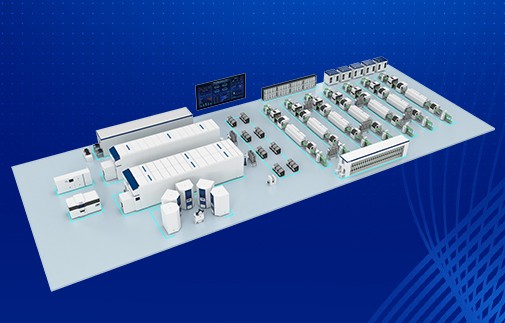
As the demand for customization grows, the role of specialized technology providers becomes more critical. This is where PassionIOT excels, providing a bridge between traditional manufacturing and the "Smart Factory" of the future. While many providers focus solely on the placement speed of the hardware, PassionIOT takes a holistic view of the production ecosystem, focusing on the logistical and data-driven challenges that define high-mix manufacturing.
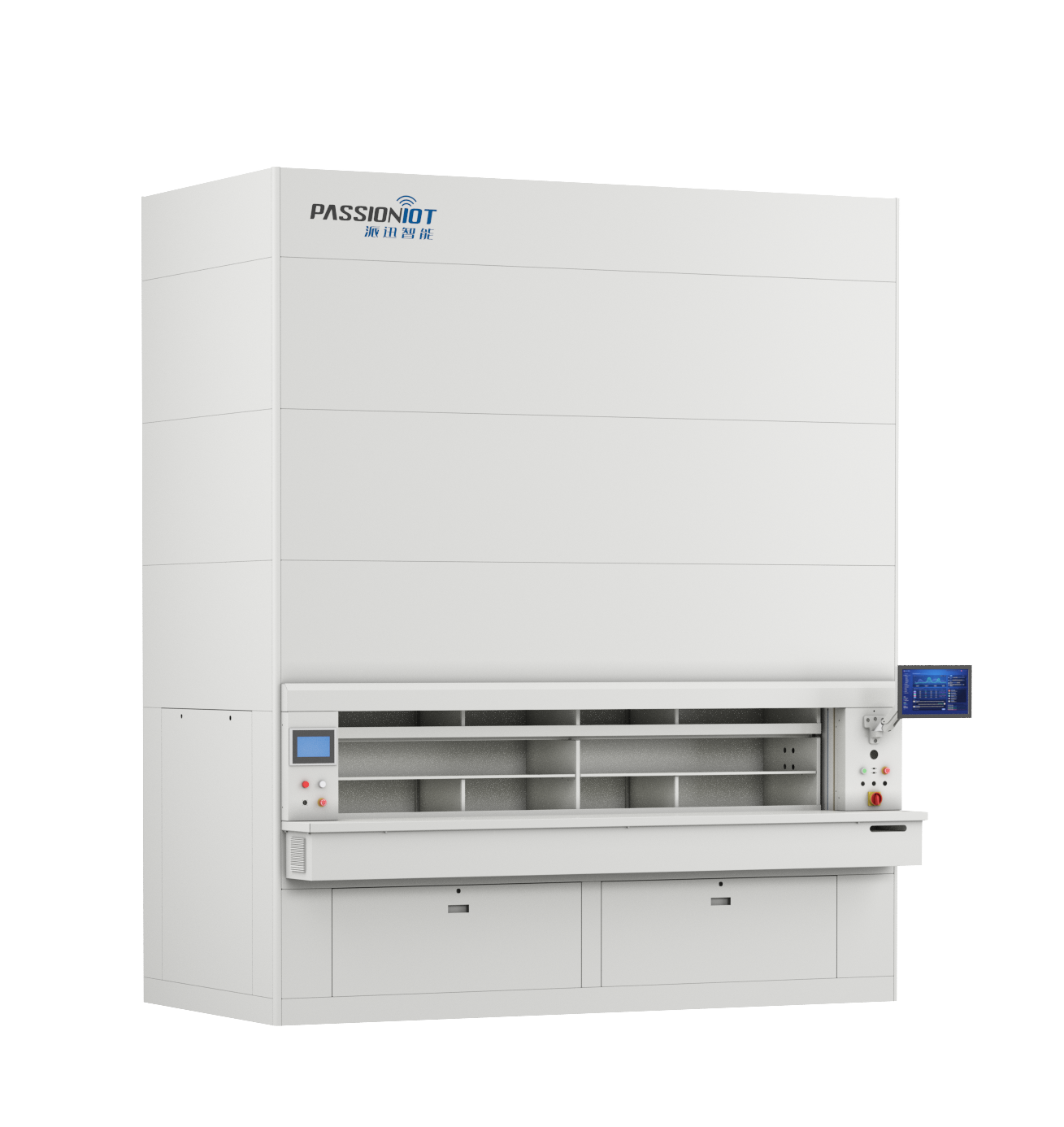
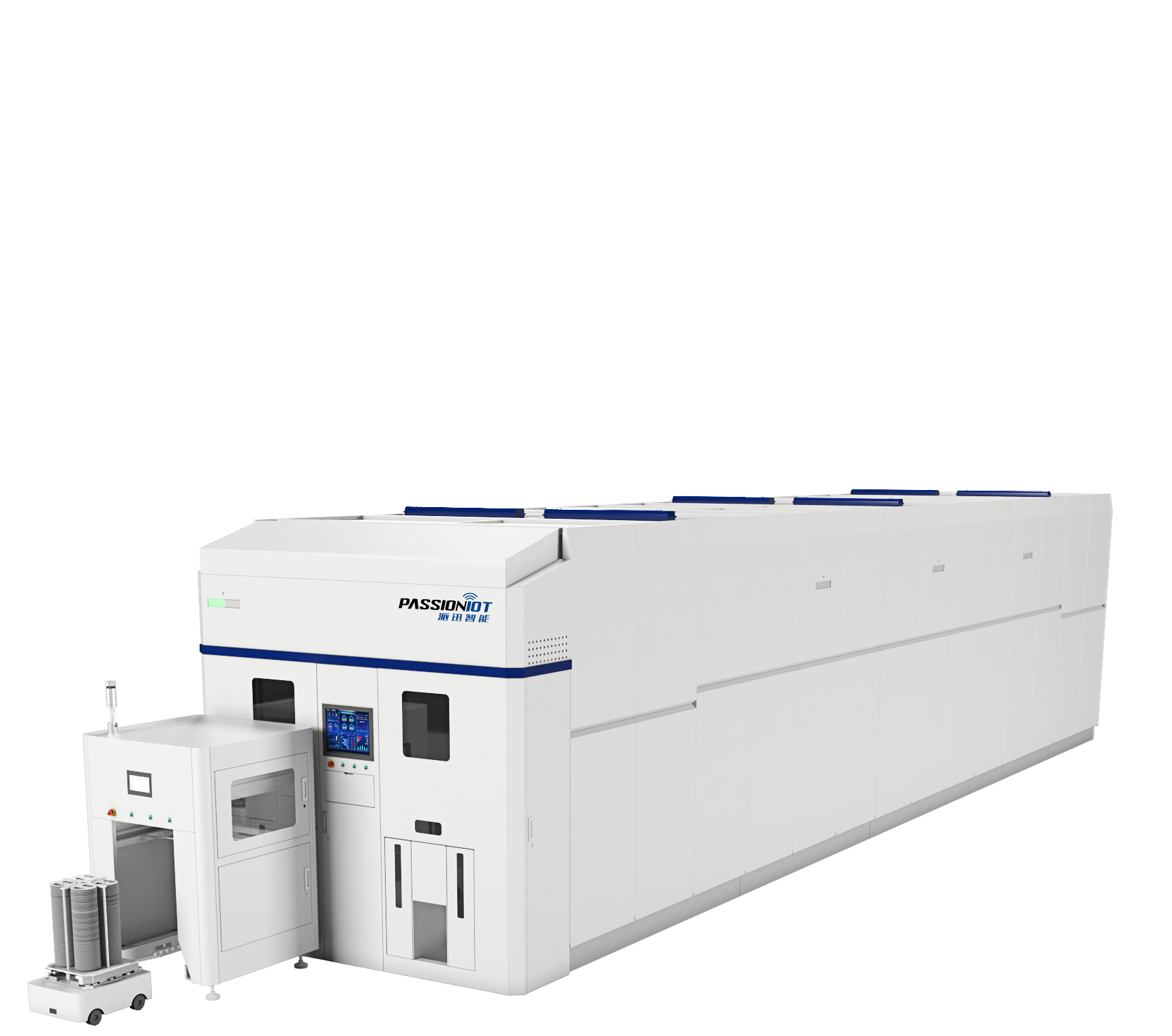
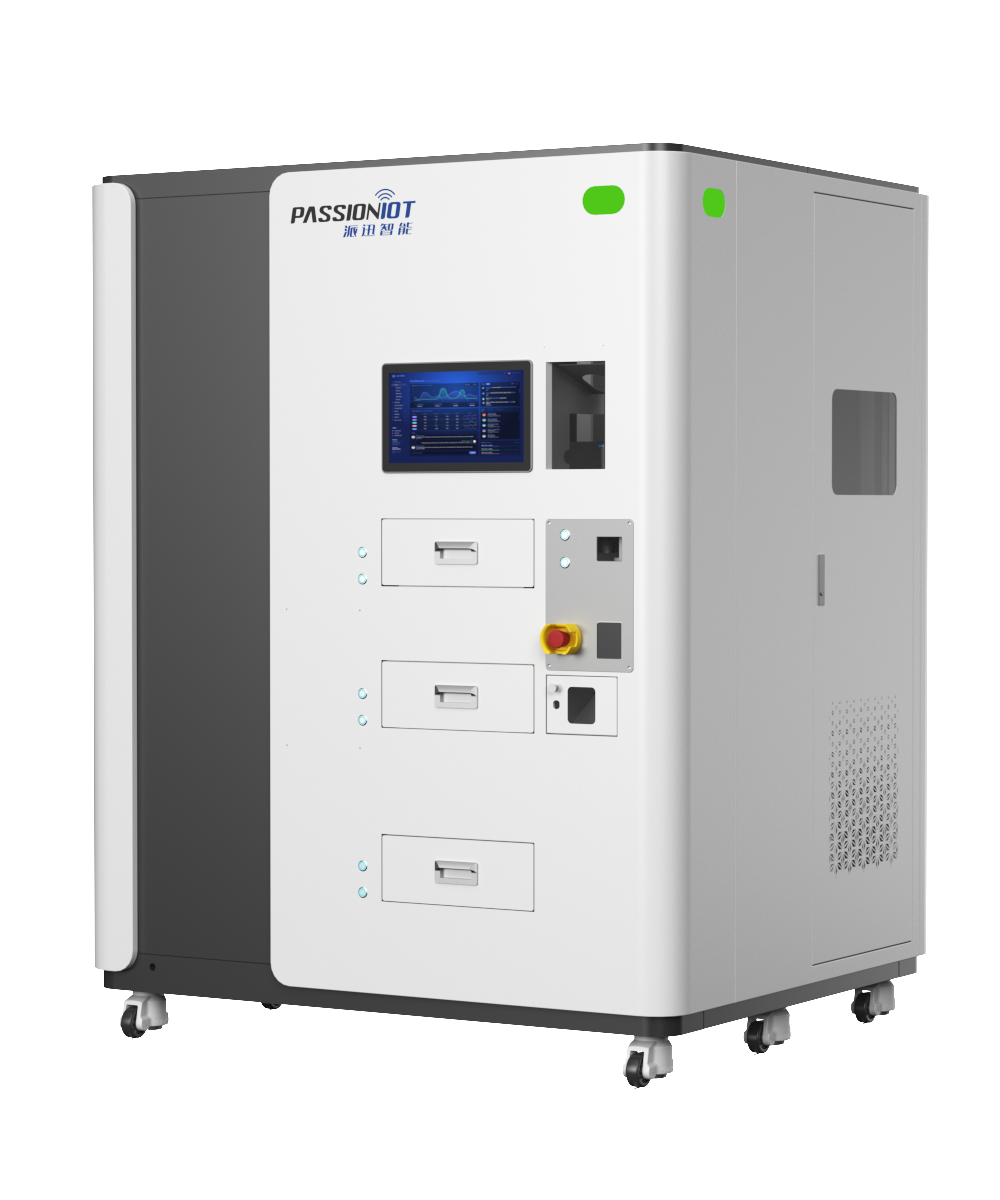
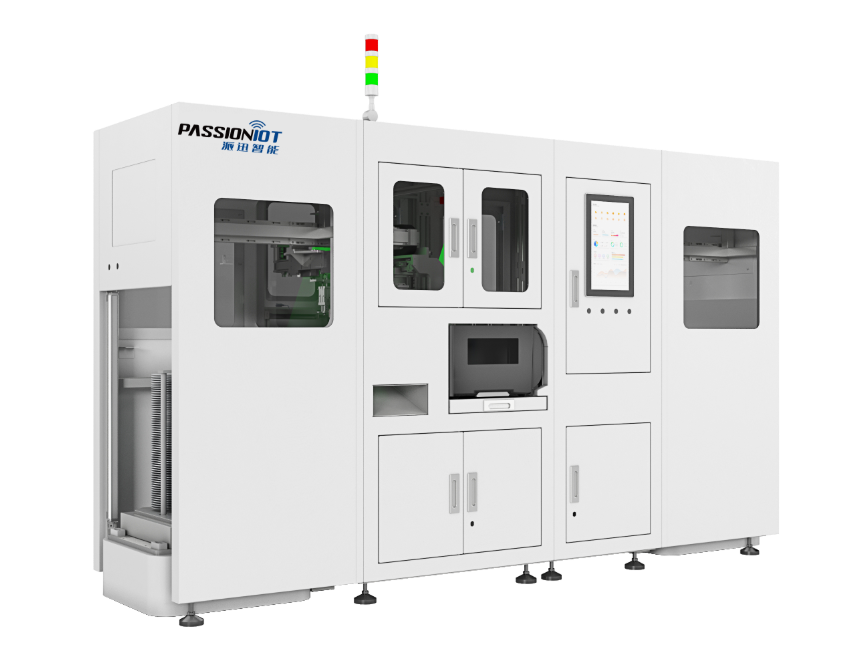
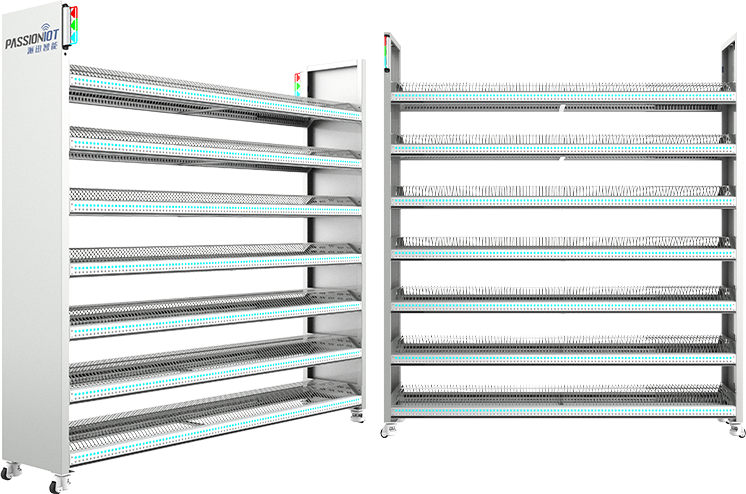
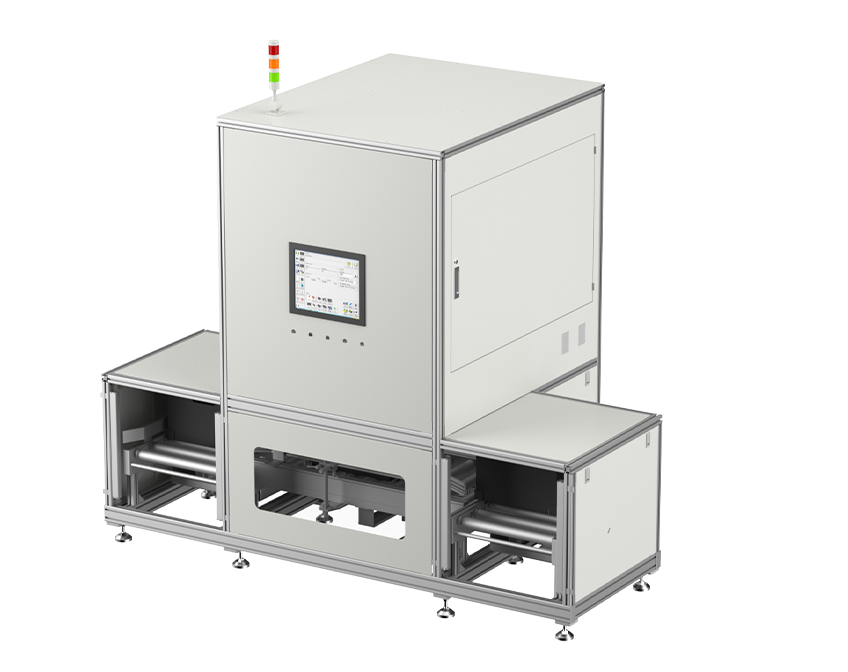
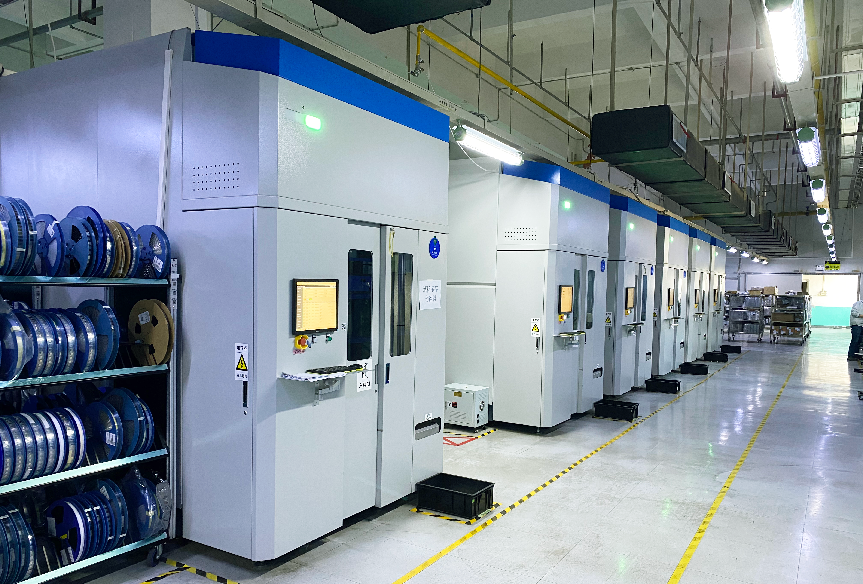
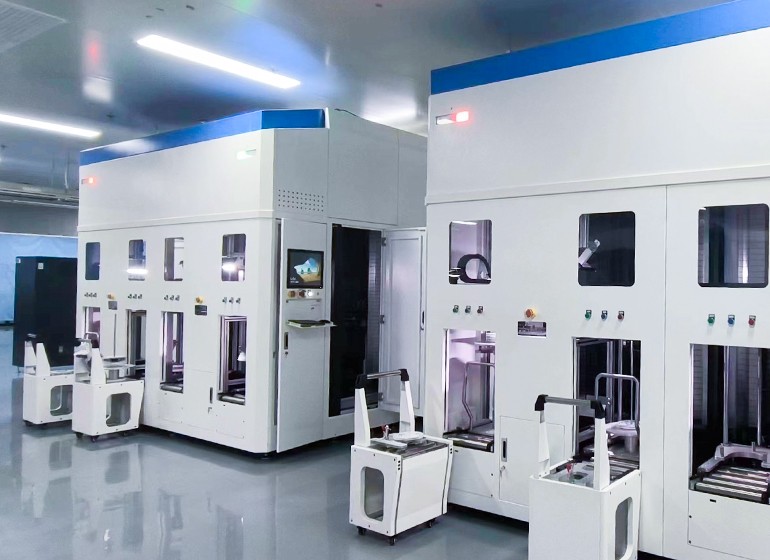
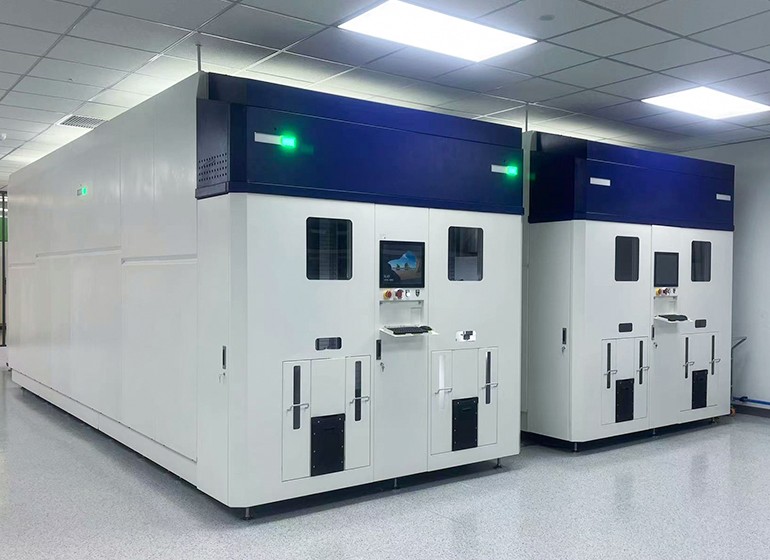
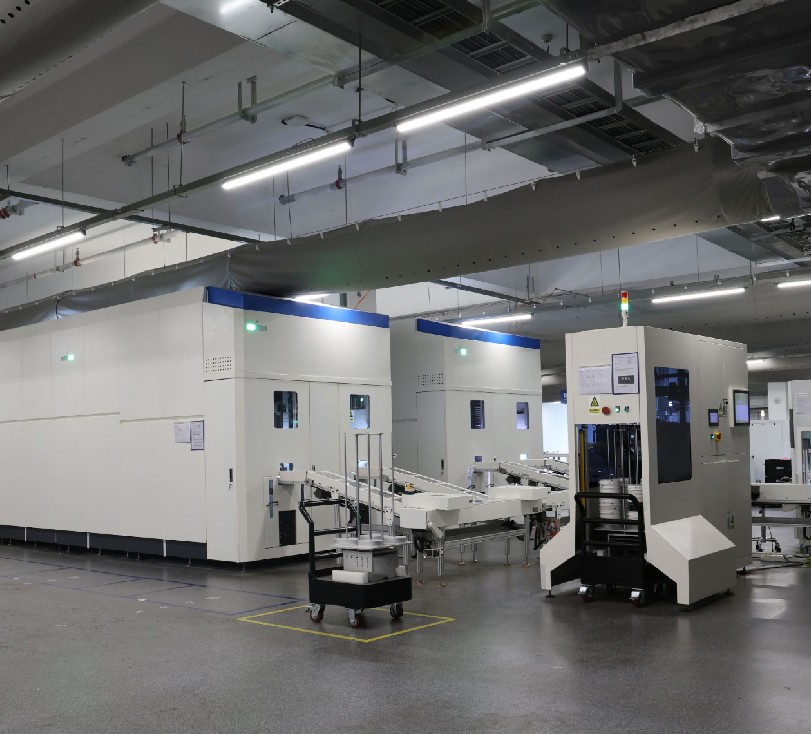
PassionIOT’s range of SMT solutions is specifically engineered to eliminate the chaos often associated with complex production schedules. By focusing on intelligent line-side storage and automated material handling, they allow manufacturers to transition between jobs with unprecedented speed. Their systems, such as the Smart SMD Side Storage and the AI-driven material management software, ensure that the right components are always staged and ready, effectively neutralizing the downtime usually associated with HMLV production.
The company's philosophy centers on "hardware standardization and software flexibility." This means that their SMT equipment and storage solutions are built to be robust and reliable, while their low-code software platforms allow for rapid customization to fit the unique workflow of any B2B client. For companies looking to scale their operations without being buried under the complexity of high-mix demands, PassionIOT offers a clear path forward. Their proven success in delivering turnkey projects for global electronics giants demonstrates that with the right integration of AI and automation, even the most complex production environments can achieve peak efficiency.
By partnering with an innovator like PassionIOT, manufacturers aren't just buying machinery; they are investing in a comprehensive framework that turns the challenge of high-mix, low-volume production into a competitive advantage.





 Home
Home