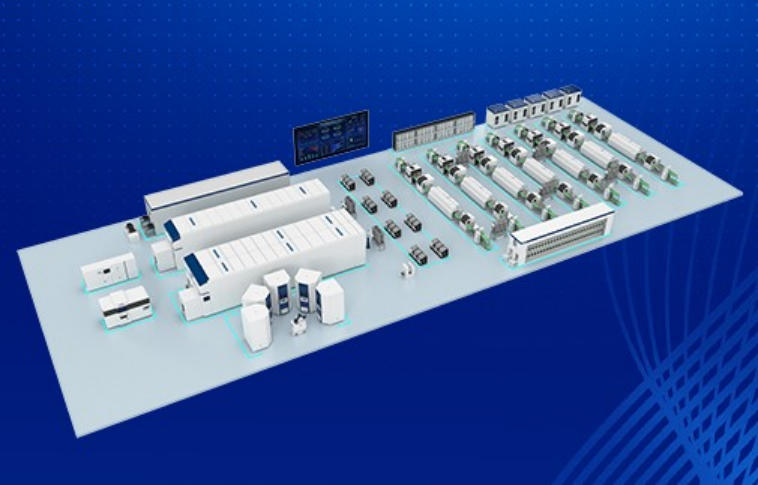
In semiconductor manufacturing, wafer storage plays a critical role in protecting delicate wafers and maintaining production quality. Even small issues in storage conditions can lead to contamination, damage, or reduced yield because semiconductor wafers are extremely sensitive to particles, humidity, and temperature changes.
So, modern wafer storage systems must ensure clean environments, precise handling, and reliable organization throughout the production process. From automated storage to controlled environments, every element must meet strict industry standards. Understanding the core requirements of wafer storage helps manufacturers maintain efficiency and safeguard product integrity. This ultimately allows them to improve overall semiconductor production performance and profitability.
What Physical Environment Is Required for Wafer Storage Systems?
1. Cleanliness
Environmental standards
Cleanliness is one of the most important requirements for wafer storage. Semiconductor wafers are extremely sensitive to dust, particles, and chemical contamination. Even microscopic particles can damage circuits and reduce product yield.
Therefore, semiconductor storage areas must follow strict cleanroom standards with controlled air filtration, temperature, and humidity. Maintaining these conditions ensures wafers remain safe and stable throughout the manufacturing process.
Equipment requirements
Storage equipment used in a semiconductor warehouse must also meet high cleanliness standards. Materials should produce minimal particles and be resistant to chemical contamination. Advanced racks, sealed carriers, and automated handling systems are often used in advanced storage solutions. These tools help maintain a clean environment while improving storage efficiency.
2. Micro-Vibration
Why is vibration critical?
Vibration can seriously affect the safety of stored wafers. Even small movements may cause wafer shifting, micro-damage, or misalignment. In wafer storage, stable structures and vibration-controlled systems are essential to protect these delicate materials. Many modern smart warehouse systems include vibration monitoring to maintain safe conditions.
VC-D/E Levels
Semiconductor facilities typically follow strict vibration control standards such as VC-D or VC-E levels. These standards define the acceptable vibration limits for sensitive manufacturing environments. Meeting these levels ensures that semiconductor storage areas remain stable enough to protect wafers and support precise production processes.
How Does a Nitrogen Micro-Environment Prevent Wafer Oxidation?
Why Nitrogen Purging?
Metal layers on wafer surfaces, such as copper and aluminum, are highly sensitive to oxygen. If they are exposed to air for long periods, these metals can oxidize. This oxidation forms thin oxide layers that may increase electrical resistance and affect circuit performance. It can also lead to device failure.
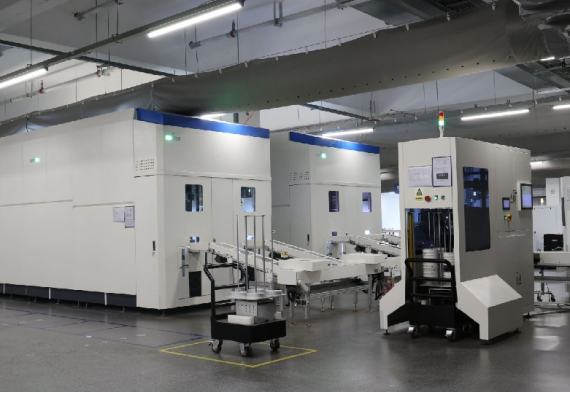
To prevent this problem, nitrogen purging is widely used in wafer storage systems. Nitrogen creates an inert atmosphere that limits oxygen exposure. Many advanced storage solutions in semiconductor facilities use nitrogen-controlled cabinets to protect wafers during storage and handling. This controlled environment helps maintain wafer quality during the storage process.
Technical Requirements
Effective nitrogen environments require strict control of oxygen and humidity levels. In most semiconductor warehouse environments, oxygen concentration must remain below 100 ppm. This limit helps minimize oxidation risks and protects delicate wafer surfaces.
Humidity control is also essential in wafer storage. Stable humidity prevents moisture adsorption on wafers, which can cause contamination or surface damage. Modern smart warehouse systems often integrate sensors to continuously monitor oxygen and humidity levels, ensuring a stable and safe storage environment.
How Can ESD Risks and Handling Errors Be Prevented?
ESD Protection
Electrostatic discharge (ESD) is a serious risk in wafer storage. Even a small static charge can damage delicate semiconductor structures on the wafer surface. The damage may not be visible, but it can reduce device reliability.
To prevent this, semiconductor storage facilities use strict ESD control measures. Anti-static materials are used for racks, carriers, and tools. Grounding systems and ESD-safe flooring are also common in a semiconductor warehouse. Many advanced storage solutions also use automated handling to reduce human contact and lower static risks.
Asset Tracking
Accurate tracking is essential in wafer storage because thousands of wafers move through the production process every day. Misplacement or handling errors can lead to delays and production losses.
Modern smart warehouse systems use RFID, barcode scanning, and automated software to track wafers in real time. In a semiconductor warehouse, these technologies improve efficiency and help maintain strict control throughout the storage process.
How Can Wafer Storage Improve Space Efficiency and Handling Flow?
Space Utilization
Cleanroom space in semiconductor facilities is very expensive, so efficient wafer storage is essential. Storage systems must maximize capacity while maintaining strict cleanliness standards.
Many advanced storage solutions use vertical racks and automated systems to increase capacity without expanding the cleanroom. In a semiconductor warehouse, smart layout planning helps reduce wasted space and improve overall storage efficiency.
Handling Path Optimization
Efficient movement of wafers is another key factor in wafer storage. Long or complex transport paths can slow production and increase the risk of handling errors.
A well-designed warehouse optimizes wafer transport routes between storage and production areas. Automated systems help reduce unnecessary movement and improve workflow. In a semiconductor warehouse, optimized handling paths support faster operations and safer semiconductor storage.
How Do PassionIOT Intelligent Solutions Enable Efficient Wafer Storage and Transport?
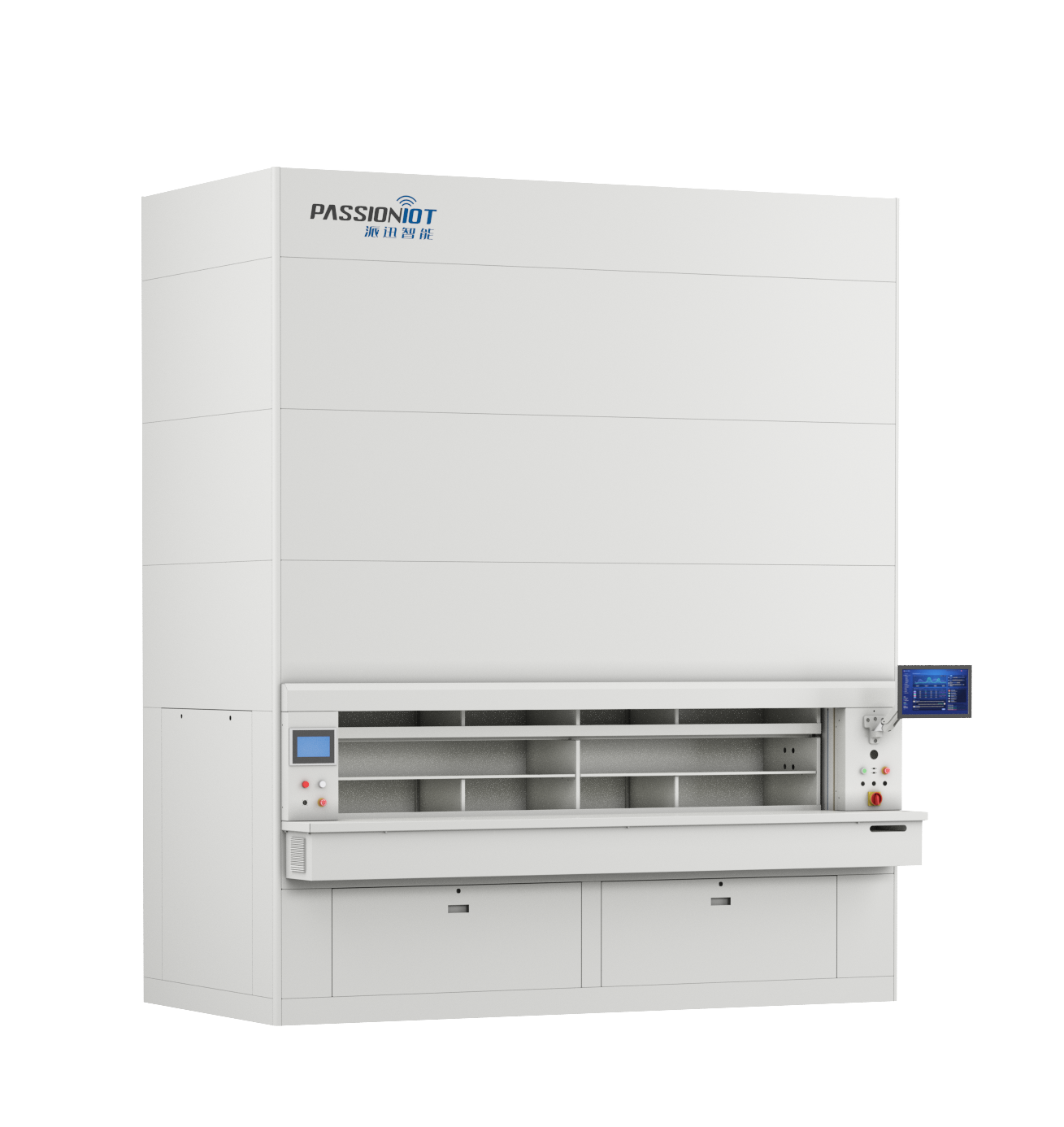
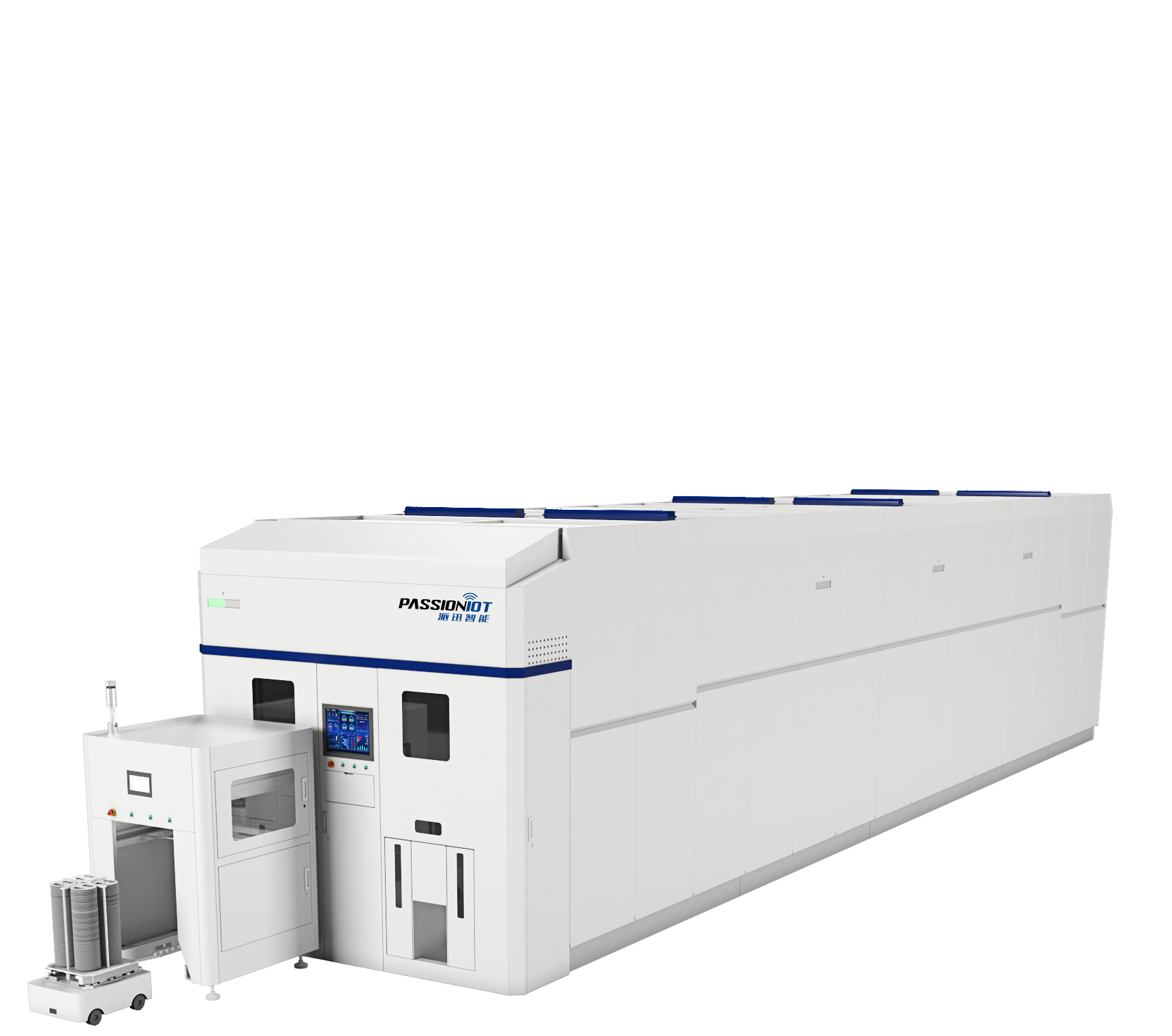
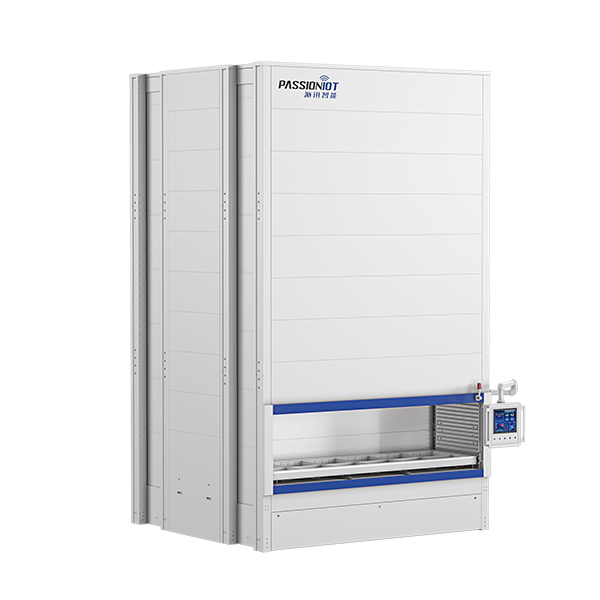
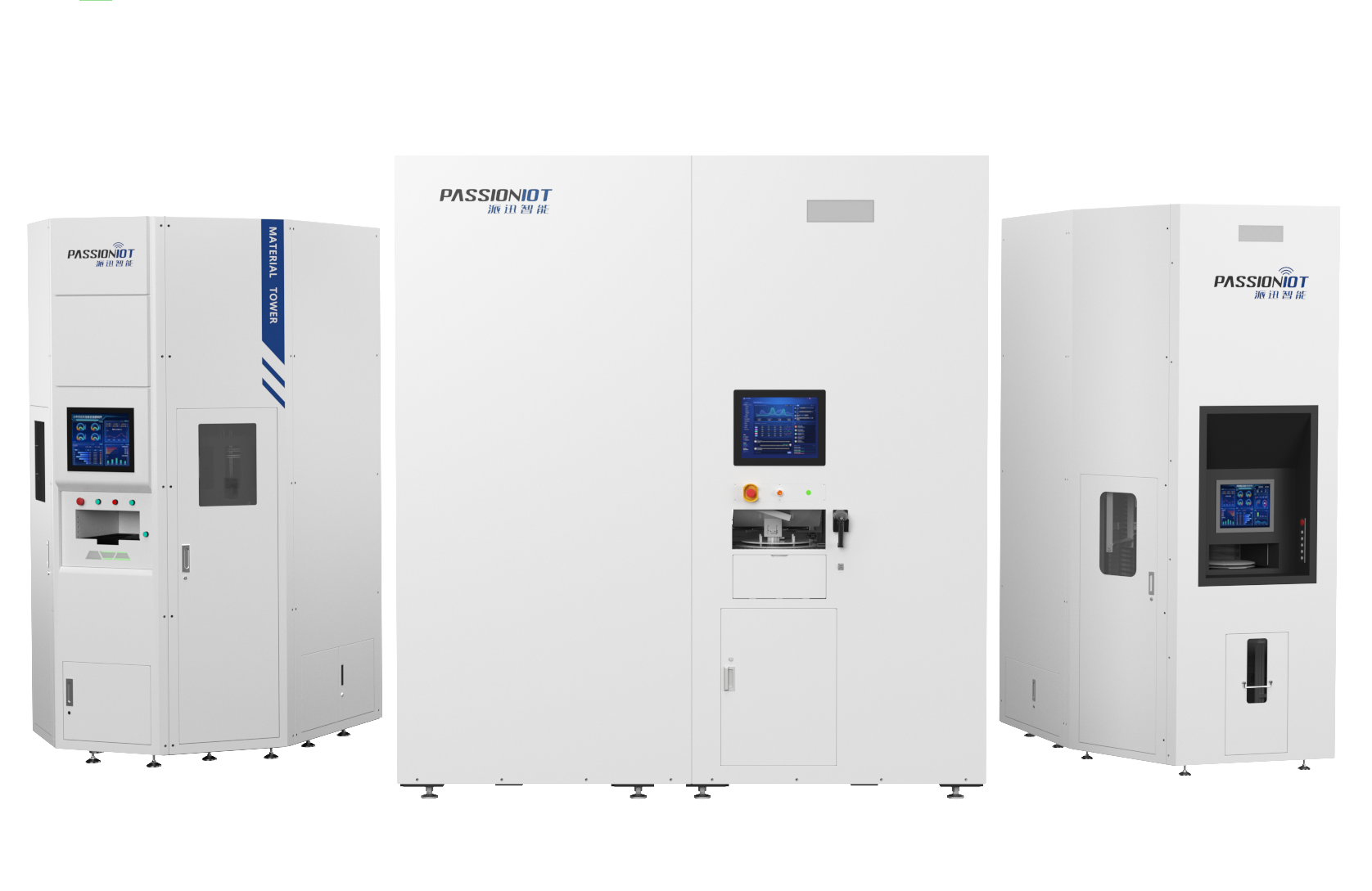
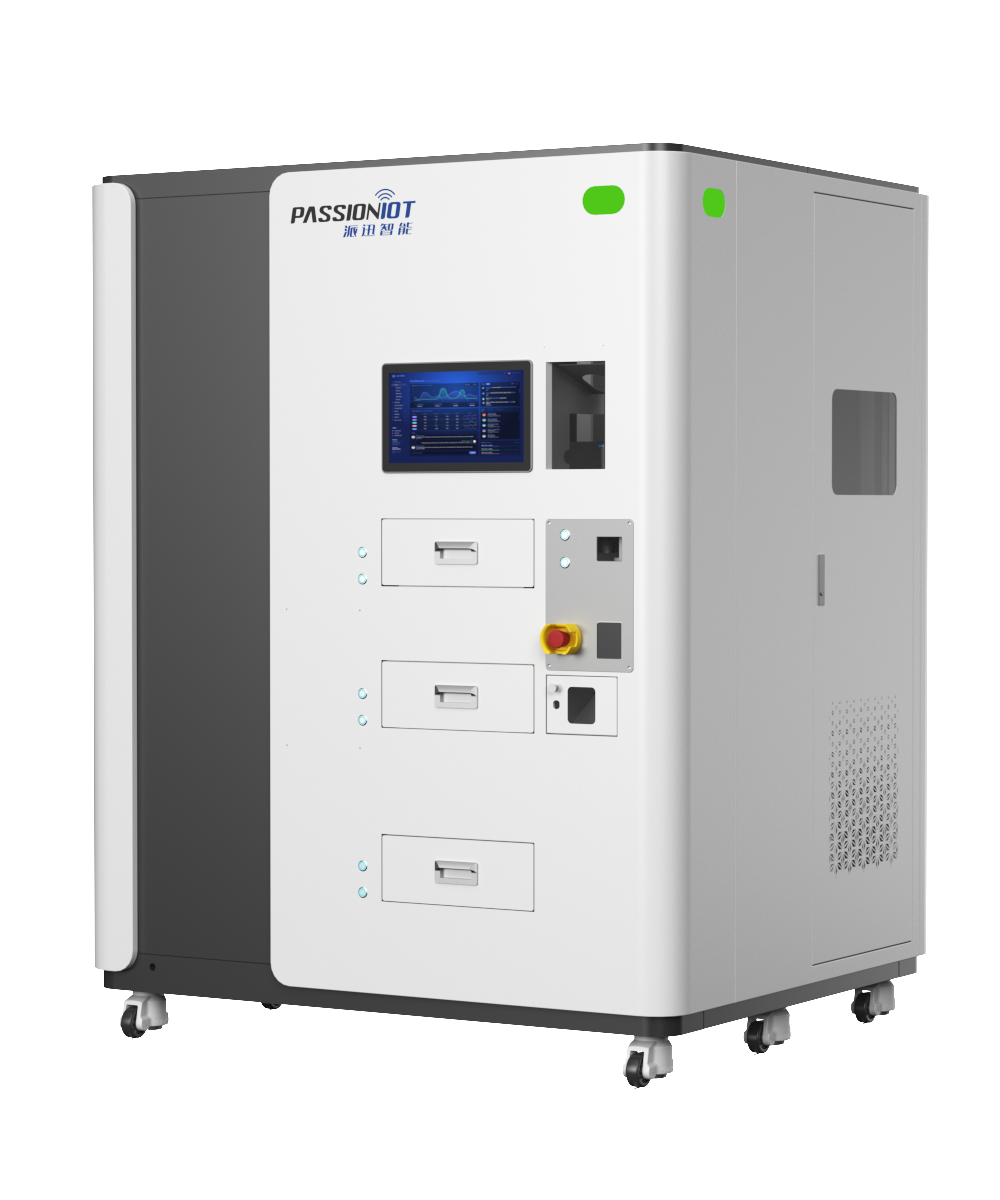
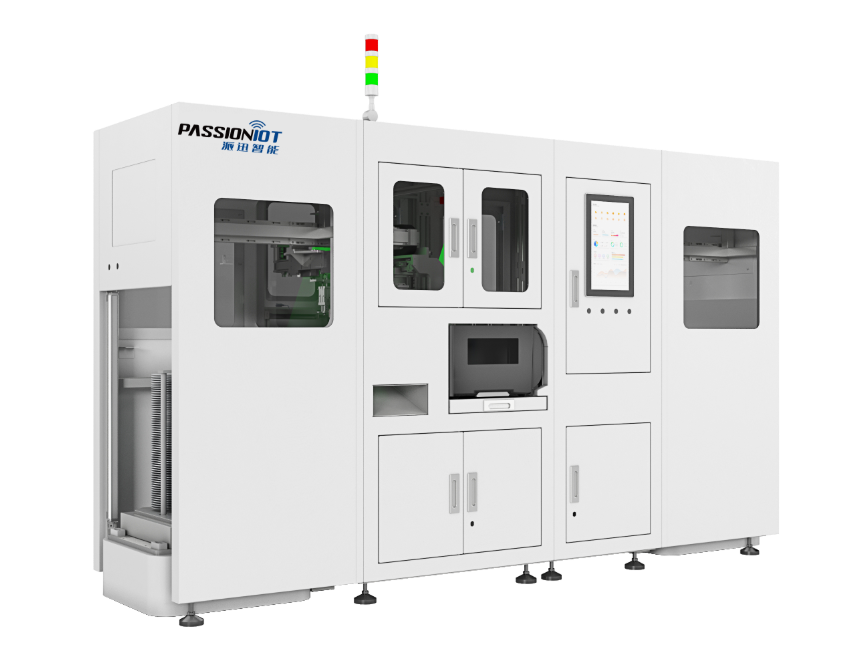
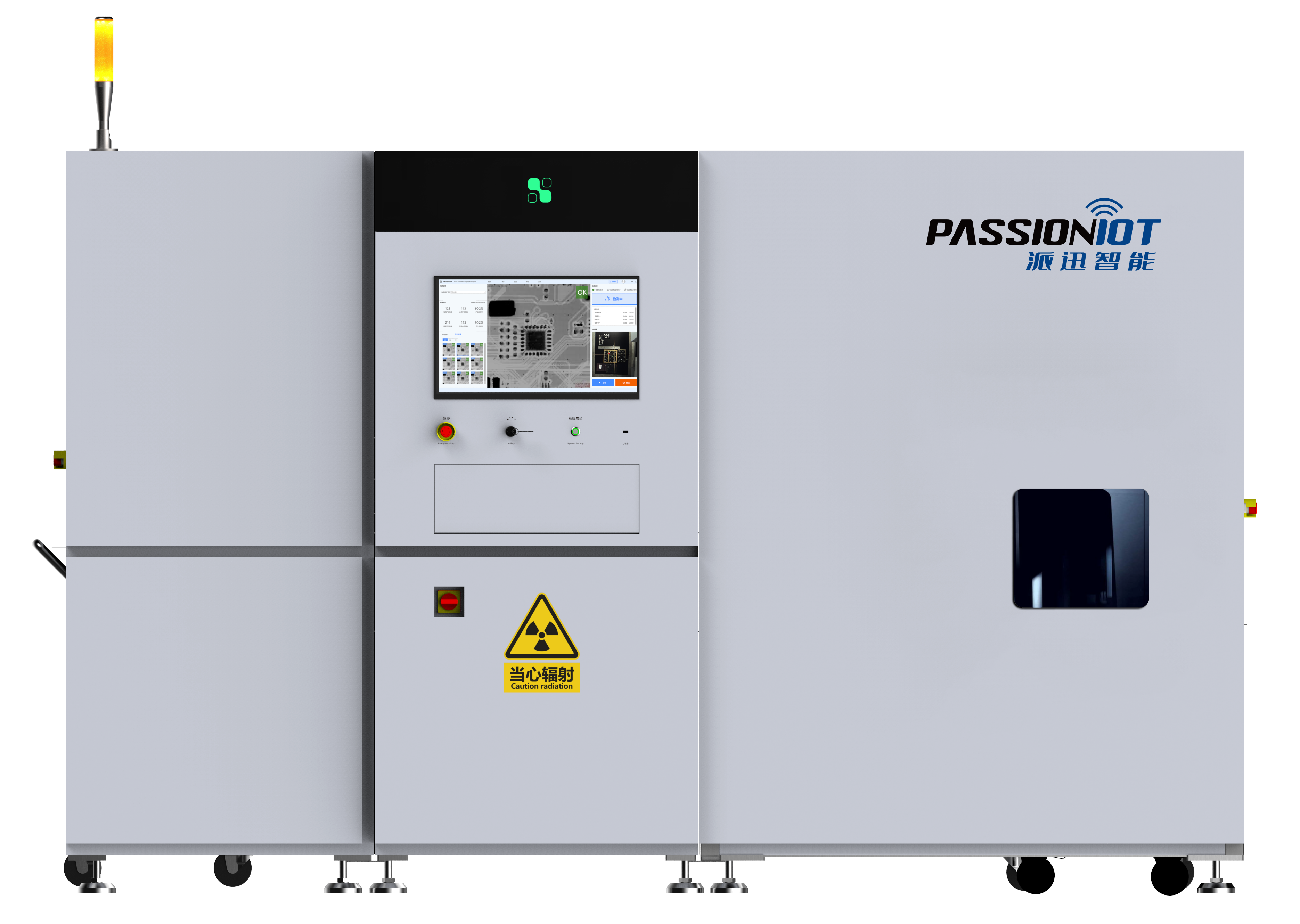
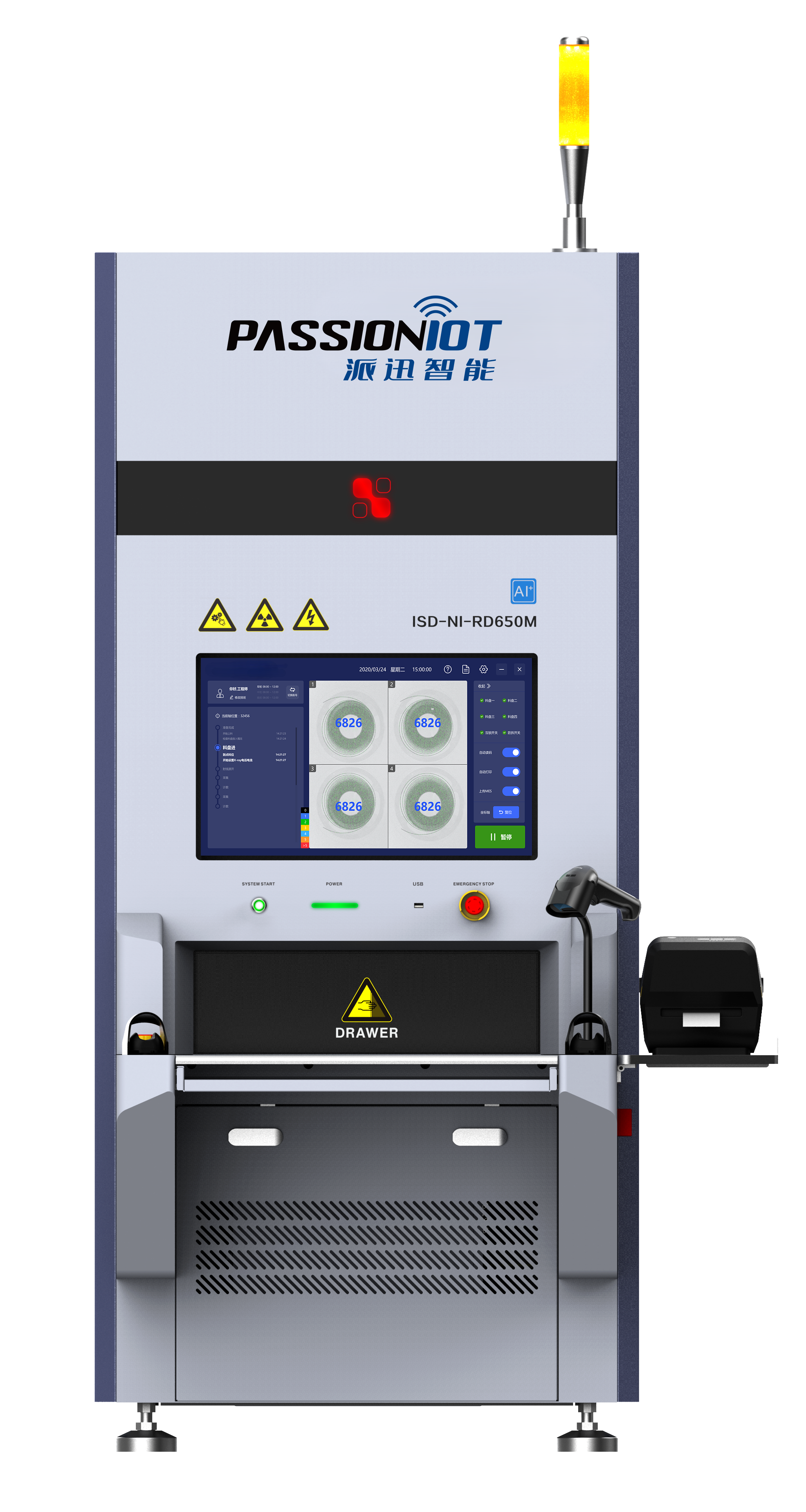
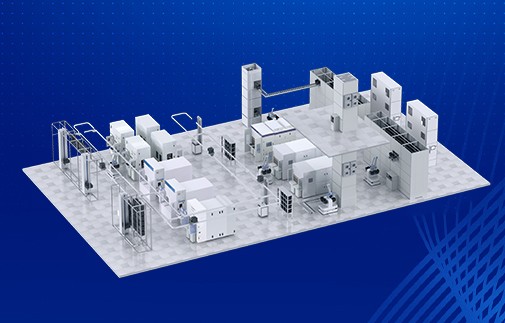
PassionIOT provides advanced automation and smart warehouse technologies designed to improve efficiency in manufacturing and semiconductor storage environments. We develop intelligent material-handling systems that support automated production, precise tracking, and efficient wafer storage management.
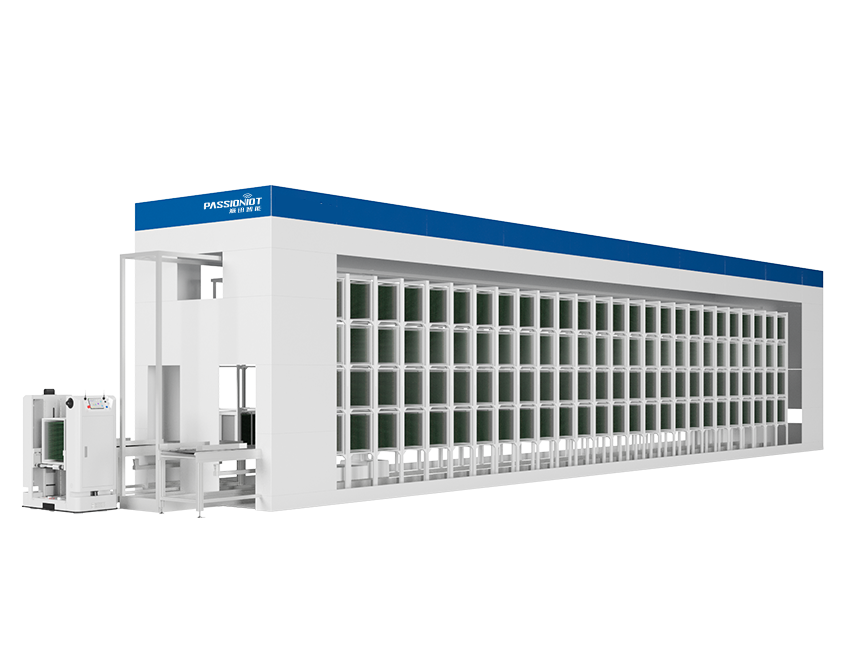
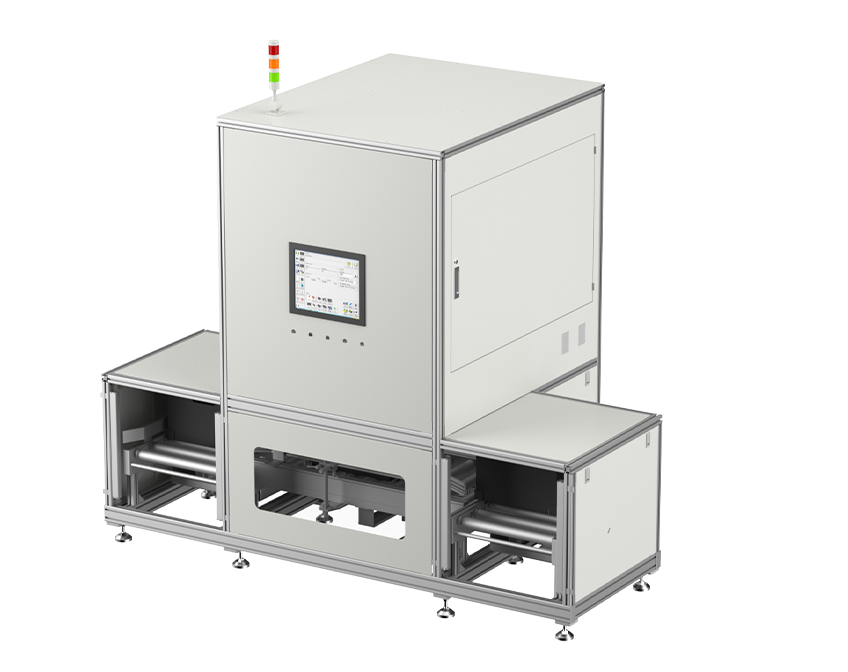
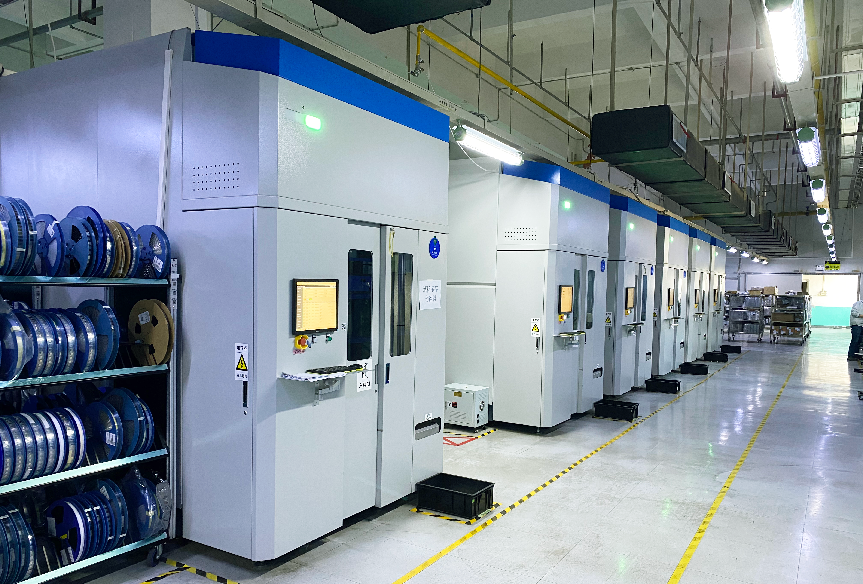
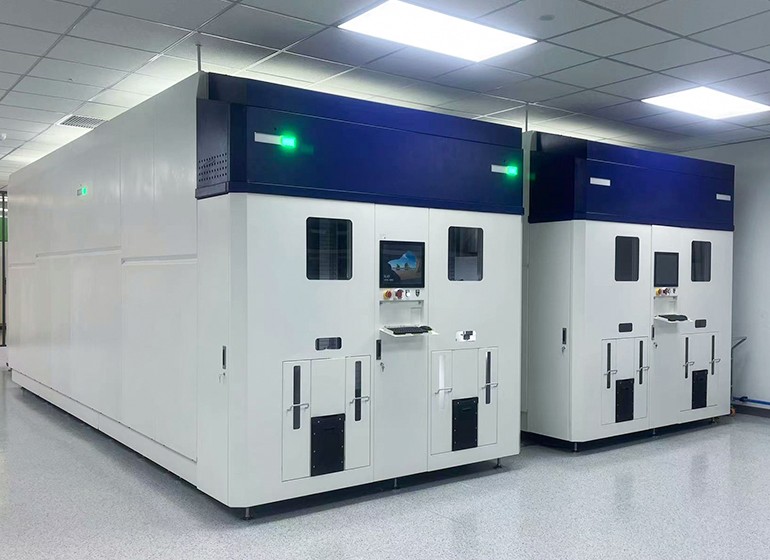
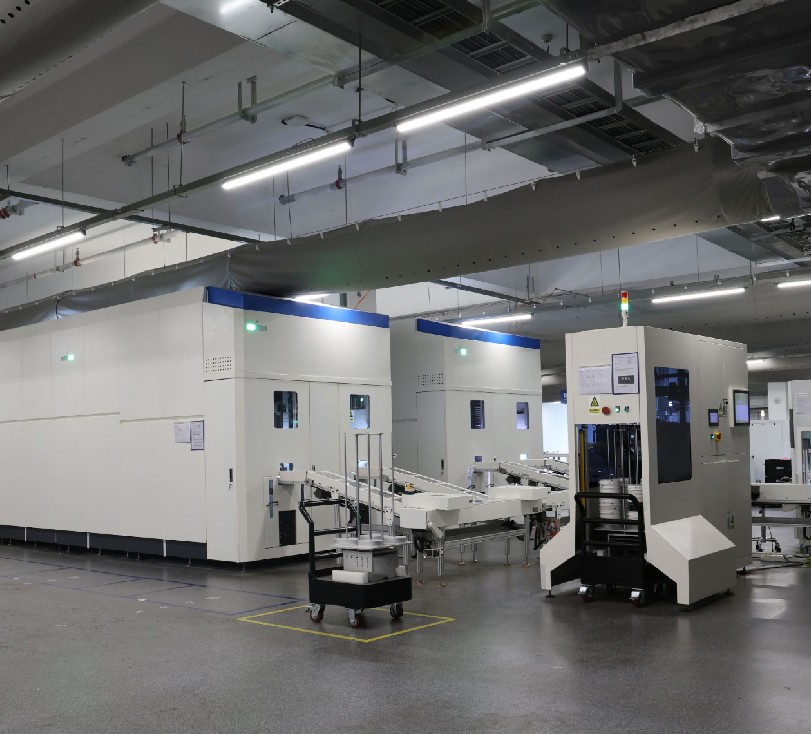
§ Stocker: A high-density storage system designed for semiconductor cleanrooms. It stores wafer carriers such as FOUPs and supports automated handling and RFID integration for efficient wafer storage management.
§ T-Stocker: Connects production lines across different floors and supports automated material transfer, improving workflow efficiency within a semiconductor warehouse.
§ Lifter: Provides high-speed vertical transport of wafer carriers between floors or storage levels, helping shorten transport routes and maintain clean handling conditions.
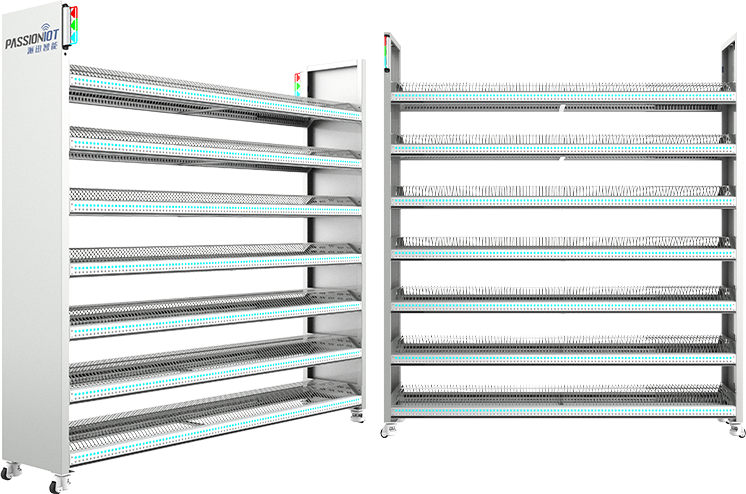
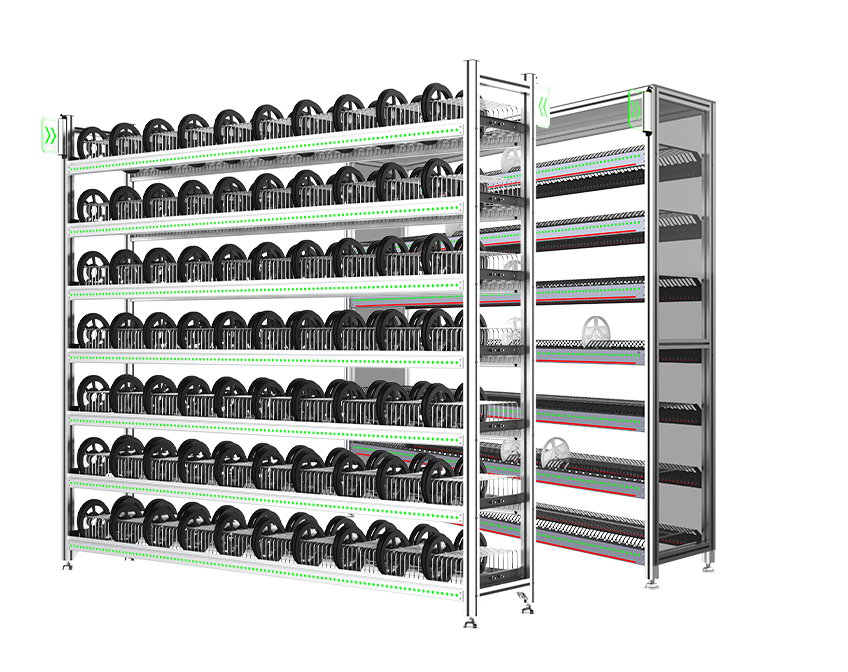
§ E-Rack: Uses RFID technology to track each wafer lot throughout the production process, improving visibility and control in semiconductor storage operations.
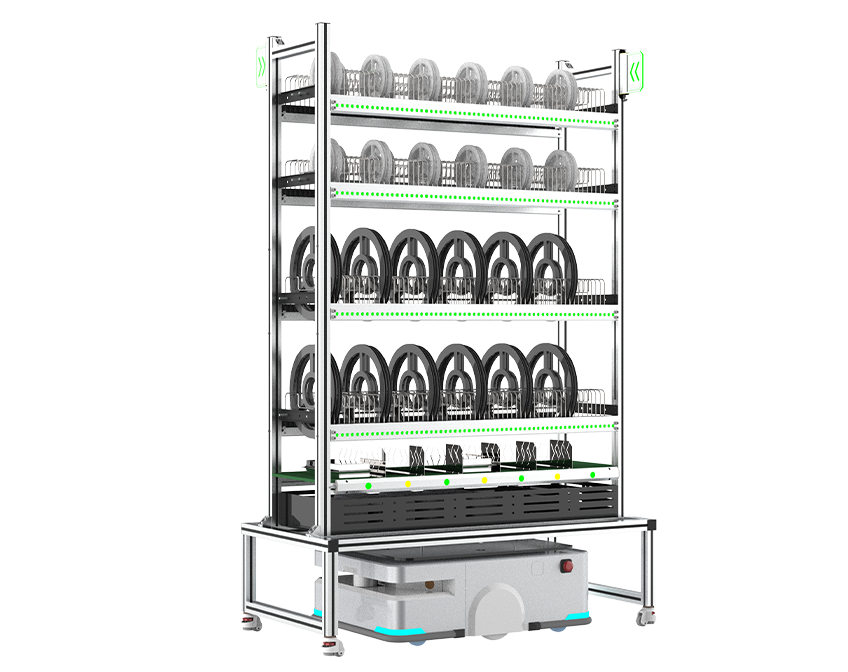
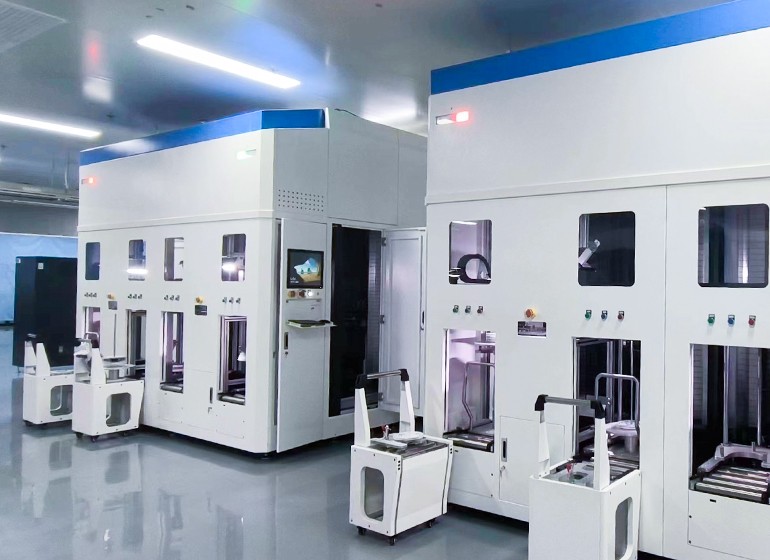
§ AMR Composite Robot: Autonomous mobile robots that transport wafer boxes and dock with equipment automatically, supporting efficient advanced storage solutions in a smart warehouse environment.
Wrapping It Up
Efficient wafer storage and careful handling are essential for maintaining quality and productivity in semiconductor manufacturing. To achieve this, adopting intelligent automation and smart management systems can make a significant difference.
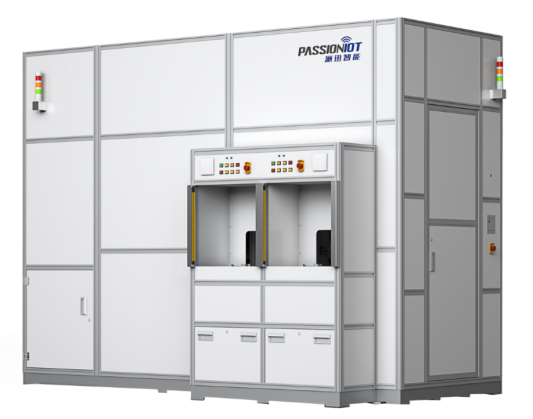
PassionIOT offers advanced solutions such as high-density stockers, RFID-enabled racks, and autonomous transport robots. These solutions streamline operations, reduce handling risks, and ensure precise tracking, enabling manufacturers to optimize their production and maintain consistent yields.





 Home
Home