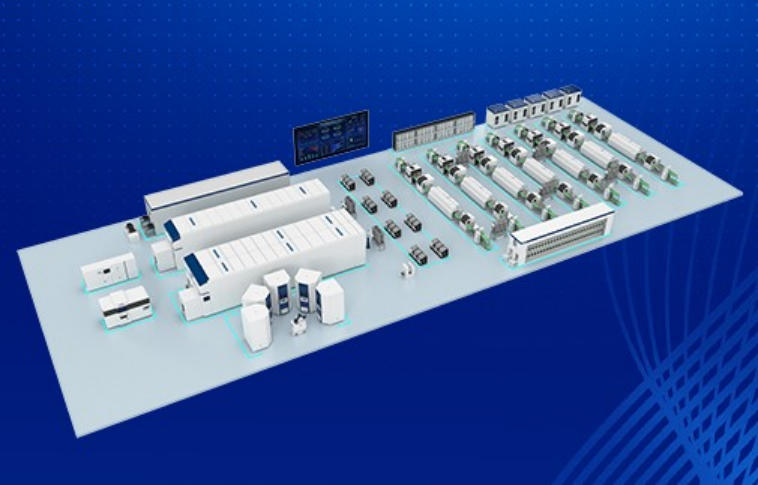
Rapid product iteration in consumer electronics, growing demand for personalized configurations, and increasingly fragmented order patterns have reshaped manufacturing models. Now, high-mix, low-volume production has become a new normal in the manufacturing world. As a result, manufacturers wonder how a rigid warehousing system can evolve to support flexible and fast-changing production environments.
This article focuses on the limitations of traditional warehousing and discusses how flexible warehousing addresses those challenges.
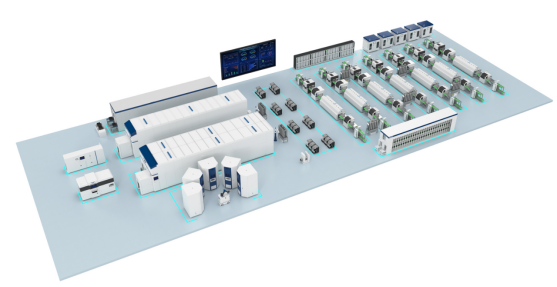
Pain Points of Traditional Warehousing
Traditional warehousing systems struggle to keep pace with high-mix, low-volume production environments, where frequent changes and variability are unavoidable. Here is why:
1. Frequent Changeovers
Frequent production changeovers often trigger disordered material switching. Materials prepared for previous orders remain in circulation when schedules shift, leading to misplaced items, handling confusion, and increased risk of line-side errors.
2. Space Shortages
As product variants expand, SKU counts rise rapidly. Fixed storage layouts reach capacity limits quickly, creating space shortages and forcing inefficient use of aisles, temporary storage areas, or manual overflow solutions. As a result, the overall space utilization declines significantly.
3. Picking Complexity
In traditional warehouses, picking operations can become extremely complex. A growing number of part types and order combinations increases search, verification, and handling steps. Each added step raises the probability of incorrect picks and disrupts production continuity.
4. Lower Inventory Turnover
At the inventory level, excess stock and material shortages often appear simultaneously. Limited visibility into real consumption patterns and slow adjustment mechanisms reduce inventory turnover, tying up capital while still failing to guarantee material availability when needed.
What is Flexible Warehousing
Flexible warehousing solutions are built to handle all the challenges associated with traditional warehousing. Rather than relying on fixed layouts, rigid workflows, or closed data systems, flexible warehousing introduces adaptability at the physical, operational, and digital levels. This allows the warehouse to adjust smoothly as production requirements, order patterns, and material flows continue to change. Here is how this is made possible:
1. Space Flexibility
A key characteristic of flexible warehousing is adjustable storage density. Storage capacity can be expanded or reduced without major structural modifications, allowing the warehouse to scale in line with fluctuating SKU volumes and material turnover.
At the same time, zones and layouts are reconfigurable. Storage areas can be reorganized to accommodate different material categories, batch sizes, or priority levels, ensuring that space utilization remains high even as product mix and order profiles change.
2. Process Flexibility
Flexible warehouses are characterized by configurable inbound and outbound workflows rather than fixed handling routes. Material receiving, storage, picking, and delivery processes can be adjusted based on material type, order frequency, and production urgency.
This flexibility also supports diverse line strategies and takt-time changes. Warehousing operations can align with different production rhythms, enabling material supply to remain synchronized with manufacturing requirements.
3. Data Flexibility
A flexible warehouse relies on an open and adaptable data architecture. Open interfaces enable direct integration with MES, ERP, and WMS platforms, ensuring that material status, inventory data, and operational instructions are shared consistently across systems.
At the same time, data models are designed to be extendable, and business logic can be configured as requirements change. Workflow rules, data attributes, and control logic can be adjusted without system redesign, allowing the warehouse to support evolving processes, new product types, and future expansion.
PassionIOT Recommendation
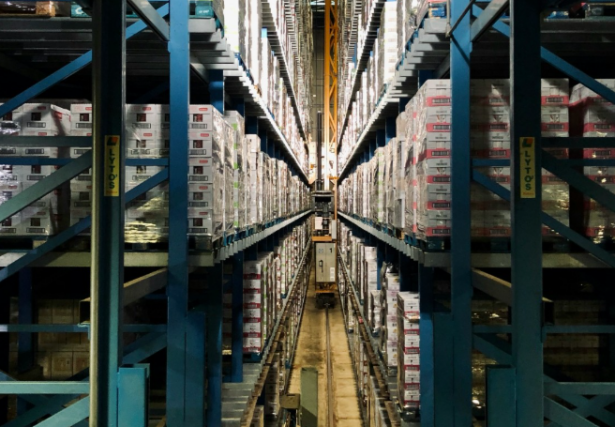
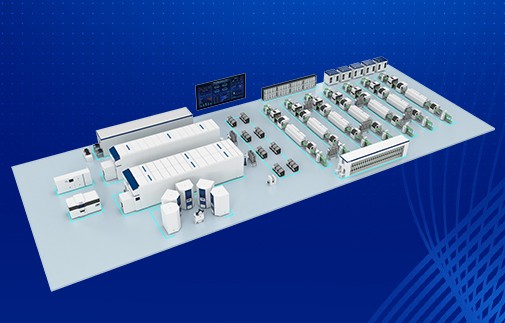
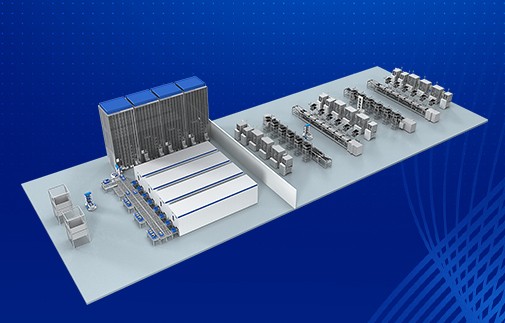
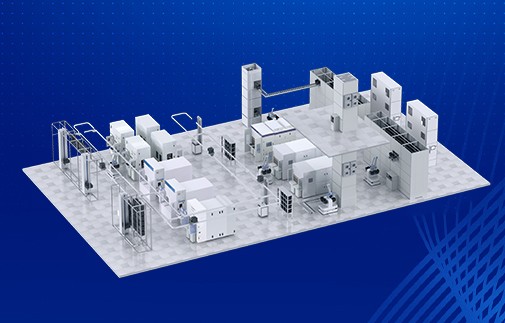
At PassionIOT, we deeply understand the complex challenges of high-mix, low-volume production. To address these, we have developed a suite of flexible smart warehousing solutions designed to help manufacturers break through the rigidity of traditional storage, ensuring rapid response and precision delivery even amidst frequent changeovers and fragmented orders.
ü Smart Warehouse
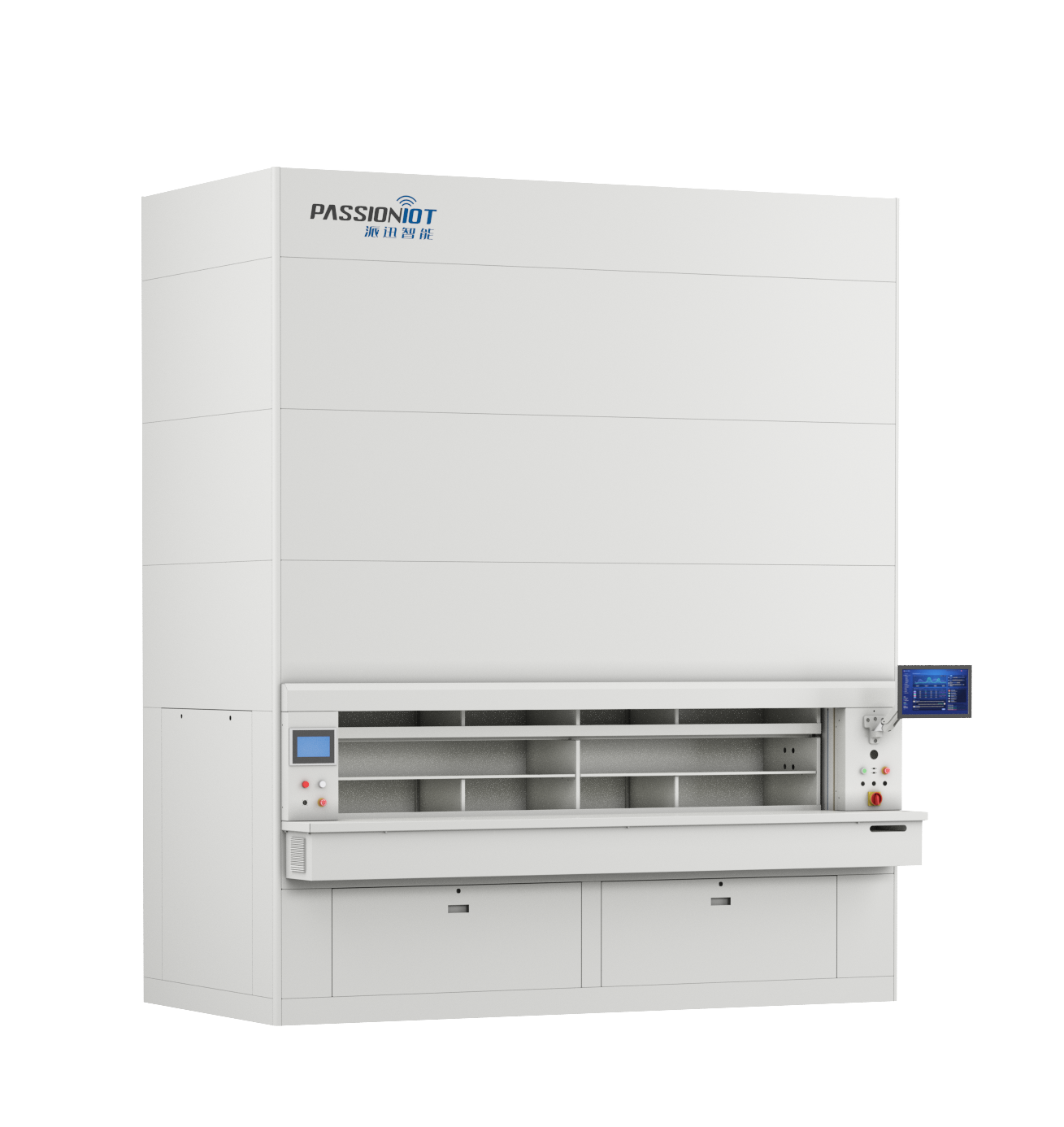
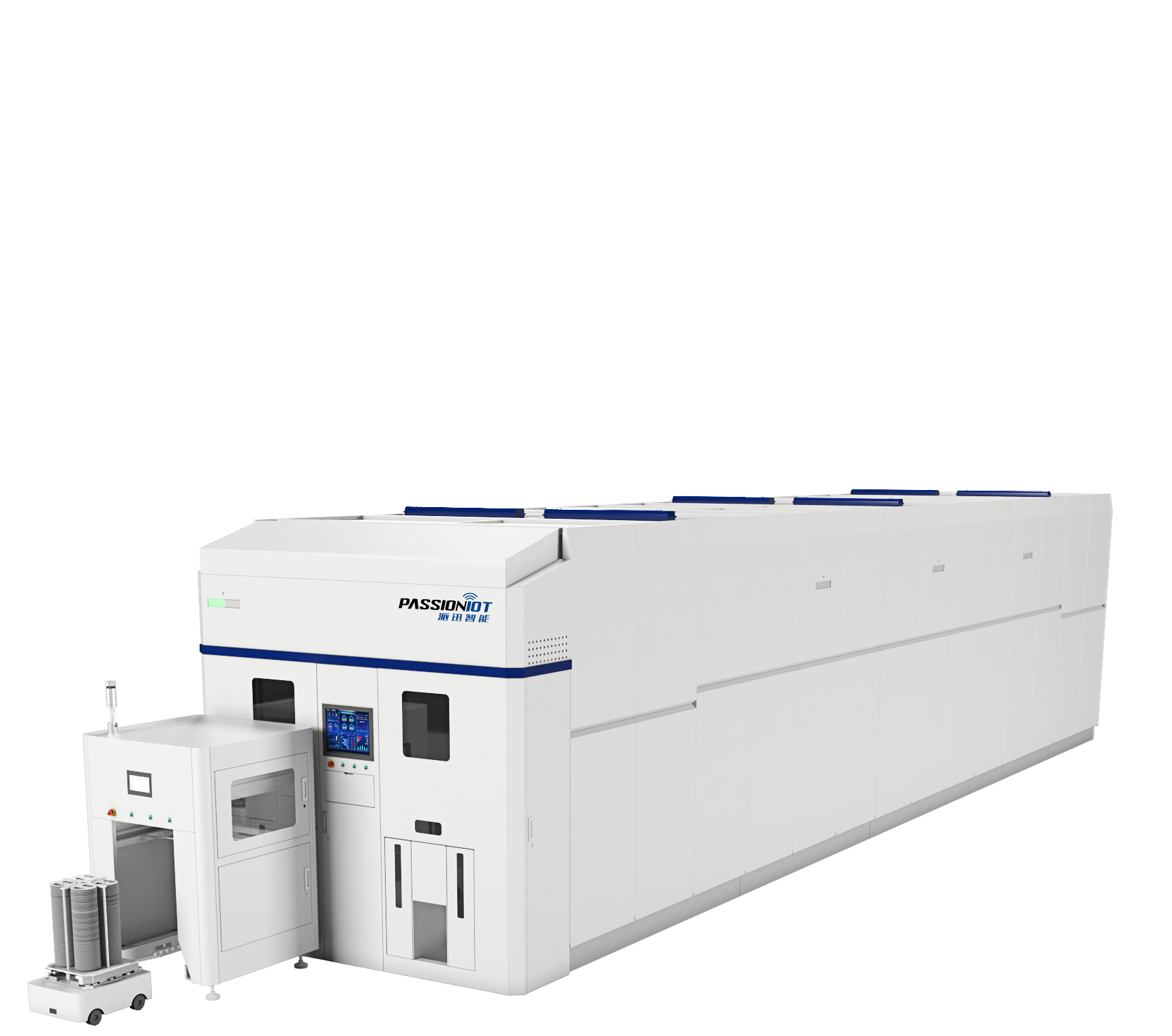
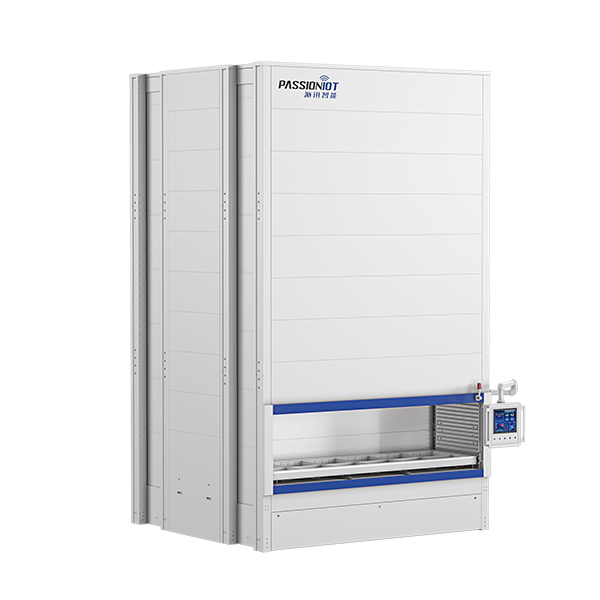
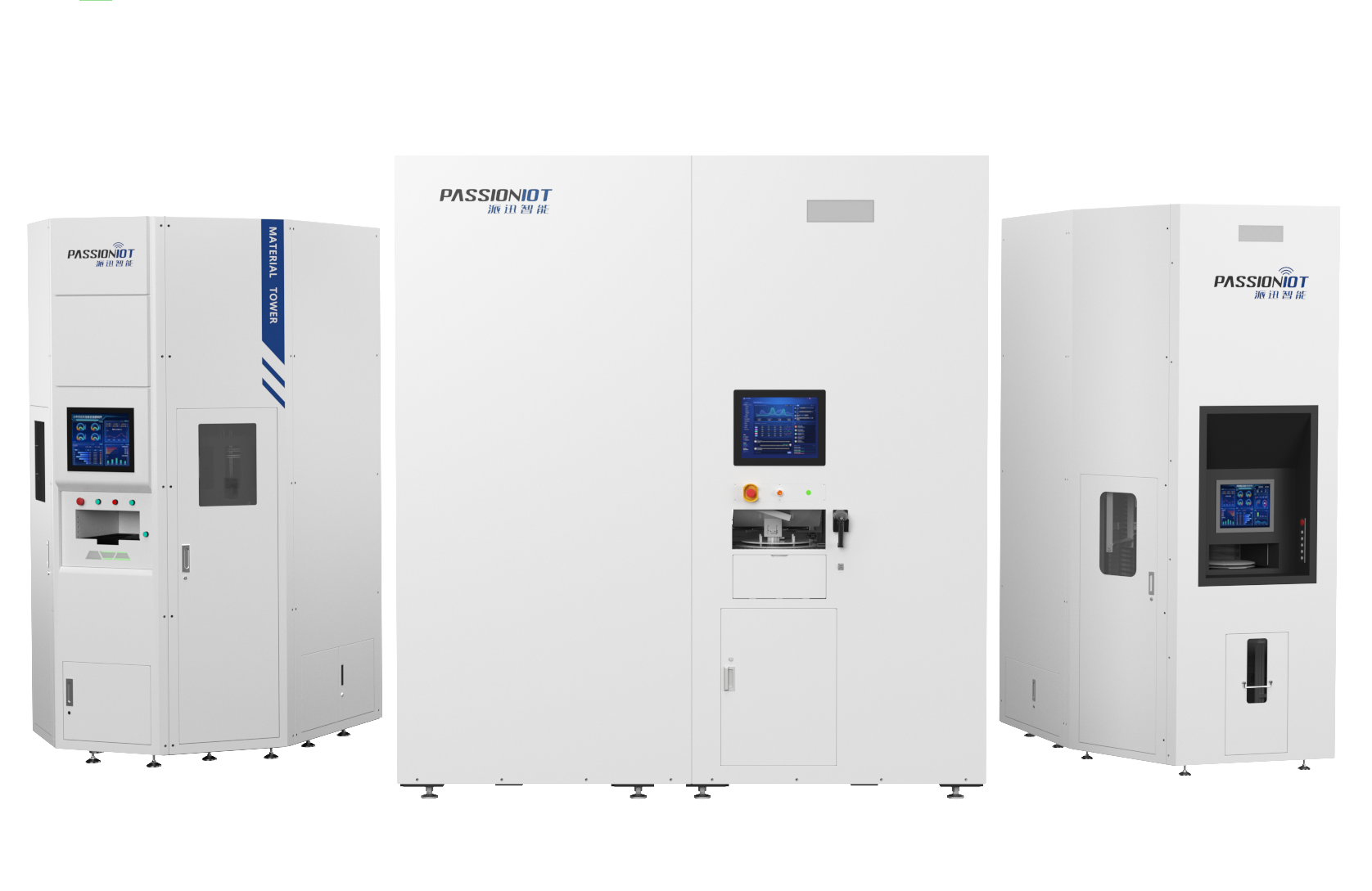
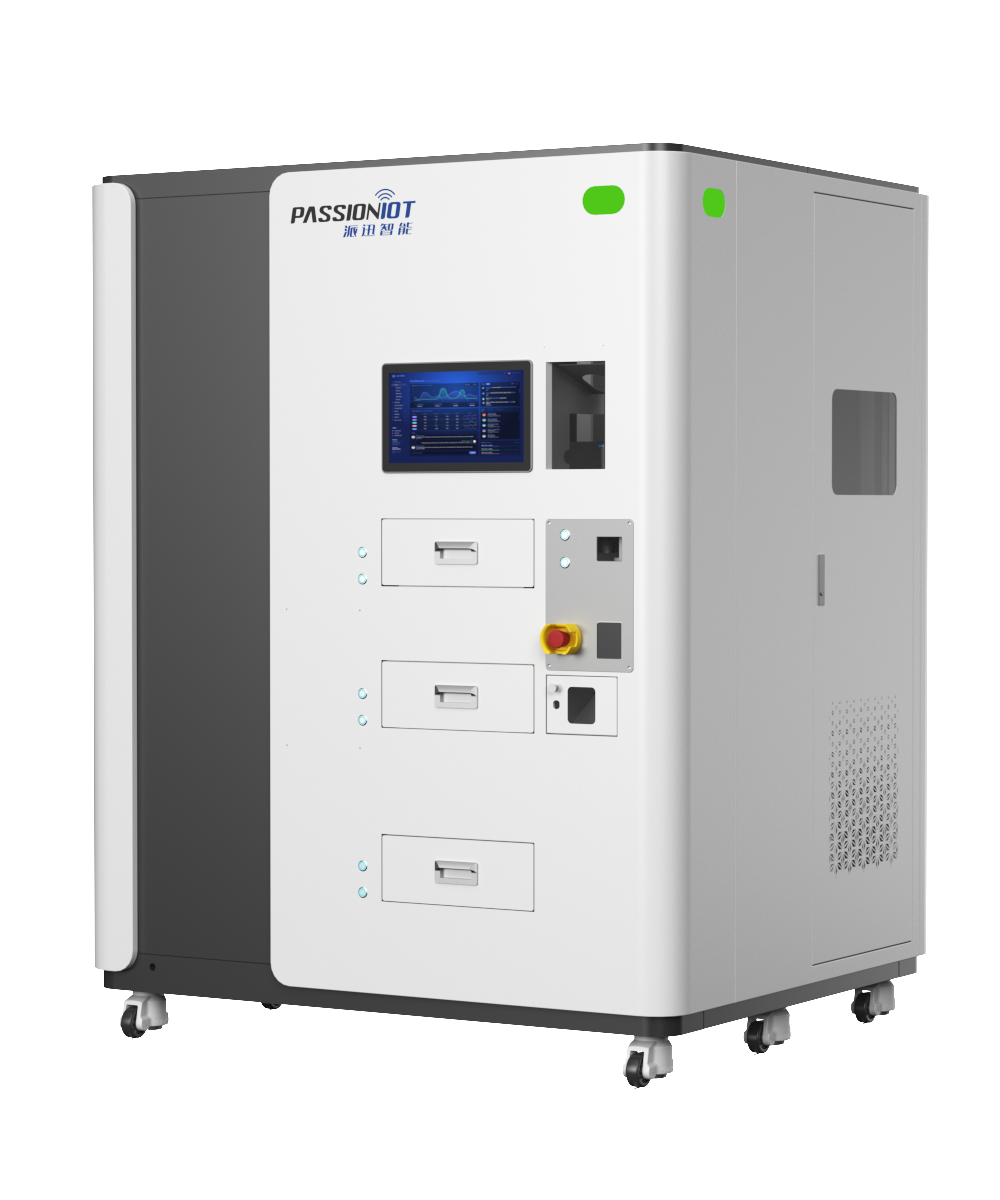
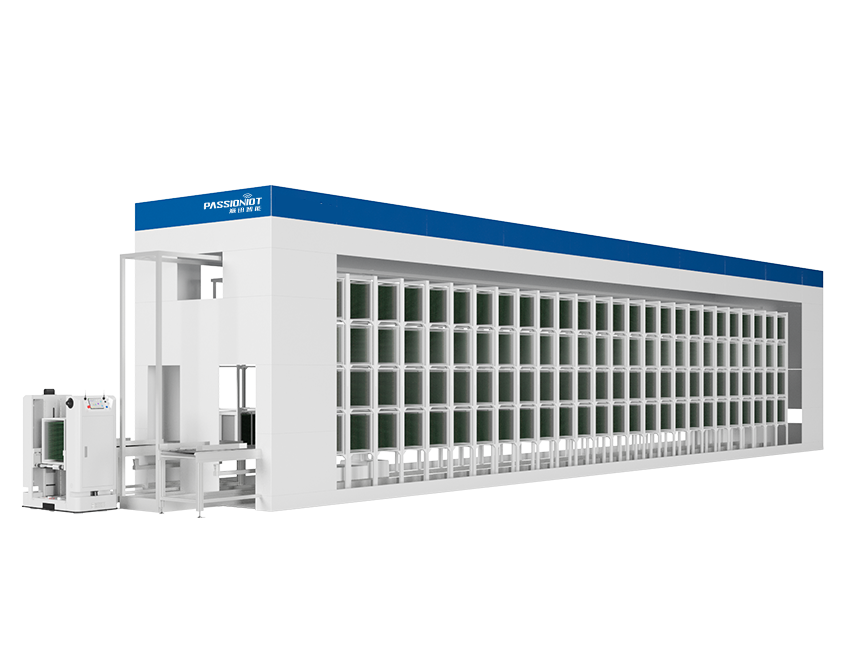
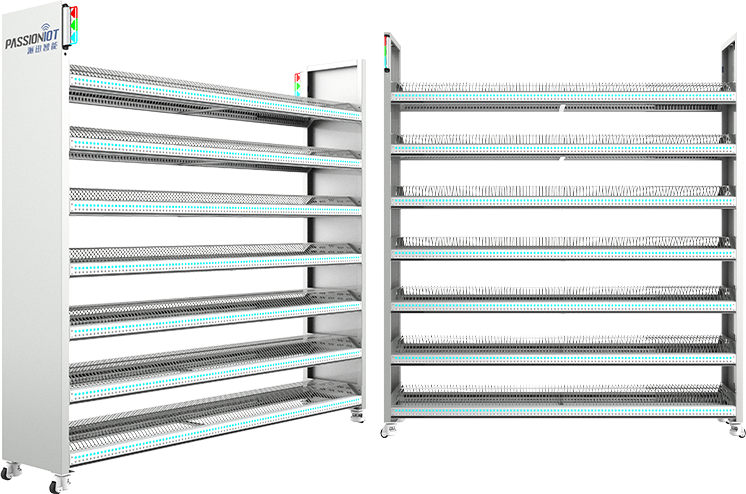
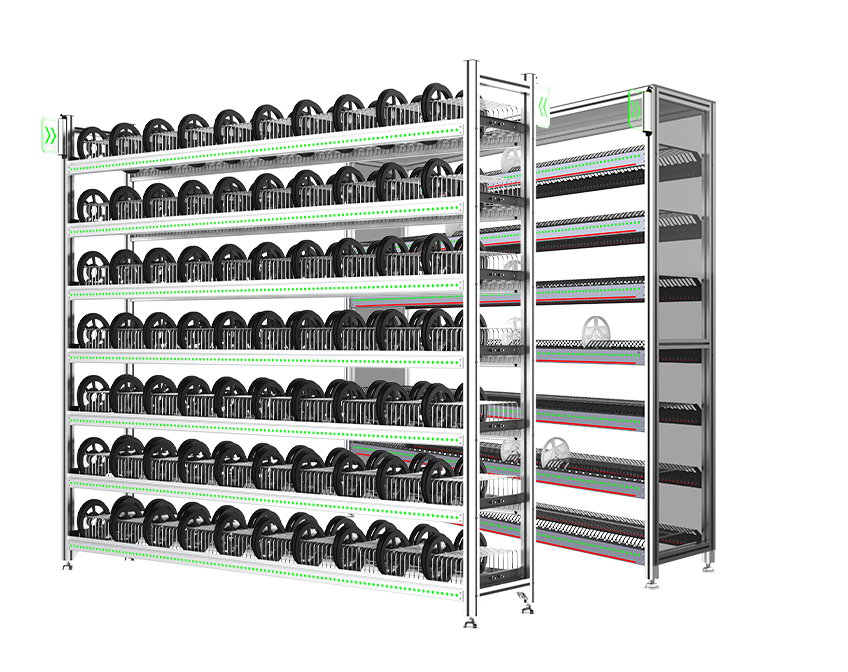
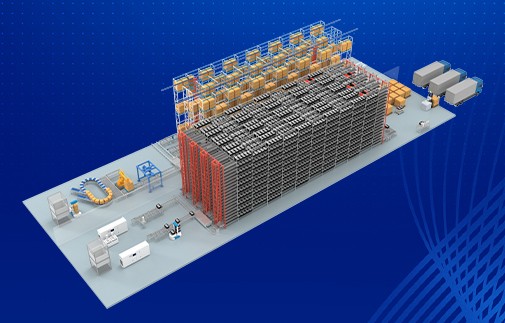
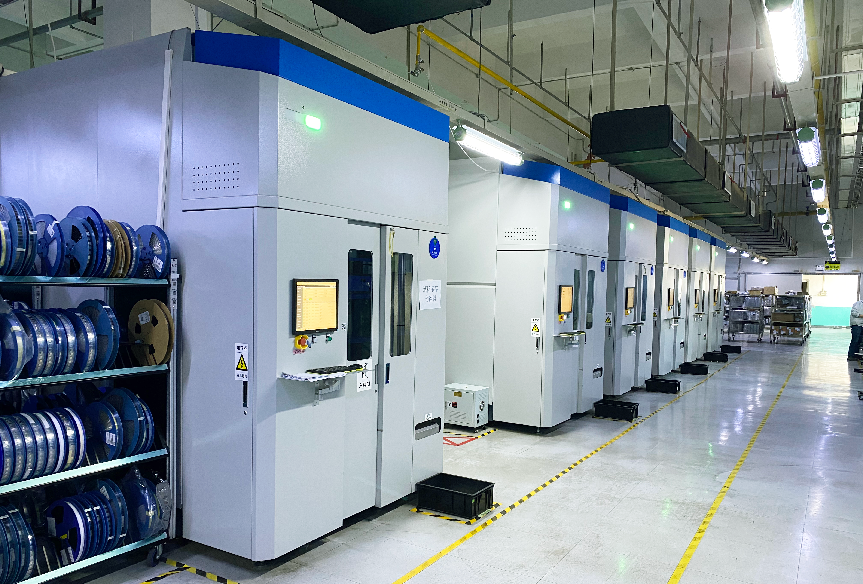
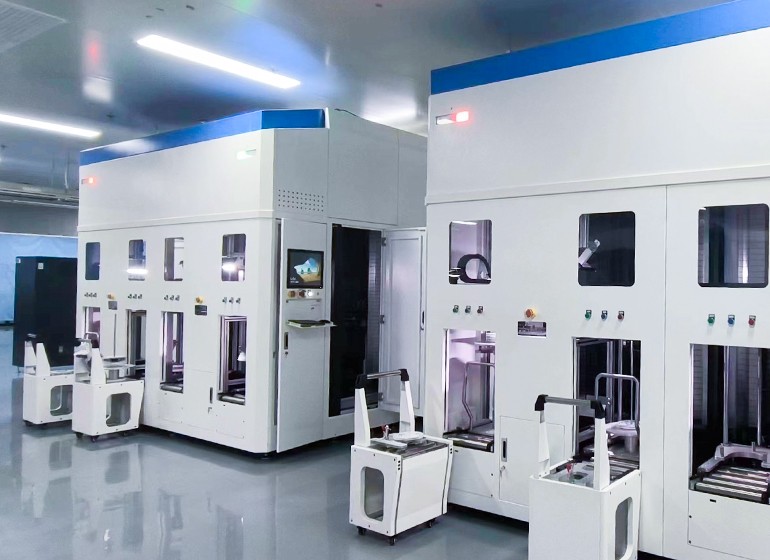
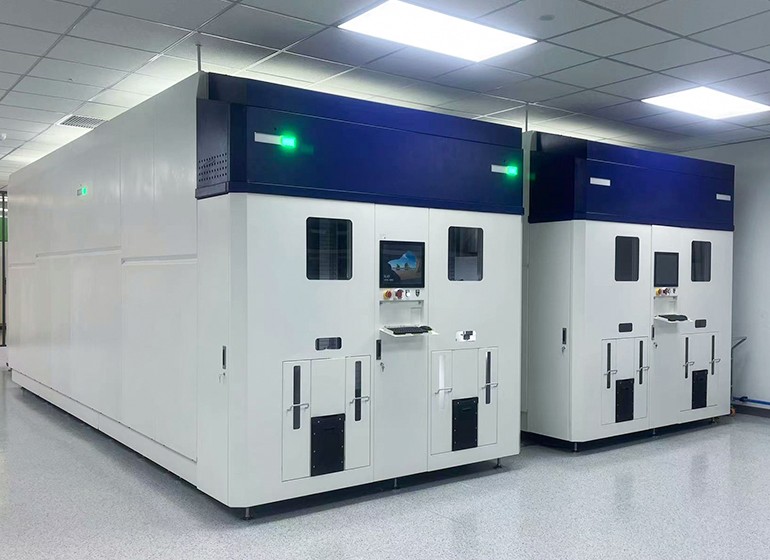
Our smart storage systems form the foundation of flexible warehousing. Solutions such as the SMD Smart Tower and Magazine Smart Warehouse are designed to handle a wide range of material types and storage requirements.
These systems support automated storage and retrieval, high-density capacity, and precise material tracking. With modular and scalable designs, storage capacity, layout, and handling logic can be flexibly configured to match changing product mix and volume, ensuring efficient space usage and reliable material management.
ü Automated Transport
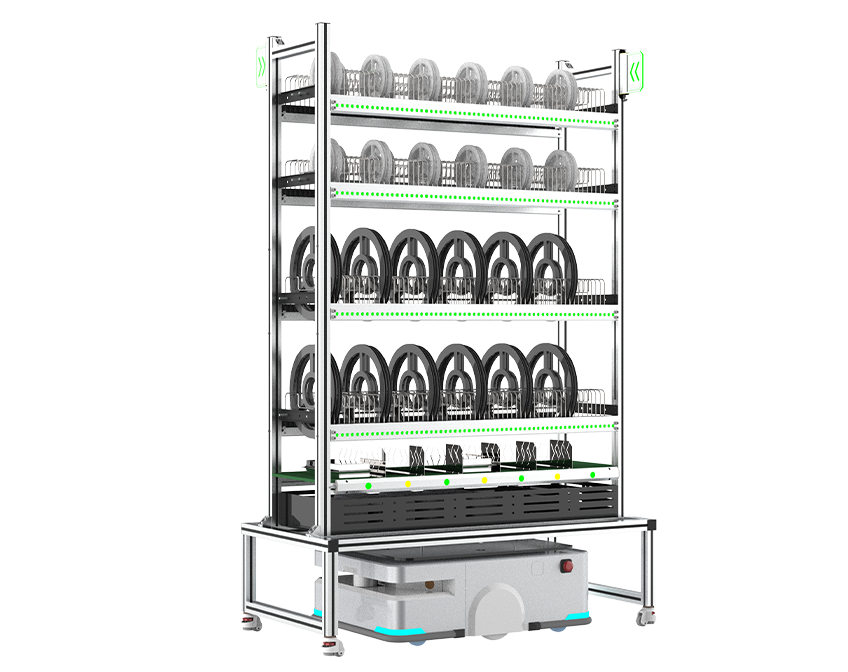
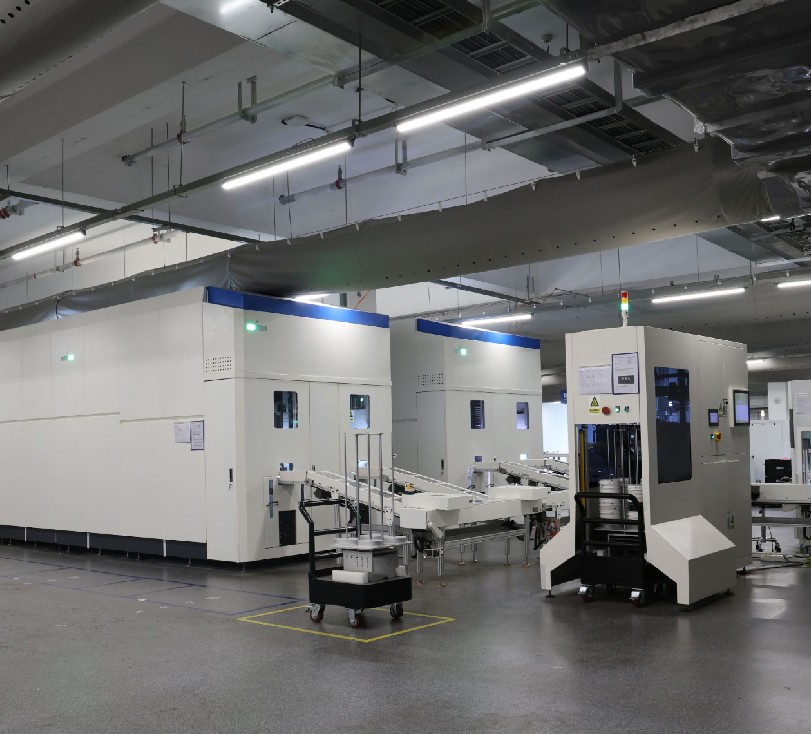
To reduce manual handling and accelerate material flow, we deploy automated transport solutions such as AGV and AMR.
They enable unmanned material movement between warehouses, production lines, and line-side stations. By synchronizing transport tasks with warehouse operations, materials are delivered on time and in the correct sequence, achieving fast changeovers and stable production rhythms.
ü Accurate Interaction
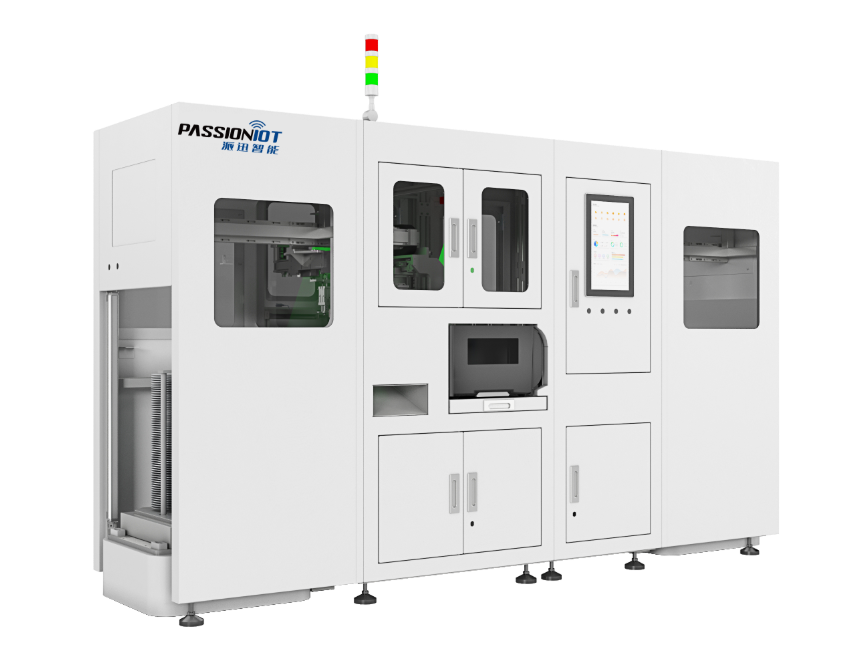
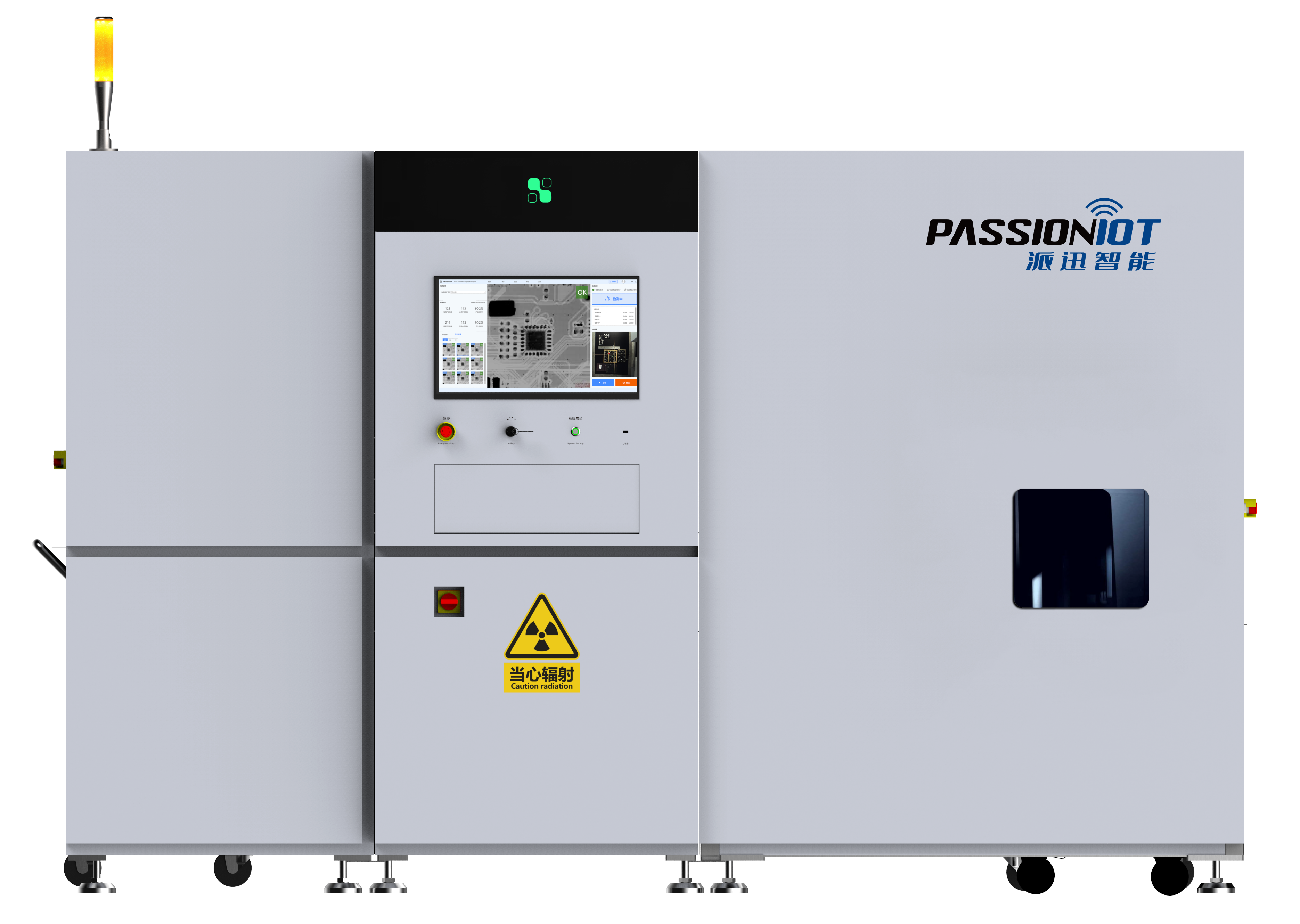
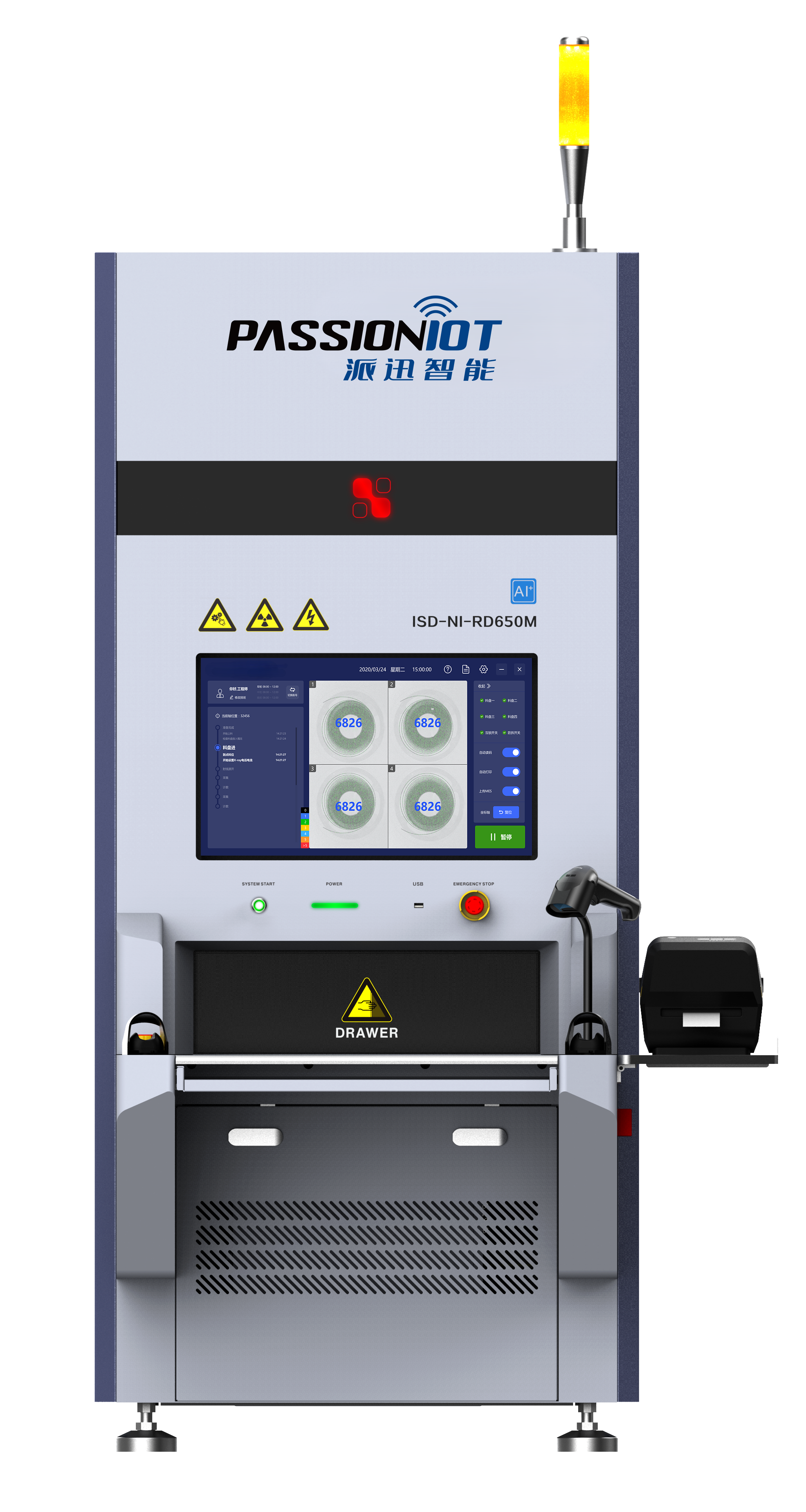
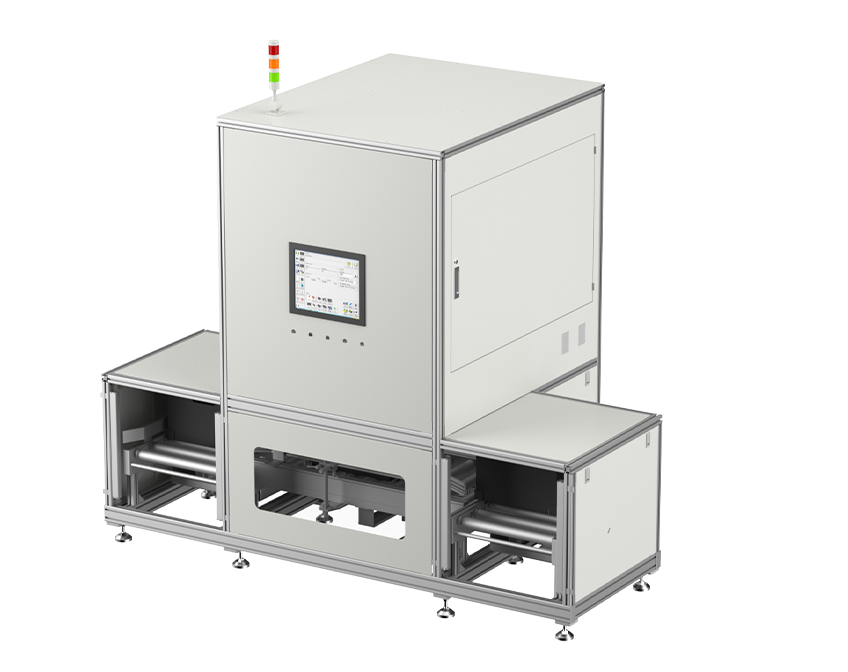
Our Auto Labeling Machines and X-Ray Component Counters for inline and lineside use help strengthen material accuracy and interaction. These solutions minimize human error, improve material traceability, and ensure physical materials stay tightly synchronized with digital records across the entire production process.
ü PassionIOT Software Platform
The PassionIOT Software Platform connects storage systems, transport equipment, and interaction devices under unified control. It supports real-time data exchange with MES, ERP, and WMS systems, enabling synchronized updates of inventory status, material movement, and task execution.
Conclusion
Today, traditional warehousing struggles to keep pace with high-mix, low-volume production environments.
PassionIOT’s flexible warehousing solution is built to thrive in this complexity. We don't just move materials; we synchronize the physical and digital worlds to ensure your shop floor stays lean and responsive.





 Home
Home