
Bus: sales@passioniot.com
Web: www.passioniot.com
Add:Building B, No. 28, Heshun Road, Suzhou Industrial Park
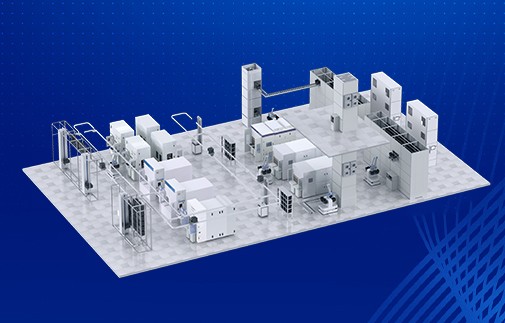
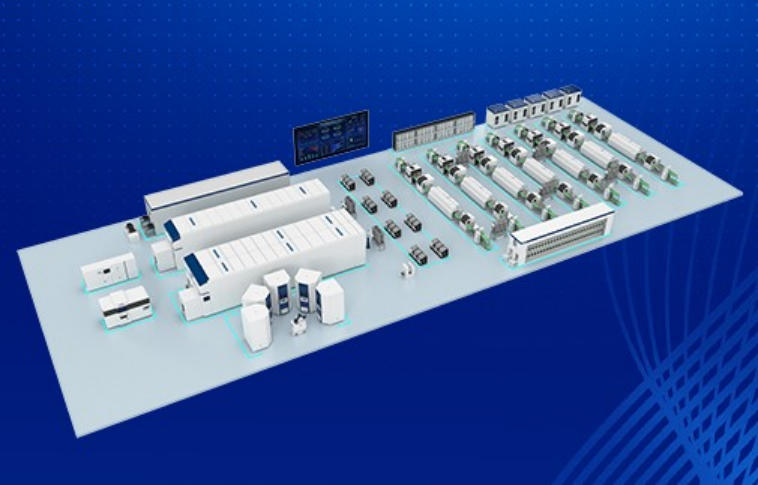
Choosing warehouse automation solutions should start with the real material flow inside the factory. Electronics manufacturers often manage many types of materials, including SMD reels, trays, IC packages, solder paste, stencils, spare parts, and tools. Each material type has different storage, picking, and traceability needs. Before selecting equipment, factories should map how materials move from receiving to storage, kitting, production, delivery, return handling, and inventory checking.
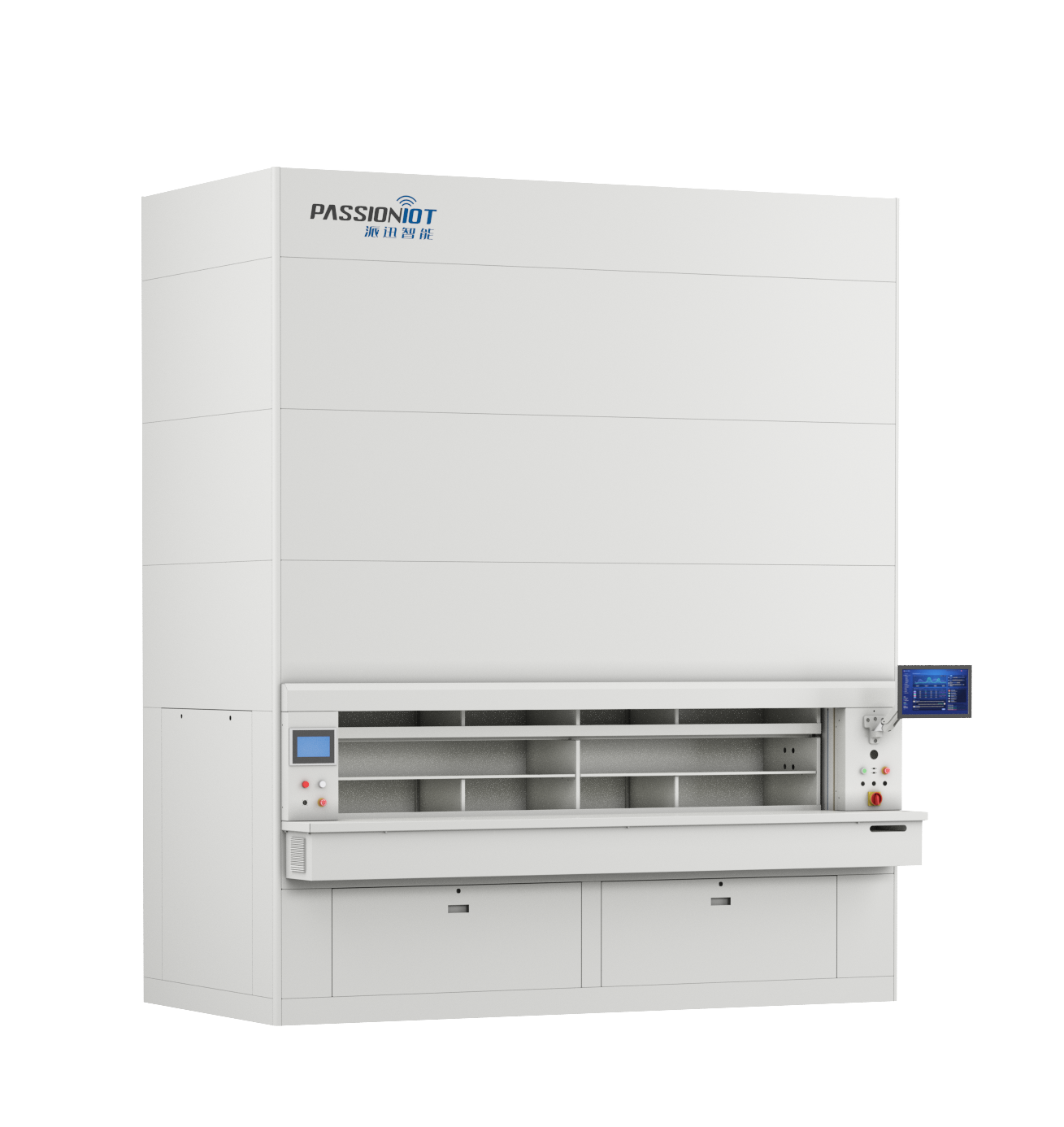
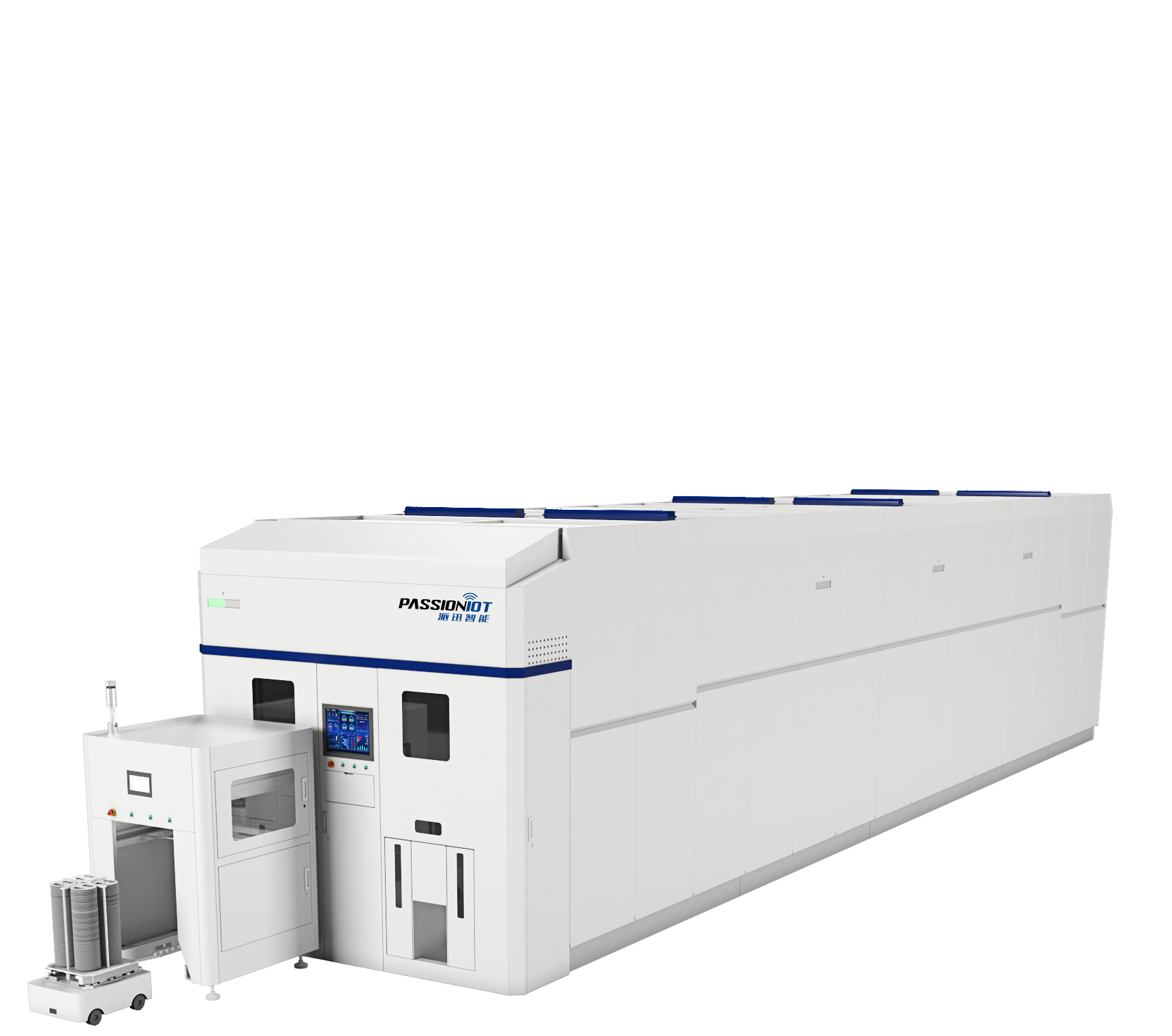
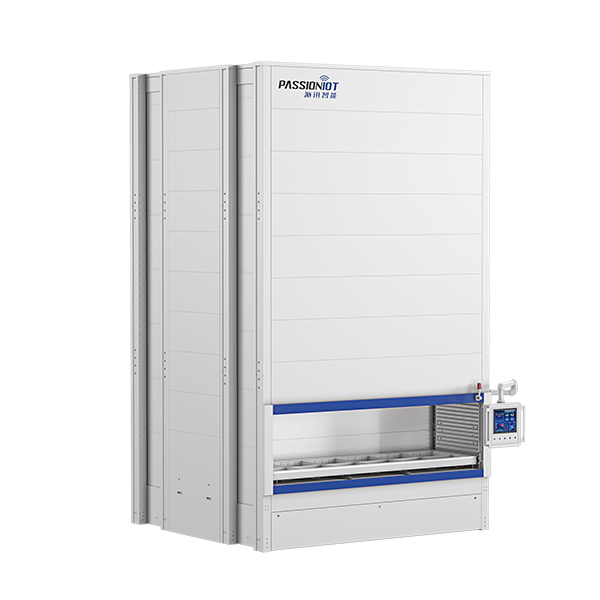
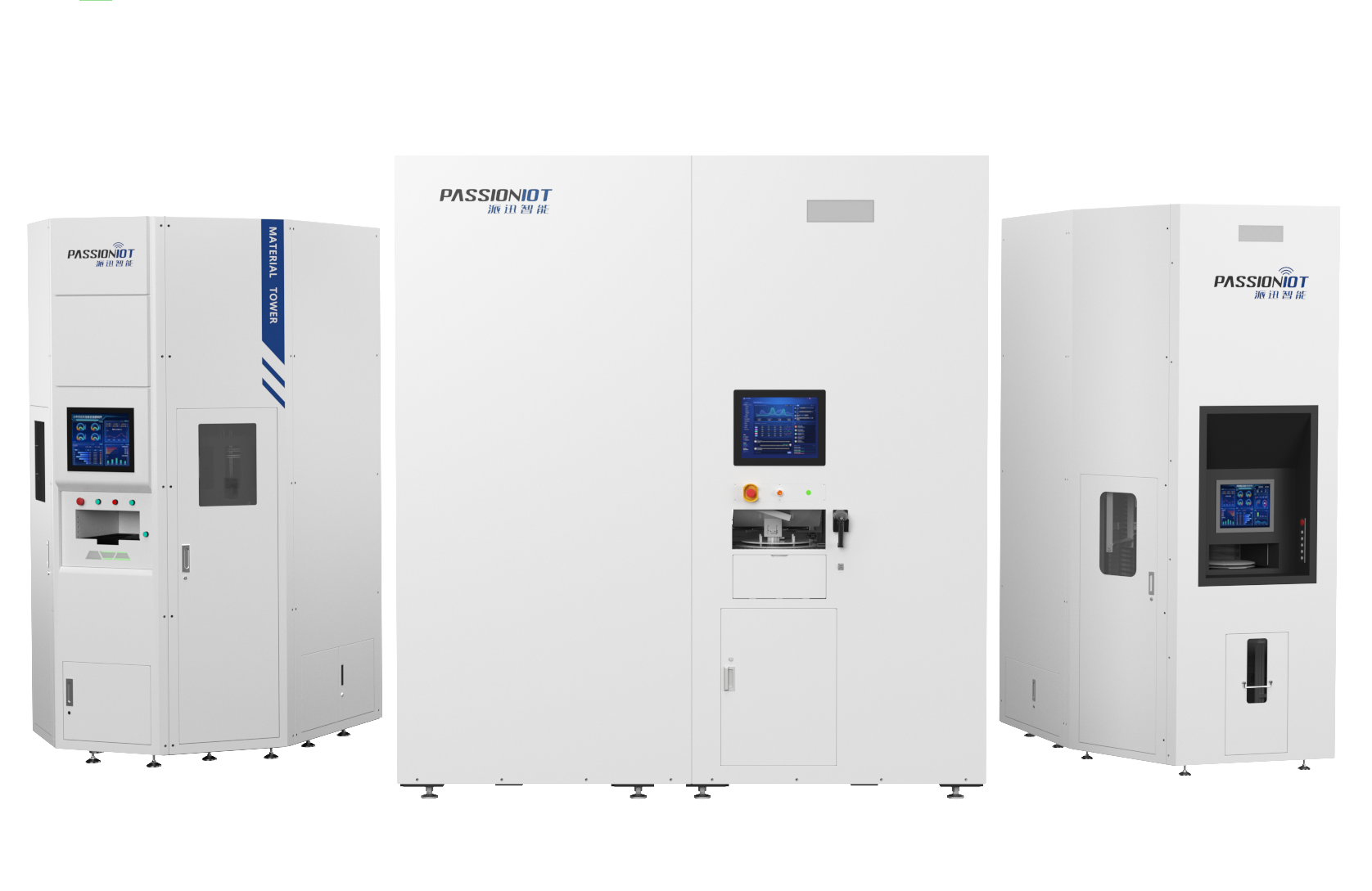
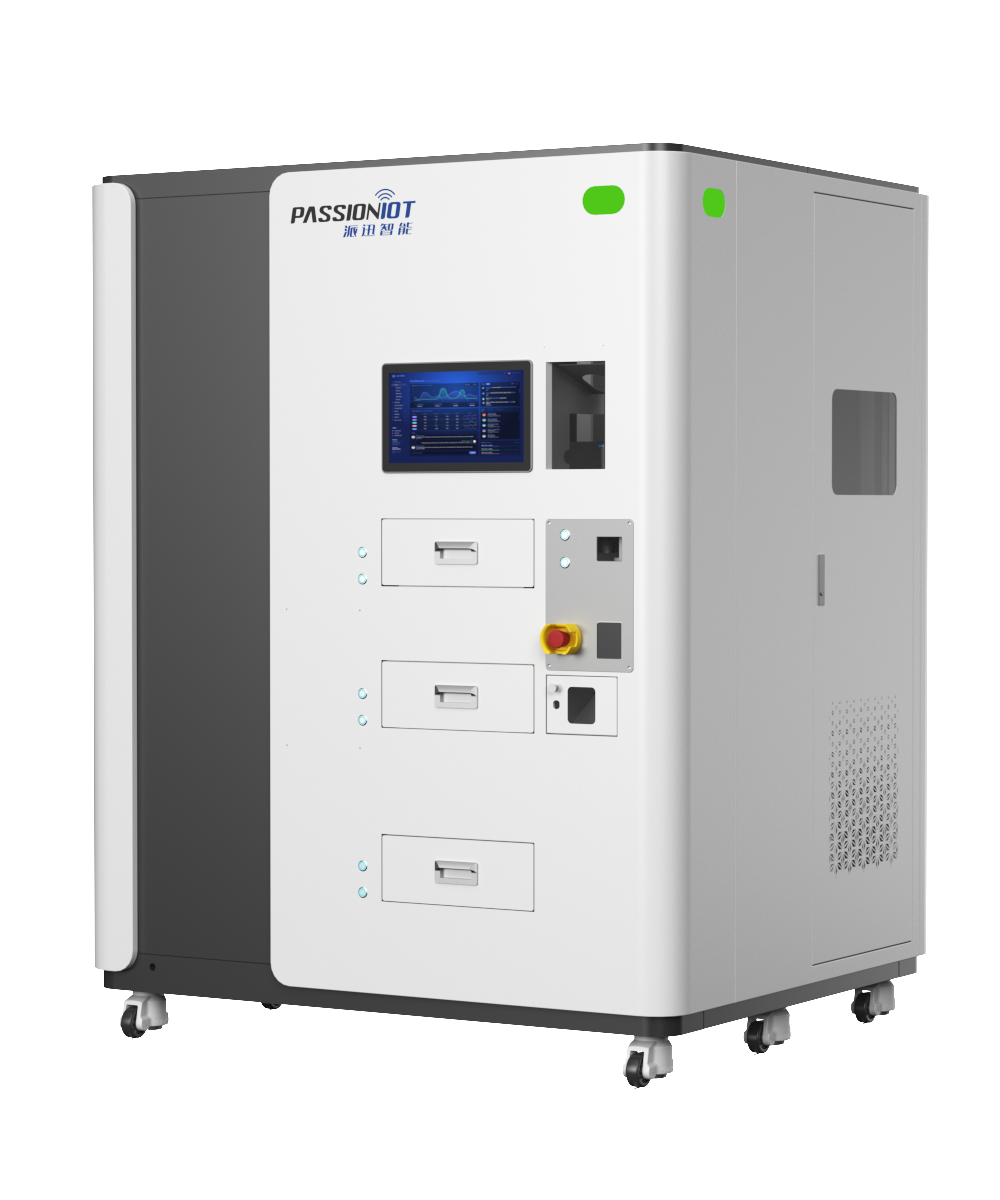
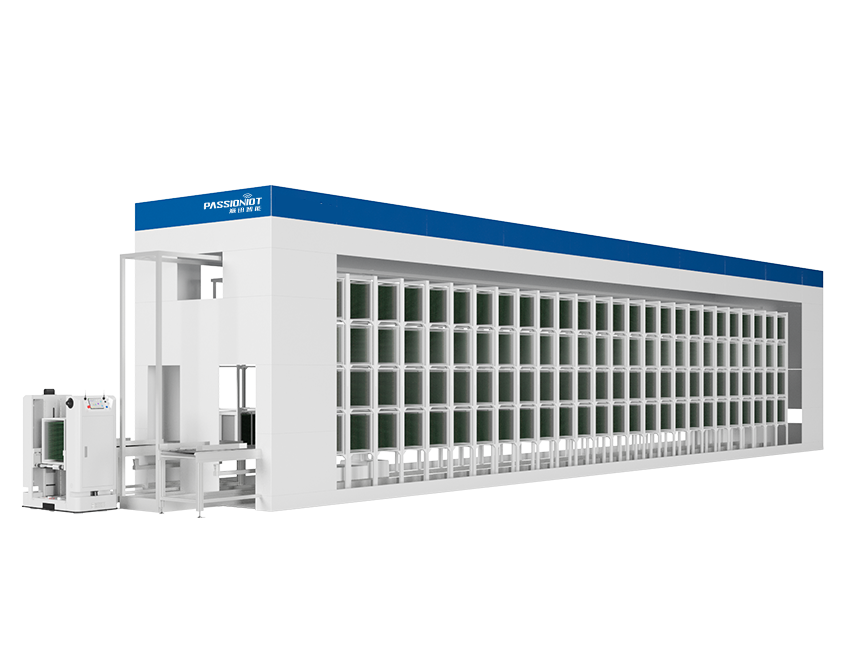
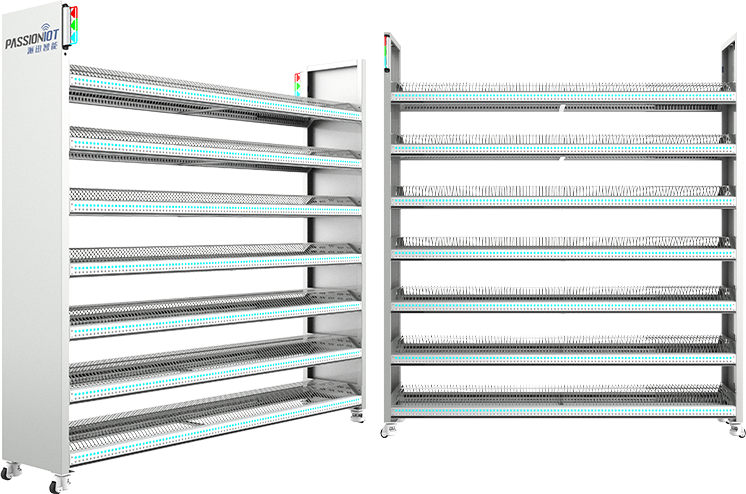
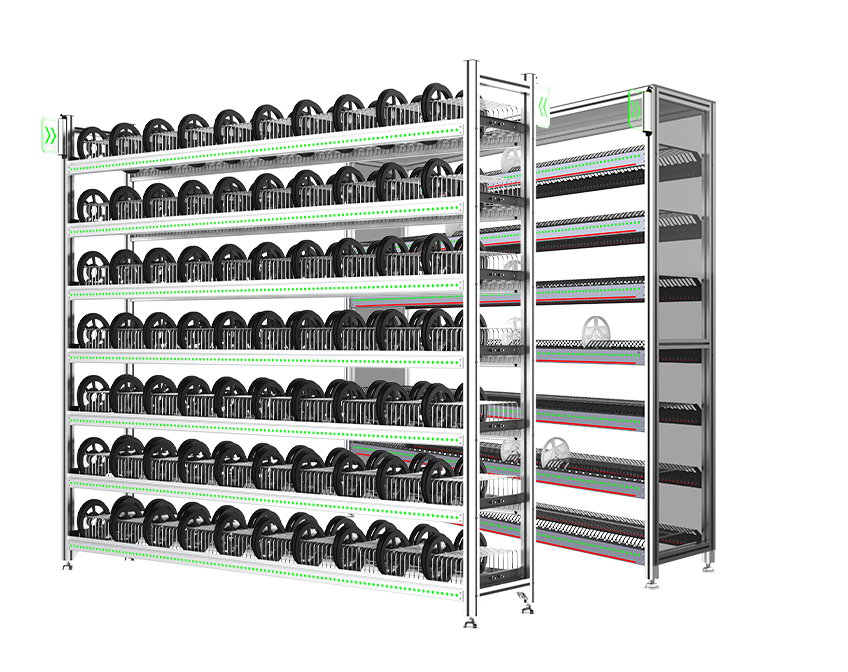
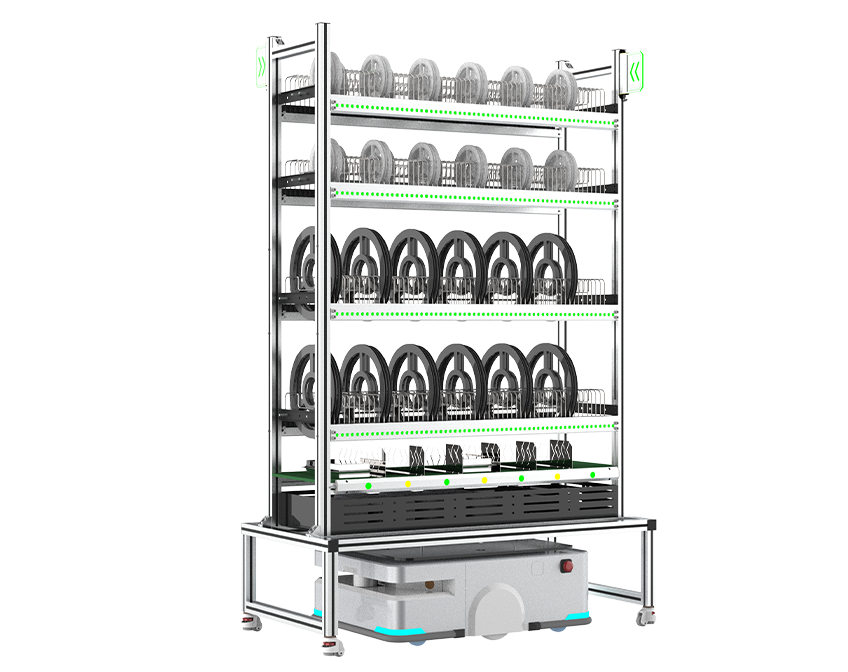
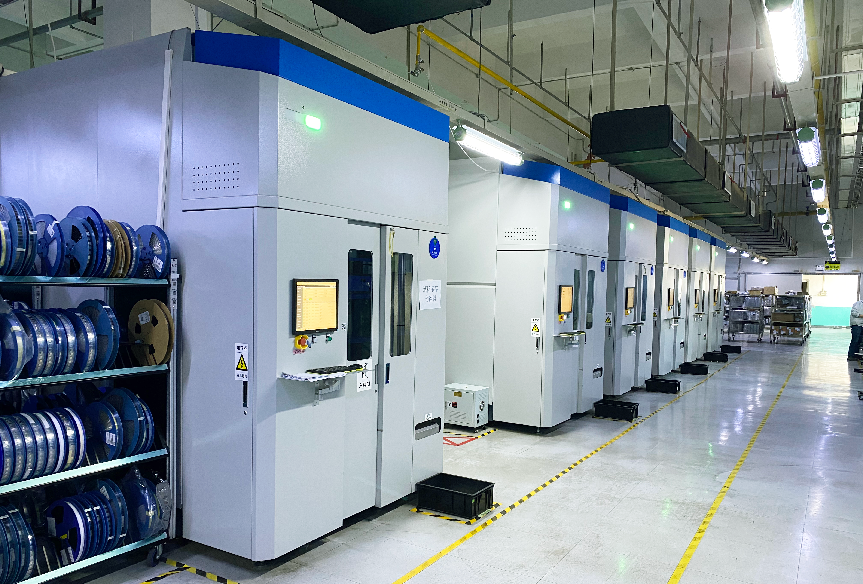
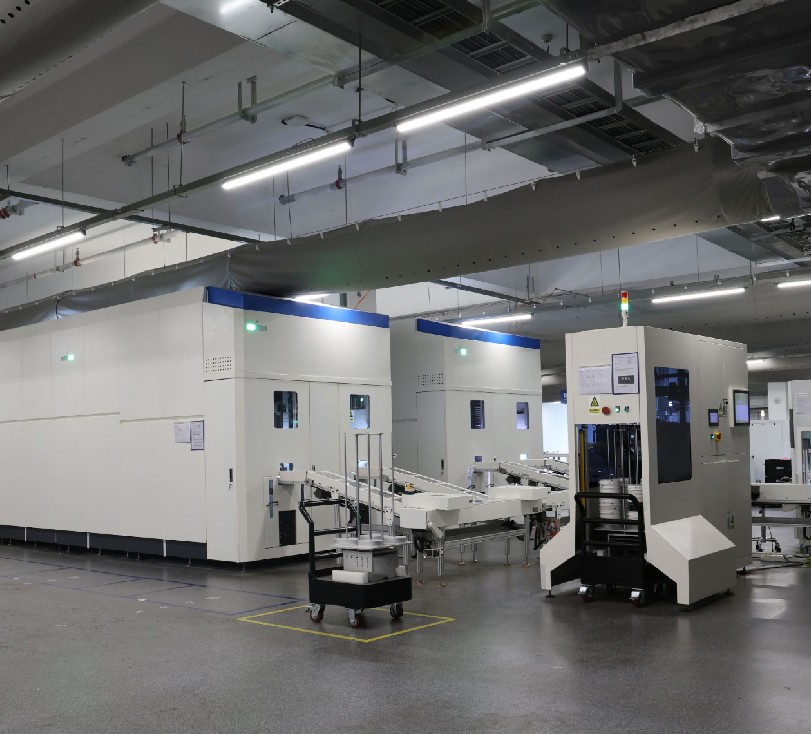
Different automation systems are designed for different warehouse problems. For high-volume SMD reel management, smart towers, reel rack systems, or SMD smart warehouse systems may be suitable. For space optimization, vertical carousel storage or vertical lift storage can help use warehouse height. For solder paste, a dedicated storage solution is more appropriate because the material has handling and usage requirements. For stencil management, organized stencil storage can reduce searching time before line changeovers.
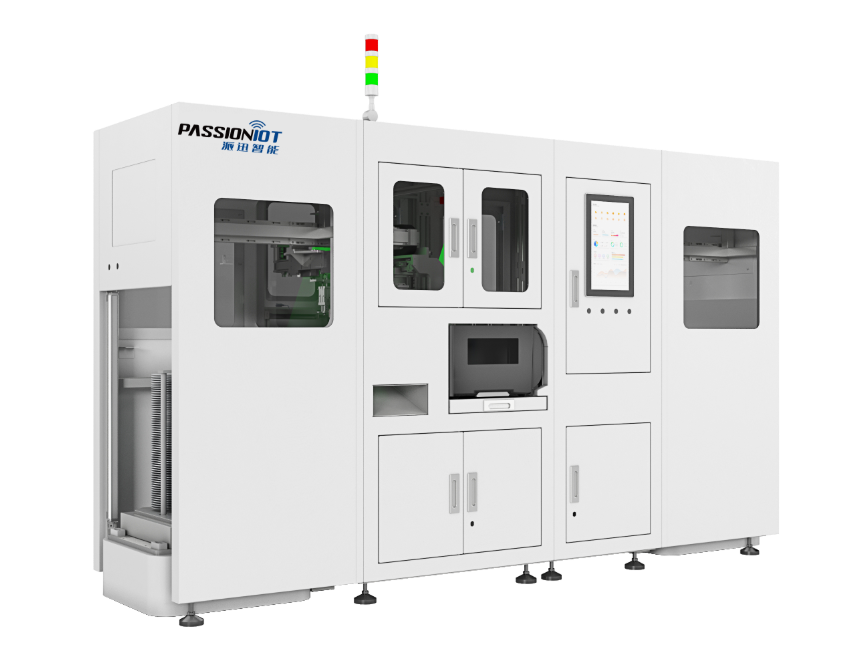
A useful warehouse automation solution should do more than store materials. It should also support identification, stock visibility, and data connection. Barcode, QR code, RFID, labelling, and system records can help teams track material location, quantity, batch, and movement history. This is important in electronics manufacturing because production efficiency depends on whether the right material is ready at the right time.
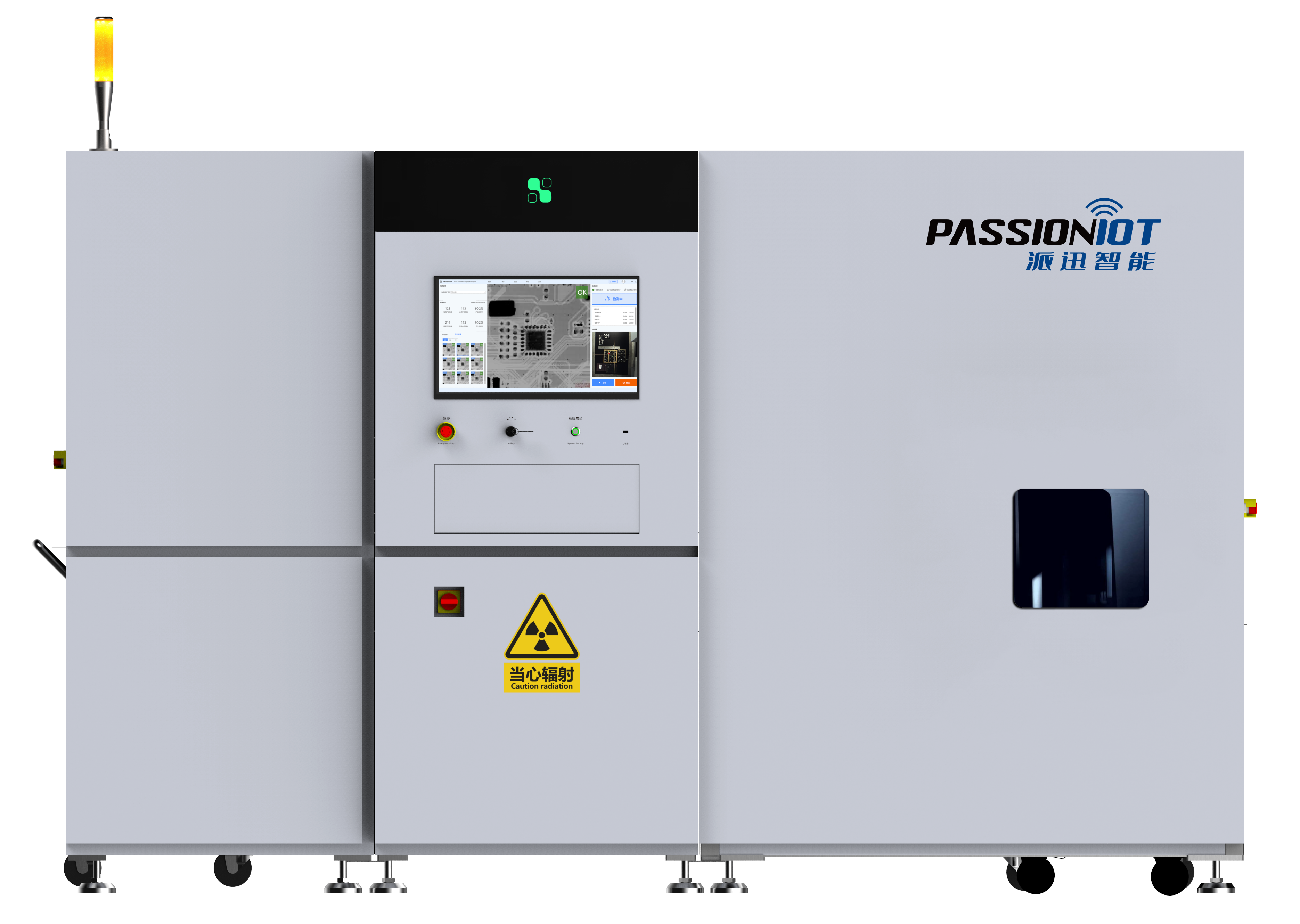
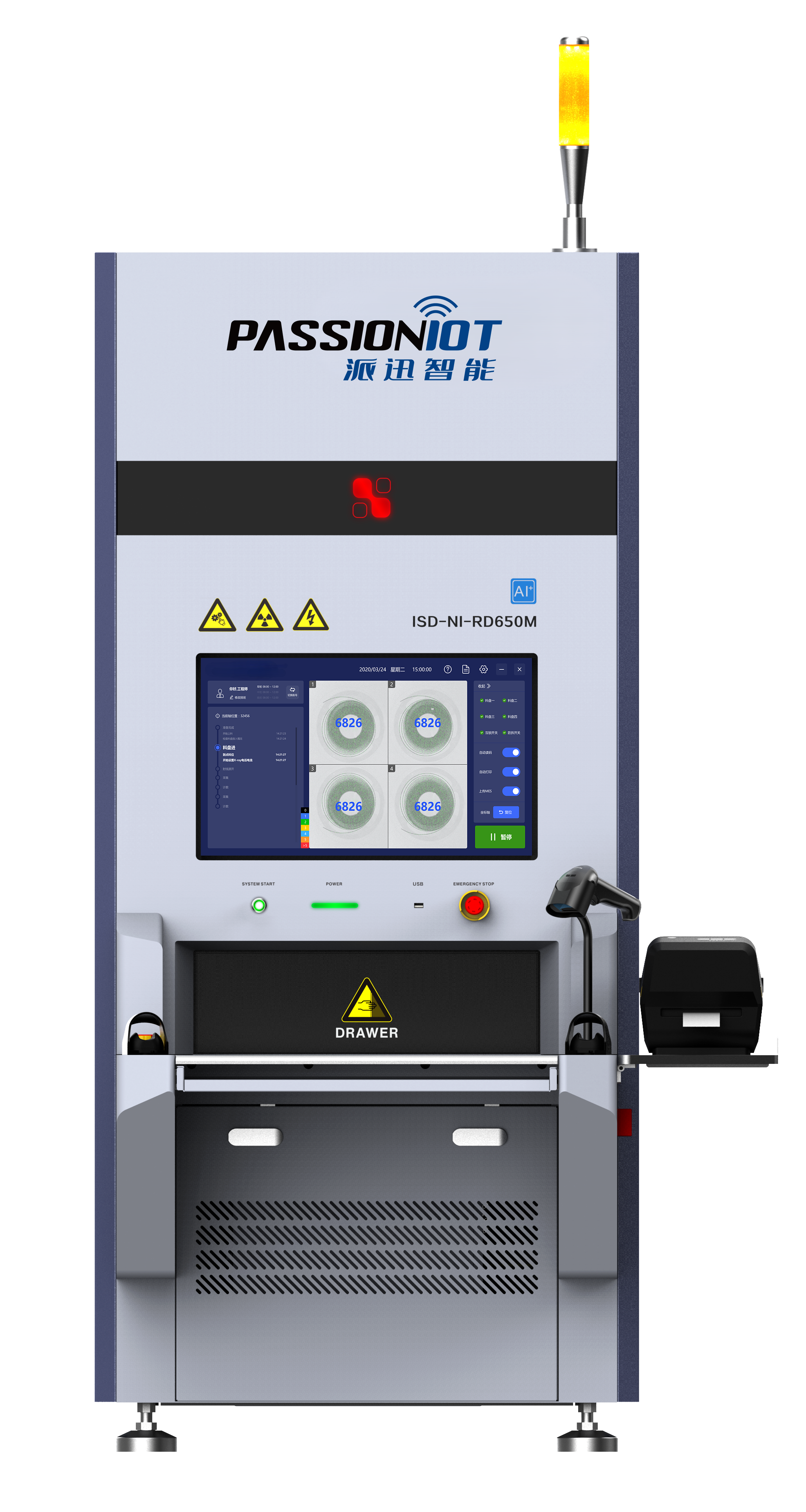
Factories should also consider whether the system can grow with production. A manufacturer may start with automated reel storage or an X-ray component counter, then add solder paste storage, stencil storage, or auto labelling later. A scalable solution allows the warehouse to improve step by step without redesigning the entire process every time production changes.
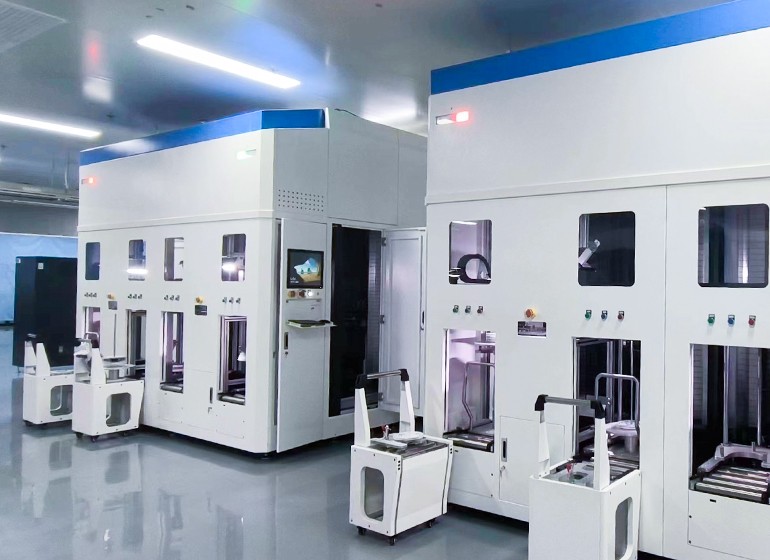
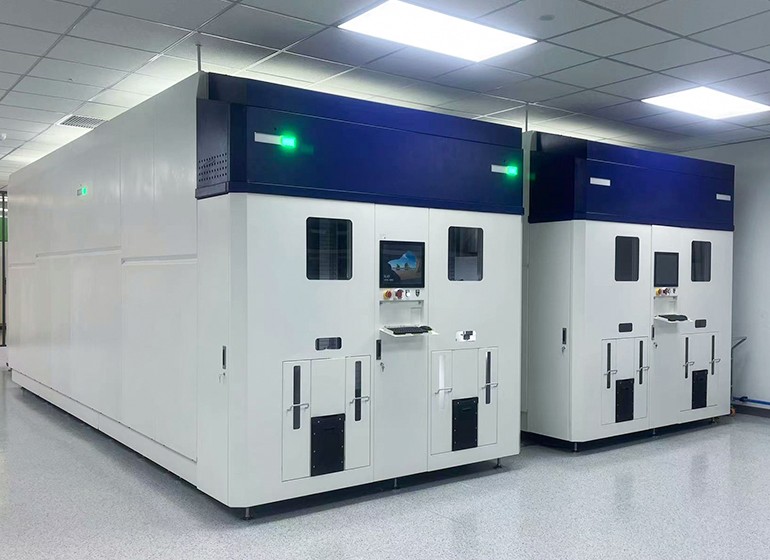
PassionIOT focuses on intelligent warehousing for SMT and electronics manufacturing environments. Its solutions can be configured according to factory layout, material type, and production process. By selecting the right combination of smart storage, labelling, counting, and warehouse management functions, manufacturers can improve material accuracy, reduce manual searching, and support a more stable SMT production workflow.